NL
NL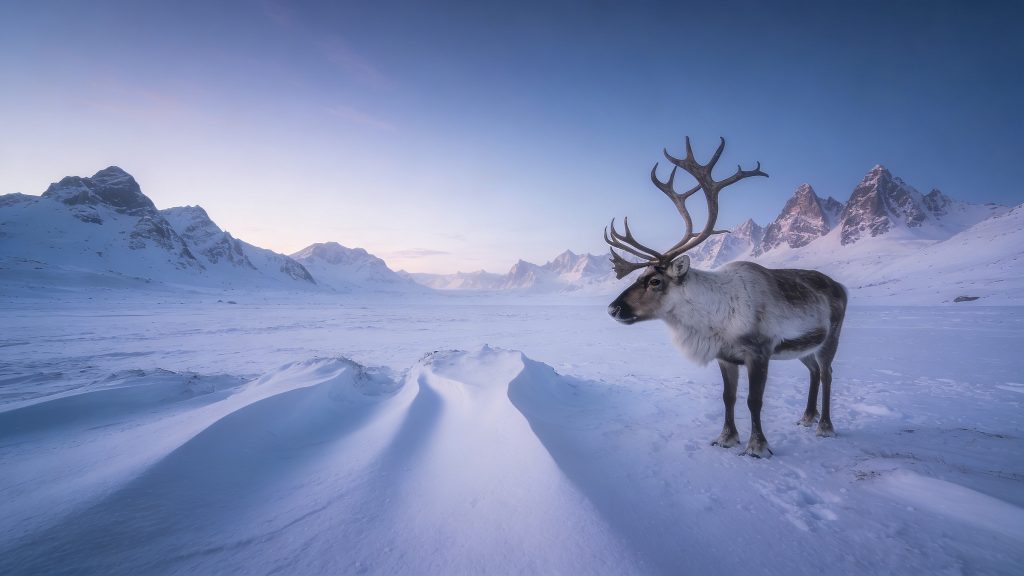
A train journey through northern Norway takes you to the Arctic tundra, where reindeer graze in large herds and Arctic foxes roam the high plateaus. This carefully prepared trip combines comfortable travel with observing iconic Arctic wildlife in areas such as Finnmark and Varangerhalvøya. Discover how to travel to the wilderness by train and which destinations offer the best chances of sightings.
Why take the train to Arctic Norway?
The train to northern Norway is a thoughtful choice for travellers who want to combine wildlife with experiencing the landscape. The Nordland Line (the railway between Trondheim and Bodø) and the connection to Tromsø take you through fjords, mountains and eventually to the Arctic tundra. You travel directly to bases such as Bodø, Fauske and Narvik, from where you can continue by bus or hire car to wildlife areas.
The comfort of the train gives you time to look at the scenery and prepare for your observations. You do not have to worry about winter roads or long drives. From Trondheim to Bodø the journey takes about 10 hours, during which you can see the aurora borealis in the winter months. The train stops regularly, so you can board easily with your gear.
One advantage is that you can plan the journey as part of a broader wildlife holiday, combining several observation areas without being dependent on a single location. Train services run all year round, with adjusted timetables in winter and summer.
Which train services take you to the Arctic regions?
The main railway connection is the Nordland Line, which runs from Trondheim to Bodø. This line crosses the Arctic Circle and takes you to the starting point for further journeys to Finnmark and the Lofoten Islands. From Bodø you can travel by bus to Narvik, a strategic base for observing reindeer and Arctic foxes.
From Narvik, buses depart for Tromsø, a hub for organised wildlife tours. There are also bus connections to Karasjok and Kautokeino in Finnmark, right in the heart of Sámi country with large reindeer herds. Travellers who want to go on to Varangerhalvøya, the best place for Arctic foxes, travel via the coastal bus from Kirkenes.
Important train connections for wildlife:
- Trondheim – Bodø: 10 hours, daily service, crosses the Arctic Circle
- Fauske: intermediate station for transfers to Narvik and Tromsø
- Narvik: starting point for Finnmark and the Lofoten Islands
- Bus Bodø – Narvik: 6 hours, several journeys a day
- Bus Narvik – Tromsø: 4 hours, connection to train
Observing Arctic foxes in Varangerhalvøya
Varangerhalvøya National Park, located in eastern Finnmark, is the best area in Norway to see Arctic foxes in the wild. These foxes roam the vast tundra in search of lemmings and other prey. Their white winter coat makes them almost invisible against the snow, while their brown summer coat camouflages them in the bare landscape.
The best time for observation is from June to September, when the foxes are active during the breeding season and you can spot them while hiking. The Nattfjellet route of around 20 kilometres offers good chances, especially early in the morning or late in the evening. Travellers report that patience pays off: Arctic foxes are shy and will flee if disturbed.
Varangerhalvøya is reached via Kirkenes, which you get to by coastal bus from Tromsø or by flight. From Kirkenes you can hire a car or join an organised wildlife tour. Bring binoculars and a telephoto lens so you can keep your distance and avoid disturbing the animals.
Tips for spotting Arctic foxes
- Plan your visit in summer for longer daylight hours and better visibility
- Wear muted, earth-toned clothing to make yourself less visible
- Stay quiet and move slowly if you see a fox
- Use a telephoto lens to take photos without approaching the animals
- Check local reports on lemming populations, which influence the presence of foxes
Spotting reindeer in Finnmark and Sámi country
Finnmark is the heart of reindeer herding in Norway. The Sámi population keep tens of thousands of reindeer, which graze on the high plateaus in summer and migrate to lower areas in winter. You will see both semi-domesticated and wild reindeer, especially around Kautokeino, Karasjok and the plateaus of Finnmarksvidda.
Reindeer are easier to observe than Arctic foxes. They graze in herds and are less shy, although you should keep your distance to avoid stress. The best time for observation is from May to September, when the herds are grazing on the tundra. In winter they migrate and are harder to find.
Sámi communities offer activities such as feeding reindeer, sleigh rides and visits to reindeer farms. This gives insight into the tradition of reindeer herding and offers guaranteed sightings. Travellers who want to see wild reindeer are best off hiking on Finnmarksvidda or in the area around Tromsø.
Practical preparation for spotting reindeer
- Check the weather conditions in advance, as sudden changes are common
- Download offline maps of the area, as network coverage is limited
- Wear waterproof hiking boots and layered clothing for changeable weather
- Take enough water and snacks with you, as facilities are scarce
- Respect Sámi culture and ask permission before photographing reindeer
‘ Glass igloos and wildlife lodges in Tromsø and Kautokeino offer overnight stays where you can see the northern lights from your bed. ’
Combine wildlife with the northern lights
From September to March, northern Norway is a top location for the northern lights. You can combine wildlife observations during the day with northern lights hunts in the evening and at night. Areas such as Tromsø, the Lofoten Islands and Finnmark are all within the auroral zone, with regular activity during the dark months.
The northern lights are visible on clear nights from around 6 pm until the early hours. For the best chance of sightings, check the KP index (a measure of geomagnetic activity) and choose locations far from artificial light. Many wildlife areas offer dark surroundings, ideal for both stargazing and auroras.
Glass igloos and wildlife lodges in Tromsø and Kautokeino offer overnight stays where you can watch the northern lights from your bed. This combines comfort with night-time observations. Other travellers opt for camping on the tundra, which requires more preparation but offers an intense experience.
Best time to travel for wildlife in Arctic Norway
Summer, from June to August, is the most accessible period. The days are long, temperatures are mild (5 to 15 degrees) and the tundra is in bloom. You will see Arctic foxes in their brown summer coat, reindeer grazing in large herds and birds nesting along the coasts. Hiking trails are passable and the infrastructure is easy to reach.
Winter, from November to March, offers a completely different experience. The tundra is covered in snow, Arctic foxes wear their white coat and the northern lights are visible. Reindeer are harder to find because they move to lower areas. You need winter gear, including thermal clothing, winter boots and good preparation for cold down to -30 degrees.
Shoulder seasons such as September–October and April–May offer less predictable conditions. The weather is changeable, with snow and rain alternating, and some paths are closed. However, the colours are spectacular in autumn and there are fewer tourists.
Equipment and preparation for Arctic wildlife
Good preparation makes the difference between a successful observation and disappointment. Always wear layered clothing: a thermal base layer, an insulating mid-layer and a waterproof outer layer. Wind and precipitation are common, even in summer. Sturdy hiking boots with good grip are essential on the rocky and boggy tundra.
For observations, take binoculars (at least 8×42) and a camera with a telephoto lens. A tripod helps you take sharp photos in low light. Bring extra batteries, as the cold drains them faster. A thermos flask with a hot drink and energy bars are practical during long hikes.
Essential equipment for Arctic wildlife:
- Waterproof hiking boots with good ankle support
- Thermal clothing including gloves and hat
- Binoculars (8×42 or 10×42)
- Camera with telephoto lens (at least 200 mm)
- Offline maps and GPS device
- First-aid kit and emergency supplies
- Sunglasses and sunscreen (reflection on snow)
‘ Do not feed wild animals, as this changes their natural behaviour and makes them dependent. ’
Ethical observation and protection of Arctic wildlife
Arctic foxes and reindeer are protected in Norway. You may observe and photograph them, but disturbing them is prohibited. Keep at least 50 metres away from reindeer and 100 metres from Arctic foxes. If animals change their behaviour because of your presence, you are too close and should move back.
Do not feed wild animals, as this changes their natural behaviour and makes them dependent. Do not leave any rubbish behind and stay on marked paths to protect the tundra. Arctic vegetation is fragile and recovers slowly after damage.
Additional rules apply in national parks. Before your visit, check whether there are restrictions on drones, camping or off-road driving. Respect Sámi culture and ask permission before photographing reindeer that belong to herders.
Discover more on Traveler Tips
On the Traveler Tips website you will find extensive information about nature trips, train connections across Europe and practical preparation for wildlife holidays. Discover routes to other natural areas, tips for sustainable travel and detailed travel planners that help you organise your next trip smartly and responsibly. Explore the options and plan your next adventure with reliable, practical knowledge.
Frequently asked questions
Your best chances of seeing both Arctic foxes and reindeer are in the far north, particularly around Varangerhalvøya National Park and in Finnmark, where the tundra runs directly alongside the main and minor roads. Choose driving routes across the high plateaus of Finnmark (for example between Karasjok, Kautokeino and the coast), where reindeer herds often cross the road. For train and combined journeys, routes towards Tromsø and further north with connecting bus or car routes to Varanger and the Sámi areas offer the greatest likelihood. Those who travel further can find extra good chances of seeing Svalbard reindeer, and occasionally Arctic foxes, around Svalbard (by boat and short local road sections).
The best time to travel is in the summer months, when Arctic foxes are more visible on the tundra and reindeer can be seen in large grazing herds, or in winter if you want to experience reindeer migrations and Sámi activities. Warm, multi-layered clothing and waterproof footwear are essential so that you can comfortably stay outside for long periods. Take binoculars or a telephoto lens with you to observe the animals from a distance without disturbing them. Prepare by downloading offline maps, using local weather apps and booking an experienced guide for safe and responsible observation.
Always observe Arctic foxes and reindeer from a good distance and use binoculars or telephoto lenses so that you do not influence their behaviour. Stay on marked paths or near the road and never chase animals, not even for a better photo. Do not feed them and do not make loud noises; let them decide for themselves whether to come closer. Ideally, join a local, nature-friendly guide or organisation that knows the codes of conduct and protection rules.
Plan stops at national parks such as Varangerhalvøya and Finnmark, where you can easily combine wildlife spotting hikes with viewpoints, fjords and short cultural stops in Sámi villages. Choose routes via Tromsø and the Lofoten Islands so that you can do organised wildlife or reindeer safaris during the day and enjoy towns, museums or fjord cruises in the evening. Build in rest days in places with multiple options (hiking, boat trip, village), so that you can switch between wildlife watching and other sights when the weather is bad. Make sure your travel legs remain short by clustering sights by region, so you spend more time outdoors and less in the car.