NL
NL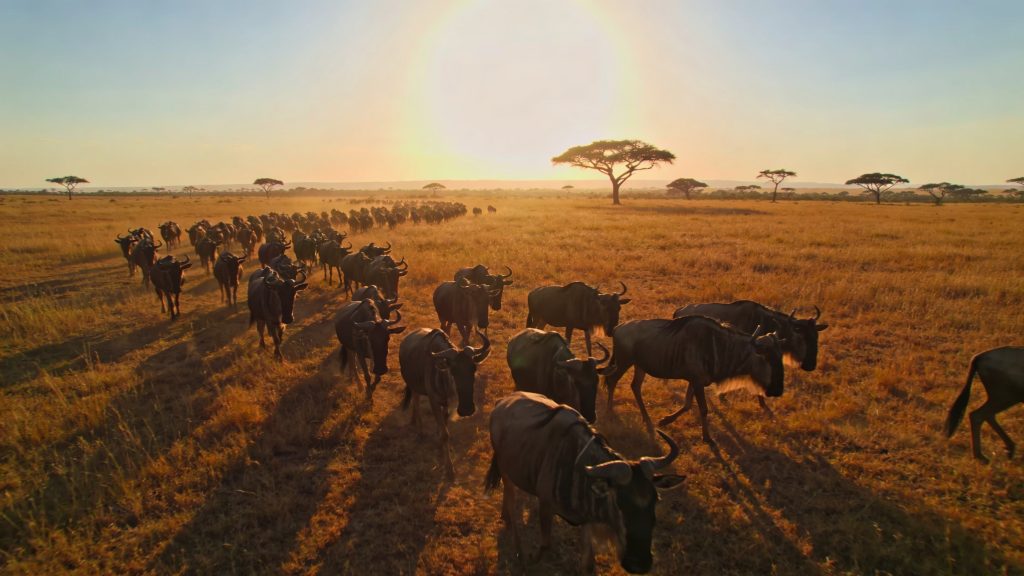
The wildebeest migration in the Serengeti and Masai Mara is the greatest land-animal spectacle in the world. More than 1.2 million wildebeest, 200,000 zebras and 300,000 gazelles travel between 800 and 1,500 kilometres through Tanzania and Kenya every year, in search of fresh grass and water. This cycle offers travellers planning wildlife holidays a rich mix of spectacular river crossings, mass births and impressive predator hunts. With the right planning and knowledge of the route, you can arrange a safari that stays with you for a long time.
When can you see the wildebeest migration?
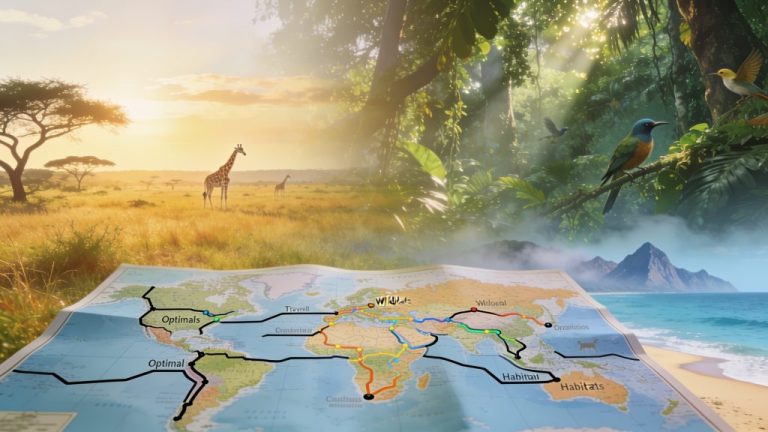
The migration is a continuous process without a fixed beginning or end. The herds move clockwise through the ecosystem, driven by rainfall patterns that differ from year to year. To see the most dramatic scenes, you should time your trip to specific periods.
January to March is calving season in the southern Serengeti, around Ndutu and the Ngorongoro area. Almost 500,000 calves are born in a short time. For predators such as cheetahs and lions this is a feast, because young animals are vulnerable. This period is less busy than the high season and offers intimate wildlife experiences.
In April and May the herds move north‑west towards Seronera Valley and the Western Corridor. The southern plains dry out, forcing the animals to look for new grazing grounds. June and July mark the first river crossings at Grumeti and Mbalageti. Columns sometimes as long as 40 kilometres form, while crocodiles in the rivers lie in wait for prey.
From July to September the migration reaches its absolute peak. The herds cross the Mara River in northern Serengeti and Masai Mara. This produces the most spectacular scenes: strong currents, steep banks and Nile crocodiles striking. August is the top month for crossings at Sand River and Talek. In October and November the animals graze in Masai Mara, before returning south when the new rains start. December serves as a preparation month for a new calving season.
Use live trackers for current positions
Because rainfall affects the route, the exact timing varies from year to year. Live trackers provide up‑to‑date information on the herds. Book flexible lodges in northern Serengeti for July to October, or choose the southern plains for January to March. This way you increase your chances of optimal sightings.
‘ The minimum distance is 25 metres, and self‑drive in the parks is not allowed. ’
Best camps for the Serengeti migration
The choice of camp largely determines your experience. Ideally, stay three to four days in one area, because river crossings are unpredictable and do not follow a tight schedule. Strategically located camps offer direct access to the main hotspots.
For the January to March calving season, lodges in the southern Serengeti around Ndutu are ideal. You will be close to the birthing areas and have good chances of seeing hunts. For the July to October river crossings, choose camps in northern Serengeti or just across the border in Masai Mara. Some camps are located directly on the Mara River, allowing you to watch crossings from your accommodation.
Eco‑lodges with solar power offer sustainable options. They combine comfort with respect for the ecosystem. Avoid single‑use plastics and follow guidelines on distance to animals. The minimum distance is 25 metres, and self‑drive in the parks is not allowed. Experienced guides know the best spots and the behaviour of the herds.
Hot‑air balloon rides for an overview
A balloon flight at sunrise gives you a unique perspective on the migration. From the air you see the scale of the herds and the route they take. It is an expensive addition to your safari, but for example offers views of endless lines of animals moving across the plains and of predators that are barely visible, if at all, from the ground.
Game‑drive strategies for wildebeest, zebras and predators
Successful game drives require planning and patience. Timing plays an important role: early mornings and late afternoons are when wildlife is most active. Predators often hunt at sunrise or just before sunset, while the herds move during the cooler hours.
Zebras eat the longer grass and create a path for the wildebeest, which focus on the shorter grass. This symbiosis makes the two species migrate together. First observe the zebras’ behaviour: their restlessness or sudden movements can indicate approaching predators or an imminent crossing.
At river crossings, herds gather along the banks. This moment is chaotic and unpredictable. Thousands of animals charge into the water, while crocodiles attack. Stay patient; crossings can last for hours or stop abruptly. Travellers report that the tension and drama make these moments the most impressive experience of their trip, because you see the struggle for survival and the animals’ instinct up close.
Tips for optimal observation
- Bring binoculars for distant details
- Wear long clothing to protect against tsetse flies
- Use high‑factor sunscreen
- Take malaria tablets as prescribed
- Respect your guide’s instructions about behaviour and distance
Unexpected events, such as sudden thunderstorms, make crossings even more chaotic. Rain turns dry riverbanks into mud pools, creating extra challenges for the animals. These variables make every safari unique.
Practical preparation for your migration safari
A well‑prepared trip increases your chances of special sightings such as hunts, births or spectacular crossings. Start with your transport: fly to Seronera Airport in Tanzania or Masai Mara Airstrip in Kenya. From there you arrange transfers to your camp. Choose safaris with 4×4 vehicles and experienced guides who know the best river spots.
Budget realistically. Count on €500 to €1,000 per person per day, including lodge, meals and game drives. This may seem high, but it covers full guidance and access to the best areas. The high season from July to October requires early bookings, sometimes a year in advance. January to March is quieter and often more affordable.
Combine your migration safari with other destinations for a varied trip. Ngorongoro Crater offers a compact ecosystem with a high density of predators. Zanzibar provides seaside relaxation after intensive safari days. These combinations break up the journey and add different experiences.
What to expect from the migration
Although the calving season is impressive, only about 60 per cent of the young animals survive their first year. Lions and hyenas actively hunt vulnerable calves. This is the harsh reality of the ecosystem, but also what makes nature so awe‑inspiring. Travellers describe seeing a hunt as confronting and at the same time enchanting.
Thunderstorms during crossings increase the chaos. The combination of flowing water, thunderclaps and thousands of moving animals creates an overwhelming experience. Stay calm and rely on your guide for the best viewpoints.
‘ With the right timing, strategically chosen camps and good preparation, you will experience one of the most impressive natural phenomena in the world. ’
Discover more safari inspiration
The wildebeest migration is a journey that requires careful planning and richly rewards it. From the calving season in the south to the dramatic river crossings in the north, every moment of the cycle offers unique opportunities. With the right timing, strategically chosen camps and good preparation, you will experience one of the most impressive natural phenomena in the world.
On the Traveler Tips website you can find more information about safari routes, nature holidays and practical tips for your next trip. Discover how to plan your African adventure further and which destinations combine perfectly with a migration safari. Dive deeper into the possibilities and make your next trip unforgettable.
Frequently asked questions
The optimal period to experience the wildebeest migration with the most spectacular action is roughly from July to October around the Mara River (northern Serengeti and Maasai Mara), or from January to March in the southern Serengeti for the calving season. Based on this, first choose your month (July–October for river crossings; Jan–Mar for births), and then your region (north vs south Serengeti/Mara). Plan your road trip so that you stay several days (at least 3–4 nights) in one area instead of doing lots of driving, to increase your chances of seeing a crossing or hunt. Keep your schedule flexible and build in some leeway, so that on the spot you can make small route adjustments based on the weather and current migration updates.
It is crucial to plan your route based on the seasonal pattern of the migration: southern Serengeti/Ndutu (Jan–Mar), central and western Serengeti (Apr–Jun), northern Serengeti and Masai Mara (Jul–Oct) and then back south again (Nov–Dec). Choose logical entry and exit points, such as flying to Seronera (Serengeti) and/or an airstrip in the Masai Mara, so you avoid long, exhausting overland stretches. Plan enough days per area (at least 3–4 nights per camp) so you don’t have to drive constantly and can remain flexible in responding to where the herds actually are. Use local 4×4 transfers or guides between lodges instead of self‑drive in the parks, so that travel time, safety and comfort are optimal.
For self‑planning travellers, small‑scale tented camps and mobile camps in the central and northern Serengeti or the Maasai Mara offer the best balance between migration location, comfort and authenticity. These accommodations are often strategically located near migration and river‑crossing routes and combine full board with an intimate, bush‑like atmosphere. Opt for well‑reviewed mid‑range to upper‑mid‑range tented camps with private bathroom and included game drives to keep comfort and price in balance.
For driving in the wild you need a reliable 4×4 with high ground clearance, low gearing, good all‑terrain tyres, two spare wheels and preferably an experienced guide/driver; independent self‑drive is generally discouraged or highly restricted in Serengeti and Masai Mara. Make sure you have enough fuel, water, a first‑aid kit, recovery gear (spade, tow rope, sand tracks) and navigation (GPS plus paper map). Always stay on the official tracks, keep generous distance from animals, never leave the vehicle outside designated spots and check park rules and weather forecasts daily. Bring binoculars, sun protection, a warm layer for early mornings, malaria prophylaxis and long clothing against tsetse flies, and plan drives around sunrise and sunset for both safety and the best wildlife observation.
Start with a total budget and divide it into main categories: park fees (daily rates plus any concession or camping fees), vehicle hire (4×4, driver/guide, fuel, insurance) and accommodation (lodges, tented camps or camping, including meals). Request quotes from several local tour operators and compare what is included (game drives, park fees, transfers) and what is not. Then create a daily budget (cost per day x number of days) and add a 10–20% margin for unexpected expenses or exchange‑rate fluctuations. Save smart by travelling outside peak months, choosing simpler accommodation and limiting the number of parks/regions, rather than cutting costs to the bone in every category.