NL
NL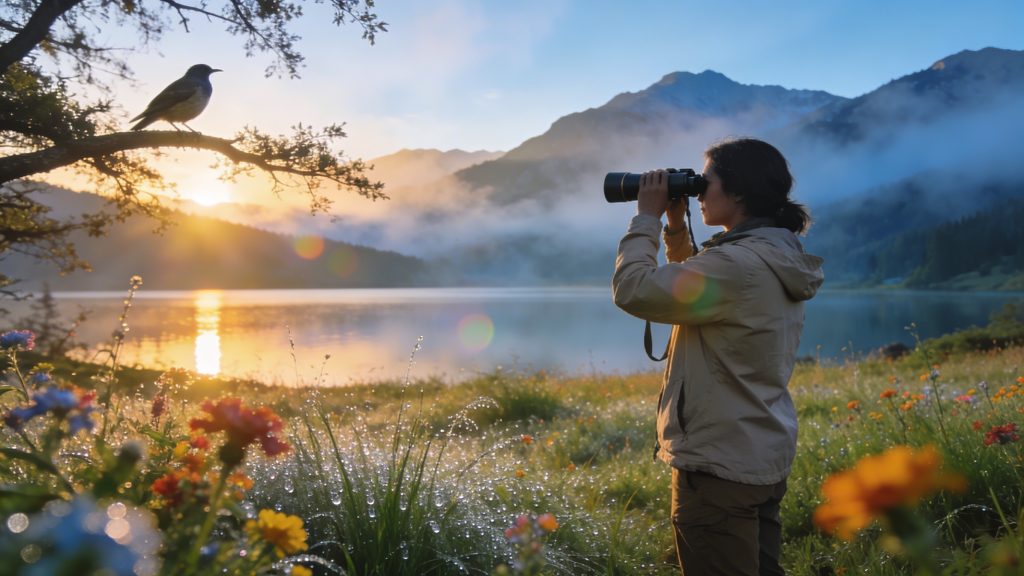
Birdwatching has evolved into a specialised form of nature travel, where you use targeted strategy and knowledge to observe the most colourful and rare bird species in their natural habitat. Would you like to admire the blue feet of blue-footed boobies in the Galápagos? Or would you rather discover Borneo’s tropical bird diversity? Each region requires specific preparation and timing. In this guide you will discover where the best hotspots are and how to plan your birdwatching trip smartly.
Where can you find the best birdwatching locations?
Your choice of destination depends on two factors. Which species do you want to see? And in which season are you travelling? The Galápagos are known for the iconic blue-footed booby. This bird has striking blue feet. It performs a characteristic “horse dance” display during the breeding season. You can see these birds best between June and August on islands such as Española and North Seymour.
Borneo and India have tropical rainforests full of diverse bird species. In Borneo you will find more than 600 bird species, including hornbills, pheasants and kingfishers. The rainforests of Danum Valley and Kinabalu Park are top locations. India combines bird richness with accessibility, especially in Bharatpur Bird Sanctuary and Kaziranga National Park. Here you can see cranes, storks and birds of prey.
For travellers planning wildlife holidays (trips focused on wild animals in their natural environment) with a focus on birds, Costa Rica and Ecuador are also strong candidates. Costa Rica is home to more than 900 species, from quetzals to toucans. Ecuador’s cloud forests (mist forests in mountainous areas) are ideal for hummingbirds and Andean condors.
‘ The breeding season differs per region and offers the most active bird populations. ’
What is the best time of year for birdwatching?
Timing determines a large part of the success of your birdwatching trip. The breeding season differs per region and offers the most active bird populations. In the Galápagos, the breeding season of blue-footed boobies runs from June to August. The males then show off their blue feet in courtship rituals.
In tropical areas such as Borneo and India, the dry season between November and March is optimal. Birds then concentrate around water sources and the vegetation is less dense, which makes observing easier. In Central America, the dry season between December and April is ideal.
The time of day also has an impact. Early in the morning, shortly after sunrise, birds are most active feeding and singing. Late in the afternoon activity often increases again before birds head to their roosts. Plan your observation trips around these times to see more birds.
How do you identify birds effectively in the wild?
Bird identification is achieved through observation, using knowledge and making use of tools. Start by recognising basic characteristics such as size, body shape, bill and colour patterns. Also pay attention to behaviour. Does the bird climb along tree trunks? Does it dive for fish? Is it sitting motionless on the ground?
A good pair of binoculars is indispensable. An 8×42 model offers a good balance between magnification and light gathering, which is important in forests and at dusk. Field guides specific to your travel destination are valuable. These books describe features, sounds and habitats of regional species.
Modern bird apps such as Merlin Bird ID (an app for bird recognition) help you with identification. They scan photos or analyse sounds. For serious birders, local bird lists and hotspot databases (online lists with popular birding spots) are useful. You can then check which species have recently been recorded in the area. For each sighting, note the location, the time and striking characteristics. This way you can confirm species later.
Identification characteristics per bird type
- Waterbirds: pay attention to bill shape and leg colour. The blue-footed booby, for example, has blue feet.
- Birds of prey: observe flight pattern and tail shape.
- Songbirds: listen to calls and look for colour accents on head, breast or wings.
- Forest birds: focus on behaviour. Birds climb, peck or inspect bark.
What equipment do you need for birdwatching?
In addition to binoculars, suitable clothing is important. Choose neutral colours such as green, brown or khaki that help you blend into the surroundings. Avoid bright colours and rustling fabrics. These disturb birds. Comfortable walking shoes are necessary if you are making longer treks through forests or marshes.
A field guide in book form helps with quick identification. Or use a digital version on your phone. A notebook and pen are handy to record sightings. For photographers, a telephoto zoom lens from 300mm upwards is recommended. A stable tripod is also necessary. Also think of practical matters. Take insect repellent, sunscreen and enough water with you.
In humid tropical areas such as Borneo, a waterproof bag for your equipment is advisable. For cooler high-altitude areas or early morning outings, take layers of clothing. You can put them on or take them off as needed.
‘ In complex environments such as rainforests, their knowledge is virtually indispensable. ’
Are specialist bird guides worth the investment?
Local bird guides often make the difference between an average outing and a successful day full of sightings. These guides know the exact spots where species occur. They recognise calls from a distance. In complex environments such as rainforests, their knowledge is virtually indispensable.
Specialist birding trips are offered by tour operators. These organisations focus on nature travel. The tours combine accommodation, transport and guidance by experienced ornithologists. You visit several hotspots within a region. The routes are tailored to the season and migration patterns.
For individual travellers, local guides offer flexible trips. These are half or full days. In popular birding areas such as Bharatpur in India or Danum Valley in Borneo you can find guides via ecolodges or nature parks. Ask in advance about their experience, language skills and knowledge. Which species do you want to see?
How do you plan birdwatching routes strategically?
Effective birdwatching routes focus on specific habitats that are rich in birds. Think of wetland areas for waterbirds, mountain forests for tropical species and coastal areas for seabirds. Research in advance which habitats suit your target species. Plan routes that link these areas.
Seasonal influence determines which birds you see. Are you seeing migratory birds or breeding populations? Many birders plan trips around specific migration periods. Think, for example, of the journey of Arctic birds to South America, or the concentration of cranes in India during winter. Check bird sighting databases (online systems where birders share their records). Look at recent records and seasonal patterns.
Combine different locations within one trip so you can see many different species. In Ecuador you visit cloud forests for mountain birds. Afterwards you head to the coast for pelicans and frigatebirds. In India you combine national parks with wetlands. You will then see different species groups.
Tips for planning routes
- Start with morning visits to hotspots for peak activity
- Plan rest periods halfway through the day when birds are less active
- Book accommodation close to bird areas to allow early starts
- Build in flexibility for weather conditions that affect observations
- Combine different altitudes and ecosystems to see as many different bird species as possible
What codes of conduct apply when birdwatching?
Always keep your distance. Never disturb nests, breeding or resting sites. Do not use sound recordings to lure birds during the breeding season; this can cause stress and disrupt parental care. Stay on marked paths. This protects vegetation and habitats.
In protected nature reserves there are often specific rules. These may concern group size, photography and observation times. Ask park authorities or guides in advance about the guidelines. In some areas certain zones are temporarily closed. This prevents disturbance.
Photographers should be aware of their impact. Avoid flash when photographing nocturnal species and do not get too close for the perfect shot. Your sighting is valuable, but the bird’s welfare comes first. Share your sightings with other birders via birding platforms. Others can then enjoy them too, without putting extra pressure on sensitive locations.
‘ Every step contributes to successful sightings. ’
Discover more about nature travel
Birdwatching is an enriching way to explore the world. It requires thorough preparation. Are you choosing the right destination? Are you making use of local expertise? Every step contributes to successful sightings. On the Traveler Tips website you will find extensive information about nature holidays and wildlife trips (journeys focused on observing animals in the wild). You will also find practical tips for planning specialised nature trips. Discover more routes, destinations and preparation advice. Organise your next birdwatching adventure.
Frequently asked questions
Easily accessible hotspots by car or train include the Oostvaardersplassen (train to Lelystad/Almere + bus/bike), the Groene Jonker (via N11/A12, near Nieuwkoop), Lauwersmeer (car via N361/N388) and Texel (train to Den Helder + ferry, car can go on board). Plan your road trip along logical clusters, for example Groene Jonker → Biesbosch → Haringvliet/Tij → Hellegatsplaten, so you travel in the quiet middle hours and watch birds in the early morning and late afternoon. For a train journey you can choose urban bases (e.g. Lelystad, Groningen, Den Helder) and from there travel by bus/hire bike to the areas. Use waarneming.nl and public transport planners to choose the best hotspot within travelling distance for each day and adjust your route accordingly.
For a beginning birdwatcher, a simple but lightweight pair of binoculars (e.g. 8×42), a notebook or phone for notes, weatherproof clothing and possibly a small tripod or monopod are recommended. Good apps for identification include ObsIdentify and the waarneming.nl app, which allow you to have photos identified and keep track of sightings. In addition, classic bird guides on paper or digital (for example the ANWB Vogelgids or Collins Bird Guide) are very useful for checking details such as plumage and habitat. On the way, combine an app for quick recognition with a guide for checking features and learning species groups.
Look for specialist birdwatching tours via platforms such as waarneming.nl (excursions), local nature organisations (Natuurmonumenten, Staatsbosbeheer) and bird clubs, where guides are often reviewed or recommended. Always check reviews on Google/Tripadvisor and forums (e.g. birding or travel forums) and pay attention to experience with your target species and area, group size and equipment used (binoculars/telescope). Contact the guide in advance to discuss your level, goals (e.g. photos, rare species) and physical abilities. Book well in advance around peak periods (spring and autumn migration) and preferably choose guides who explicitly respect codes of conduct for nature and breeding areas.
The best seasons for birdwatching are spring (March–May) and autumn (September–October), when migration is under way, with extra chances of wintering birds in midwinter. The most productive times of day are around sunrise and the last two hours before sunset, when birds are actively feeding and singing. Adapt your travel planning by looking up the high seasons per region (e.g. waterbirds in winter in polders, waders in spring/autumn on the coast) and planning your travel dates around them. Beforehand, use waarneming.nl or similar platforms to check current peak moments and hotspots and plan your routes so that you are at the best locations in the early morning and late afternoon.
Wear layers (thermal top, fleece, wind- and waterproof jacket) and waterproof shoes so that you can stand still for a long time without getting cold. Use lightweight binoculars (e.g. 8×42), optionally take a folding stool with you and make sure you have snacks and a flask. Choose quiet times (early morning or towards sunset) and set your phone to silent so you can fully immerse yourself in the experience. Stay on paths and in or near hides, so that you do not disturb birds and they show natural behaviour.