 NL
NL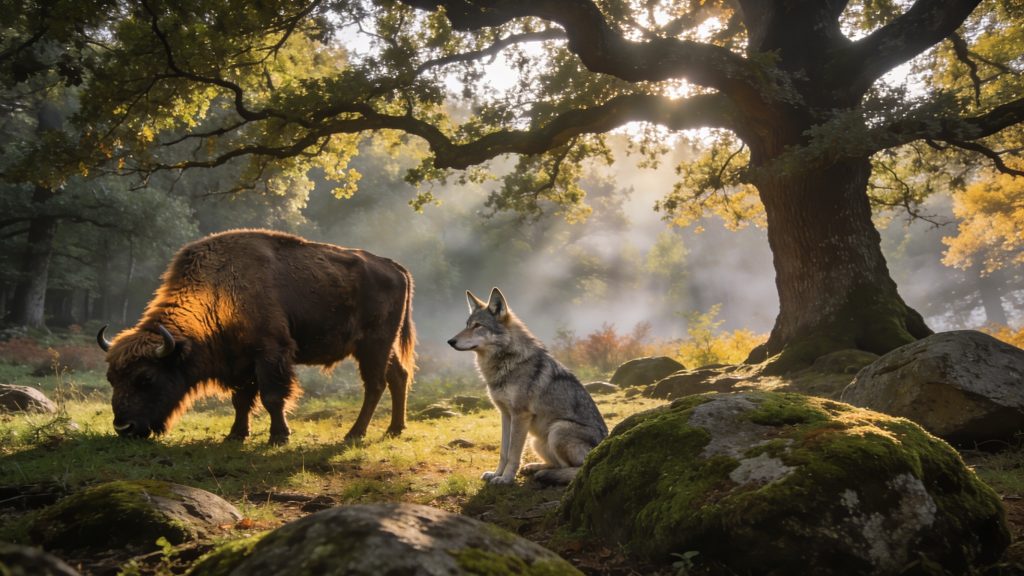
Poland offers the unique chance to observe Europe’s largest land mammal, the wisent (European bison), and wild wolves in their natural habitat. The Białowieża primeval forest and the vast woodlands of north-east Poland together are home to more than 3,600 bison and a growing wolf population. A road trip from Warsaw combines adventurous wildlife experiences with practical accessibility. Ideal for travellers who care about both nature and good planning.
Why this destination is unique
Białowieża National Park is Europe’s oldest primeval forest and is listed as a UNESCO World Heritage Site. The area straddles the border between Poland and Belarus and covers more than 140,000 hectares of untouched nature. Here, wisent live freely without supplementary feeding, a conservation success story following their reintroduction in 1952. The wolf population has expanded naturally from north-eastern Europe, genetically verified as wild packs without human release.
This road trip fits perfectly into a wildlife holiday, where you actively search for animals in their natural environment. The best season runs from October to March. In these months the trees are bare, making bison easier to spot in open areas. Wolves are more active at dusk and during the night, especially in autumn and winter when their howls carry far through the quiet of the forest.
Recommended route from Warsaw
The distance from Warsaw to Białowieża is approximately 200 kilometres. The drive takes two to three hours via the S8 and regional roads towards the Belarusian border. A standard 4–7 day route looks like this:
- Day 1–2: Depart from Warsaw and drive via Białystok to the village of Białowieża. Stay overnight in an eco-lodge or at a nearby campsite.
- Day 3–4: Explore Białowieża National Park with organised tours and walks through the buffer zones. Visit observation points for bison and listen for wolves at sunset.
- Day 5–6: Extend the route to Biebrza National Park (around 150 kilometres further north) or Puszcza Romincka, both areas with wolf tracks and extensive wetlands.
- Day 7: Drive back to Warsaw via Kazimierz Dolny for a relaxing stop along the Vistula river.
The total distance is 800 to 1,000 kilometres, depending on any extensions. Use navigation apps such as Google Maps and Park4Night to find rest stops along the way.
Bison spotting in practice
The European wisent, also known as the European bison, is an impressive animal that grows up to 2 metres tall and weighs more than 800 kilos. They live in herds of 10 to 20 animals and graze on grasses, herbs and bark. Despite their size, they can reach speeds of up to 60 kilometres per hour.
The best places to see bison are along the edges of open fields in Białowieża, especially at dawn and dusk. The animals are semi-free and stay in areas with limited fencing, but they live completely naturally without supplementary feeding by humans. Organised tours with local guides significantly increase your chances. These excursions last two to four hours and cost between 20 and 50 euros per person. Guides know the exact locations and behaviour patterns of the herds.
Important points to bear in mind when spotting:
- Keep a distance of at least 50 metres. Bison are generally calm, but can react aggressively when calves are present or when they feel threatened.
- Use binoculars with specifications such as 10×50 for optimal long-distance viewing.
- Allow plenty of time. Sometimes it takes an hour of patience at an open spot before a herd appears.
- Autumn and winter offer the highest success rate, with visibility of around 90 per cent on a guided tour.
Tracking wolves in Eastern Europe
Wolves live in packs of 5 to 12 animals and are mainly active at night. They are shy and avoid contact with humans, which makes direct observation rarer than with bison. The chance of a sighting lies between 30 and 50 per cent, but hearing them howl at sunset greatly enhances the experience.
The buffer zone around Białowieża and trail networks in Biebrza National Park are suitable places for wolf tracking. Night safaris or early morning walks with a guide cost between 30 and 60 euros. These guides know how to recognise fresh tracks, behaviour and territorial boundaries of the packs.
Tips for successful tracking:
- Download apps such as iNaturalist to view recent sightings from other travellers.
- Bring a sound recorder or smartphone to record howling. This helps determine the presence of packs.
- A thermal scope is optional, although this is expensive equipment and mainly relevant for experienced wildlife photographers.
- Always stay on marked trails. Wolves do not pose a danger to humans, but disturbance of their habitat is undesirable.
‘ Bison look like cattle, but they are much more dangerous. ’
Practical preparation for the road trip
Hire a car with good road holding, preferably an SUV with four-wheel drive. Local car hire companies in Warsaw offer these vehicles for 50 to 80 euros per day. Petrol prices in Poland are around 1.50 euros per litre, which keeps the overall costs manageable. You can park at the official visitor centres of the national parks.
Accommodation in Białowieża mainly consists of eco-cabins, agriturismo and small guesthouses. Prices range from 60 to 120 euros per night. Book in advance via the parks’ websites or specialised booking platforms for nature areas. Camping is also possible, with campsites offering basic facilities for 15 to 30 euros per night.
The total cost of a five-day trip is around 300 to 500 euros per person, excluding car hire. This includes overnight stays, guided tours and meals. Local restaurants serve traditional dishes and you will often find Żubr beer there, named after the Polish word for bison.
Safety and regulations
To enter Białowieża National Park you need a park pass, available at the entrance for about 5 euros per day. In the core zones, designated as strict nature reserve, additional rules apply. Here, access is only allowed with a guide. The use of drones is prohibited in these areas to prevent disturbance to wildlife.
Bison look like cattle, but they are much more dangerous. Always give them space and never approach them on foot without supervision. Wolves pose no real danger to humans. There are no documented attacks on tourists in this region. Check the weather in advance, especially in winter when temperatures can drop well below freezing.
Responsible travel and nature conservation
Choose certified tour operators that comply with the EU Birds Directive and local nature conservation guidelines. These guides work together with park management and contribute to conservation income. Take photographs from a distance and do not use flash when photographing animals. Avoid disturbing resting areas or leaving the paths in sensitive zones.
Local communities depend on responsible ecotourism. By choosing small-scale accommodation and regional guides, you directly support jobs and nature conservation. The reintroduction of bison and the natural recovery of the wolf population are fragile successes that will continue to depend on human awareness.
What else you should know
Bison consume around 30 kilos of grass and vegetation every day. Wolves in this region show genetic diversity that points to spontaneous migration from different parts of Eastern Europe. Białowieża is the only place in Europe where all original primeval forest species still occur, including rare lynx as a bonus sighting.
Summer is less suitable for wildlife watching due to dense foliage and higher visitor numbers. Spring and early autumn offer a balance between weather and visibility. Most travellers report seeing 10 or more bison per tour and describe wolves howling at full moon as an impressive experience.
On the Traveler Tips website you will find much more information about nature holidays, road trips through Europe and practical tips for self-organised travel. Discover routes, destinations and preparation advice that match your way of travelling.
Frequently asked questions
The best route runs from Warsaw to Białowieża (approx. 200 km, 2–3 hours’ drive) and then possibly on to Biebrza National Park or Puszcza Romincka, so that you cover both primeval forest and wetlands. For a complete road trip, allow 4–7 days and a total of around 800–1,000 km of driving. You will have the best chance of spotting European bison at sunrise or sunset along the forest edges around Białowieża, and wolves mainly in the buffer zones of Białowieża and in Biebrza at dusk or during the night, ideally with a local guide. On an organised tour, the chance of seeing bison is very high and the chance of seeing wolves is moderate, but greater if you stay for several days.
Get the car road-trip ready with a recent service, good tyres (preferably all-season or winter, depending on the season), an up-to-date road map/navigation system and an emergency kit with first aid supplies, blankets, torch, power bank and enough water and snacks. Prepare yourself with background information on the areas (such as Białowieża and Biebrza): check park rules, access permits, weather forecasts, and book certified local guides in advance for safe wildlife excursions. Take suitable equipment for observation: binoculars (at least 8–10x), warm and quiet clothing in layers, waterproof walking boots and, optionally, a camera with telephoto lens. Respect safety around animals by keeping your distance, not feeding them, staying on the paths and sharing your route and schedule with someone for emergencies.
Combine wildlife watching in Białowieża National Park with a visit to the UNESCO World Heritage Site and the primeval forest itself, so that you take in both nature and history. Plan your bison and wolf excursions around sunrise and sunset and fill the afternoons with cultural stops in towns and cities such as Warsaw or Lublin. Extend your route to Biebrza National Park for wetlands and birds, and drive back via picturesque places such as Kazimierz Dolny. Choose local eco-lodges and guides so that you deepen your nature experience while also getting to know the regional culture and cuisine.
Always respect distance to animals: stay on official paths and keep at least several tens of metres away from European bison and wolves, especially when calves are present or you see a pack. In Białowieża National Park and other protected areas strict rules apply: buy an entry or park pass, follow only marked routes and authorised zones, and enter the strict reserve only with a certified guide. Drones, loud noise, feeding animals or actively approaching bison/wolves are prohibited or strongly discouraged, as they can cause stress and trigger dangerous behaviour. Wherever possible, choose local, certified guides and tour operators who work according to conservation guidelines, so that you minimise the impact on animals and their habitat.
Look for local, nature-focused organisations or park guides (for example around Białowieża National Park) with a clear sustainability or conservation focus and good independent reviews on platforms such as Google, Tripadvisor or specialist wildlife forums. Book small-group or private excursions with official park or community guides, as they know routes where the chance of seeing bison and wolves is higher without disturbing the animals. Check that tours follow fixed trails, do not use bait and respect national park rules. Favour providers that work with local nature organisations, are transparent about their contribution to conservation and apply codes of conduct for visitors (keeping distance, silence, no light or noise disturbance).