 NL
NL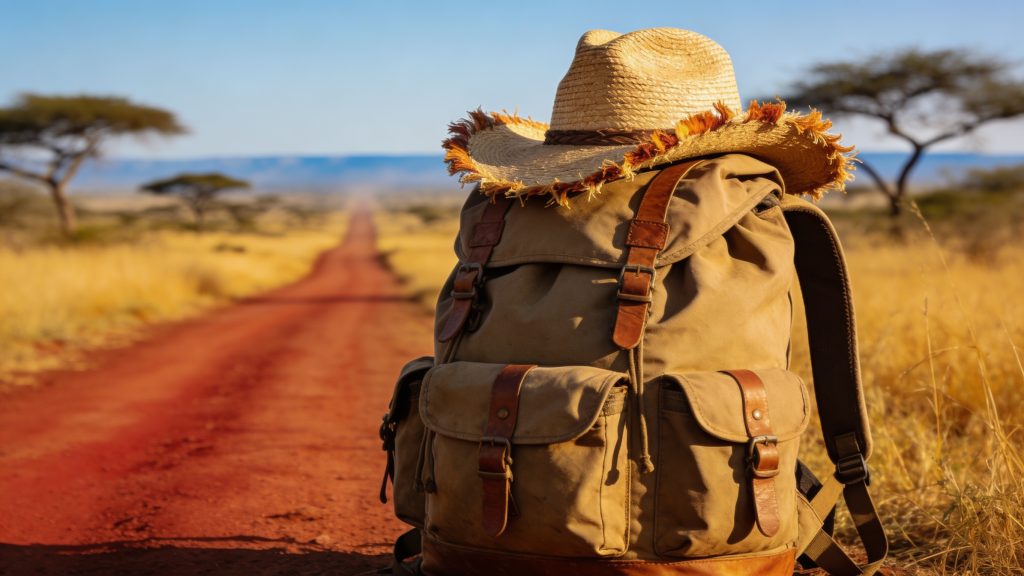
A wildlife safari road trip requires careful preparation, and your luggage can make the difference between comfort and frustration. The right clothing, camera gear, medication and binoculars ensure you get the most out of wildlife viewing in different climates, without unpleasant surprises. Read on to discover exactly what you should and shouldn’t pack.
Why choosing the right luggage is essential
For a wildlife safari road trip, your choice of bag is crucial. Opt for soft luggage or a backpack of 40 to 45 litres. This size is practical for safaris and meets the weight restrictions of small aircraft to remote destinations. Hard suitcases are awkward in safari vehicles where space is limited.
Also take a light daypack for your camera, water and sun cream during day trips. Avoid luxury handbags in the safari vehicle, as dust will quickly make your belongings dirty. A practical shoulder bag or backpack works better in this environment.
What to take on a wildlife trip: clothing for changing temperatures
Temperature differences between sunrise and midday are significant during wildlife holidays. Layering is therefore essential. Start your morning well wrapped up and remove layers as the day gets warmer. This keeps you comfortable during early game drives and hot afternoons.
These clothing items should go in your bag
- 2 to 3 short-sleeved shirts
- 2 to 3 long-sleeved shirts for protection against sun and insects
- 2 to 3 pairs of trousers, preferably convertible cargo trousers that can be turned into shorts
- 1 lightweight jacket or fleece for cold mornings
- 1 rain jacket that also acts as a windbreaker
- At least 7 pairs of socks and underwear
Pay attention to the colours you wear. Neutral tones such as beige, khaki and light brown are ideal. Avoid camouflage patterns as these clash with military uniforms in some countries. Bright colours make you too visible to wildlife. Black and dark blue attract tsetse flies, which you definitely want to avoid.
Footwear and protection against sun and wind
Wear closed shoes for protection against dust and insects. Walking shoes are essential if your road trip includes bush walks. For use in lodges, camp slippers or flip-flops are handy and comfortable after a long day.
Sun protection you will need
- A wide-brimmed hat, preferably with a chin strap for windy conditions
- Two pairs of sunglasses in case you lose one
- Sun cream with SPF 30 to 50 and lip balm with SPF
Other useful accessories include a beanie for early mornings, a buff scarf against wind and dust, and an optional face mask for extreme dust exposure. These items may seem small, but they make your trip much more pleasant.
Packing tips for the safari vehicle: health and hygiene
Health facilities are limited in remote wildlife areas. Take your own medication and hygiene products with you. This prevents problems on the road and ensures you are prepared for unexpected situations.
These items belong in your first-aid kit
- Prescription medication in the original packaging
- Anti-malaria tablets and other standard medicines
- Insect repellent containing DEET
- Toiletries: toothbrush, toothpaste, ointments and moisturiser
- Eye drops and wet wipes
Many lodges in safari and wildlife destinations in East Africa do not wash underwear. Take enough underwear with you or plan to do some handwashing yourself with laundry detergent you bring along.
Camera gear and binoculars for wildlife photography
Wildlife photography requires specific equipment. A DSLR or mirrorless camera with a 100–400mm zoom lens is ideal. A zoom of at least 200mm is necessary, but 300 to 400mm works better for animals at a distance. This can be the difference between a beautiful photo and a disappointing speck in the distance.
Photography equipment to pack
- Camera with zoom lens of at least 200mm
- Spare batteries and memory cards
- Lens cleaning cloths and a protective camera bag against dust
- Binoculars for detailed wildlife observation
Dust is the greatest enemy of your camera gear. A protective camera bag is therefore not a luxury but a necessity. Even without professional equipment you can capture impressive moments with a smartphone with a good camera, especially with telephoto lens accessories.
Power supply and documents you will need
Electricity is scarce in remote lodges. A power bank or portable USB charger is therefore essential to keep your devices charged. Also take a travel adapter that matches your destination, such as Type G for Kenya.
Documents to keep with you
- Passport and a copy left with someone at home
- Travel insurance details and e-tickets
- Itinerary with accommodation addresses
- Spare keys for your luggage
Store copies of your documents digitally on your phone and in the cloud. This gives you a backup if the originals are lost.
Hydration and practical extras for on the road
Safari days are hot and physically demanding. A reusable water bottle is therefore indispensable. Many lodges offer filtered water, which supports sustainable travel and reduces plastic waste. Always carry your water bottle with you during game drives.
Handy extra items for your packing list
- Torches or head torches for finding your way at night in lodges with limited lighting
- Notebook and pen to record wildlife sightings and your guide’s insights
- 2 protein bars or trail mix as an emergency supply
- Laundry detergent for handwashing
- Pyjamas and casual clothing for the evenings
- Sarong or casual skirt for dinners
- Swimsuit if your lodge has a swimming pool
A notebook helps you remember the names of animals and plants your guide mentions. It enriches your experience and gives you lovely memories to look back on later.
‘ This way you avoid forgetting important items that are difficult or impossible to replace locally. ’
Packing light for maximum flexibility
Pack light to get the most out of your safari experience. Every item of clothing should serve multiple purposes. Check season-specific recommendations before you leave, as weather conditions vary by destination and season. This ensures you are prepared for the unique conditions of your road trip.
The right packing list helps you avoid frustration along the way. Before departure, check whether essentials such as anti-malaria tablets, your travel adapter and spare batteries are actually in your bag. If necessary, make a checklist that you go through a week before departure and again the day before you leave. This way you avoid forgetting important items that are difficult or impossible to replace locally.
On the Traveler Tips website you’ll find more information about nature trips, route planning and practical travel guides for your next adventure. Among other things, you will find articles about wildlife destinations, which vaccinations you need for safari trips and tips for planning your route through different national parks.
Frequently asked questions
Essential items for comfort and convenience include layered clothing in neutral tones, a light jacket/fleece and comfortable, closed shoes. Take a reusable water bottle, sun cream, sunglasses and a wide-brimmed hat for protection from the sun and heat. For long days in the car, a daypack, power bank, snacks such as energy bars and wet wipes are very useful. Binoculars, a good camera, a torch or head torch and basic medication/insect repellent provide extra comfort and safety in nature.
Use soft luggage or a 40–45 litre backpack and work with packing cubes so your clothing stays sorted by layer (T-shirts, long sleeves, fleece, rain jacket) and by activity. Choose neutral, mix-and-match clothing in layers (2–3 tops with short and long sleeves, 2–3 pairs of trousers, 1 warm layer) and limit yourself to one pair of sturdy closed shoes plus light slippers. Put small essentials (medication, insect repellent, sun cream, wet wipes, mini toiletry bag) in one easily accessible pouch in your daypack. Keep electronics compact: one camera with zoom lens or a good smartphone, an extra memory card/battery, a small power bank and a universal travel adapter.
Wear light, breathable layers made of cotton or merino wool: a T‑shirt or short-sleeved top, with a long-sleeved shirt on top and, if needed, a light fleece or jacket for cool mornings and evenings. Choose long trousers, preferably zip-off or cargo trousers, so you can switch between long and short while still being protected from sun and insects. Opt for neutral, natural tones (beige, olive, brown, khaki) that blend into the surroundings and disturb wildlife less, and avoid camouflage, brightly coloured clothing and black/dark blue because of insects. Combine this with comfortable, closed shoes and, if needed, a light rain jacket as a windbreaker for extra comfort while travelling.
Practical gadgets include a lightweight pair of binoculars with good light transmission and a compact camera or system camera with a 100–400mm zoom lens plus extra memory cards and batteries. A small, sturdy beanbag or clamp tripod instead of a heavy tripod stabilises your camera in the safari vehicle without adding much weight. A lens cloth, simple rain cover or dry bag for camera and phone, and a power bank improve reliability in dusty or damp conditions. Finally, a notebook or simple wildlife app helps you record species and locations straight away without extra bulk.
Yes, in terms of health, personal (prescription) medication, anti-malaria tablets and insect repellent containing DEET are absolutely essential. For safety, a good torch or head torch and closed shoes are crucial. For documentation, a valid passport, travel insurance details, e-tickets and your itinerary are indispensable. You should also consider leaving a copy of your passport with someone at home or storing it digitally.