 NL
NL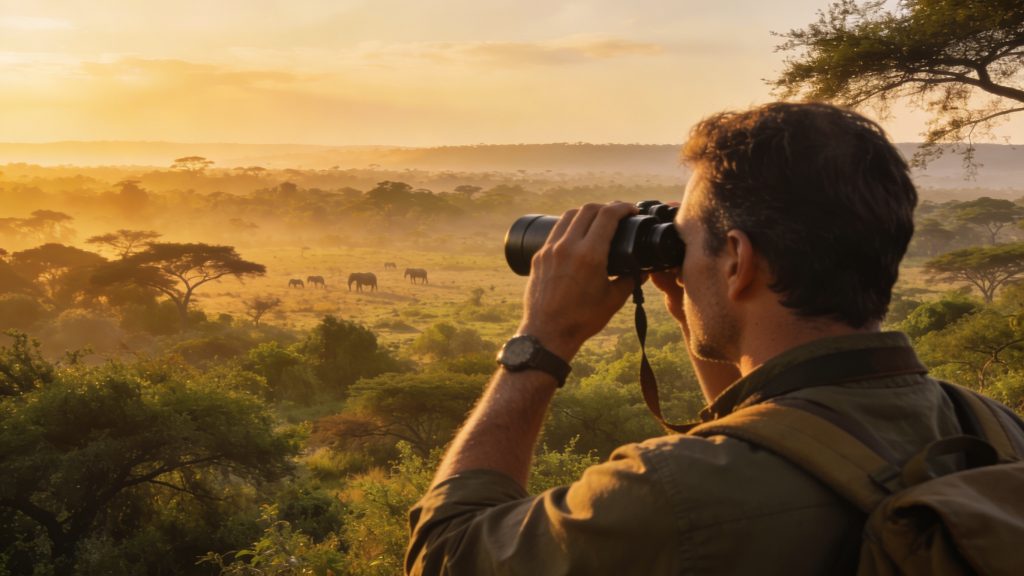
A wildlife holiday does not have to cost a fortune. By planning your trip yourself instead of booking an all-inclusive package, you can save up to 50% on your total travel budget. With smart choices for flights, accommodation and tours, you can find yourself face to face with elephants, orangutans or jaguars without completely draining your savings. Discover how to go about it.
Affordable destinations for wildlife trips
Not every wildlife destination comes with a hefty price tag. Tanzania offers impressive safari experiences in the Serengeti and Ngorongoro Crater for budget travellers who are willing to camp. It’s best to plan your trip between June and October, during the dry season when animals gather around water sources. A five to seven day safari costs between 300 and 600 euros per person, including guide, 4×4 vehicle and campsites.
Malaysian Borneo is ideal if you want to spot orangutans, hornbills and pygmy elephants along the Kinabatangan River. Book locally with river lodges for day tours and combine this with cheap bus travel between destinations. A three to four day package with boat trips and walks costs between 100 and 200 euros, including simple bungalows. The best period is between March and September, when there is less rain.
South American rainforests such as Puerto Maldonado in Peru or the Cuyabeno Reserve in Ecuador offer Amazon wildlife at backpacker prices. For 200 to 400 euros you can book a four-day stay in a lodge with organised tours. The best time to travel is between May and October. South Africa (Kruger self-drive), Kenya and Costa Rica also offer affordable options for wildlife holidays.
‘ Low-cost carriers and multi-city tickets save you between 200 and 500 euros compared with direct flights. ’
How to keep flights affordable
Airline tickets often make up the largest part of your budget. Book separate tickets to hub cities such as Arusha for Tanzania, Kota Kinabalu for Borneo or Lima for Peru. Low-cost carriers and multi-city tickets save you between 200 and 500 euros compared with direct flights. Preferably fly midweek. Use your browser’s incognito mode to avoid price differences caused by cookies.
Travel in the shoulder season such as May, June or October for lower airfares and fewer crowds in the parks. Use filters on booking sites for seasonal prices and set up price alerts. Departing from different European airports can save you hundreds of euros, especially with budget airlines.
Local tours versus self-drive
In most wildlife areas such as Tanzania and Kenya, a certified guide is mandatory. Avoid Western tour operators and book locally with providers in cities such as Arusha. Negotiate prices, especially for group tours with three to six people where you share the vehicle costs. Platforms such as SafariBookings help you compare reviews and prices.
Self-drive is only feasible in South Africa. You are allowed to explore Kruger National Park independently. Hire a 4×4 for around 50 euros per day and pay 20 euros entrance per day. This is considerably cheaper than guided tours, but you have to navigate and track wildlife yourself without the expertise of a guide.
For a five-day safari in Tanzania you pay the following at a local agency:
- Solo traveller: 600-800 euros
- Group of four people: 300-400 euros per person
- Group of six people: 250-350 euros per person
Accommodation on a budget
Camping in the bush is the cheapest option. It puts you right in the middle of nature. Public campsites in Tanzanian parks cost between 10 and 30 euros per night per person. At night you hear wild animals and sleep in dome tents. These are often provided by the tour operator. Basic hostels and lodges near parks cost between 20 and 50 euros per night and sometimes offer package deals including tours.
Glamping is a mid-range option with more comfort such as beds, swimming pools and better facilities for 50 to 100 euros per night. This is still affordable compared with luxury safari lodges that cost 300 euros or more per night. Book accommodation directly with local providers for the best prices.
‘ They often fall outside a strict budget. ’
Park entrance fees and permits
Entrance fees for national parks vary widely per destination. In Tanzania you pay between 20 and 50 euros per day for access to parks such as the Serengeti and Ngorongoro. South Africa charges around 20 euros per day for Kruger Park. Some parks such as Ngorongoro have additional conservation fees on top of the entrance fee.
Access permits for specific activities such as gorilla trekking in Uganda are considerably more expensive. These permits give you permission to take part in these special activities. They often fall outside a strict budget. Check official park websites in advance for up-to-date prices, as these change regularly. Budget at least 100 to 200 euros for entrance fees during a week of wildlife travel.
Transport between destinations
Local buses are the cheapest way to travel between cities. In Tanzania a bus ride between Arusha and Moshi costs 2 to 5 euros. Share taxis to park entrances with other travellers or arrange transfers with your safari operator as part of the package. Shuttle services are slightly more expensive but more comfortable than public buses.
In South America backpackers (independent travellers on a limited budget) often travel by night buses or local flights between jungle lodges and cities. Compare prices between different transport options and book in advance where possible for discounts.
Visa and vaccinations
Tanzania offers a visa on arrival for 50 euros. Other countries such as Kenya and Uganda have similar arrangements. Check the current visa requirements on your foreign ministry’s website. Do this at least eight weeks in advance. Some visas can be applied for online, which saves waiting times on arrival.
For most wildlife destinations, vaccinations against yellow fever, hepatitis A and malaria protection are mandatory or strongly recommended. Malaria protection means taking tablets that prevent a malaria infection. Malaria tablets cost about 20 euros from the public health service. Schedule your vaccination appointment at least six weeks before departure. Some vaccinations only become fully effective after several weeks. Travel insurance with cancellation cover costs 30 to 50 euros for two weeks.
‘ All-inclusive package trips with Western operators often cost twice as much. ’
Overview of total costs per person
For a wildlife trip of ten to fourteen days, you should count on the following budget:
| Category | Budget (euros) | Mid-range (euros) |
|---|---|---|
| Return flight from the Netherlands | 500-800 | 700-1000 |
| Safari or tours (5-7 days) | 300-500 | 500-800 |
| Accommodation | 150-300 | 300-500 |
| Food and local transport | 200-300 | 300-400 |
| Entrance fees and visa | 100-200 | 150-250 |
| Total | 1250-2100 | 1950-2950 |
With a strict budget you can stay under 1500 euros. Camp, eat locally and travel in the shoulder season. Mid-range travellers who want a bit more comfort pay between 2000 and 3000 euros. All-inclusive package trips with Western operators often cost twice as much.
Practical money-saving tips
Travel with a group of four to six people to share vehicle and guide costs. This halves the cost per person compared with travelling solo. Travelling alone? Join last-minute groups in places such as Arusha. Local agencies regularly add individual travellers to existing groups.
Eat at local restaurants and food stalls for around 5 euros per meal instead of at tourist lodges. Buy snacks and water at supermarkets before entering the parks, as prices inside the parks are considerably higher. Apps such as iOverlander show free campsites. ParkFees apps provide up-to-date entrance prices.
Book early for the best rates, but stay flexible with your travel dates. Some operators offer last-minute discounts. These discounts are available for tours that are not yet fully booked. Always negotiate prices politely with local providers, especially outside the high season.
Spotting wildlife without disappointment
The best times for wildlife are early in the morning between 6 and 9 am and late in the afternoon from 4 pm onwards. Animals are most active then and temperatures are more bearable. Take binoculars and don’t expect to see all the animals in a single day. Patience is needed, because wildlife is never guaranteed.
Choose experienced guides with certification such as TANAPA in Tanzania. TANAPA stands for Tanzania National Parks Authority and is the official certification for guides in Tanzanian national parks. They know the migration patterns. They know where animals have recently been spotted. Never walk alone in wildlife areas and always follow your guide’s instructions. Respect minimum distances from animals and stay in the vehicle where this is mandatory.
‘ Good travel insurance covers medical evacuation. ’
Safety and health on the road
Take DEET mosquito repellent with at least 30% concentration to protect against malaria mosquitoes. Wear long sleeves and trousers during dusk and night-time hours. Drink only filtered or bottled water and avoid raw food where hygiene is questionable. Take a first-aid kit with painkillers, plasters and stomach remedies.
Store valuables safely in your accommodation and avoid wearing eye-catching jewellery. Use official taxis and avoid walking around alone late at night in cities. Share your travel itinerary with someone at home and check in regularly. Good travel insurance covers medical evacuation. This is important in remote areas.
Discover more on Traveller Tips
On the Traveller Tips website you’ll find extensive information about different travel destinations, practical preparation and smart planning tips for your next trip. Whether you’re looking for routes through Europe, information about camping or tips for train journeys, there is much more to discover. Explore the website and plan your next trip with reliable, in-depth information.
Frequently asked questions
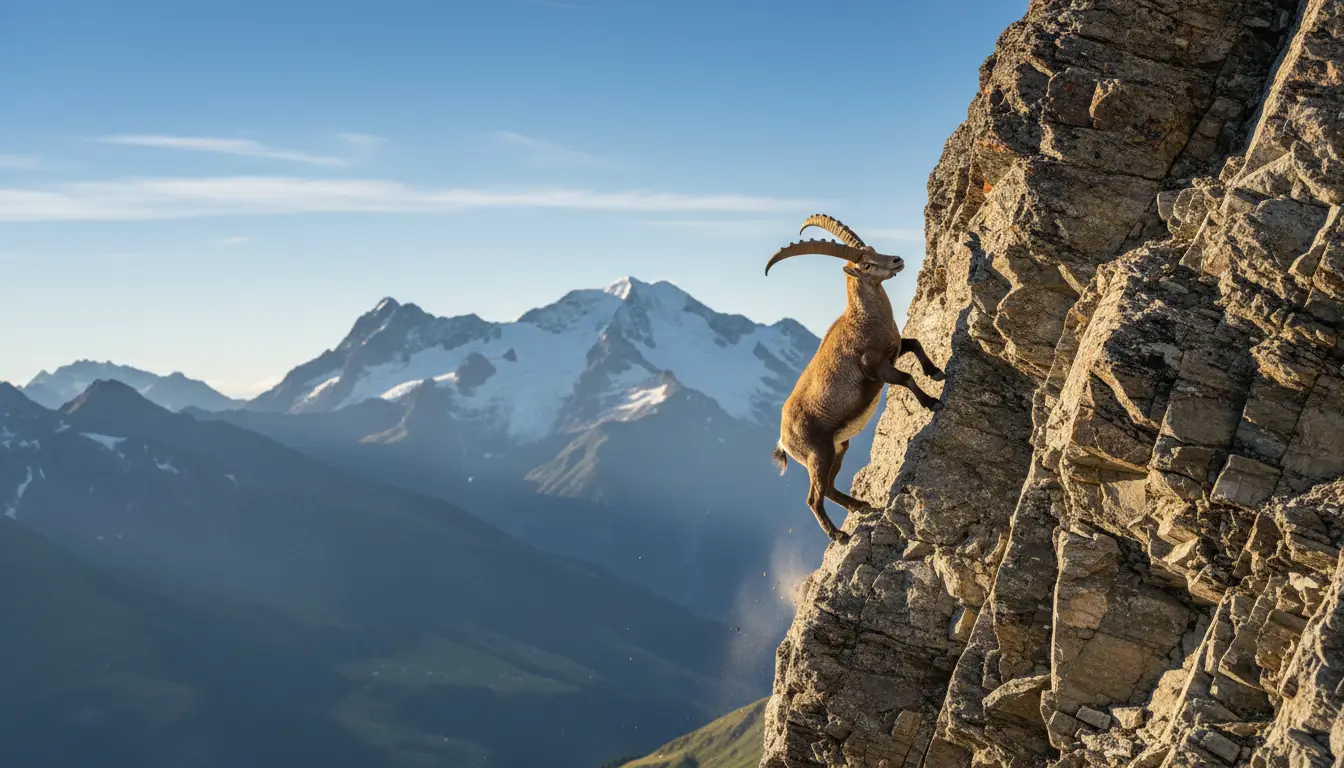
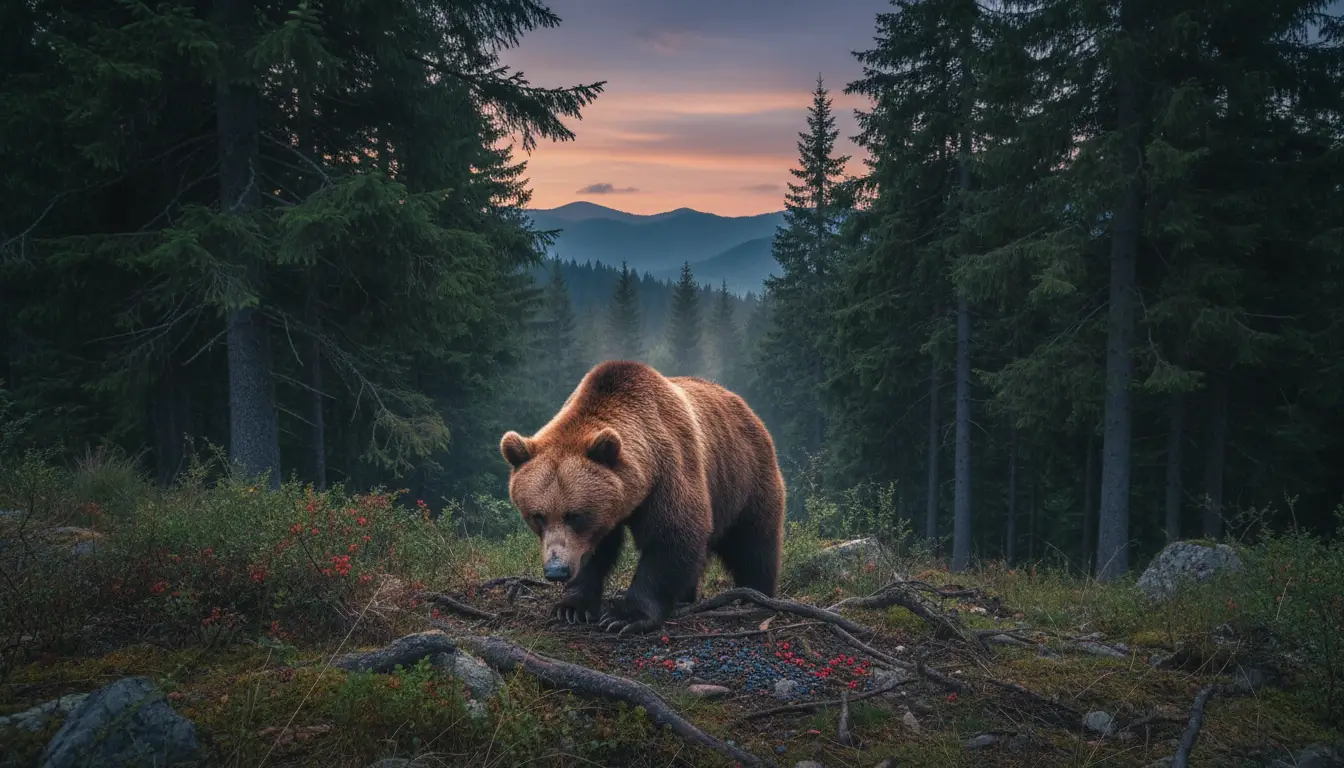
Budget-friendly, self-organised wildlife holidays by car or train are especially doable in Europe. Think of Sweden (elk and bears), Finland (bears and wolves) and Poland (Białowieża Forest with bison), which can be reached by car or partly by train. The French Alps and Pyrenees (ibex, vultures) and the Carpathians in Romania (bears, wolves) are also popular options. Choose campsites or simple cabins and use local trains/buses for the final stretches to keep costs down.
First decide on your total daily budget (including transport, accommodation, park entrance and food) and then choose a destination and period in the shoulder season, when prices are lower and it’s less crowded. Compare train and bus fares with car hire: train/bus is often cheaper and more comfortable, while for a road trip you can cut costs by sharing a small hire car and staying outside the parks. Book simple lodges, hostels or campsites close to wildlife areas and reserve excursions or safaris with local providers instead of Western tour operators. Track your spending with a daily expenses app so you can adjust on the spot if you are at risk of going over budget.
Yes, join local group safaris or day tours instead of Western tour operators; this way you share guide and vehicle costs. Choose self-drive in parks where it is allowed (such as Kruger) and use apps like iOverlander for cheap or free campsites. Arrange park access on the spot or via official park websites to avoid commissions, and travel in the shoulder season for lower fees. Book simple campsites or basic lodges just outside the park instead of expensive lodges inside the park.
Prepare thoroughly with up-to-date information about visas, vaccinations, malaria prophylaxis, travel insurance (including medical cover in remote areas) and local safety rules in the parks. Pack at least a first-aid kit, strong torch or headlamp, binoculars, power bank, sun protection, rain protection, mosquito repellent (DEET), good walking shoes and enough water bottles or filters. Choose certified local guides/organisations, never walk alone outside designated paths and plan wildlife activities mainly in the early morning and late afternoon. Finally, put some cash, copies of documents and a dry bag or waterproof cover in your daypack for emergencies.