 NL
NL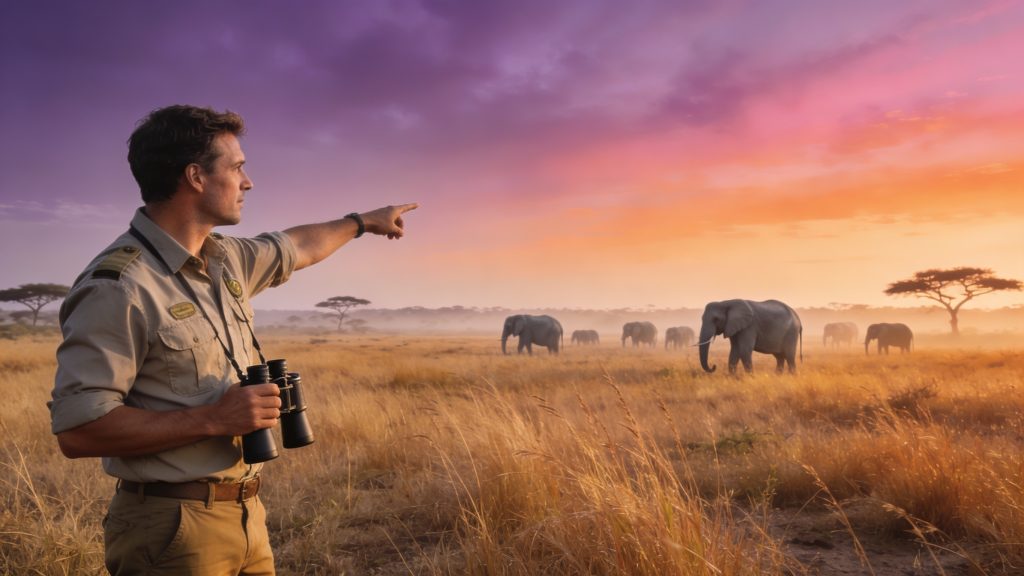
A professional wildlife guide is what makes the difference between an ordinary safari and an unforgettable nature experience. The right guide recognises animal behaviour, knows the best spotting locations and significantly increases your chances of special sightings. For travellers who plan wildlife holidays themselves, choosing between local and international guides, checking certifications and finding reliable booking platforms is an important part of the preparation. Discover how to find and book the most suitable guide.
Why you need a professional wildlife guide
A wildlife guide does a lot: they transport you to natural areas, explain animal behaviour, read tracks and know which habitats offer the best chance of sightings. On a safari in Africa or a trek through Asia, the knowledge of your guide directly determines the quality of your experience.
In addition, a good guide looks after your safety. Wildlife spotting involves risks, especially in areas with large predators or dangerous animals. A professional guide knows how to keep a safe distance and how you should behave in unexpected situations. On group trips the guide often also acts as interpreter and coordinator.
What’s more, a local guide contributes to sustainable tourism. By booking locally, you support direct employment in natural areas and help to preserve local knowledge about wildlife.
Local versus international wildlife guides
When booking a wildlife guide you broadly have two options: local guides and international tour operators with their own guides. Both have pros and cons.
Advantages of local guides
Local guides often know their area extremely well. They know where animals tend to be, recognise individual animals and understand seasonal patterns. In countries such as Botswana, Uganda or Zimbabwe, local guides often work in the same park or reserve for many years.
Local guides are also often cheaper than international packages. You book directly and do not pay additional fees to tour operators. This makes safaris more accessible for travellers with a more limited budget.
- In-depth knowledge of specific areas and wildlife
- Direct connection with local communities and projects
- Lower costs thanks to direct booking
- Flexibility in planning and routes
Disadvantages and risks of local guides
Not all local guides have official certification. Some guides operate without a licence, which can lead to safety issues. Quality can also vary greatly, especially in areas without strict regulation.
Language barriers can be challenging. Not all local guides speak fluent English or other languages. This can make communication difficult, particularly when it comes to technical explanations of animal behaviour or regulations in protected areas.
International tour operators with their own guides
International tour operators often offer all-in packages with certified guides. These guides have usually undergone extensive training and speak several languages. The company arranges transport, accommodation and permits, which makes planning easier for travellers.
The downside is the higher price. International operators pass on their margins and organisational costs. These trips are also often less flexible, with fixed groups and pre-set routes.
Certifications and quality standards for wildlife guides
Certification is an important criterion when choosing a wildlife guide. Official certifications indicate that a guide has been trained in ecology, safety and ethical wildlife tourism.
In southern Africa, certifications such as FGASA (Field Guides Association of Southern Africa) are a common standard. This certification requires extensive knowledge of flora, fauna, ecology and behaviour. Guides with FGASA certification are allowed to work in many national parks in South Africa, Botswana and Mozambique.
In East Africa, such as Tanzania and Kenya, national park authorities have their own certification systems. Check whether your guide has a licence from the local wildlife authority. In Asia and South America, the requirements vary per country and per nature reserve.
What to check for in certifications
- Ask for the certification number and the issuing organisation
- Check whether the certification is valid for the specific area you are visiting
- Check online whether the organisation issuing the certification is reliable
- Ask about additional specialisations, such as birdwatching or night safaris
Be aware that some guides do have experience but no official certification. In remote areas with little tourism this is not always a sign of poor quality, but do ask for references or contact details of previous clients.
Reviews and experiences from other travellers
Reviews are a valuable tool when assessing wildlife guides. Platforms such as TripAdvisor, Google Reviews and specialised safari forums provide insight into previous experiences.
When reading reviews, pay attention to specific details. General, glowing comments are less useful than concrete descriptions of knowledge, behaviour and organisation. Check whether reviewers mention how the guide dealt with unexpected situations, such as bad weather or disappointing sightings.
Be critical of extremely positive or negative reviews. Some tour operators post fake reviews. Look for reviews with photos, details of the route and concrete examples. Reviews that mention the guide by name are often more reliable.
Where to find reliable reviews
- TripAdvisor for safari operators and specific guides
- SafariBookings.com, a platform with verified customer reviews
- Facebook groups and forums about specific destinations
- YouTube for video experiences and vlogs from travellers
Also ask the guide or operator directly for references. Reliable professionals are happy to share contact details of previous clients.
How to book a local guide for a safari
Booking a local guide requires more research than booking via an international operator, but often provides a more personal experience. Start with online platforms that connect local guides with travellers.
Platforms such as SafariBookings, GetYourGuide and Viator offer filters for local operators and guides. These platforms show certifications, prices and reviews. Be aware that some platforms charge commission, which affects the final price.
An alternative is to make direct contact via social media or websites of local guides. Many guides in Africa and Asia have their own Facebook pages or Instagram accounts. This allows direct communication and saves commission costs.
Steps for booking a local guide
- Search for guides via platforms or social media and make a shortlist
- Check certifications and ask about licences
- Read reviews and ask for references from previous clients
- Get in touch and ask specific questions about the route, duration and included services
- Request a detailed quote with all costs and any extras
- Discuss payment terms and cancellation policy
- Confirm the booking in writing and keep all correspondence
Never pay the full amount in advance. A deposit of 20 to 50 per cent is common. Pay the remainder after the safari or at the start of the trip. Use reliable payment methods such as PayPal or bank transfers with transaction confirmation.
Important questions to ask before you book
Before you make a final booking, it is sensible to ask your guide or operator targeted questions. This prevents misunderstandings and ensures that you get exactly what you expect.
Ask about the maximum group size. Smaller groups provide a more intimate experience and better chances of sightings. In larger groups there is more waiting time and less flexibility.
Enquire about the vehicles used. For safaris in Africa, open 4×4 vehicles are ideal for photography and visibility. Check whether the vehicles are well maintained and whether spare parts and communication equipment are available.
Discuss expectations about sightings. No guide can guarantee specific animals, but a good guide will give a realistic picture of what you can expect based on the season and area.
Practical questions
- Which permits are included in the price
- Are food and water included during the safari
- What does a typical day look like in terms of schedule and activities
- What is the cancellation policy in case of bad weather or personal circumstances
- Which safety procedures are in place for emergencies
- Are there extra costs for photography stops or longer drives
Booking platforms for wildlife guides and safaris
In addition to booking directly, there are several platforms that offer wildlife guides and safari operators. Each platform has its own characteristics and suitability.
SafariBookings specialises in Africa and offers extensive filters based on price, certification, region and type of safari. The platform only shows verified operators and has a user-friendly review system. Bookings are made directly with the operator; the platform does not charge extra fees.
GetYourGuide and Viator focus on shorter wildlife activities and day trips. These platforms are suitable for travellers who do not want a multi-day safari, but are looking for organised wildlife excursions. They do charge service fees, which increase the final price.
For specialised treks in Asia or South America, platforms such as Bookmundi and TourRadar are useful. These also list small-scale operators that are not present on the larger platforms.
Pros and cons of booking platforms
Platforms offer security through reviews, secure payment methods and customer service if problems arise. They make it easy to compare options and present all information clearly. The disadvantage is that some platforms charge commission, which makes the price higher than with direct booking.
With direct booking you have more control and often lower costs, but less protection in the event of disputes or cancellations. Choose based on your own comfort level and experience with online booking.
‘ In peak season, such as the Great Migration in the Serengeti or the dry winter in southern Africa, good guides are fully booked quickly. ’
Timing and seasons when booking wildlife guides
The season affects not only your chances of sightings, but also the availability and price of guides. In peak season, such as the Great Migration in the Serengeti or the dry winter in southern Africa, good guides are fully booked quickly.
Book at least three to six months in advance for popular destinations and seasons. For lesser-known areas or low season, booking four to eight weeks ahead may be sufficient. Take local public holidays and school holidays into account, as these increase visitor numbers.
Low season sometimes offers advantages. Prices are lower, groups are smaller and guides have more time for personal attention. However, some areas may be inaccessible due to rain or closed roads.
Discover more useful tips on Traveler Tips
Finding and booking a good wildlife guide takes preparation, but with the right information you can make a well-considered choice. Certifications, reviews and clear agreements ensure a safe and rewarding experience during your safari or trek.
On the Traveler Tips website you will find extensive information about nature holidays, practical preparation tips for your trip and routes to the most beautiful wildlife destinations. Discover more articles on planning, equipment and destinations to prepare your next trip even better.
Frequently asked questions
Search via specialised nature travel forums, local conservation organisations or lodges for recommended wildlife guides and pay attention to recent, detailed reviews of individual guides, not just of the company. Check whether the guide is officially certified (for example via local guiding associations or parks) and has experience with self-drive or tailor-made road trips in your region. Contact them in advance to discuss your route, interests (photography, birds, large mammals) and pace, and ask for an outline day plan. Compare at least two or three options for price, group size and style of communication, and choose the one with whom you have the clearest and smoothest contact.
It is important to have a guide with a clear regional focus on the area you are visiting and with concise information that is useful in the field. Choose someone (or a guidebook / guide product) with rich illustrations and explanations of behaviour, habitats and identification features, suited to your level of knowledge. Particularly valuable are practical travel tips and seasonal observation advice, so that you go to the right places at the right times. Real-life experiences, such as anecdotes and routes recommended by other travellers, often make the experience more personal and memorable.
Pay attention to what exactly is included in the price (excursions, entrance fees, transport, tips) and ask about any hidden or variable costs. Check the maximum group size, whether it is a private or shared tour and how that affects the experience. Read the cancellation policy carefully: deadlines, refund percentages, no-show rules and what happens in case of bad weather or too few participants. Finally, check the qualifications and experience of the guide and look for independent reviews to minimise the risk of unpleasant surprises.
Choose a guide or organisation that is transparent about their working methods, for example by showing codes of conduct, certifications or membership of recognised nature or ecotourism organisations. Check whether they enforce strict distance rules, do not feed or lure animals, limit group sizes and never touch or disturb wildlife. Read independent reviews on several platforms and pay particular attention to comments about animal welfare, environmental impact and respect for local communities. Avoid providers who promote close-up selfies, petting, rides on animals or shows with wild animals.
First plan your general travel pace and rest days, and schedule the wildlife tour with a guide for a time when you are already nearby and do not need to make a long journey on the same day. Choose a tour duration (half or full day) that suits your own travel pace and keep the following day largely free so that you remain flexible in case of bad weather or travel delays. Integrate the tour into your self-organised itinerary by linking the departure and end point of the excursion to your own accommodation location(s), keeping the logistics simple. Preferably book a guide who will go through your route and interests with you in advance so that he or she can tailor the tour to your pace and plans.