 NL
NL
Emerging nature destinations offer authentic experiences without the crowds of tourists that characterise popular national parks. By wildlife we mean animal species in their natural environment. From whale sharks near Holbox to special species in Madagascar. These places combine rare wildlife sightings with peaceful surroundings. In addition, they offer sustainable infrastructure. Thanks to targeted investments in eco-tourism, they are becoming increasingly accessible without being overwhelmed. Discover why these destinations are worth your next trip.
Why choose lesser-known nature areas with wildlife
By lesser-known nature areas we mean destinations where you can see wild animals in their natural environment without the crowds of tourists. Mass tourism puts pressure on popular safari parks in Kenya and Tanzania. Lesser-known destinations offer similar experiences with more space and privacy. You spot animals in their natural habitat without traffic jams at waterholes or packed viewpoints. Local communities benefit directly from small-scale tourism, which contributes to nature conservation and employment.
These destinations do require more preparation. Infrastructure is often basic. Guides do not always speak English and access sometimes involves multi-day journeys. For travellers who organise wildlife holidays themselves – trips focused on observing animals in the wild – the extra effort delivers unique encounters. For example, you might see gorillas in Uganda, musk oxen in Norway or puffins on Scottish cliffs.
Sustainability is central to emerging destinations. Many parks apply strict rules on group sizes. They also place limits on length of stay. You book permits months in advance and pay higher entrance fees that go directly towards protection. This prevents overcrowding and protects vulnerable ecosystems.
‘ Cars are not allowed on the island, which creates a peaceful atmosphere. ’
Holbox as an emerging eco-tourism destination
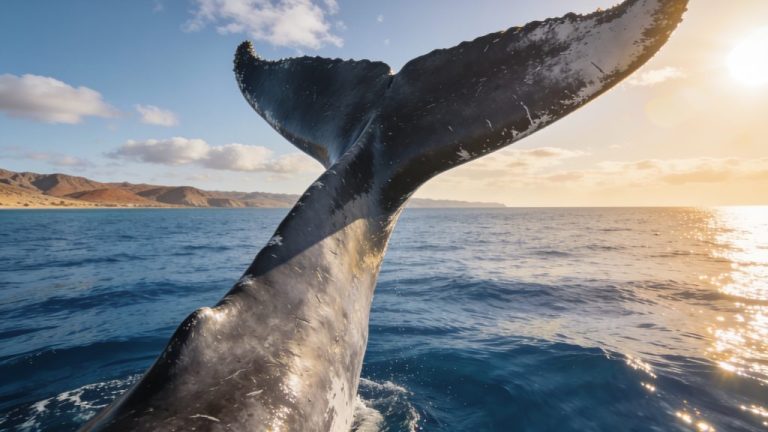
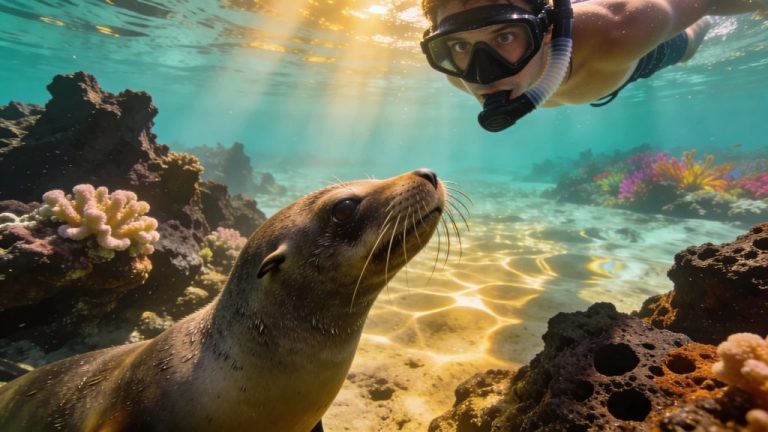
This Mexican island off the coast of Yucatán has grown into a hotspot for whale shark sightings. From May to September, hundreds of whale sharks gather in the warm waters around the island. You snorkel alongside these 10-metre-long giants, which feed on plankton and krill at the water’s surface.
Getting to Holbox requires planning. You travel via Cancún to the port town of Chiquilá and take a 30-minute ferry. Cars are not allowed on the island, which creates a peaceful atmosphere. Accommodation ranges from basic hostels to eco-lodges with solar panels and rainwater collection.
Regulations protect the whale sharks effectively. A maximum of two people are allowed to snorkel at the same time per boat, accompanied by a guide who keeps a safe distance. Touching is prohibited and boat engines are switched off near the animals. Operators with certified guides ensure your observations do not disturb them.
Hidden nature reserves in Sri Lanka
Alongside well-known parks such as Yala, Sri Lanka offers less-visited areas with diverse wildlife. Sinharaja Forest Reserve, a UNESCO World Heritage site, consists of primary rainforest with endemic birds and reptiles. You can spot Sri Lanka blue magpies and Sri Lankan tree frogs on guided walks along narrow jungle trails.
Gal Oya National Park receives few visitors but is home to Asian elephants, leopards and sloth bears. The park organises boat trips on Senanayake Samudra, a large reservoir where elephants swim between small islands. Early morning safaris offer the best chance of sightings without other groups.
The east coast around Kumana contains deserted lagoons with waterbirds and crocodiles. Travelling to this region requires flexibility: roads are unpaved and accommodation is scarce. Local guides from nearby villages know the seasonal migration routes and behaviour patterns of the animals.
Madagascar as a unique wildlife island
This island to the east of Africa is home to species found nowhere else. More than 90 per cent of its wildlife is endemic, from lemurs to chameleons. Tsingy de Bemaraha, a national park with razor-sharp limestone formations, provides habitat for fossas and crowned lemurs among its maze-like rock pinnacles.
Nosy Be and the surrounding islands attract sea turtles that nest on quiet beaches. From November to March, hawksbill and green turtles lay eggs along untouched coastlines. A few lodges organise night walks where you can observe egg-laying, accompanied by biologists.
Reaching remote parks requires logistical preparation. Domestic flights are expensive and irregular. Roads are barely passable, especially during the rainy season. A 4×4 with a local driver is often essential. Staying in basic bungalows or campsites without electricity is part of the experience.
‘ In doing so, they do not damage natural values. ’
Sustainable development of infrastructure
Emerging destinations invest in accessibility, without damaging natural values in the process. Montenegro has developed hiking routes in Durmitor National Park with marked trails and information boards about bears and wolves. Campsites apply strict waste separation and restrictions on open fires.
In Namibia, waterholes at Etosha National Park make self-drive safaris easier. You hire a 4×4 and campsites near drinking spots where lions, rhinos and zebras gather in the evenings. Rest camps offer basic facilities with a minimal ecological footprint.
Brazil protects Cristalino State Park by strictly limiting visitor numbers. Only guests of the specialist lodge have access to 50-metre-high observation towers. Birdwatchers can see toucans, araçaris and owls without the disturbance of popular parks in the Pantanal.
Practical tips for authentic wildlife experiences
By wildlife experiences we mean observing animals in their natural environment in a way that is respectful towards nature. Preparation determines the success of your trip to lesser-known areas. Book permits and accommodation at least three months in advance. Gorilla trekking in Bwindi Impenetrable Forest requires a permit, an entry ticket for the area. This costs 700 euros per person. Daily availability is limited.
Choose operators that can show sustainability certifications. Ask about group sizes, minimum distances to animals and contributions to conservation. Local guides know territories and behaviour, allowing you to spot animals without disturbing them. They identify tracks, sounds and seasonal patterns that you would otherwise miss.
Pack equipment specifically for wildlife observation:
- Binoculars with at least 8x magnification for birds and large mammals at a distance
- Power bank for cameras and phones where there are no daily charging options
- DEET mosquito repellent with at least 30 per cent active ingredient for malaria areas
- Rain jacket and waterproof rucksack for tropical parks with sudden downpours
- Sturdy hiking boots with ankle support for uneven terrain
Check travel advice and vaccinations via official bodies. Yellow fever, malaria prophylaxis – medicines that prevent malaria – and rabies vaccination are often compulsory. This applies to African and South American destinations. Take copies of insurance documents and emergency contacts with you to areas without mobile coverage.
Best travel seasons for emerging destinations
Seasons determine the quality of wildlife sightings. In dry periods, animals gather around water sources, which makes spotting easier. Montenegro and Greece have optimal conditions from June to September, with accessible mountain trails and active wildlife.
Tropical areas such as Madagascar and Brazil are best visited in the dry seasons, from May to November. Roads remain passable and insect activity is limited. Wet months bring mud, closed trails and less visible animals that retreat into dense vegetation.
Migrations and breeding cycles require specific timing. Whale sharks near Holbox only appear from May to September. Sea turtles nest in Madagascar from November to March. Plan your trip around these natural cycles for more reliable sightings.
‘ Choose accommodation that involves local communities. ’
How to support sustainable tourism
Conscious choices protect fragile ecosystems. Always maintain minimum distances from animals. Keep 25 metres away from large mammals. Stay at least 5 metres from birds. Silence prevents stress and flight behaviour. Stay on marked trails to limit erosion and habitat disturbance.
Leave No Trace principles apply strictly in remote parks. These are behavioural rules designed to ensure you do not leave traces in nature. Take all your rubbish with you, including organic waste that can disrupt local ecosystems. Use biodegradable soap in rivers and lakes. Campfires are often banned due to the risk of forest fires and air pollution.
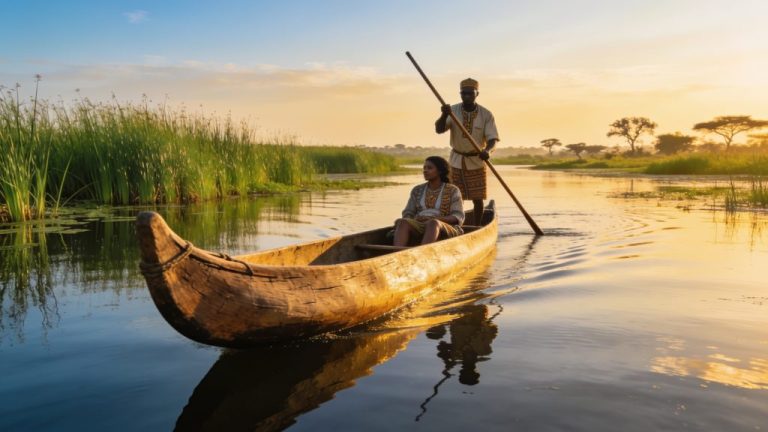
Choose accommodation that involves local communities. Community-run lodges are places to stay that are managed by local people. They invest income in education, healthcare and conservation. You pay guides and guesthouses directly, without international chains taking a share of the profits. This model strengthens local support for nature conservation.
Budget planning for lesser-known destinations
Allow for 100 to 300 euros per day, depending on the destination. Permits, guides and specialist tours account for a large part of the budget. Gorilla trekking costs 700 euros, whale shark snorkelling 80 to 120 euros per excursion. Accommodation in remote areas is more expensive due to limited supply and transport costs.
Transport is a major expense. Domestic flights in Madagascar cost 150 to 300 euros per leg. Hiring a 4×4 with driver in Namibia starts at 100 euros per day. Ferry crossings to islands such as Holbox remain affordable at 10 to 15 euros per crossing.
Save money by sharing accommodation and preparing your own meals where possible. Campsites in Norway and Montenegro cost 15 to 30 euros per night. Self-drive safaris in Namibia eliminate guide fees, provided you have experience with unpaved roads and navigation without GPS coverage.
On the Traveler Tips website you will find extensive information on travel preparation, route planning and practical tips for nature destinations worldwide. Discover more about visa requirements, insurance and sights that complete your self-planned trip.
Frequently asked questions
Durmitor National Park in Montenegro offers bear trails and red deer in rugged mountains and is easily accessible by car. The Vikos Gorge in Greece’s Zagori region combines deep gorges, otters and birds of prey, reachable by hire car from Ioannina. In Norway, Rondane and Dovrefjell are lesser-known parks where you can spot reindeer and musk oxen, both very accessible by train and bus/car. The Isle of Skye in Scotland is easily reached by train and bus (via Glasgow/Fort William) and offers seals, otters, puffins and sea eagles.
The best time to travel for wildlife observation in these places is generally the dry season: in Europe roughly May–October, in Africa and parts of the tropics mainly June–November, because animals are then concentrated around water sources and trails are easier to use. Essential preparations include sturdy walking boots, binoculars and protective clothing against sun, cold and insects. In addition, good travel vaccinations, a basic first-aid kit, and enough water and snacks are crucial, especially in remote areas. For specific parks it is important to book permits and, if needed, local guides well in advance.
In these destinations you will often find small-scale, comfortable guesthouses, mountain huts and eco-lodges, such as stone guesthouses in the Vikos Gorge, DNT huts in Norway and basic but atmospheric lodges at Tsingy de Bemaraha and in the Amazon. To get the most out of your trip, it is advisable to hire local guides or eco-operators, for example compulsory guides for circuits in Tsingy, musk ox excursions in Dovrefjell and 4×4 guides on Socotra. In many areas (such as Bwindi and Cristalino) specialised lodges routinely work with experienced nature guides who know the local wildlife well. Ideally, choose small group sizes and local providers with a focus on sustainability to combine comfort with conservation.
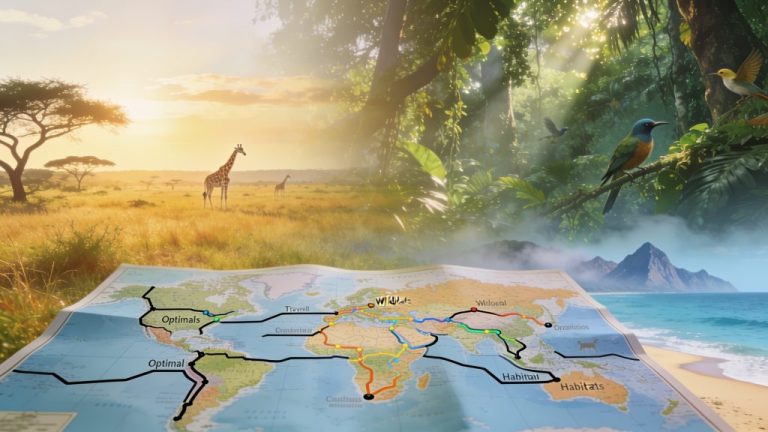
Yes, in Europe you can, for example, plan a smart road trip or rail journey that links Durmitor (Montenegro), the Vikos Gorge (Greece) and then, via the Balkans, on to Rondane and Dovrefjell in Norway; all relatively quiet wildlife areas. With trains and regional hire cars you can string national parks together and combine hikes, wildlife watching and local villages in one long route. In Africa, a logical self-drive wildlife road trip might be to combine Etosha in Namibia with other, lesser-known Namibian parks and possibly continue on to Botswana. In South America you can create a route within Brazil around the Cristalino State Park and other Amazon regions, using domestic flights and riverboats as connecting “stages”.
Always respect animals and their habitat by keeping sufficient distance, not using sounds or food to lure them and never influencing their behaviour just to get a better photo. Stay on marked trails and avoid nesting sites or sensitive areas, even if it seems no one is checking. Choose local, small-scale guides or eco-operators who work with small groups and enforce clear rules on distance, feeding times and maximum visit times. Leave no trace: take all your rubbish with you, use environmentally friendly personal care products and limit disturbance from bright lights, drones and noise at night.