NL
NL
Snorkelling around the Galapagos Islands offers one of the most remarkable wildlife experiences in the world. You swim here alongside sea lions, sea turtles, reef sharks and marine iguanas. The animals are not shy. The archipelago has protected status and an exceptionally high concentration of endemic species. You see animals here that occur nowhere else. Snorkelling remains accessible even for travellers who plan their own route. For anyone seeking an intense nature experience, this is a destination that exceeds every expectation.
The unique combination of tropical and temperate waters creates huge variety in marine life. You can spot it relatively close to shore. Many islands offer easy access to snorkel sites. You do not need diving experience. Yet you can still find yourself face to face with rays, sharks and colourful reef fish. Thanks to island-hopping routes by boat or kayak you can combine different habitats and species. You see rocky outcrops with blue-footed boobies. In shallow bays, sea lions circle you curiously. This trip fits perfectly within wildlife holidays. You handle the planning yourself. You set the pace.
Which animals do you see while snorkelling in the Galapagos?
The Galapagos Islands are known for their high concentration of species that you will not encounter anywhere else in the wild. When snorkelling, sea lions are your most reliable companions. They often swim right past you. They dive and twist around you playfully. Sea turtles are common at snorkel sites, especially in shallow bays where they graze on seagrass and algae.
Marine iguanas are characteristic of the Galapagos and are seen on almost all the islands. These iguanas dive from the rocks into the water. They forage on algae. You regularly see them swimming close to the shore. Reef sharks, rays and sometimes hammerheads are mainly spotted at deeper snorkel sites such as Kicker Rock. At some locations you may also see Galapagos penguins, dolphins or blue-footed boobies, depending on the island and the season.
The animals you see vary by location and time of year. Between June and November, the chance of spectacular marine life is greatest at certain snorkel sites. Other bays are suitable year-round for encounters with sea lions and turtles. Combining different islands via an island-hopping route increases your chances of seeing a wide range of species.
‘ It is known as one of the best snorkelling locations in the entire archipelago. ’
Best snorkel sites by island
Not every island in the Galapagos offers the same snorkelling experience. The route you choose determines which species you will encounter. Your route also determines how accessible the snorkel sites are.
San Cristóbal
Travellers often mention San Cristóbal as an excellent base for snorkelling and wildlife watching. Here you have a chance of seeing sea lions, sea turtles, hammerhead sharks and in some cases even orcas. The infrastructure is well developed. It is easy to book tours independently. You can combine snorkel excursions with island-hopping routes.
Kicker Rock
Kicker Rock is an impressive rock formation off the coast of San Cristóbal. It is known as one of the best snorkelling locations in the entire archipelago. Here you regularly see reef sharks, rays and turtles. In favourable conditions you may also see hammerheads. Currents can be stronger here, which means this site requires a little more experience than sheltered bays.
Santiago and Buccaneers Cove
Santiago offers varied snorkel sites, including Buccaneers Cove. This bay is often highlighted for encounters with reef sharks, turtles and rays. The location is usually accessible via organised boat excursions or island-hopping routes using smaller vessels.
Santa Cruz and Isabela
Santa Cruz and Isabela are larger islands with multiple snorkel locations. The sites cater to different experience levels. On Isabela you often see marine iguanas, sea lions and penguins. Santa Cruz gives access to a range of bays where you can spot sea turtles and colourful reef fish. These islands are easy to combine in a self-planned route.
Snorkelling with sea lions in the Galapagos
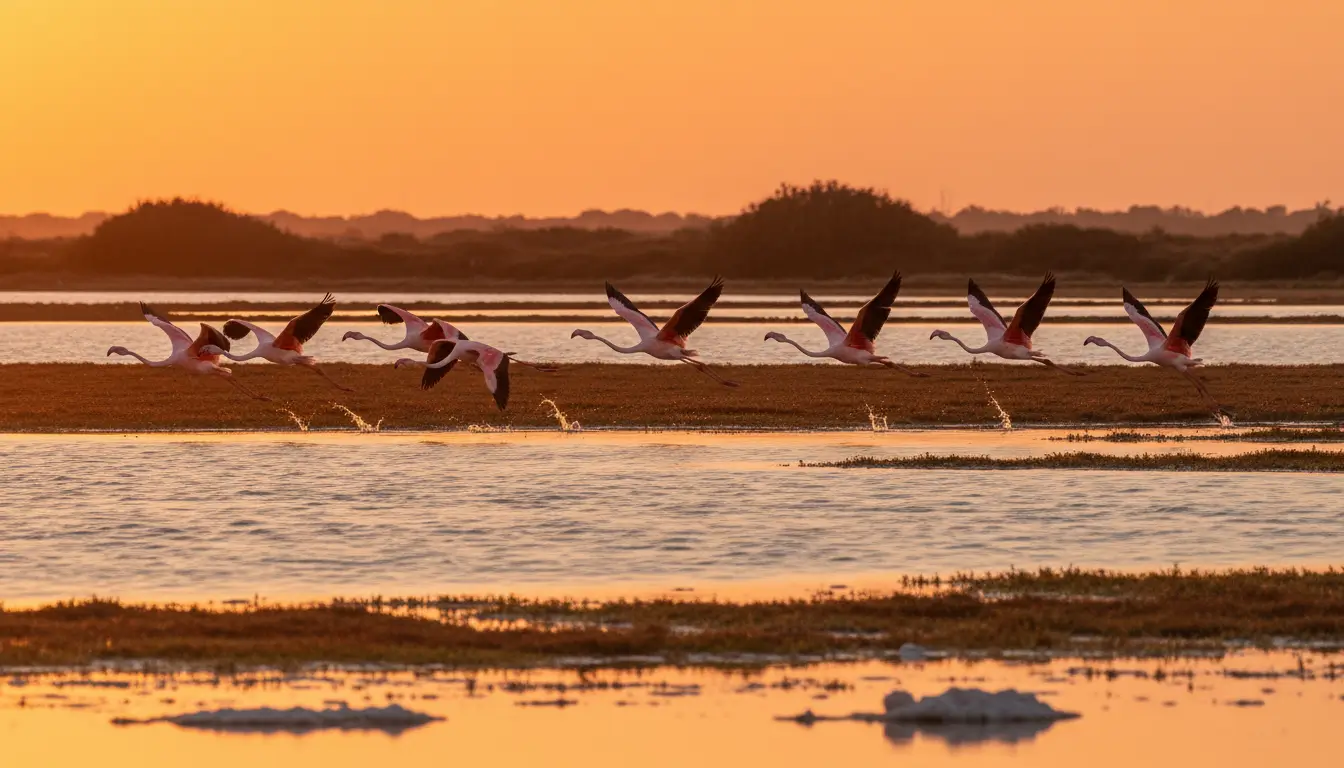
Sea lions are among the most approachable animals when snorkelling in the Galapagos. You immediately see behaviour and interaction. They are curious and playful. They often come close to snorkellers. This happens naturally. You see them on many islands, both on the beach and in the water.
Snorkelling with sea lions happens on their terms. You swim in an area where they are present. If they are interested, they will swim around you. It is important to stay calm and not chase the animals. The appeal of the Galapagos lies in seeing wild animals in their natural environment. Human behaviour should not disturb their natural patterns.
You will find sea lion colonies on various islands. Many snorkel excursions adjust their routes based on where animals are currently present. Respect distance and behaviour guidelines. The animals remain relaxed. The encounter becomes a natural experience.
Practical preparation for snorkelling in the Galapagos
Good preparation improves the quality of your snorkelling experience. The archipelago offers many possibilities. Knowledge makes the difference. Know what you need and what to look out for.
Snorkel gear and clothing
- Bring your own snorkel set.
- Check in advance whether your tour provides snorkelling gear. On cruises and organised excursions, equipment is often included.
- A wetsuit is useful if you plan to stay in the water longer. It is also handy when the water is cooler. Wetsuits can be rented locally from many operators.
- Sunscreen for use in the water must be reef-safe. Otherwise you damage the ecosystem.
Choosing snorkel sites
- Choose sheltered bays and coastal spots if you mainly want to see sea lions and turtles.
- Do you want more action and larger species such as sharks and rays? Sites like Kicker Rock are then a good choice.
- Seasonal patterns play a role. Between June and November, the chance of special species is higher at some locations.
Behaviour in the water
- Swim calmly. Avoid sudden movements. These disturb animals.
- Do not chase animals. Let them decide. They will come closer if they want to.
- Do not touch animals, corals or rocks.
- Keep a safe distance from larger animals, such as sharks and rays.
Island-hopping routes by boat or kayak
Exploring the Galapagos by island-hopping offers flexibility. You combine different habitats and species. You can choose between organised cruises, smaller boat excursions and kayak trips. The choice depends on your budget and how independently you want to travel.
A cruise offers convenience and guidance. You have snorkel stops on several islands. You receive professional explanations about flora and fauna. Prefer more control over your route? Smaller boat tours or day trips by kayak are a good alternative. Kayaking gives you access to quiet bays and shallow waters. Larger boats cannot reach these spots. You can see marine iguanas and sea lions there.
When planning your island-hopping route, you can take the following into account:
- Combine islands with different ecosystems to see a greater variety of species.
- Plan enough time on each island so you can explore snorkel sites at a relaxed pace.
- Check whether your tour offers plenty of snorkel stops.
- Ask about group size. Smaller groups usually offer a quieter and more natural experience.

Best time to snorkel in the Galapagos
The Galapagos Islands are suitable for snorkelling all year round. Conditions and how visible different species are vary by season. From December to May, the water is warmer. Visibility is often clearer. This is a popular time for travellers who want to snorkel in comfort. You do not need a thick wetsuit.
From June to November, water temperatures drop slightly because of cooler currents. This period offers greater chances of seeing larger species such as hammerheads, rays and sometimes whale sharks. The water is richer in nutrients, which attracts more marine life. Your choice depends on your preference: comfort and clear water versus more action and larger species.
Weather and currents differ locally between islands. Some snorkel sites are more affected by currents and waves than others. Stay flexible in your planning.
What makes snorkelling in the Galapagos unique?
The Galapagos archipelago stands out from other snorkel destinations. The reason is the combination of high biodiversity, endemic species and the low level of fear among wild animals. Many species you see here cannot be found anywhere else in the world. The protected status of the islands ensures that nature remains largely unspoilt. Strict regulations contribute to this.
Snorkelling in the Galapagos is accessible even for travellers without diving experience. Most snorkel sites are close to shore. They do not require special training. You can organise an intense wildlife experience under your own steam. You do not depend on specialised dive centres.
Sea lions are naturally curious. Marine iguanas graze on the seabed. Sea turtles glide past calmly. This creates a sense of connection with nature. In few other places does it feel so direct and uncontrived. The Galapagos is a destination for travellers who like to map out their own route. You will not forget this experience in a hurry.
On the Traveler Tips website you will find more information on nature holidays and wildlife destinations. You will also find practical tips for planning adventurous trips independently. Discover more routes and destinations. Preparation tips help you organise your trip better and get more out of your holiday experience.
Frequently asked questions
For turtles, reef sharks and rays, Buccaneers Cove and Kicker Rock are often mentioned as top snorkel sites. San Cristóbal is considered one of the best islands for seeing sea lions, turtles and sometimes hammerhead sharks while snorkelling. Around the inhabited islands such as San Cristóbal, Santa Cruz, Isabela and Santiago you have a high chance of encountering sea lions and marine iguanas in the water. Some sites around Kicker Rock also offer chances of seeing dolphins and penguins in the right season.
The Galapagos are great for snorkelling year-round, but for optimal snorkel conditions and lots of active marine life, the period from June to November is often recommended. In these cooler, nutrient-rich months you have a high chance of seeing sea lions, sea turtles, reef sharks, rays and sometimes penguins or dolphins.
An organised day snorkel tour from an inhabited island usually costs around €80–€150 per person, while multi-day liveaboard cruises with lots of snorkel stops often range from about €350 to €700 per person per day, depending on season and comfort level. You can save without losing too much quality by choosing a mid-range rather than a luxury ship, booking early or looking for last-minute deals, and travelling outside the absolute peak months (for example around Christmas and July/August). It can also be cheaper to book day tours from a fixed island (such as Santa Cruz or San Cristóbal) instead of a full cruise, as long as you pay close attention to the route and reviews. With cheaper options, always check group size, your guide’s licence, and what is included (snorkel gear, meals, park fees) so you can compare price and quality fairly.
Essential snorkel equipment for the Galapagos includes a well-fitting mask with snorkel, adjustable fins and preferably a (shorty) wetsuit or UV shirt to protect against cold, sun and chafing. Also consider reef-safe sunscreen, a thin lycra and possibly anti-fog solution for your mask for extra comfort. Always follow local rules: do not touch animals or coral, keep sufficient distance, do not feed animals and stay within designated snorkel zones or near your guide. Check with your tour operator in advance which equipment is included and which safety guidelines they use, so you do not end up in the water with unsuitable or poorly fitting gear.
Plan at least 4–7 days in the Galápagos, with one main island as your base (for example Santa Cruz or San Cristóbal) and organised day tours to top snorkel spots such as Kicker Rock, Buccaneers Cove or bays with sea lions and turtles. Combine snorkel days with island-hopping to, for instance, Isabela or Santiago for volcano hikes, marine iguanas, birdlife and unspoilt beaches, so you alternate between water and land activities. Book your key snorkel excursions and inter-island transfers (ferry or domestic flight) in advance, and leave some room to book extra trips locally once you hear where wildlife has recently been spotted. Finally, make sure you allow some time at the end of your trip for a relaxed beach or village day so you can process all the impressions from snorkelling and island-hopping.