NL
NL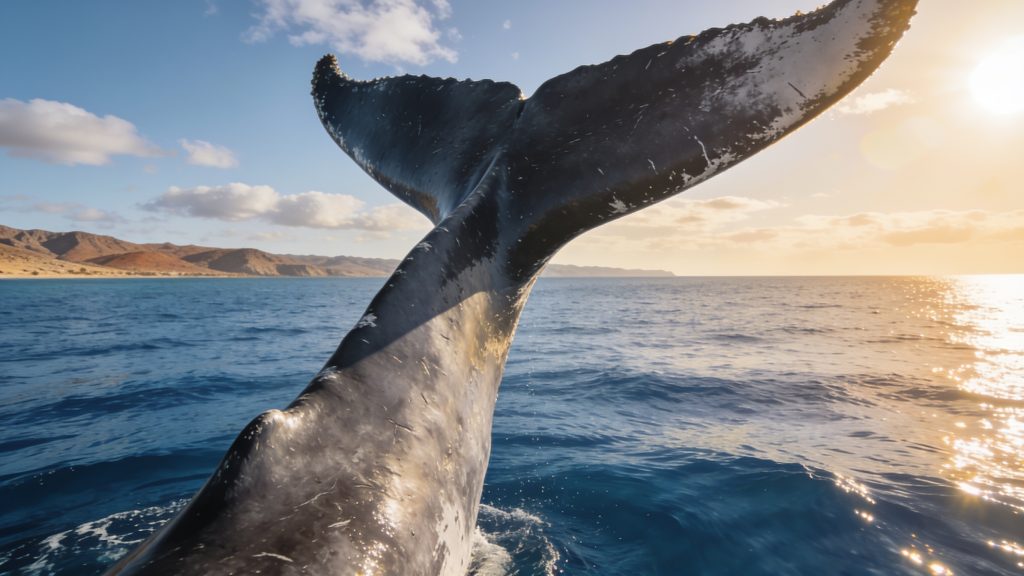
Baja California Sur offers one of the best places in the world to see grey whales and blue whales up close. From January through April, thousands of whales migrate to the protected lagoons along the Pacific coast to mate and give birth. For travellers who plan their trip independently and consciously opt for nature-based experiences, this means concrete preparation: booking early, taking remote locations into account and choosing a reliable operator. Discover below how to plan this unique wildlife experience optimally and which locations best fit your road trip through Mexico.
Why Baja California is ideal for whale watching
The lagoons and bays of Baja California Sur act as nurseries for grey whales. Every year these animals travel more than 10,000 kilometres from the cold waters of Alaska to the warm Mexican coast. In the calm lagoons, females give birth and calves grow up in safety. This pattern makes the region an international hotspot for whale watching.
Besides grey whales, you regularly see blue whales, humpbacks and fin whales in the Sea of Cortez. The best-observed period runs from February to April. The area combines accessibility with a high chance of close-up encounters. Many travellers integrate whale watching into a wildlife holiday, visiting several nature reserves and locations in Baja.
The combination of protected status, limited numbers of boats per day and strict rules ensures calm on the water. This is what sets it apart from busy whale destinations elsewhere.
‘ Capacity is limited and the most popular lodges and tours fill up quickly. ’
Best period and season for whale watching
The whale season in Baja California runs from late December through April. Most tours and lodges open in mid-December and close at the end of April. Peak months are January through March. During this period the calves are born and active in the lagoons. You then have the greatest chance of close encounters and calm viewing.
For the Sea of Cortez, the best time is February to April. Blue whales migrate later than grey whales. Those who want to see both species should choose February or March as their travel period. Bear in mind that early and late months can differ in terms of weather conditions and accommodation availability.
Book at least three to six months in advance. Capacity is limited and the most popular lodges and tours are quickly fully booked. This applies especially to San Ignacio Lagoon and the small-scale eco-operators.

Main locations and what to expect there
Ojo de Liebre Lagoon near Guerrero Negro
Ojo de Liebre Lagoon lies right by Guerrero Negro and is one of the classic grey whale areas. The lagoon is large and open. Boat trips depart from the shore and usually last two to three hours. You regularly see mothers with calves here and playful young whales that come close to the boats.
Guerrero Negro is easily accessible via the transpeninsular highway and offers accommodation in various price ranges. This makes it an accessible first stop for travellers who combine whale watching with a road trip. Do expect the surroundings to be austere, with few facilities outside the town itself.
San Ignacio Lagoon
San Ignacio Lagoon is known as the place for the most intimate whale encounters. Grey whales actively approach boats here and sometimes allow themselves to be touched. The area is protected and only accessible via licensed operators. This keeps visitor numbers low and quality high.
Accommodation is limited to a handful of eco-lodges on the edge of the lagoon. It takes about two hours on an unpaved road from San Ignacio to get there. Most travellers opt for a multi-day trip with overnight stays on site. This increases the chance of several boat outings and quiet moments on the water.
Magdalena Bay
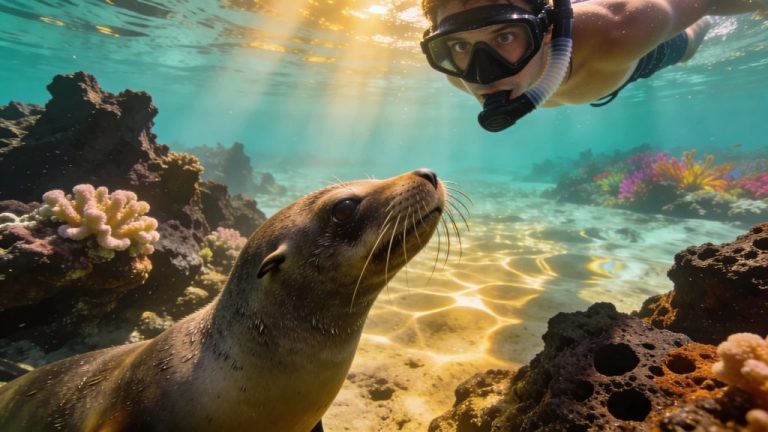
Magdalena Bay is larger than the other lagoons and, besides whales, also offers chances to see sea lions, dolphins and various seabirds. Boat trips depart from Puerto San Carlos or Puerto López Mateos. The bay is less intimate than San Ignacio, but offers more variety in wildlife.
Travellers on a longer road trip who want to see several different species often combine Magdalena Bay with other stops along the Pacific coast.
Sea of Cortez from Loreto and La Paz
The Sea of Cortez is the area for blue whales and other large whale species. Tours depart from Loreto and La Paz. Expect longer distances on open sea and more dynamic conditions than in the lagoons. This area calls for good physical condition and less sensitivity to seasickness.
Combining whale watching with snorkelling, kayaking and visits to islands is common here. The Sea of Cortez is often described as the second phase of a Baja trip, after the lagoons.
Practical planning for a whale trip to Baja
Travellers who organise their trip independently are well advised to fix route and accommodation in advance. Many operators only offer packages rather than separate boat trips. Check what is and isn’t included, such as meals, transport from the village and the number of boat trips per day.
The unpaved roads to remote lagoons are easy enough to drive by day in a regular hire car, but driving at night is discouraged because of limited lighting and roaming animals. Allow enough time for getting from place to place and count on travel times being longer than Google Maps suggests.
Bring layered clothing. Mornings on the water are chilly and windy, even if it feels pleasant on land. A windproof jacket, sunscreen, sunglasses and cap are standard. Binoculars are useful but not essential. Most whales come close enough to observe with the naked eye.
‘ Always let the animal take the initiative. ’
Rules and responsible whale watching
Whale watching in Mexico is subject to strict environmental legislation. Boats must have an official permit to enter the lagoons and approach whales. Boats without a permit must stay at least 240 metres away. Permit holders may come closer under specific conditions, but only if approached by the whales themselves.
Always choose an operator with a visible permit and solid reputation. Ask in advance about group size, type of boat and the guides’ background. Smaller boats and local guides usually offer a higher-quality experience than large group tours.
Do not actively touch whales and avoid sudden movements. Even if some animals seem to seek contact, always let the animal take the initiative. This protects both you and the whale.

What travellers value and tips from experienced visitors
Travellers who book multi-day trips say that the calm and repetition make the real difference. A day trip gives you a first impression, but two to three days give you a better chance of special moments and variation in whale behaviour.
San Ignacio Lagoon is most often mentioned as the place with the most intense experience. Ojo de Liebre scores highly for accessibility and logistical ease. The Sea of Cortez best suits travellers who are looking for longer distances and more active trips.
Do not expect luxury in the remote areas. Accommodation is functional and sometimes spartan. Electricity and Wi-Fi are limited or non-existent. This is part of the experience and reinforces the feeling of being immersed in nature. Bring a power bank, paper maps and enough cash.
Whale watching during a road trip through Baja
A road trip through Baja California combines whale watching with other nature reserves, desert landscapes and colonial villages. The transpeninsular highway runs from Tijuana in the north to Cabo San Lucas in the south and passes through all the main whale areas.
Allow at least seven to ten days for a full round trip with whale watching. This gives you time for multiple lagoons, relaxed travel days and any delays due to weather or road conditions. Those who only want to visit the Pacific lagoons can manage with five to six days.
Combine stops in Guerrero Negro, San Ignacio and Loreto for a varied experience. If you wish, add a visit to Mulegé, the Baja missions and the beaches of the Sea of Cortez. This makes the trip complete and offers a good balance between active days and relaxation.
‘ Explore the options and discover how you can shape your next trip consciously and well prepared. ’
Discover more about nature-focused travel
Whale watching in Baja California is just one of the many nature experiences you can plan yourself. On the Traveler Tips website you will find extensive information on other wildlife destinations, routes through natural areas and practical preparation for slow travel and road trips. Explore the options and discover how you can shape your next trip consciously and well prepared.
Frequently asked questions
The best period for whale watching in Baja California is roughly from January through April. For grey whales in the Pacific lagoons, the peak usually falls between January and March/early April. In the Sea of Cortez, you have the greatest chance of seeing blue whales and others from February to April. Overall, winter and early spring offer the most and most reliable sightings.
Plan your road trip between January and April and drive the Pacific side (for example Tijuana – Ensenada – Guerrero Negro – San Ignacio – Magdalena Bay) south for grey whales, and return via the Sea of Cortez (Loreto, La Paz) for blue whales and more. Book one or two multi-day stays in advance at an eco-camp or lodge in San Ignacio Lagoon or Ojo de Liebre so you can take several boat trips without extra detours. Keep driving distances deliberately short on whale days (a maximum of a few hours’ driving) and plan longer stretches on “no-boat days”. Choose small-scale, licensed operators along the way and avoid driving at night between the remote lagoons.
The most unforgettable and reliable whale watching experiences in Baja California are found around San Ignacio Lagoon, Ojo de Liebre (Guerrero Negro) and Magdalena Bay, as well as in the Sea of Cortez from Loreto and La Paz. San Ignacio Lagoon in particular is renowned for its “friendly whales” and very close yet respectful encounters. Frequently praised local tour operators include Whale Magic Tours and Caracoles Tours, which are often mentioned in travellers’ reports as responsible and experienced providers. Ideally choose operators with permits, small boats and clear nature and safety protocols.
Ideally choose a local operator with a permit, small boats and clear nature rules, and book well in advance because capacity in the high season is limited. Take several layers, a windproof jacket, sun protection and a waterproof bag, as it is often chilly and wet on the water, even in the sunny winter months. Reduce your footprint by travelling directly to departure points such as Loreto, La Paz or Guerrero Negro, minimising waste and opting for locally run eco-lodges or multi-day trips instead of short mass tours. Always respect distance regulations, do not touch animals and let the whales decide on any contact for a truly responsible experience.