NL
NL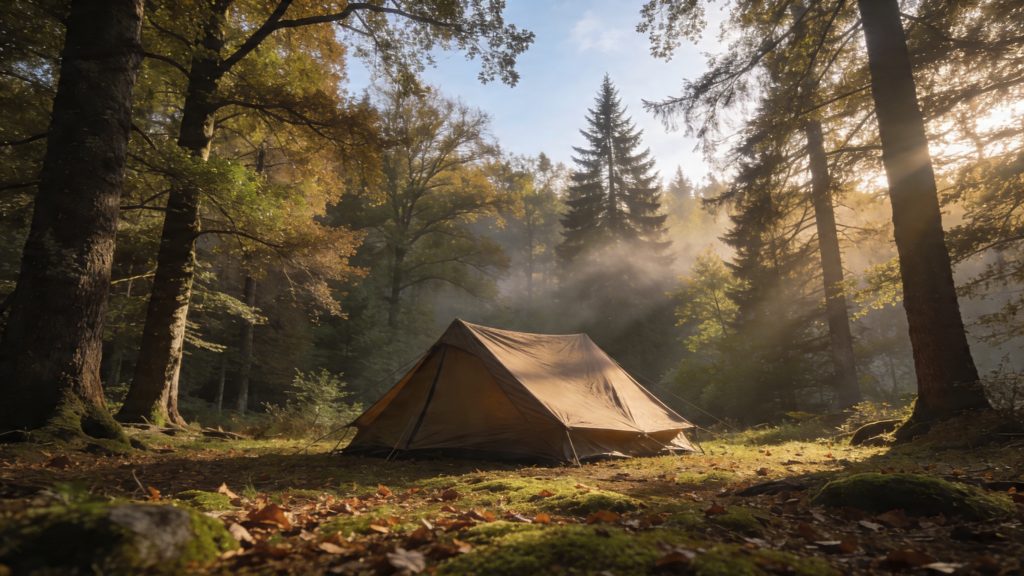
In the Ardennes you will find 18 official bivouac sites where you are legally allowed to spend the night with your trekking tent. These spots offer a responsible alternative to wild camping in a region where that is strictly prohibited. With a network of around 20 bivouac sites in the Ardennes and surrounding areas, you can go on multi‑day hikes without breaking the rules. Perfect for anyone who wants to spend a night under the stars after a long day on the trail.
What exactly are bivouac sites?
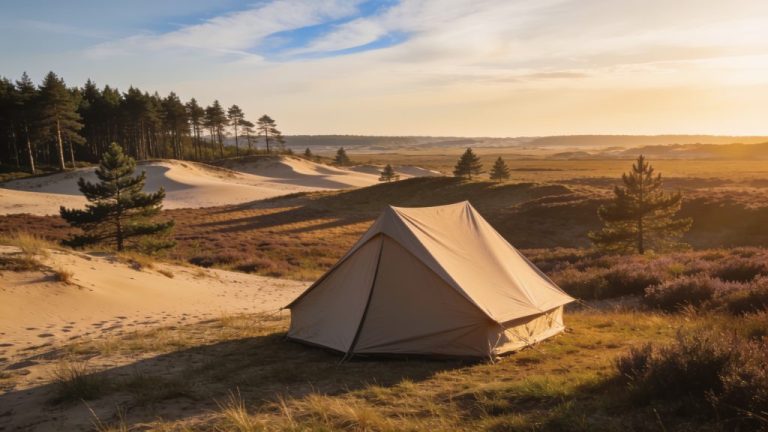
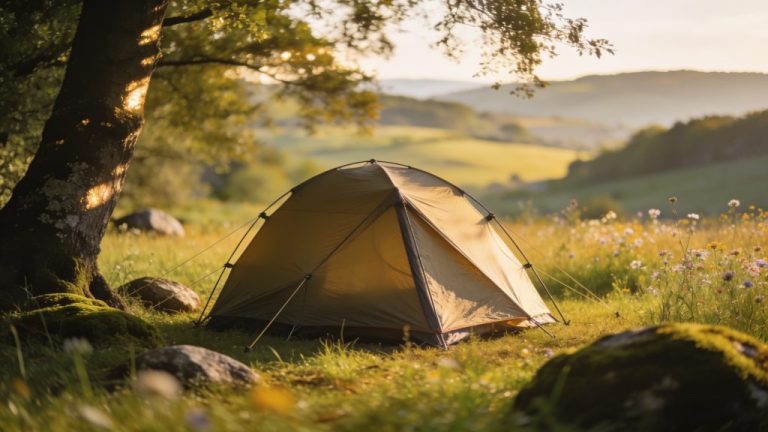
A bivouac site is a designated patch of ground where you are allowed to camp for a short period with minimal facilities. They are free, legal spots in nature, specially set up for walkers, cyclists and horse riders. You may sleep there for one or two nights in your tent, from 16:00 to 10:00. The aim is to bring you as close to nature as possible without damaging it. Bivouac sites function as a regulated alternative to wild camping, which is strictly prohibited in Wallonia and where checks are particularly strict along the coast.
The facilities are deliberately limited. Most sites have a fire pit, some also have a water pump. You will not find luxury facilities here. This fits with the character of bivouacking: rustic, simple and respectful of the surroundings.
‘ Some are accessible by car, others only on foot. ’
Where are the bivouac sites in the Ardennes?
Belgium has a total of 55 bivouac sites. Of these, 18 are in the Ardennes themselves. In addition, there are 7 bivouac sites in the province of Namur, 3 in the High Fens and 8 in Belgian Limburg. This means that in the Ardennes region you have access to around 20 bivouac sites where you can spend the night during your trek.
Most bivouac sites are hidden away in forests along walking routes. Some are accessible by car, others only on foot. The woods around Chimay, for example, have 13 bivouac spots along a waymarked 170‑kilometre trail called the Great Crossing. This route is ideal for a multi‑day hike through Wallonia.
What rules apply at bivouac sites?
Bivouac sites apply strict rules to prevent nuisance and to protect nature. It is important that you know and follow these rules, otherwise you risk fines or losing access to these places.
- You may only arrive on foot, by bike or on horseback. Motorised vehicles such as campervans and caravans are not allowed on the bivouac site itself.
- Pitch your tent within a radius of 10 metres of the fire pit or water pump.
- The maximum length of stay is often 48 hours, but some sites only allow one night. Check this in advance.
- You may only make a fire in designated areas.
- A maximum of 10 tents per location is allowed, to prevent overcrowding.
- Take all your rubbish with you and leave the place clean.
- Dogs are welcome, as long as they are kept under control.
These rules ensure that bivouac sites remain accessible to everyone. If you respect them, you help keep these places available for future visitors.
How do you plan a multi‑day hike via bivouac sites?
The network of bivouac sites has a major advantage: you can go on multi‑day treks without having to find a campsite every day. On bivakzone.be you will find 25 mapped‑out walking routes of 2 to 6 days. Each night you sleep at a bivouac site. These routes often start and finish at a railway station or bus stop, which makes logistics easier.
The Great Crossing around Chimay is a good example. This waymarked 170‑kilometre trail passes 13 bivouac spots. You walk the route at your own pace. Each evening you stay at a different bivouac site. This makes it possible to explore the Ardennes thoroughly without constantly returning to a fixed base.
Plan your route in advance and check whether reservations are required. Some bivouac sites use a reservation system, especially in busy periods. On bivakzone.be you will find up‑to‑date information on availability and specific rules for each location.
What should you take with you for a bivouac site?
Bivouac sites have minimal facilities. Good preparation is therefore essential. Take a lightweight trekking tent suitable for one or two nights. These tents are usually more compact than campsite tents and easier to carry on long hikes.
Also think about the following:
- A sleeping bag and sleeping mat suitable for the season
- Enough drinking water or a water filtration system, as not all bivouac sites have a water pump
- Food that requires little preparation
- A head torch to give you light in the dark
- Matches or a lighter for the fire pit
- Rubbish bags to take your waste with you
- A first‑aid kit for minor accidents
Keep your kit light. Everything you bring you will have to carry while walking. Choose multifunctional items and leave unnecessary luxuries at home.
Why bivouac sites are a smart choice
Bivouac sites offer a legal and sustainable alternative for anyone wanting to explore the Ardennes in depth. They allow you to walk for several days in a row without relying on commercial campsites. That makes your trip cheaper and more authentic.
At the same time you contribute to nature conservation. Because bivouac sites are regulated, the impact on the environment remains limited. You camp in designated places, avoid soil compaction in sensitive areas and help prevent nuisance. This ensures that these places remain accessible for future generations.
Another advantage is the peace and privacy. Bivouac sites are often in remote locations, far away from busy campsites. This gives you the chance to really unwind and experience nature as it is.
Bivouac sites versus wild camping in the Ardennes
Wild camping is strictly prohibited in Wallonia. Fines can be high and checks have become stricter along the coast and in nature reserves. For those who still want to sleep outdoors, bivouac sites are the only legal option. They offer the same sense of being in nature as wild camping, but without the legal risks.
Many walkers are looking for ways to avoid wild camping without giving up their adventurous trek. Bivouac sites offer exactly that: an organised system that gives you the freedom to spend several days trekking through nature, while staying within the law and respecting the environment.
‘ So plan your visit in advance and take into account that a bivouac site may be full. ’
How do you find the right bivouac site?
The website bivakzone.be offers a complete overview of all bivouac sites in Belgium, including detailed information on facilities, rules and availability. You can search by region, see which routes pass which bivouac sites and check whether reservations are needed.
Some bivouac sites are more popular than others, especially in summer and on long weekends. So plan your visit in advance and take into account that a bivouac site may be full. The rule of a maximum of 10 tents means you may sometimes have to walk further to an alternative location.
The website also provides practical details such as GPS coordinates, accessibility and nearby walking routes. This helps you to make a realistic plan and avoid surprises along the way.
Tips for a successful bivouac experience
Respect other people’s peace and quiet. Bivouac sites are not party locations. Avoid loud music and keep conversations at a low volume, especially in the evening and early morning. Other campers are often there precisely for the silence and the connection with nature.
Leave the place as you found it. Take all your rubbish with you, including organic waste such as fruit peels. These can disrupt the local ecosystem. Use only the designated fire pits and extinguish the fire completely before you leave.
Check the weather forecast before you set off. The weather in the Ardennes can be changeable, especially in autumn and spring. Good preparation prevents you from getting into trouble during your trek.
On the Traveler Tips website you will find more information about gear for multi‑day hikes, route planning and nature‑based holidays in different regions. Discover more tips to plan your next trip in a smarter and more conscious way.
Frequently asked questions
Bivouac sites in the Ardennes are official, legal places in nature where you can camp briefly and simply with a trekking tent. You are usually allowed to stay for one or two nights, may only arrive on foot, by bike or on horseback, and must follow strict rules on fires, rubbish and quiet. In Belgium there are 55 bivouac sites, around 18 to 20 of which are in the Ardennes region. They are a sustainable alternative to wild camping, which is strictly prohibited in the Ardennes.
A bivouac site is an officially authorised, basic camping spot in nature where you may spend a short time without luxury in your own (trekking) tent. You are usually allowed to stay there for one to two nights and they are intended for walkers, cyclists or horse riders, not for motorised campers. In the Ardennes there are about 18 of the 55 Belgian bivouac sites, mostly hidden in forests along walking routes. You must pitch your tent close to the fire pit, take your rubbish with you and only make a fire in the designated place.
Bivouac sites are government‑recognised places in nature where you are allowed to spend a short, basic night in your own tent. In Belgium there are 55 of them, about 18 to 20 of which are in the Ardennes. They are intended for walkers, cyclists and horse riders, with strict rules such as a maximum stay of 1 to 2 nights, no motor vehicles and fires only in designated areas. For routes and details you can consult bivakzone.be.
Bivouac sites are recognised, legal places in nature where you may spend a short, basic night in your own trekking tent. In Belgium there are 55 bivouac sites, around 18–20 of which are in the Ardennes. You reach them on foot, by bike or on horseback, and you are usually allowed to stay for a maximum of 1 to 2 nights. Wild camping outside these sites is prohibited, which makes bivouac sites a legal and sustainable alternative.
The question contains no substantive text, only the technical notation “[object Object]”. Because of this, it is impossible to determine what is actually being asked.