 NL
NL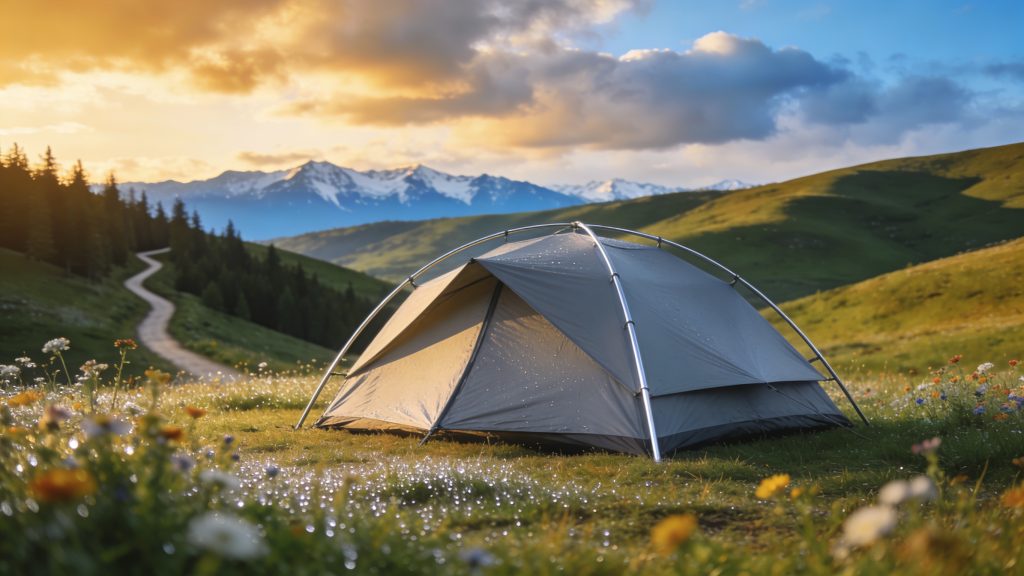
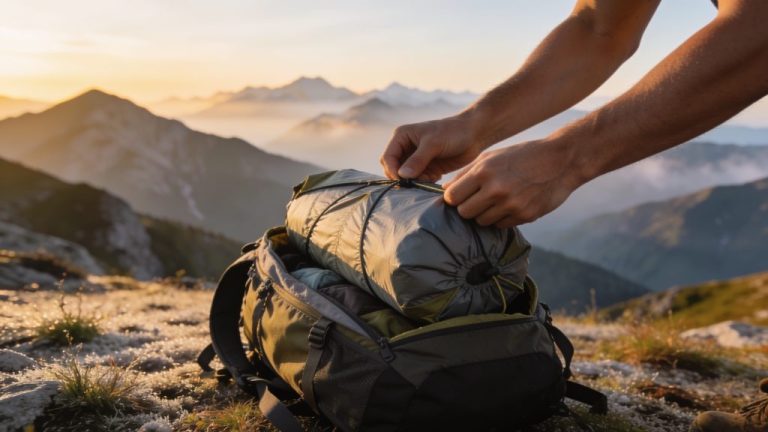
Wild camping means spending the night outside official campsites with minimal gear and maximum respect for nature, leaving no trace behind. For beginners everything revolves around smart preparation: check in advance whether it is allowed, practise using your kit at home and choose a suitable spot. This guide helps you step by step towards a safe, responsible and unforgettable first night in the wild.
Step 1: Check whether wild camping is allowed at your destination
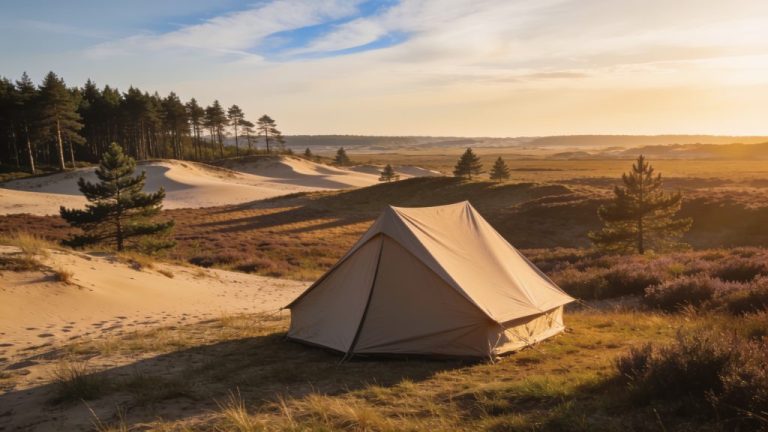
This is the most important step for beginners. In the Netherlands wild camping is prohibited, except in designated areas. These exceptions are pole and bivouac zones: official camping spots in the middle of nature where you may stay overnight without asking permission. In other European countries the rules also vary greatly per country, region and nature reserve.
Always check local laws and permits beforehand. Wild camping does not mean you can just sleep anywhere. In Scotland it is often allowed, in Switzerland and Austria usually not without the landowner’s permission. The consequences of breaking the rules range from a warning to fines of several hundred euros.
So find out in advance whether your destination has pole camping spots. Check whether you need a permit and what rules apply for fires, length of stay and group size.
Step 2: Practise with your tent and gear at home
Many beginners make the mistake of pitching their tent for the first time only when they arrive. That leads to stress, lost time and frustration, especially in bad weather or at dusk. So test your tent and kit at home or in a nearby park.
Pay attention to the following points:
- Pitch the tent fully and check that all pegs, guylines and poles are there
- Try out the sleeping mat and sleeping bag and test whether you stay warm enough
- Practise lighting your stove and cooking a simple meal
- Check that your head torch, power bank and water filter work
This trial run prevents surprises and gives you confidence on the road. You will know exactly how long it takes to set up and which parts you are missing or could replace.
Step 3: Check the weather and plan your departure
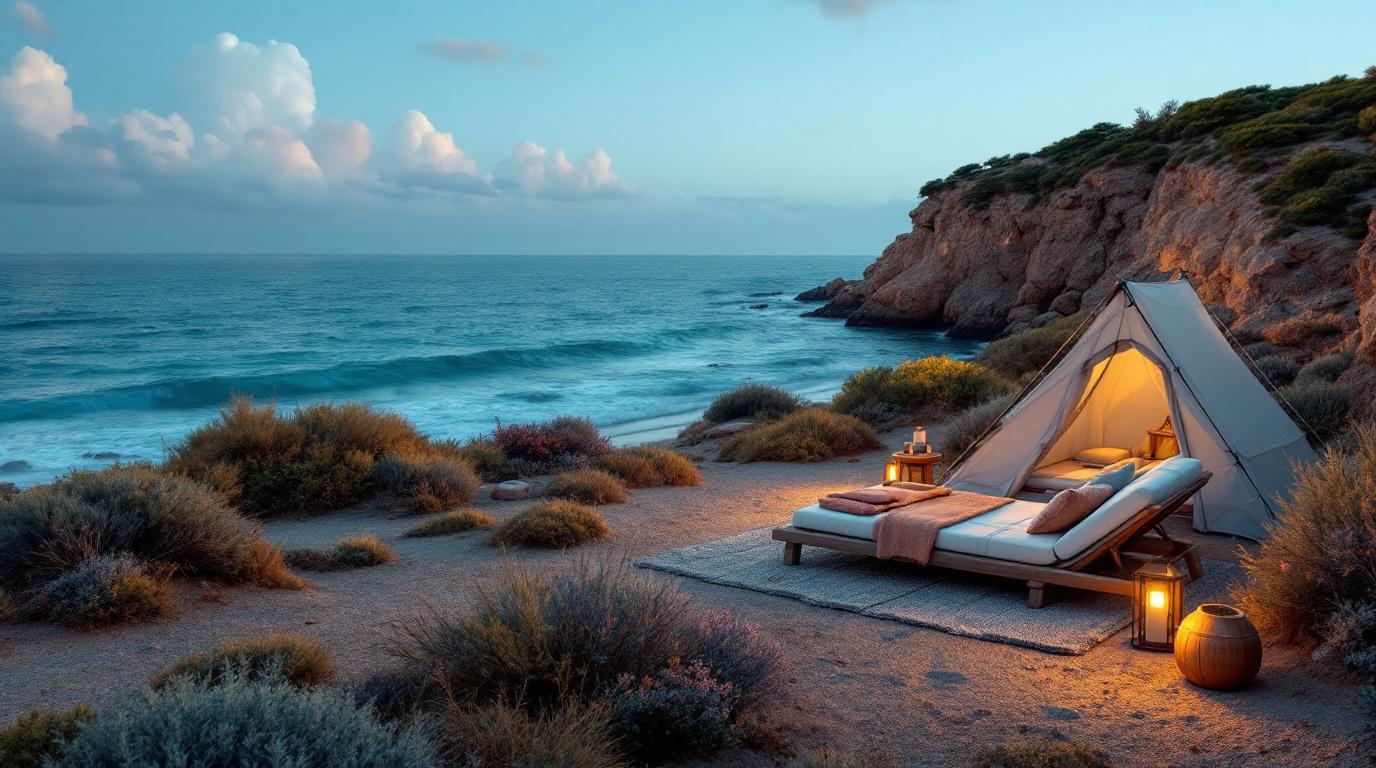
The weather largely determines how successful your first wild camping experience will be. Wind, rain and thunderstorms quickly make a spot unsafe, especially under trees or in open terrain. Use reliable weather apps and check the forecast at least 24 hours in advance.
Plan your trip so that you arrive late and leave early. That reduces your visibility and keeps disturbance for nature and local residents to a minimum. For beginners it is wise to arrive before dusk, so you can still look for a suitable spot in daylight and pitch your tent calmly.
Also take season and temperature into account. In summer the nights are shorter and warmer, but the chance of thunderstorms is higher. In autumn and spring the nights are longer and cooler, which calls for thicker sleeping gear.
Step 4: Choose a safe and suitable spot
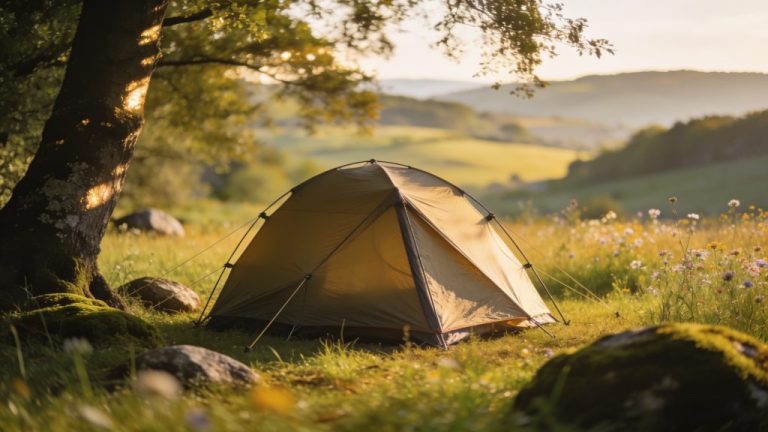
A good wild camping spot is flat, dry, sheltered from the wind and free from loose stones or dangerous obstacles. Keep at least 50 metres away from rivers, lakes and other water sources to prevent contamination. Also stay away from roads, buildings and official walking paths.
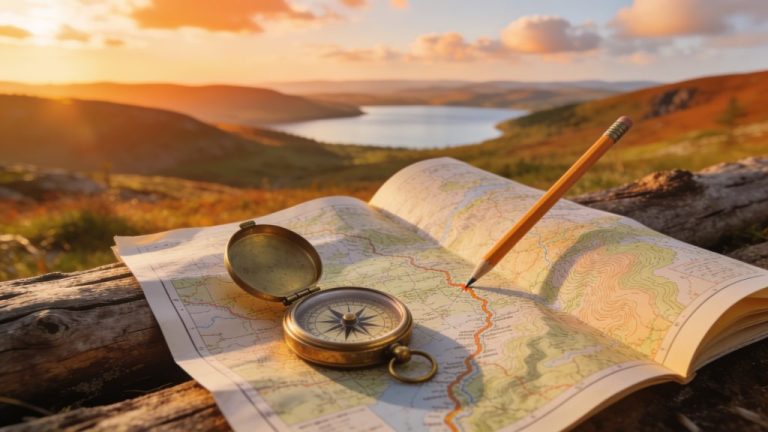
Check the ground for sharp branches, stones or animal burrows. Do not choose a spot under unstable trees in high winds or thunderstorms. Avoid hollows where water can collect when it rains. Use map apps or topographical maps to find suitable places in advance. Always prepare a plan B. For example, look for a nearby campsite as a back-up.
Step 5: Pack light and take only what you really need
For a novice wild camper, a compact kit is often enough. Too much stuff makes moving around difficult and increases the chance of stress and hassle. So only take what you really need for a safe and comfortable night.
The basic kit consists of:
- Shelter: tent, tarp or bivy, plus pegs and guylines
- Sleeping: sleeping bag, sleeping mat and optionally a liner or emergency blanket
- Cooking: stove, lighter or fire steel, small pan and cutlery
- Water: water bottle or water bladder and a filter or purification tablets
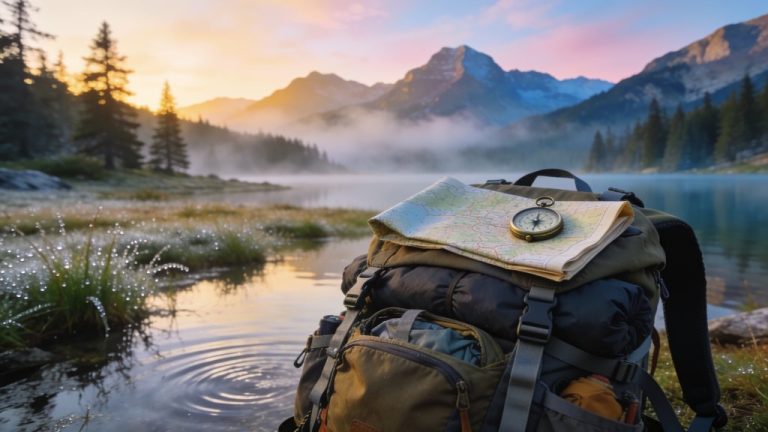
- Safety: head torch, map, compass, first-aid kit and power bank
- Hygiene: biodegradable soap, towel, toilet paper and a small trowel for dealing with human waste
- Clothing: waterproof jacket, warm layer and socks that dry quickly
Lightweight gear is great if you have to walk a lot. It is not always necessary if you travel by car or campervan. Choose reusable materials over disposables and test everything in advance.
Step 6: Learn basic survival skills and outdoor hygiene
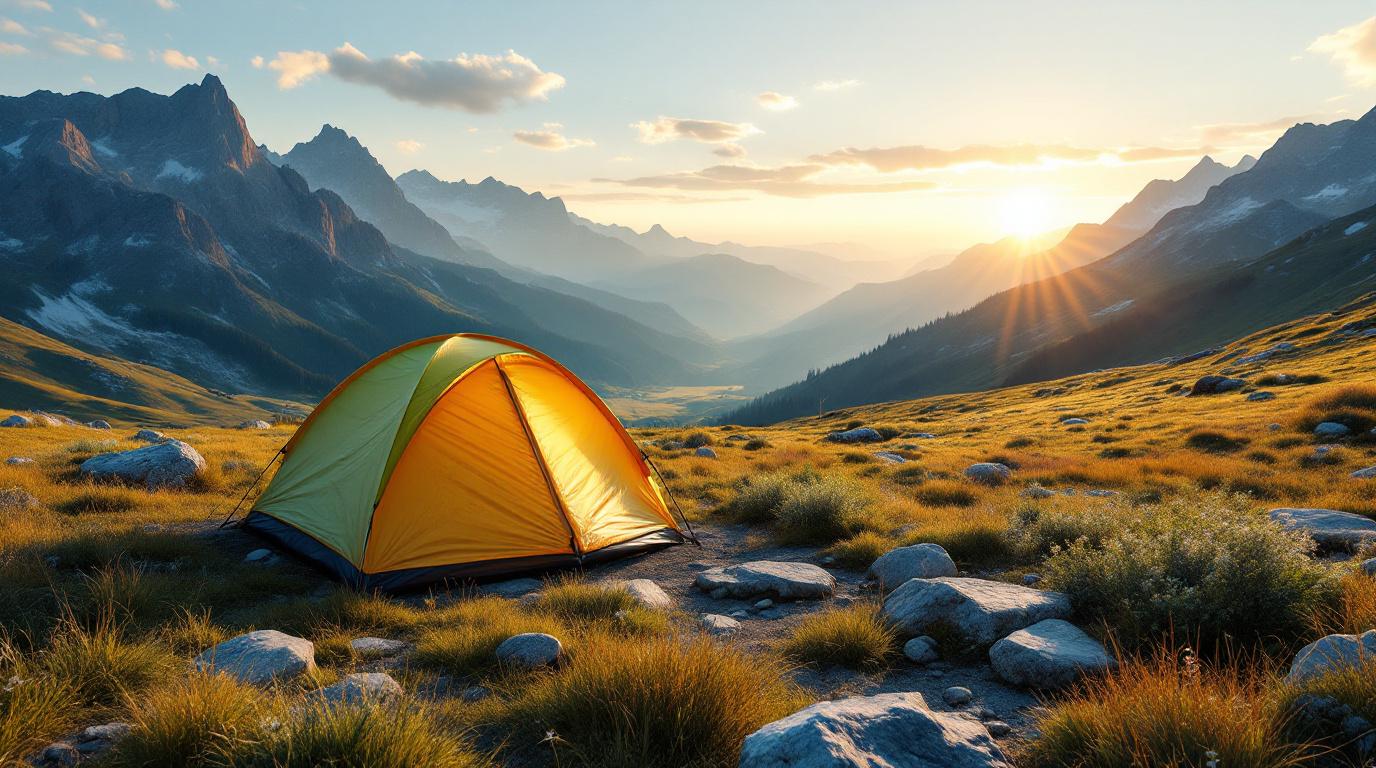
Wild camping requires self-sufficiency and respect for the environment. That means knowing how to deal with toilets, waste and water in a hygienic and safe way.
For toilet use, the following guideline applies: dig a hole at least 15 centimetres deep, at least 50 metres away from water and paths. Take used toilet paper back with you in a sealed bag instead of leaving it behind. Biodegradable products are useful, but do not replace the obligation to take your rubbish with you.
Do not use soap directly in or near water sources for washing and cooking. Take a small amount of water to a spot further away and use biodegradable soap there. Take all food scraps and rubbish with you. Leave the spot as if you were never there.
Step 7: Prepare your food and water
Plan your meals in advance so you carry less and produce less waste. Choose simple dishes that can be prepared quickly, such as pasta, rice or instant meals. Take a small emergency supply with you, for example snacks or quick meals, in case your planned spot is disappointing or you need to search longer.
For water, the rule is: take enough with you and make sure you have a way to make water safe to drink. A water filter or purification tablets are indispensable if you want to refill on the way from natural sources. Never drink untreated water from lakes, rivers or streams.
Common mistakes when wild camping as a beginner
Beginners often make the same mistakes, which can be avoided with good preparation. The most common are:
- Not checking whether wild camping is allowed at the location
- Camping too close to water, roads or buildings
- Taking too much gear, making it difficult to set up camp and move on
- Leaving rubbish, toilet paper or food scraps behind
- Setting off without a plan B and no back-up campsite
- Pitching the tent for the first time on location instead of practising at home
- Not taking the weather forecast into account
These mistakes can lead to fines, unsafe situations or damage to nature. With this guide you are well prepared and avoid most beginner errors.
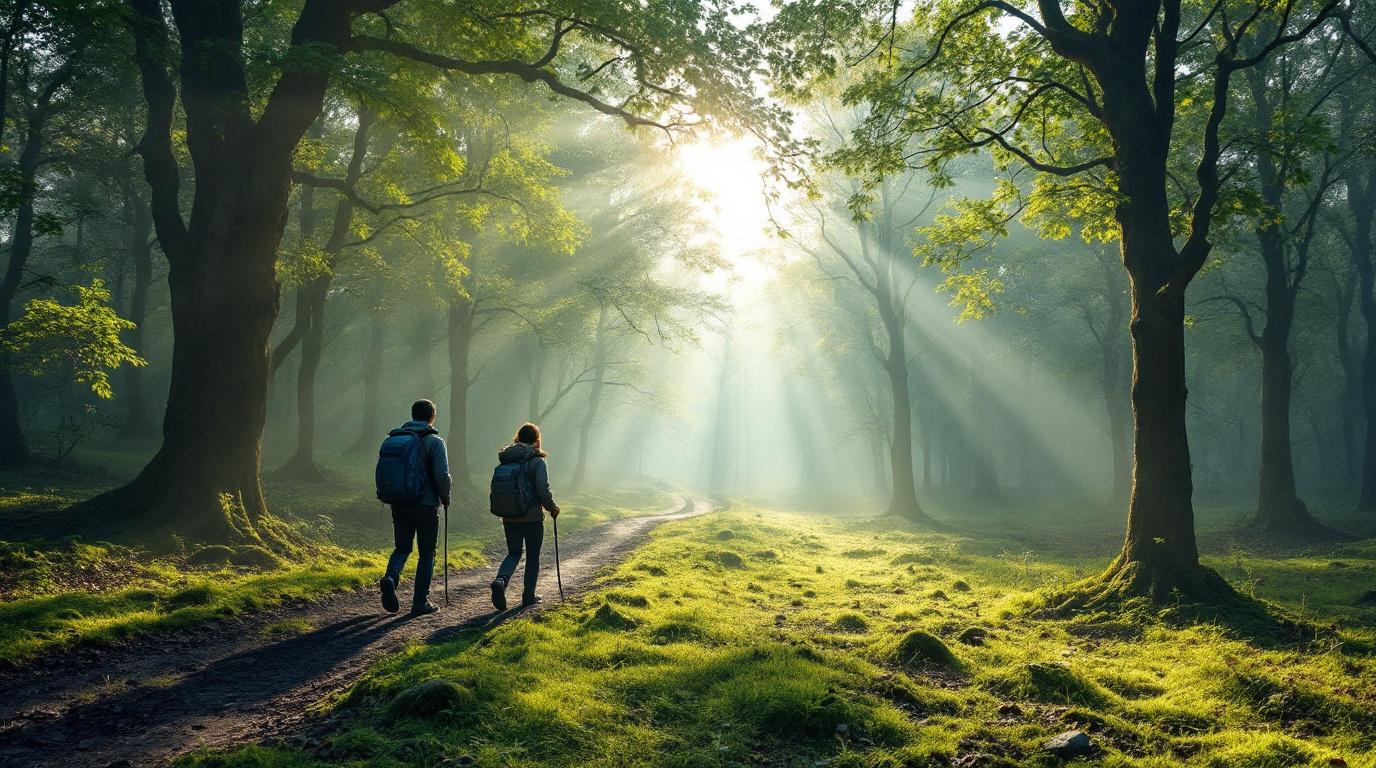
How to stay safe during your first night of wild camping
Safety starts with preparation. Test your kit beforehand, have a back-up plan and do not choose a completely remote spot with no reception or emergency options. A head torch, power bank and paper map help if your devices fail.
Check the weather forecast and watch out for warnings about wind, rain or thunderstorms. Store food safely and sealed so as not to attract wildlife. Look out for animal tracks and warning signs. Let someone at home know where you are going and when you are expected back.
On the Traveler Tips website you will find more practical information about safe travel, routes and preparation for nature holidays. You can also discover tips on equipment, regulations per country and experiences from other travellers to help you plan your next outdoor adventure.
Frequently asked questions
In Scandinavia (including Norway, Sweden, Finland) and Scotland, the “right to roam” largely applies, which usually allows you to wild camp for one night on uncultivated land, as long as you keep your distance from houses and cause no damage. In countries such as the Netherlands, Belgium and large parts of Germany, France and Italy, wild camping is in principle prohibited, except in specifically designated areas (e.g. pole camping sites or bivouac zones). You can find suitable, legal spots by checking the official rules per country/region in advance (for example via government or nature management websites) and by searching for designated bivouac or pole camping sites on maps and specialised apps. Always check signs and local rules on the spot and choose a discreet, nature-friendly place at a sufficient distance from buildings and water.
For a safe and comfortable wild camping experience you need at least good shelter (lightweight tent, tarp or bivy), a suitable sleeping bag and insulating sleeping mat. Take a compact cooking set with stove, lighter, small pan and sufficient water storage plus a water filter or purification tablets. For safety, a head torch, first-aid kit, map/compass or navigation and a power bank are essential. Finally, make sure you have suitable layered clothing, waterproofs, sturdy shoes and basic hygiene items such as biodegradable soap, toilet paper and a small trowel.
Check the weather forecast in advance and always take layered clothing, rain protection and a warm layer so that you can quickly adapt to changes. Choose a safe camping spot: not in a riverbed, away from dead branches and not too exposed in strong wind or thunderstorms. Take a basic safety kit with a first-aid kit, head torch, charged phone/power bank and possibly an emergency blanket. Make sure you have a plan B (alternative camping spot or campsite) and let someone know roughly where you will be camping.
Respect the local rules and only camp where it is allowed, at a distance from water, paths, roads and buildings. Leave no trace: take all your rubbish with you (including toilet paper and food scraps) and do not damage plants or trees. Keep your camp small and discreet, arrive late and leave early, and keep noise and light to a minimum so as to disturb people and animals as little as possible. Only make fires where they are allowed and necessary, and handle human waste carefully by digging a deep hole at a sufficient distance from water and paths.