NL
NL
Only leaving traces that are no longer visible – that is the core of Leave No Trace. This code of conduct helps you spend the night in nature discreetly, cleanly and respectfully, without disturbing animals, the environment or other campers. Discover how seven practical principles help you minimise your impact and protect nature.
What are the Leave No Trace principles?
Leave No Trace is an international code of conduct for outdoor activities. It offers seven concrete principles that help you protect nature during your stay. This framework is especially important when wild camping, because you often spend the night in places without facilities. The principles were developed to prevent damage to fragile ecosystems, disturbance to animals and disruption to other visitors.
The seven core principles are:
- Plan ahead and prepare
- Travel and camp on durable surfaces
- Leave nothing behind and carry out all rubbish
- Leave everything where it is
- Minimise campfire impact
- Respect wildlife
- Be considerate of other visitors
These principles work as a checklist for preparation, behaviour on site and departure. They are intended to supplement local regulations, not replace them. Wild camping is not permitted everywhere, so always check the rules for each country, region or nature reserve in advance.
‘ Always check in advance whether wild camping is permitted in the area you plan to visit. ’
Plan ahead and prepare well
Good preparation prevents mistakes on the spot. Check in advance whether wild camping is permitted in the area you are going to. Some countries, such as Scotland and Sweden, have generous regulations, while wild camping is often prohibited in countries like Italy and Spain. Also check seasonal restrictions, weather conditions and whether the terrain is suitable for your level of experience.
Take enough bin bags, a lightweight stove and toilet facilities with you. If you are not familiar with using a cathole outdoors, read up on the required distance from water and depth. Know where you can find drinking water and whether special food storage is needed because of animals in the area.
Choose the right place to camp
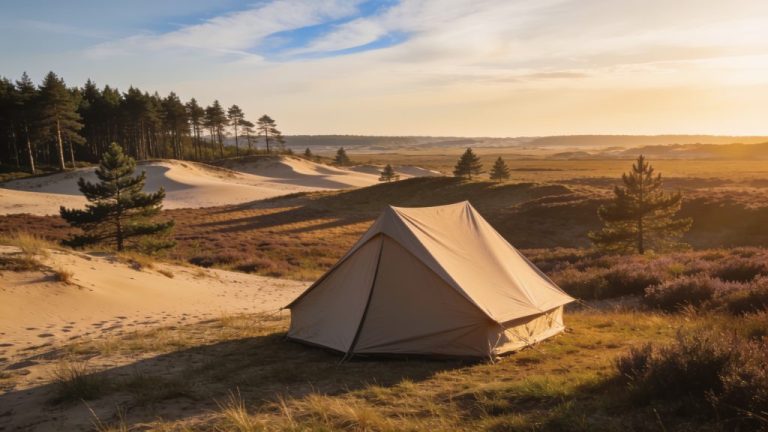
The place where you camp has a direct impact on nature. Choose a firm, robust surface such as sand, gravel, bare rock or a spot that has already been used. Avoid fragile vegetation such as moss, young growth and wet areas. These places recover slowly from damage, or not at all.
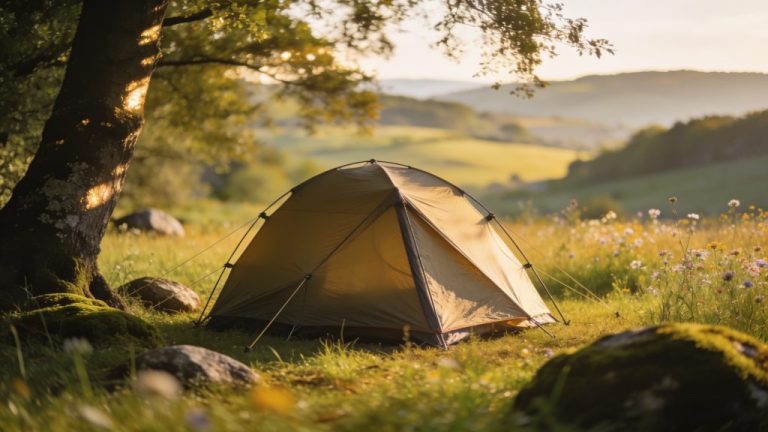
Keep at least 60 metres away from water, paths and other campers. Water attracts animals and banks are often sensitive areas. Choose a spot that is not directly visible from paths or other camping places. Pitch your tent late and break camp early, so your traces remain as small as possible.
Avoid new traces in pristine areas
In heavily used areas you can reuse existing spots. In untouched nature it is better to spread your traces. Do not move stones, dig ditches or create new fire rings. The less you alter the ground, the smaller your footprint.
Take all your rubbish back with you
Everything you bring, you also take back with you. This applies not only to packaging and plastic, but also to food scraps, toilet paper, wet wipes and hygiene products. Organic waste may seem harmless, but it attracts animals and pollutes the environment.
Use bin bags that you can seal properly. Store rubbish in your rucksack or car until you can dispose of it at a waste collection point. Bury human waste in a cathole 15 to 20 centimetres deep, at least 60 metres from water, paths and camping spots. Take toilet paper with you in a separate rubbish bag. In some areas you are required to carry out all human waste.
‘ These play a role in the ecosystem or have cultural value. ’
Avoid touching nature unnecessarily
Leave stones, plants, shells and other natural objects where they are. Do not move dead trees or branches and do not disturb historical objects. These play a role in the ecosystem or have cultural value. Avoid creating new paths or routes through fragile zones.
Use fire sparingly or not at all
Open fire is one of the biggest risk factors when wild camping. Even a small campfire can cause fire hazards, smoke nuisance and lasting damage to the soil. Wherever possible, use a lightweight stove instead of an open fire. It is safer, faster and leaves no trace.
If fires are allowed, keep them small and use only dead wood from the ground. Never create a new fire ring and make sure the fire is completely out before you leave. Check that the ashes are cold and scatter them over a wide area.
Keep your distance from animals
Observe wild animals from a safe distance. Do not approach them, do not feed them and do not disturb their natural behaviour. Animals that become used to people or human food can develop problem behaviour and become dangerous.
Store food, rubbish and scented items securely. In areas with bears or other opportunistic animals, use special food containers or hang your supplies from a tree. Leave pets at home or keep them on a lead.
‘ Choose your camping spot so that you do not spoil other people’s experience. ’
Respect other visitors
You share nature with other campers and walkers. Keep your noise level down, especially in the evening and at night. Do not play loud music and avoid bright lights pointing at other tents or paths. Choose your camping spot in such a way that you do not disturb other people’s experience.
Ideally, groups should stay small. Large groups make more noise and have a greater impact on the environment. Keep paths clear and do not block access to water or other facilities.
Common mistakes made by beginners
Beginners often leave organic waste behind, such as banana skins, apple cores or breadcrumbs. These do break down, but they attract animals and disrupt the ecosystem. Toilet paper is also often buried incorrectly, too close to water or too shallow. Another common mistake is choosing a spot right by the water, which is harmful to the bank and disturbs animals.
Many campers also underestimate the impact of fire. Fully extinguishing a campfire takes more time than you might think. Never leave a smouldering fire behind. Another common mistake is altering the campsite by moving stones, breaking branches or digging ditches. These traces remain visible for a long time.
How to break camp without leaving traces
Before you leave, systematically check your campsite. Make sure you have packed all your rubbish, including small bits of plastic, paper or food scraps. Run your hands over the spot where your tent stood. You can gently loosen flattened grass with your fingers so it stands upright again.
Remove signs of your presence such as improvised chairs made of stones or stacked wood. Scatter the ashes of a fully extinguished campfire and cover the spot with natural materials. Check that you have not left anything behind around your cooking or toilet area. The place should look as if you were never there.
On the Traveler Tips website you will find much more information about wild camping, nature holidays and responsible travel in fragile areas. Discover practical routes, regulations by country and tips for sustainable gear that helps you minimise your impact.
Frequently asked questions
The most important Leave No Trace principles are: plan your trip carefully and respect local rules, stay on durable paths and camping spots, and do not leave any rubbish or other traces behind. Leave nature and objects as you found them, minimise campfire use and preferably use a stove. Respect wildlife by keeping your distance and not feeding them. Finally, stay quiet and considerate so that other visitors can enjoy nature undisturbed.
Plan your route along existing paths and robust camping spots, and check local regulations, seasonal closures and fire bans in advance. When planning, always apply distance guidelines (for example, around 60 m from water, paths and other campers) for sleeping, cooking and toilet use. Allow time and space to take back all your rubbish – including food scraps and toilet paper. Choose activities that have little impact on the ground and animals, and avoid busy, fragile or quiet areas at sensitive times such as dusk and the breeding season.
Take all your rubbish with you, including food scraps and toilet paper, and use a separate bin bag in your rucksack. Stay on existing paths and camp on “robust” ground such as sand, gravel or previously used spots, at a distance from water and fragile vegetation. Preferably use a gas stove instead of a campfire and do not dig ditches or build structures around your tent. Admire animals from a distance, do not feed them and store food and rubbish well sealed so they can retain their natural behaviour.
Take reusable items such as a water bottle, coffee cup, lunch box, cutlery, napkin and, if needed, your own food container so you do not need disposable packaging. Pack a separate, well-sealing rubbish bag (and possibly a second one for recyclables) so that all your waste – including food scraps and wipes – can go back with you. Plan your route with stops where there are toilets and bins, so you do not have to leave emergency waste at lay-bys or on verges. Keep a small cleaning kit in the car or bag (cloth, mini washing-up liquid, hand gel) so you can easily remove crumbs, stains and leftovers.