 NL
NL
A multi-day hiking trip involving wild camping requires careful preparation. From checking permits and regulations to packing a light rucksack and planning a route with legal overnight spots: every detail counts. Those who plan well head into nature with more confidence and comfort. Read on and discover how to prepare for a wild camping hiking trip step by step.
Check permits and regulations by country
The first step in your preparation is finding out where wild camping is permitted. Rules differ significantly by country, region, and area. For example, in Scandinavia, the ‘right to roam’ (allemansrätten) applies, allowing you to spend the night freely in many places. In other European countries, however, wild camping is restricted or prohibited.
In protected areas, national parks, and nature reserves, wild camping is often not allowed. Therefore, check in advance whether your route passes through such zones. Some countries require a permit or permission from the landowner. Also, consider local rules. These often concern distances from water sources or hiking trails.
Make a list of the countries and areas you will cross. Search online for up-to-date regulations and the experiences of other hikers. Avoid surprises by having clarity in advance about what is allowed and what is not.
‘ It is wise to have a backup plan. ’
Plan a route with legal and realistic overnight spots
Your route should not only fit your fitness level but also the opportunities for wild camping. Plan daily distances that are realistic so you aren’t forced to stay in unsuitable or prohibited locations. Take into account terrain differences, elevation, and weather conditions.
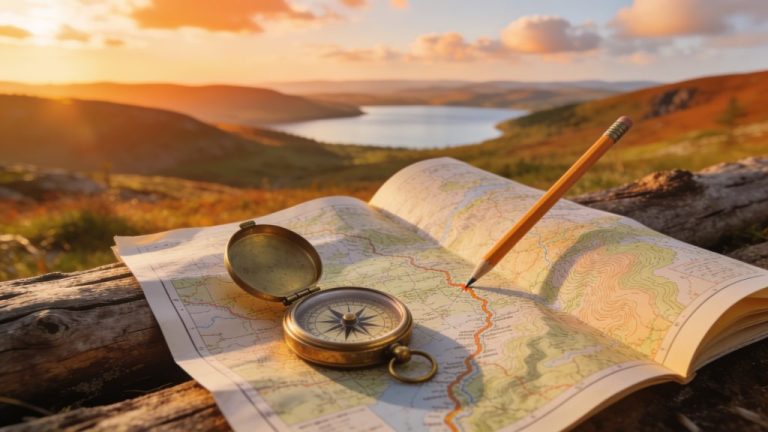
Search for suitable overnight spots along the route in advance. Online route platforms, hiking forums, and regional information centres often offer practical tips from hikers who have walked your route before. Mark alternative spots and escape routes on your map, as your plans may change along the way.
It is wise to have a backup plan. Sometimes conditions change along the way due to weather or fatigue, or areas may be closed. Make a note of campsites, mountain huts, or other accommodation alternatives you can use if wild camping proves impossible.
Choose lightweight and complete equipment
The weight of your rucksack determines the comfort of your hiking trip; it is a major factor in your overall experience. Build your equipment so it is light yet functional. The basics consist of a lightweight tent or tarp, sleeping bag, sleeping mat, and cooking gear. You will also need clothing for varying weather conditions. Additionally, take a headlamp, navigation aid, and a first-aid kit.
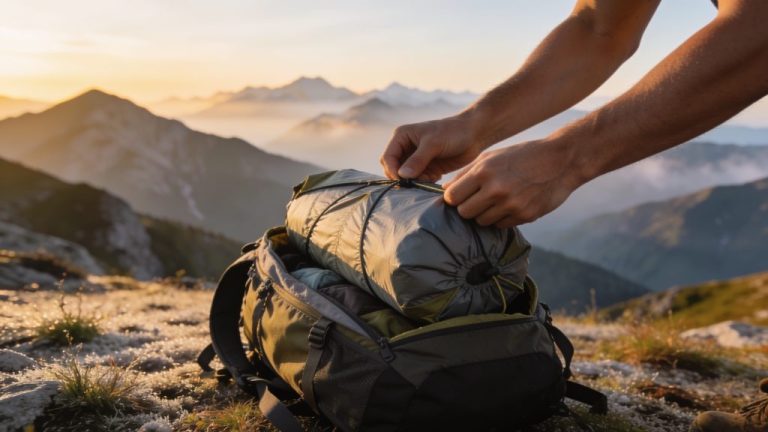
Choose a rucksack that fits your body type and distributes the total weight well. Comfortable shoulder straps, back ventilation, and a sturdy hip belt are important for long days of hiking. Use waterproof bags or dry bags to keep your belongings dry and organised.
Only take what you really need. You will notice every extra kilo after hours of walking. A minimalist packing list makes your trip more comfortable and increases your freedom of movement.
Practical packing list for wild camping during a hiking trip
- Lightweight tent, tarp, or hammock with mosquito net
- Sleeping bag suitable for the expected temperature
- Sleeping mat with insulation
- Rucksack with good carrying comfort
- Rain jacket and extra clothing layers
- Headlamp with spare batteries
- Cooking set with stove, fuel, and spoon
- Water bottle or hydration system
- Water filter or purification tablets
- High-energy food and snacks for several days
- First-aid kit
- Map, GPS, or charged phone with power bank
- Rubbish bag to carry out all waste
Ensure clean drinking water with purification
Water is heavy to carry but essential on the go. Plan in advance where you can refill your water along each stage of your route. Think of mountain streams, springs, or water points in villages. Note that not all natural water is safe to drink directly.
A water filter or purification tablets are indispensable for wild camping. Filters are suitable for removing bacteria and parasites. Purification tablets are lighter and simpler to use, though some have a longer waiting time. Choose what suits your route and water sources.
Check if your water sources are reliable. In dry periods or areas with intensive livestock farming, sources may be polluted or dried up. Hiking maps and guides often provide information about water points, and online route platforms can also offer insights.
‘ This prevents surprises if something doesn’t work or is missing. ’
Test your gear and routine in advance
Do not set off unprepared. Try out your tent, sleeping bag, and cooking set at home or during a short test trip. Do the same with your water filter and headlamp to avoid surprises if something doesn’t work or is missing. Practice setting up and packing down your camp so you can do it quickly and efficiently.
Train your body in time. Walk with a full pack, gradually increasing the weight. Long walks on varied terrain help improve your fitness and increase your carrying capacity. Pay attention to your footwear as well: break in new hiking boots before you depart.
Pack your rucksack so that frequently used items are quickly accessible. Ensure they are at the top or in side pockets—think of your rain jacket, snacks, map, and headlamp. Heavier material, such as your tent and food, should be placed close to your back and low in the rucksack for a stable balance.
Choose safe and discreet overnight spots
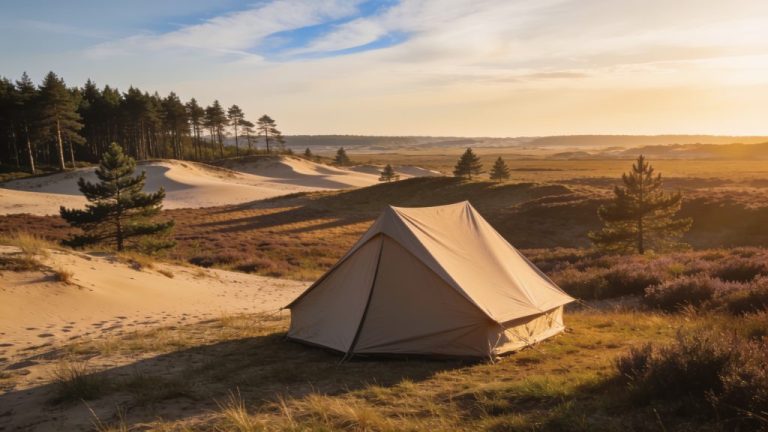
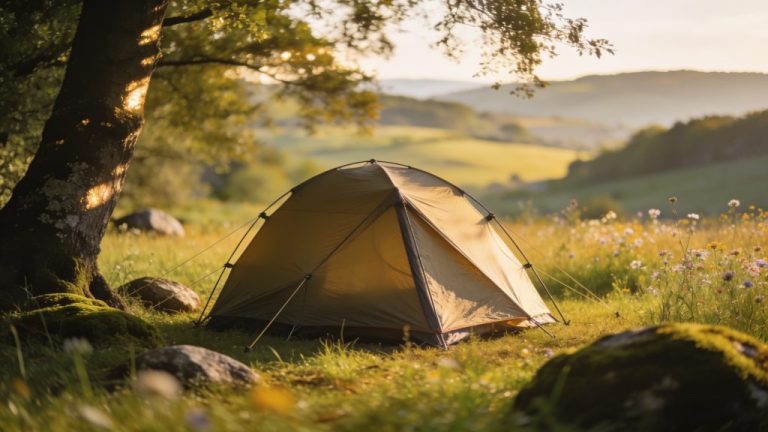
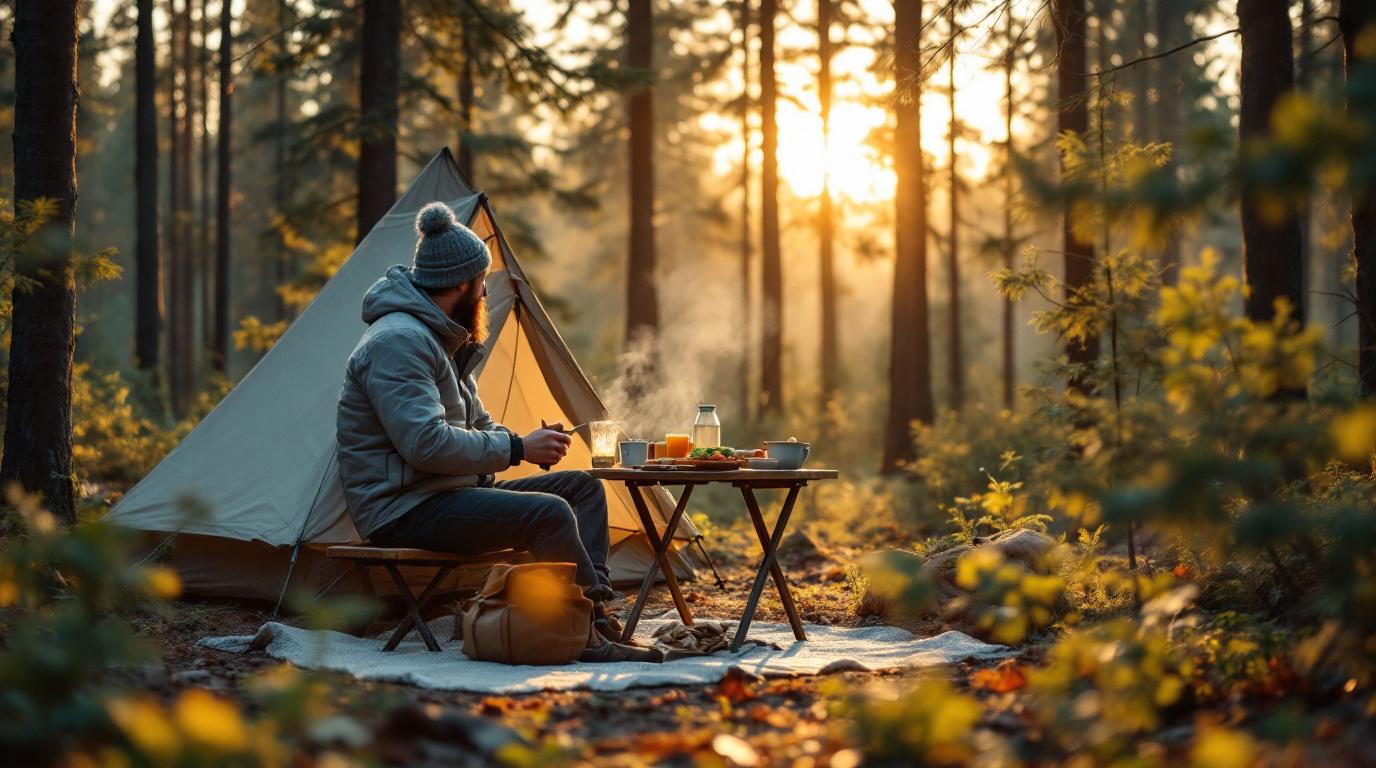
A good camping spot is flat, dry, and out of sight from hiking trails and roads. Avoid places with a risk of flooding or unstable ground. Pay attention to livestock paths, pitch your tent securely, and consider wind direction and safety.
Wait until shortly before dark to pitch your tent and pack up early. This helps you remain discreet and prevents nuisance or uncertainty regarding regulations. Choose a spot you can leave safely in the dark and ensure you leave no trace.
Leave the place as you found it. Take all your rubbish with you, do not disturb nature, and keep a respectful distance from flora and fauna. If in doubt about a location, it is better to keep looking or switch to an alternative overnight option.
Prepare for emergencies and changing weather
Check the weather forecast in advance and adjust your plans if conditions are unfavourable. Take extra layers of clothing and ensure your equipment is suitable for rain and cold. A compact first-aid kit with blister plasters, painkillers, and bandages should be a standard item in your rucksack.
Share your route with someone at home and inform them when you expect to return. Keep your phone available for emergencies, but do not rely on a signal in remote areas. A power bank helps keep your phone charged for navigation and communication.
Prepare high-energy food, such as nuts, dried fruit, and crackers. Ready-to-eat meals are also suitable as they are lightweight, have a long shelf life, and are easy to prepare with a simple stove. Take extra supplies for unexpected delays or emergencies.
‘ Discover tips for different destinations, equipment, and regulations that will help you travel smarter and more consciously. ’
Discover more about travel and nature holidays
On the Traveler Tips website, you will find much more reliable information about planning your nature holidays, hiking routes, and practical preparations. Discover tips for different destinations, equipment, and regulations that will help you travel smarter and more consciously.
Frequently asked questions
In many countries, wild camping is only allowed in specifically designated zones or under strict conditions; always check national, regional, and park regulations in advance and, if necessary, ask for permission from landowners. Avoid protected nature reserves where wild camping is often prohibited, and choose a discreet, safe spot out of sight from paths and buildings. Follow “Leave No Trace”: take all your rubbish with you, do not damage plants, do not disturb animals, leave no fire pits or traces behind, and leave the place as you found it. Arrive late, leave early, stay for a maximum of one night, and be considerate of local residents, farmers, and other users of the area.
Essential equipment for a safe, comfortable wild camping trip consists of a lightweight sleeping system (tent/tarp or hammock, suitable sleeping bag and mat), good rucksack, weather-resistant layers, cooking set with fuel, sufficient food, water (bottles) with a filter or purification, headlamp, first-aid kit, and navigation tools (map/GPS, phone/power bank). A smart packing list is created by thinking in categories: sleeping, carrying, clothing, cooking/eating, water, safety/emergency, and navigation, selecting the lightest reliable alternative for each item. Test all your gear at home and go on a practice trip with a full pack to see what you are missing or not using. Keep the list minimalist: only items that directly contribute to safety, comfort, and basic needs, so your rucksack remains light and your trip more manageable.
Plan your route along known or map-visible water sources and take a filter so you have multiple points each day to refill. Study elevation profiles and terrain types (rocky, marshy, forested) in advance and choose daily stages that are realistic for your fitness and load. Mark potential camping zones on your map or GPS: flat, dry, out of sight of paths, and preferably near water but not in a flood-prone valley. Maintain a backup plan with alternative campsites and shorter stages if the terrain or weather turns against you.
Train beforehand with a fully loaded rucksack so you can comfortably walk 15–20 km per day for several days in a row, including ascents and descents. Ensure you master basic navigation: being able to read a map and compass, creating simple route plans, and setting up your GPS/phone with offline maps. Learn how to draw up an emergency plan: informing someone of your route, knowing emergency numbers by country, and knowing how to get yourself to safety in case of bad weather or injury. Always carry a first-aid kit, emergency blanket, sufficient water and food reserves, and a charged phone/power bank.