NL
NL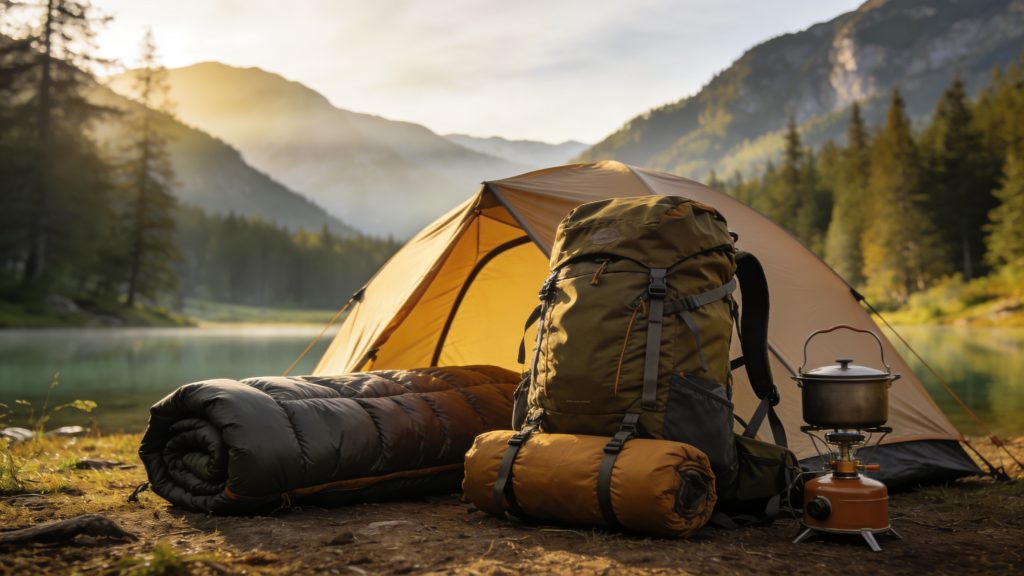
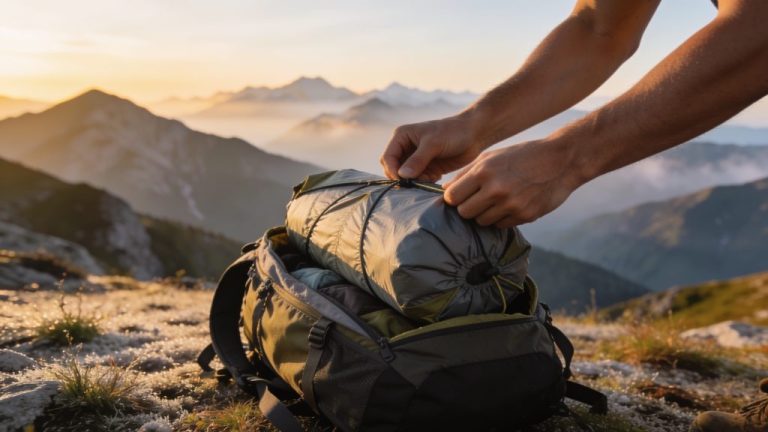
If you head into nature with no facilities nearby, you need gear that is reliable and light enough to carry. When wild camping, your kit list determines not only your comfort, but also your safety. A warm sleeping bag, waterproof tent, water purification and navigation tools form the basics. Every gram matters, but you should not skimp on sleep comfort, water and navigation. Read on and discover what to take with you for a successful night in the great outdoors.
Shelter and protection from the elements
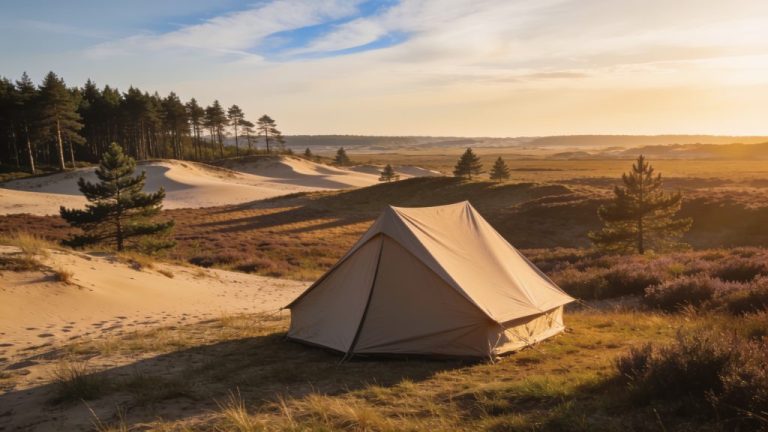
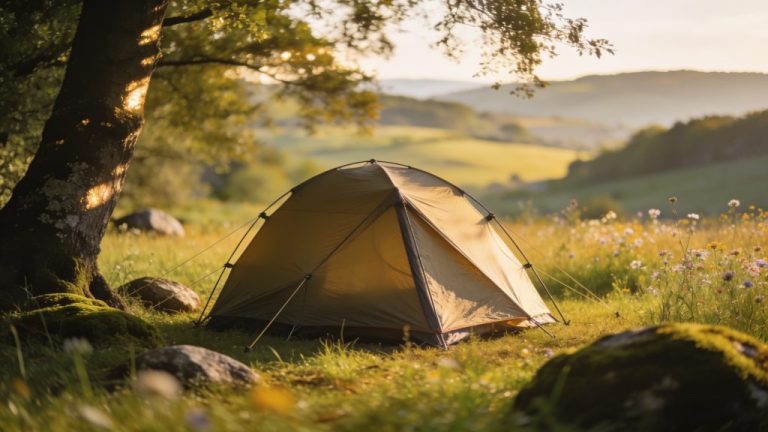
Your tent or alternative shelter is your first line of defence against rain, wind and cold. Choose a lightweight tent suitable for the season and the terrain where you will be camping. A three-season tent offers enough protection for spring, summer and autumn. If you are expecting snow or strong winds, opt for a four-season tent with stronger poles and extra pegs.
Besides the tent itself, these components are important:
- A groundsheet protects the floor of your tent from sharp stones and moisture
- Extra pegs and guy lines for stability in windy conditions
- A compact tarp as an alternative to a tent or as extra protection
- For hammock campers: strong suspension and a mosquito net
Test your tent at home before you leave. That way you know how the structure works and you will discover any missing parts in time.
Sleep comfort that guarantees warmth and rest
A good night’s sleep is the difference between an enjoyable hike and a tired next day. Your sleeping bag must be suitable for the lowest temperature you expect. Pay attention to the comfort temperature, not just the limit temperature. For wild camping in the Netherlands and Belgium, you can expect night-time temperatures between 5 and 15 degrees in summer, and around freezing in spring and autumn.
Under your sleeping bag you put a sleeping mat with sufficient insulation. The R-value indicates how well the mat insulates you from the cold ground. For summer camping an R-value of 2 to 3 is enough; for cold conditions you need at least an R-value of 4. Self-inflating mats are comfortable, foam mats are lighter and virtually indestructible.
Additional items that improve your sleeping comfort:
- A sleeping bag liner for extra warmth and hygiene
- An inflatable pillow or a folded-up jacket as an alternative
- An emergency blanket for backup warmth in unexpectedly low temperatures
What water supply should you take
Water is a top priority when wild camping. You cannot always rely on natural water sources without purification. A water filter or water purification tablets are essential if you draw water from streams, lakes or springs. A pump filter works quickly and removes bacteria and parasites effectively. Purification tablets are lighter and cheaper, but you need to wait before the water is safe to drink.
Take enough water storage with you. A 2 to 3 litre water bladder is practical and takes up little space when empty. For longer trips without reliable water sources, take extra storage or plan your route along places where water is available.
Cooking and preparing food on the way
A compact stove and lightweight cooking set make hot meals possible without adding much weight. Gas stoves are reliable and user-friendly, alcohol stoves are lighter but slower. Take enough fuel for your entire trip, plus a reserve for emergencies.
Your cooking set consists of these basic components:
- A lightweight pan or cooking pot with lid
- A mug for hot drinks
- A spork or spoon
- A small knife for food preparation
- A lighter or firesteel as a backup
Pre-cooked or dehydrated food saves time and weight. Couscous, instant rice, dried nuts and energy bars are practical choices. Take enough calories for the physical effort of hiking and camping.
Navigation that always keeps working
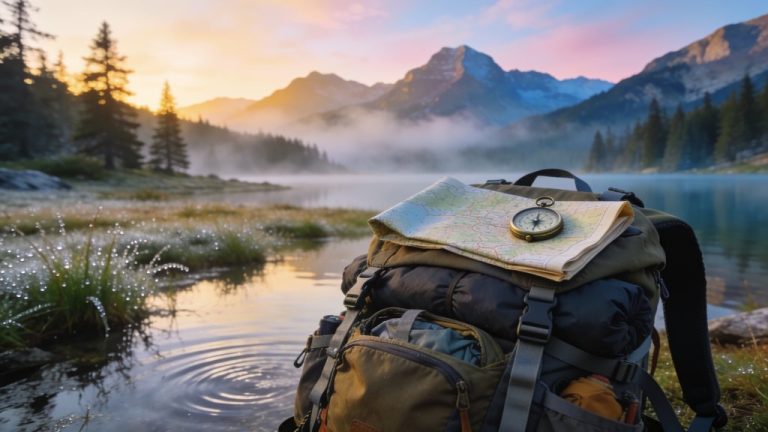
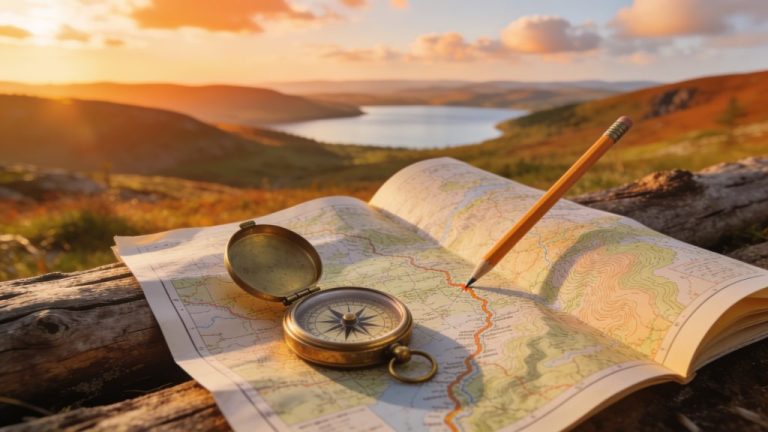
A physical map and compass are indispensable, even if you use a GPS device or smartphone with a navigation app. Batteries run out, there may be no signal, and electronic devices can break. A paper map always works, provided you know how to navigate with it.
Additional navigation tools:
- A charged smartphone with offline maps
- A power bank with enough capacity for several charges
- An emergency whistle in case you need help
Practise using your navigation tools before you leave. Knowing how to determine your position and plan your route prevents stress and dangerous situations on the way.
Safety and first aid that keep you protected
A compact first aid kit belongs on every wild camping trip. Packs containing plasters, bandages, disinfectant and painkillers are light and take up little space. Add any personal medication you need.
Specific items for wild camping:
- A tick remover, as ticks are common in natural areas
- A head torch with spare batteries for hands-free lighting
- An emergency blanket for extra warmth or protection in case of accidents
- A whistle for emergency signals
Before you leave, find out about the risks in the area where you will be camping. Some regions have specific dangers such as wild animals, poisonous plants or weather conditions that require extra preparation.
Layered clothing for changeable weather
A layering system works best for wild camping. Start with a breathable base layer that wicks away moisture. Add an insulating mid-layer for warmth, such as fleece or down. Finish with a waterproof and windproof outer layer.
Always take spare underwear and socks. Wet feet and clothing quickly lead to cold and discomfort. A hat or buff offers extra warmth on cold evenings and protects against wind during the day.
‘ Leave no trace in nature. ’
Hygiene and waste disposal in nature
A microfibre towel dries quickly and takes up little space. For toilet visits, take biodegradable toilet paper or wipes. Dig a hole at least 15 centimetres deep and at least 50 metres away from water sources.
Rubbish bags are not optional. Take all your waste with you to a place where you can dispose of it responsibly. Leave no trace in nature. Waterless hand gel is useful for basic cleaning when water is scarce.
Checklist for your complete kit list
For clarity and convenience, check this complete list before you leave:
- Tent or tarp with groundsheet, pegs and guy lines
- Sleeping bag and sleeping mat with suitable temperature rating
- Water filter or purification tablets with water bladder
- Stove with fuel, cooking pot, mug and cutlery
- Map, compass and charged phone with power bank
- First aid kit with tick remover and personal medication
- Head torch with spare batteries
- Rainwear and an extra layer for warmth
- Microfibre towel and hygiene products
- Rubbish bags and biodegradable toilet products
Test your gear before your first wild camping night. Practise pitching your tent, lighting your stove and using your filter. Small tweaks at home prevent major problems in the wild.
Adjustments for car and road trip camping
If you are travelling by car and camping from there, you have more room for comfort. You can take a larger tent, a more comfortable sleeping mat and extra food supplies. Even so, it is still wise to keep your gear compact for mobility and quick set-up.
Extra items that are useful for car-based wild camping:
- A cool box or cool bag for fresh food
- A larger water supply in jerrycans
- Chairs or stools for more seating comfort
- An extra tarp or awning for daytime shelter
Do not be too strict about weight per item if your car is nearby, but keep mobility in mind in case you decide to head further into nature.
On the Traveler Tips website you will find much more information about nature holidays, route planning and practical tips for travelling through Europe. Discover more articles about camping, preparation and destinations that fit your way of travelling.
Frequently asked questions
For safe and comfortable wild camping you need at least a light shelter (tent/tarp or bivvy bag with groundsheet), a suitable sleeping bag and a well-insulating sleeping mat. In addition, a reliable water filter or other purification method, a simple cooking set with stove and a knife are essential. For safety and orientation, a head torch, first aid kit, map and compass belong to the basics. Wherever possible, choose lightweight, multifunctional items (e.g. buff, dry bags, spork) to save weight without sacrificing functionality.
Choose basic kit in layers (clothing, sleep and rain system) that you can adjust with extra, or fewer, warm layers per season and destination. Go for items that have several functions, such as a tarp that protects against both rain and wind, or a buff that works as a scarf, hat and sleep mask. Look for durable materials (recycled fabrics, robust zips, repair kits) and avoid cheap gear for sleeping bag, mat and rain jacket. Test your gear in advance in similar weather conditions and then adjust small things per trip rather than buying everything new.
Think of multifunctional and lightweight items such as a tarp that serves as tent, awning and windbreak, and a buff that you can use as a hat, scarf and sleep mask. Replace heavy pans and cutlery with a compact cooking set with a single pan, a titanium mug and a spork. A water filter plus collapsible water bags save a lot of space compared to several rigid bottles. Use dry bags or compression sacks to pack sleeping bag and clothing smaller and more neatly in your rucksack.
Group your gear into modules (sleeping, cooking, clothing, safety) and store each module in separate, labelled (waterproof) bags or boxes in the car. Keep what you need on the road (snacks, jacket, toilet items, first aid kit, head torch) within easy reach and put what you only need at the camping spot in the back or at the bottom. Pack heavy and sturdy gear (water, cooking set, tools) low down and against the backrest or axle of the car for stability. Create a fixed packing order and a checklist, and always put items back in the same place so you can find them immediately in the dark as well.