 NL
NL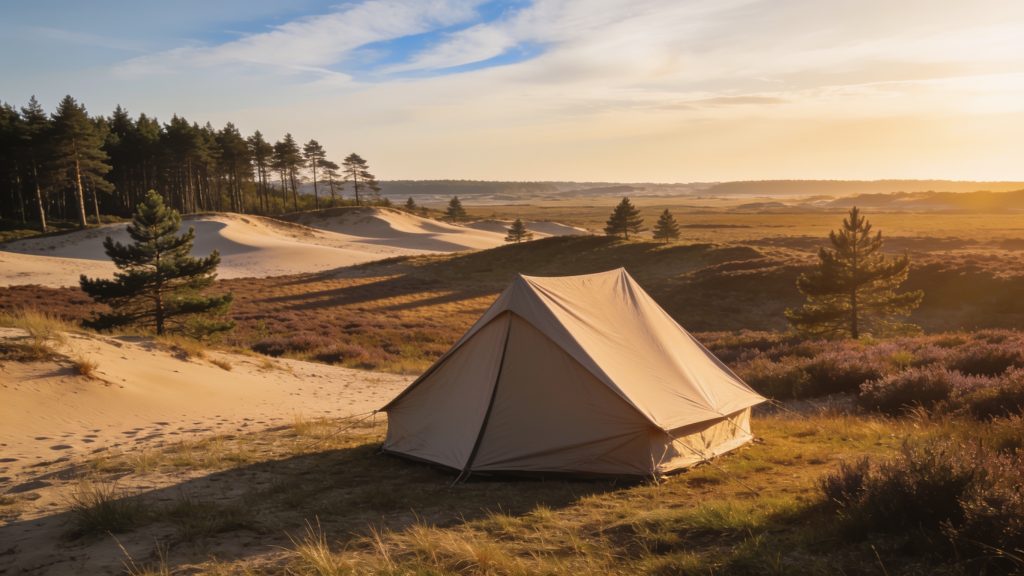
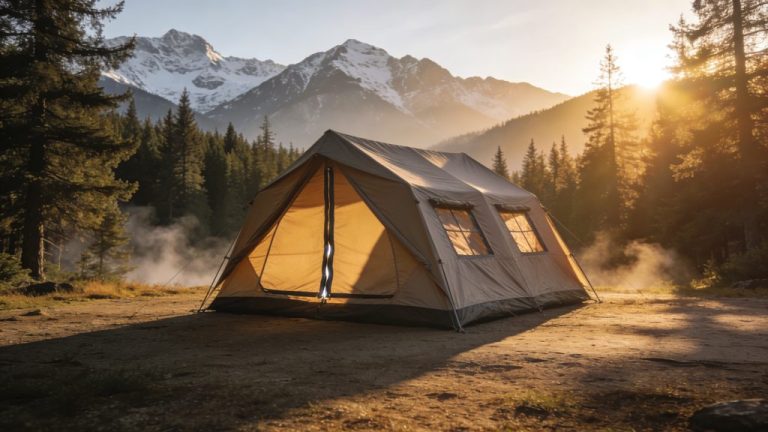
Pole camping (paalkamperen) is the only legal way to wild camp for free in the Netherlands, where you are allowed to pitch your tent within a ten-metre radius of a specific pole or water pump. This form of camping offers you the freedom of wild camping, but within a clear framework with around fifty designated locations throughout the country. Do you want to experience nature without the crowds of a campsite?
What exactly is pole camping?
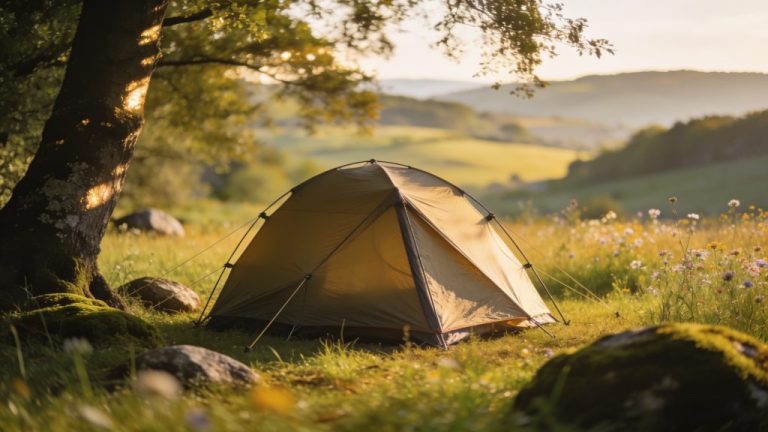
With pole camping, you don’t pitch your tent at a traditional campsite, but in the wild around a marked pole. These poles are located in strategic spots in nature reserves and are managed by Staatsbosbeheer (the Forestry Commission) or private nature managers. It is a form of camping that is normally prohibited in the Netherlands, but permitted in these specific locations.
The locations are often on the edge of or in the middle of nature reserves such as forests and heathlands. You will mainly find them in Overijssel, Twente and North Brabant. Each pole is recognisable by a sign with the text “Paalkamperen” and marks the spot where you are allowed to stay the night.
Important rules for legal pole camping
To go pole camping legally, you must adhere to a number of rules. These are the same in almost all regions, with one important exception for Overijssel and Twente.
- Camp within ten metres of the pole: You may only pitch your tent within a maximum radius of ten metres around the pole or water pump.
- Maximum 72-hour stay: You can stay in one spot for up to three days. Note: in Overijssel and Twente, a maximum of 24 hours applies.
- Maximum of three tents per spot: There should never be more than three small tents at a pole camping site at one time.
- Do not leave any litter: Take all your rubbish with you and leave the site as you found it. Leaving bin bags at the location is not permitted.
- No open fires: Open fires are strictly prohibited. Cooking with a camping stove is allowed.
Pole camping in North Brabant: tips and coordinates
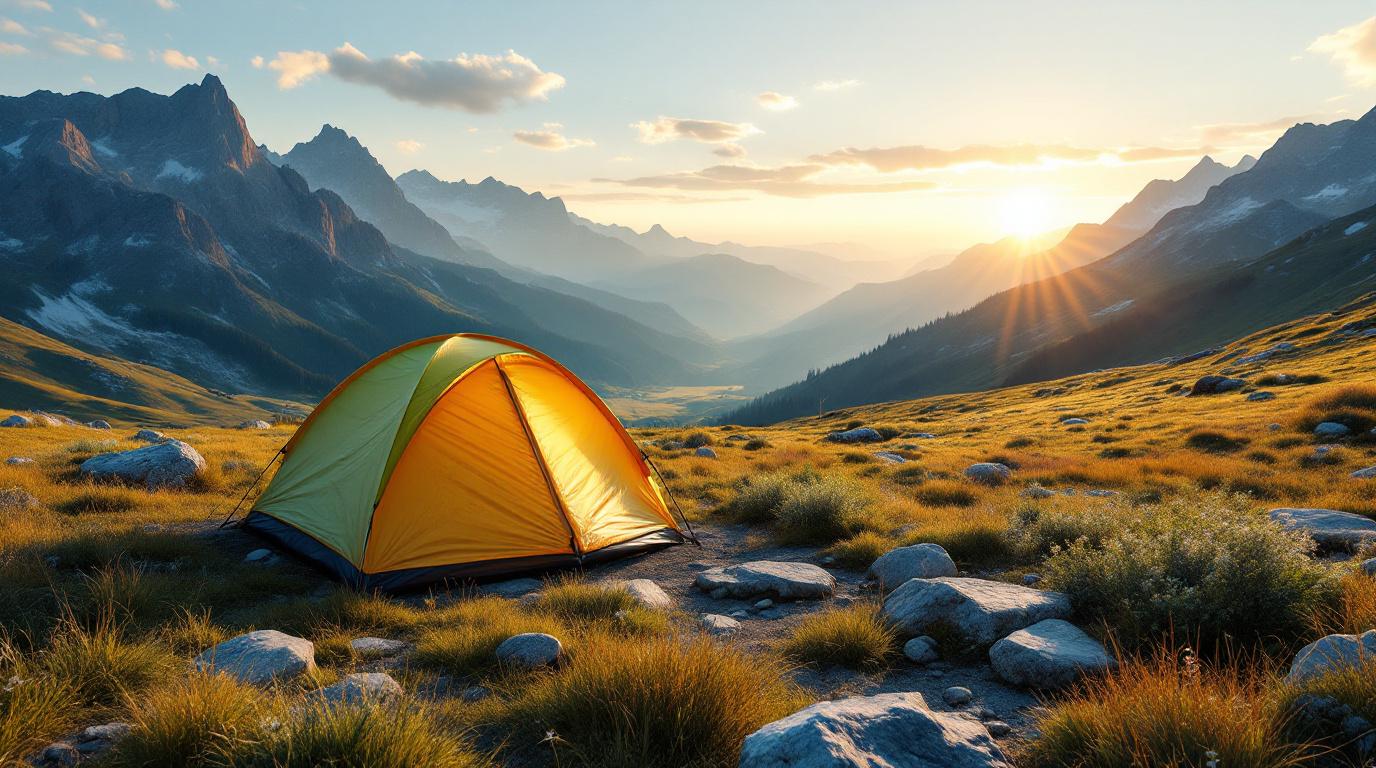
You can find various pole camping sites in North Brabant, although the most famous location, Strijbeekse Heide, is unfortunately permanently closed. For Brabant pole campers, it is important to know that you are allowed to stay here for a maximum of 72 hours, in contrast to the 24-hour rule in Overijssel.
In the border region between the Netherlands and Belgium, you will find some unique pole camping sites. The location at Däneborg is at coordinates 51.50866, 4.33093 and is accessible from both countries. The Griendwerkershut (51.76100, 4.88500) also offers accommodation, although this is not a classic pole camping site but a hut. A unique experience is the Jong Deen pole camping site (51.441933, 4.443139), which is only accessible by canoe.
Best pole camping sites in the Veluwe for beginners
The Veluwe is one of the most accessible areas for novice pole campers. The region offers a mix of forests and heathlands with various pole camping locations that are relatively easy to find. For beginners, it is recommended to start with locations that are easily accessible and where other campers might be nearby.
The advantage of the Veluwe is that you are allowed to stay here for 72 hours, which gives you more time to get used to camping in nature. The areas are well maintained and the poles are clearly marked. For your first time, it is wise to go in the spring or summer, when the weather is milder and the days are longer.
Pole camping in Overijssel and Twente: 24-hour locations
In Overijssel and Twente you will find the largest number of pole camping sites in the Netherlands, but a stricter rule applies here: you may only stay in one place for 24 hours. This makes this region suitable for hikers or cyclists passing through who want to make a short stopover.
The best-known locations in this region are:
- De Lutte (52.323117, 6.962745): A classic Twente pole camping site in a wooded area.
- Harbrinkshoek (52.38241, 6.72875): Located near forest and open fields.
- Oldenzaal/Hulsbeek (52.300934, 6.884735): A quiet forest area with good facilities.
- Pottersweg (52.437072, 6.780258): A pole in an open field with expansive views.
- Tubbergen/Hondeven (52.4008343, 6.7573700): Nature reserve with a diversity of flora.
- Twickel (52.284401, 6.718069): A well-known nature reserve with extensive hiking trails.
- Weleveld (52.330776, 6.730321): Beautiful forest area with lots of privacy.
Practical tips for a successful pole camping experience
Good preparation makes the difference between an unforgettable experience and an uncomfortable night. Always choose a flat surface for your tent and do not set the opening facing a slope, so that rain does not flow into your tent. A camouflage-coloured tent or tarp protects you better against precipitation and makes you less conspicuous in nature.
Drinking water is an important point of concern. Not all pole camping sites have a water pump, so take enough water with you or equip yourself with a water filter that allows you to filter water from natural sources. For washing-up water: do not use soap in or near natural sources. Put dirty washing-up water in a bucket and empty it far away from streams or lakes.
Think about the environment: a banana peel remains for three years, metal cans even fifty years. Ensure that someone at home is aware of your location and travel route. Be aware of weather changes and check the forecast before you leave.
Choosing a flat surface and taking litter with you
Choosing the right spot within the ten metres around the pole determines your comfort for the night. Check the ground for stones, roots and unevenness before you pitch your tent. A slight slope can appear invisible, but causes you to slide away in your sleeping bag at night.
Test the ground by lying on it before you pitch your tent. This takes a few minutes but prevents a sleepless night. Avoid spots under dead branches or dead trees, especially when it is windy. Preferably choose a spot with natural shelter against the wind, but not in a low-lying area where water can collect when it rains.
When it comes to taking rubbish away, it’s not just about your own packaging. Also take away litter that others may have left behind. This keeps nature clean for yourself and others. Use biodegradable toilet paper and bury it at least twenty centimetres deep, at least fifty metres away from water sources.
‘ Make clear arrangements beforehand about litter, fire and toilet use. ’
Alternatives to pole camping
If pole camping is too basic for you or if the locations are fully booked, there are other ways to camp in nature. The Netherlands has around 150 recognised nature campsites that are located in beautiful landscapes, far from the crowds but with basic facilities such as a toilet.
Camping with the forest ranger is another option. Staatsbosbeheer offers accommodation options at various locations. You can also ask private landowners for permission to camp on their land. Make clear arrangements beforehand about litter, fire and toilet use.
On the Traveler Tips website you will find much more information about nature camping, wild camping abroad, the best nature reserves for outdoor adventures and practical tips for planning your trip. Discover more routes, destinations and preparation tips that help you organise your next trip smartly and consciously.
Frequently asked questions
A complete and current overview of all official pole camping sites can be found on the Staatsbosbeheer website, where the specific rules and any (temporary) closures are stated for each location. In addition, you can consult current information and any additions via specialised sites such as wild-kamperen.nl.
Most pole camping sites are deliberately located in remote nature reserves and are often not directly accessible by car; you usually park at a small car park or along a dirt road and walk the last bit (a few hundred metres to a few kilometres) on foot. By train, they are rarely accessible “on the doorstep”, but often in combination with a bicycle or a walk from a nearby station or bus stop in villages such as De Lutte, Oldenzaal or Tubbergen. For cyclists, the sites are generally most accessible, as they are often on or very close to existing hiking and cycling routes. Parking options are usually limited to a few places without facilities, and can become full on busy weekends.
The pole camping sites in Twente and Overijssel, such as near De Lutte, Weleveld and the Twickel nature reserve, offer the most unique nature experiences, peace and lovely views due to their remote forest and heath landscapes. Border locations like Däneborg and Jong Deen (only accessible by canoe) feel extra remote and are therefore very suitable for those who love silence and untouched nature. For hiking, Weleveld, Twickel and the spots around Oldenzaal/Hulsbeek are ideal, because they are in the middle of extensive nature reserves with existing hiking routes. For stargazing, open locations such as Pottersweg and Däneborg are the most suitable, because there is little light pollution and a clear view of the sky.
At pole camping sites, the facilities are usually minimal: often just a pole or water pump, and rarely toilets, electricity or rubbish bins. Count on taking all your rubbish back with you and providing for your own drinking water (or a water filter). For comfort, take a well-insulating sleeping mat, warm clothing and a decent light source. A small gas stove and simple but nutritious food also make your stay a lot more pleasant.
Always strictly adhere to the rules of the pole camping site: camp within the permitted circle, for no more than the prescribed number of nights and leave absolutely no trace or rubbish. Use a stove instead of an open fire, choose a small, inconspicuous tent and set it up on a firm, non-damaging surface to disturb nature and the ground as little as possible. Take enough water, food, a first-aid kit and warm, waterproof clothing with you, and make sure someone knows your route and expected time of return in case of an emergency. Check the current status and rules of the pole camping site with the manager (e.g. Staatsbosbeheer) beforehand, because locations or regulations can change.