 NL
NL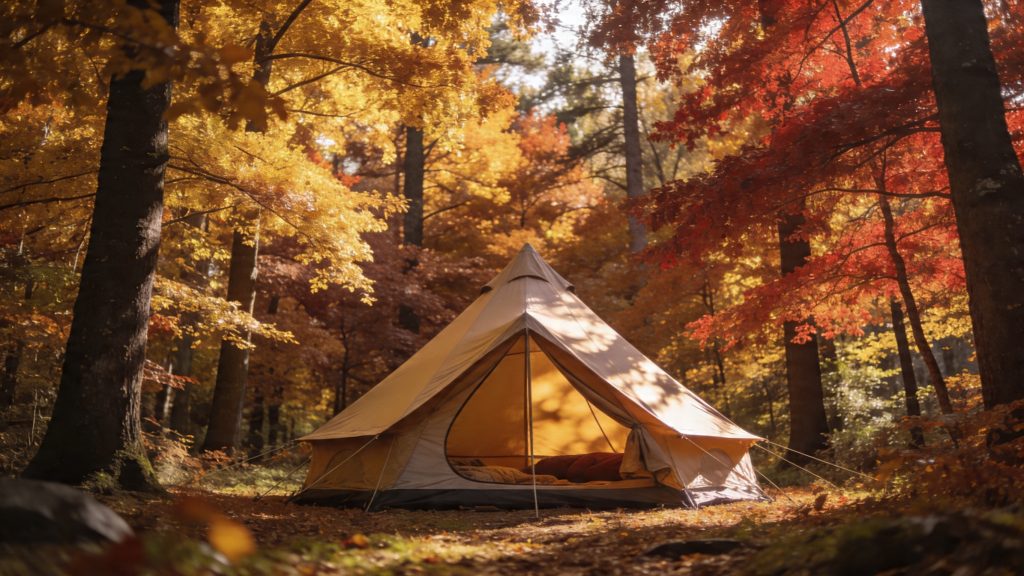
Camping in autumn in the Netherlands offers a unique experience, with colourful nature, fewer crowds and surprisingly mild temperatures, provided you are well prepared. During the day, temperatures fluctuate between 12 and 16 degrees, at night around 6 to 9 degrees, which remains comfortable with the right equipment and preparation. With warm clothing, solid sleeping gear and choosing the right locations, you can enjoy autumn colours, mushroom foraging and peace and quiet in natural areas without the summer crowds. Discover below how to prepare optimally for autumn camping.
Yes, autumn camping in the Netherlands is perfectly possible
In autumn, many campsites in the Netherlands remain open precisely because the season offers attractive advantages. Nature campsites and campsites with heated sanitary facilities, indoor play areas and covered facilities are excellently equipped for this season. You will find spacious pitches among the falling leaves and enjoy a tranquillity that summer camping does not offer.
Many campsites even offer special autumn activities such as treasure hunts through the forest, fire pits and cosy forest cafés where you can warm up with fresh coffee or hot chocolate. For those seeking comfort, there are also glamping options, hikers’ cabins and shelters with wood-burning stoves available. Camping does not have to mean hardship in autumn, but it does require conscious preparation.
Dutch nature reserves such as the Veluwe, the Drents-Friese Wold and the Brabantse Kempen are particularly beautiful at this time of year. You will see autumn colours in all their glory, can spot wildlife and enjoy walks through the woods without the crowds of the high season.
Essential gear for autumn camping
The equipment you take with you largely determines how comfortable your autumn camping experience will be. With temperatures that can drop to around freezing at night, good preparation is essential.
Sleeping gear that retains warmth
A good sleeping mat is the foundation of warm nights in the tent. Choose a sleeping mat with a high insulation value, preferably a three-season mat or even a four-season mat if you are camping at the beginning or end of autumn. A sleeping bag suitable for three seasons will keep you warm. Also consider an extra inner liner or fleece liner for cold nights.
Also take spare blankets with you. Even if your sleeping bag provides enough warmth, an extra layer gives peace of mind and flexibility. The temperature can drop unexpectedly.
Layered clothing for changeable weather
The layering system, where you wear multiple layers of clothing on top of each other, has proven effective for autumn camping. Wear thermal underwear as the first layer, insulating fleece or wool clothing as a middle layer and a windproof and waterproof outer layer. This way you are prepared for rain, wind and fluctuating temperatures throughout the day.
Important for autumn camping:
- Warm socks and spare pairs, as damp feet cool down quickly
- Hat and gloves for cold mornings and evenings
- Waterproof walking boots or wellies for wet paths
- Rainwear that you can put on quickly when showers pass through
Tent and bivouac equipment
Your tent must be able to withstand rain and wind. Before you leave, check the seams, zips and groundsheet. A groundsheet under your tent protects against moisture and cold from the ground. Also think about sturdy pegs and extra guy lines. Autumn storms can be powerful.
For comfort and protection from the weather, you might consider taking a tarp or extra cover. This provides a dry spot during prolonged rain and protects the entrance to your tent.
Your choice of campsite makes the difference
Not every campsite is equally suitable for autumn camping. Preferably choose locations that offer specific facilities for the autumn season. Heated sanitary facilities prevent cold showers and give you a pleasant start to the day. Indoor play areas are handy for families with children on rainy days.
Overijssel offers campsites such as De Lemeler Esch and De Klashorst, with forest cafés, heated sanitary facilities and even saunas. In North Holland, you will find Het Bos Roept! with shelters equipped with wood stoves and fire pits. For those camping in Limburg, the microclimate is often warmer, with campsites such as Huttopia De Meinweg, which have indoor swimming pools and indoor play areas.
In the Veluwe and Gelderland, locations such as Landal Coldenhove offer many indoor facilities right in the middle of nature. Friesland has It Dreamlân with covered fire pits and glamping options. Drenthe has campsites such as Norgerberg and De Leistert, which even organise autumn festivals.
Autumn activities on and around the campsite
Autumn camping goes hand in hand with typical autumn activities. Looking for mushrooms is popular in Dutch forests. Only do this if you have knowledge yourself or use a guide. Not all species are edible or harmless.
Walks through forests full of autumn colours give you the chance to enjoy nature in a quieter season. Many campsites offer routes or are located near nature reserves with marked trails. Early mornings and late afternoons offer the most beautiful light filtering through the trees.
For families with children, there are often organised treasure hunts, activities around open fire pits and entertainment programmes focused on the autumn season. Some campsites have play farms with animals, which keep children entertained in less favourable weather.
‘ Autumn storms can be powerful ’
Practical tips for a comfortable autumn holiday
Book in good time, especially if you want to camp during the autumn school holidays. Many campsites are less busy than in summer, but popular places still fill up quickly during school holidays. Book a pitch with good drainage, as showers can cause puddles to form on the pitch.
Take shorter days into account. In autumn the sun sets early, so take plenty of lighting such as head torches, lanterns and torches. A power bank is handy to keep your phone and other devices charged.
Check the weather just before you leave. Adjust your plans in extreme weather conditions. Autumn storms can be powerful, and in prolonged rain or strong winds a cabin or hikers’ hut is a comfortable alternative to a tent.
Safety and aftercare for your equipment
After your autumn camping trip, it is important to look after your equipment properly. Allow your tent to dry completely before storing it, otherwise mould will form. Clean sleeping bags according to the manufacturer’s instructions. Store them loose, not compressed, so the filling retains its insulating properties.
Check your gear for damage such as tears in tent fabric, broken zips or leaking air mattresses. Repair these immediately so you are ready to go on your next trip straight away. Wash muddy clothing and shoes and make sure everything is stored dry and clean.
Store gas bottles and stoves safely according to the guidelines and check that they still function properly. Safety starts with well-maintained equipment.
Discover more about camping and nature holidays
Autumn camping in the Netherlands is an enriching way to enjoy nature in a quieter season, with fewer crowds and a special way of experiencing the natural world. With the right preparation and equipment, it becomes a comfortable and unforgettable experience. On the Traveler Tips website, you will find much more information about camping, nature holidays, routes and practical tips for self-organised trips. Explore more articles and plan your next adventure with reliable and practical travel information.
Frequently asked questions
Choose a campsite with heated sanitary facilities, a covered fire pit or indoor play area and possibly glamping accommodation such as a cabin or safari tent with a heater. Use a well-insulating sleeping mat, a three-season sleeping bag and dress in layers of thermal top, fleece and a windproof and waterproof jacket. Take warm drinks, soup and one-pot meals with you and cook as much as possible under an awning or in a shelter. Lay a rug inside your tent or cabin, use warm socks and a hat, and hot water bottles in your sleeping bag for extra comfort.
For atmospheric autumn camping with good facilities, De Lemeler Esch (Overijssel) and Camping De Norgerberg (Drenthe) are ideal, thanks to their heated sanitary facilities and woodland surroundings. In Gelderland, Landal Coldenhove on the Veluwe is attractive because of the indoor swimming pool, a large indoor play area and its location in the middle of the forest. For a small-scale, nature-rich experience with comfortable facilities, It Dreamlân in Friesland is a good choice. If you are looking further south, Camping Breebronne (Limburg) and TerSpegelt (North Brabant) offer indoor swimming pools and indoor play facilities, combined with beautiful autumn landscapes.
Go on autumn walks or bike rides through forests on the Veluwe, in Drenthe or the Utrechtse Heuvelrug to admire the autumn colours and mushrooms. Visit nearby towns and villages for museums, local markets and cosy cafés, or combine your stay with a day of wellness or a sauna visit. On child-friendly campsites, activities such as treasure hunts, campfire evenings and indoor play areas are recommended. Choose campsites near nature reserves or national parks so you can also go wildlife spotting, for example deer and wild boar.
An essential packing list for a comfortable, smart autumn camping trip in the Netherlands includes a three-season sleeping bag, a well-insulating sleeping mat, warm blankets and layered clothing (thermal underwear, fleece, windproof and waterproof jacket). Take waterproof walking boots, extra socks, hat, gloves and scarf, as well as a sturdy tent with a good groundsheet, pegs for wet ground and a tarp or awning against the rain. For comfort, a warm cooking set (fuel suitable for lower temperatures), a thermos flask, head torch, power bank and folding chairs are useful. It is also smart to take waterproof storage boxes, bin bags, a first-aid kit and games or books for rainy evenings.
First plan broad stages of a maximum of 1–1.5 hours’ driving per day between regions (for example Veluwe → Overijssel → Drenthe/Friesland), so that you have enough time left to walk and enjoy the campsite. Choose campsites that are open in autumn, with heated sanitary facilities and possibly an indoor play area or catering, so that an extra rest day in bad weather is still pleasant. Fix the first and last campsite and keep the stops in between flexible by only booking 1–2 days ahead, depending on the weather forecast and your energy levels. Use a map or route app to mark alternative back roads and sights (forests, villages, playgrounds) along your route so you can easily deviate or shorten your journey.