 NL
NL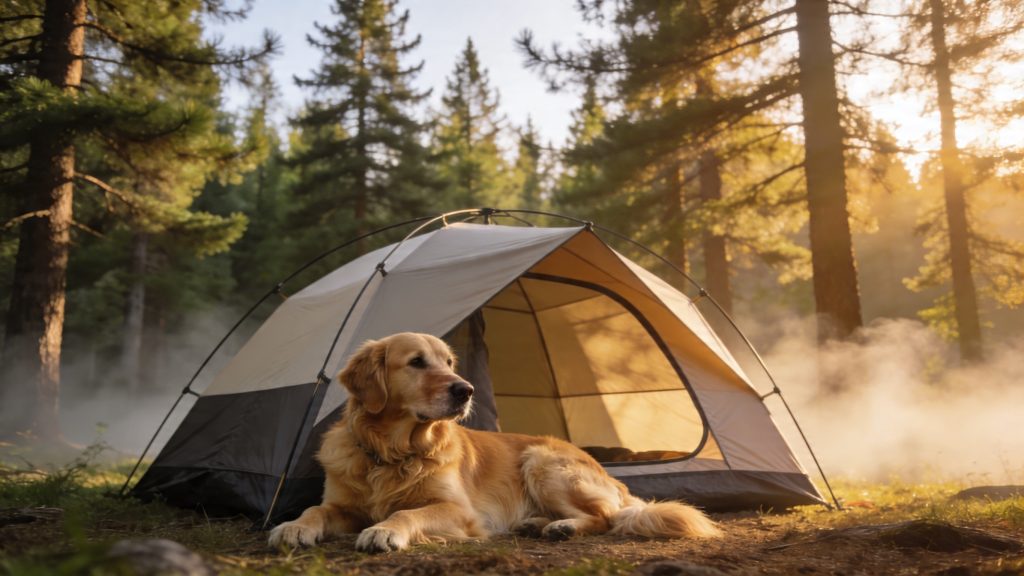
Going camping with your dog in nature is an ideal combination. Together with your faithful four-legged friend you can fully enjoy the fresh air. It gives you space for long walks, play and relaxation in natural surroundings. With good preparation and the right choice of campsite you can enjoy a stress-free holiday. You will both feel completely at home. Discover which campsites welcome your dog and how to plan your stay in the best possible way.
Why choose a nature campsite with your dog
Camping in nature means direct access to forests, dunes, hills or lakes. For dogs, this is an excellent opportunity. They can move around freely. They discover new scents. Many nature campsites offer extra facilities such as off-lead areas, dog showers and play fields. This way you are not limited to keeping your dog on a lead on the campsite and your dog can run and play safely.
Camping also gives you the chance to organise your days freely together with your dog. You are not tied to fixed meal or walk times. In many hotels, that is the case. Most campsites welcome dogs as long as you respect the house rules. These rules are often practical. Dogs must be kept on a lead in communal areas. You clear up dog mess immediately. This prevents nuisance for other guests.
‘ The Netherlands has various campsites in natural areas where dogs have space several times a day. ’
Nature campsites that welcome dogs
Not every campsite is suitable for a holiday with a dog. Prefer locations with dog-friendly facilities. These campsites actively focus on that. The Netherlands has various campsites in natural areas where dogs have space several times a day.
Veluwe: forests and off-lead areas
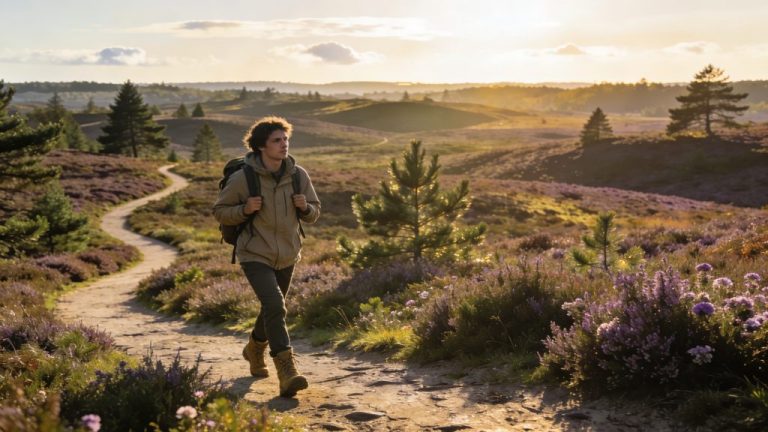
The Veluwe is known for its extensive forests and heathlands. Campsites in this region often offer direct access to walking trails and off-lead areas. Dogs are allowed to run without a lead there. Some campsites accept up to four dogs per pitch at no extra cost. Think of locations with fenced fields and dog showers where you can rinse off the mud after a woodland walk.
Overijssel: heathland and sand drifts
In the area around Ommen you can combine camping with special natural landscapes. Dogs have space on play fields and can use dog splash pools. Sand drifts and heathlands offer varied walking routes. These routes start directly from the campsite. Campsites in this area are often small-scale and have spacious pitches, so you are less bothered by crowds.
Coastal area: dunes and beach
For those looking for a combination of beach and nature, campsites by the coast are ideal. Walks through the dunes and trips to the beach provide variety. Do pay attention to access times and areas. Check where dogs are allowed. In the early and late season, dogs are often welcome in more places. During the summer months, dogs are only welcome on many beaches before or after certain hours.
Rules and points to note for camping with a dog
Each campsite has its own house rules. It is advisable to read them in advance. Usually dogs must be kept on a lead in communal areas. Think of playgrounds, areas with play equipment and sanitation buildings. In off-lead areas they may move around freely. They do, however, need to respond well to commands. They must not bother other dogs or guests.
Clear up dog mess immediately with a poo bag. Many campsites have special bins for dog waste. Respect quiet hours and prevent barking. Barking can disturb other guests. This applies especially in the evenings and early mornings. Some dogs are sensitive to stress or anxiety. Do not leave such a dog alone in a tent or caravan. Some campsites offer dog-sitting options. Others have a dog boarding facility nearby.
If you have more than one dog, it is sensible to discuss this in advance. Some campsites accept a maximum of four dogs per pitch. Others limit this to one or two. Also ask about any extra costs. At many dog-friendly nature campsites several dogs are welcome at no extra charge.
Activities in nature with your dog
The area around nature campsites offers many possibilities. You can be active there with your dog. Think of walking, swimming or playing. Walking often comes first. Longer hikes through forests, across heathlands or along water keep your dog fit. This applies both physically and mentally. Plan routes in advance. Choose distances and a pace that match your dog’s fitness level and age. Breaks with water and shade are important, especially in warm weather.
Trips to the beach are popular. They add variety. Playing with a frisbee or swimming in the sea or a lake keeps your dog occupied. Check in advance whether dogs are allowed. Also pay attention to strong currents or other dangers. Search games on the campsite or nearby fields are also suitable as relaxation between walks.
Some campsites organise activities especially for dogs. Think of training holidays or dog splash sessions. Ask when booking about special events during your stay. Brasseries or terraces nearby also often welcome dogs, so you can enjoy a picnic or a visit to a café terrace together.
‘ Good preparation starts with that. ’
Practical gear and tips for the road
Pack the right items. Good preparation starts with that. Take a portable water bowl with you for during walks. A long lead gives your dog more freedom of movement. You use it in places where off-lead walking is not allowed. A parasol or sun canopy provides shade on your pitch, especially when there is little natural shelter.
In warm weather a cooling coat is useful. It helps prevent overheating. Think of using it in the car or during midday walks. Check your dog regularly for ticks after a walk in the woods. A first aid kit helps with minor injuries. Take tweezers, disinfectant and bandages with you.
Your dog likes to move around freely. He does not want to be on a lead all the time. Consider therefore putting a fence around your pitch. Some campsites allow this. You create a safe zone. Your dog can lie there or play. You do not have to watch him constantly. Some travellers look for comfort without their own tent or caravan. Glamping with dog access is then an alternative.
Choose activities that suit your dog
Not every dog has the same needs. A young energetic dog needs more exercise than an older dog. Adjust walking distances and intensity. Take into account what your dog can handle. Walks that are too long can lead to tired paws. Joints can also become overloaded. Too little activity leads to restlessness and boredom.
Pay attention to signals from your dog. He starts to pant. Then take a break. He starts looking for shade. Give him rest. He has trouble keeping up. Stop for a while. Make sure there is enough drinking water and rest between activities. Give your dog time. He has to get used to the new surroundings and sounds on the campsite. Take it easy on the first day. This reduces stress.
Avoid crowded places or situations that cause fear. Not every dog feels comfortable around many strangers or other dogs. Choose quiet times for walks. Go early in the morning or later in the afternoon. This way you avoid the crowds and enjoy more peace and quiet in nature.
Experiences of other dog owners
Many dog owners report positive experiences with camping in nature. Owner and dog are close to each other. The environment is relaxed. This strengthens the bond. Dogs clearly enjoy the freedom. They also enjoy all the new impressions. Off-lead areas and dog showers are often mentioned as practical extras. They make the stay pleasant.
The possibility to start a walk directly from your pitch is also appreciated. You do not first have to drive kilometres to a forest or field. You can go outside several times a day. You can organise your day flexibly. Campsites with play fields and dog splash pools provide variety. They add extra fun.
‘ You set off with confidence. ’
Discover more about nature holidays with your dog
On the Traveler Tips website you will find extensive information. The topics are varied: travelling with pets, camping locations and practical travel tips for your holiday. You will find routes through natural areas. You can also read about regulations for travelling with a dog by car or train. There are more useful articles available. They help you to plan your next trip better. You set off with confidence.
Frequently asked questions
In nature reserves your dog almost always has to be kept on a lead, unless an off-lead zone is explicitly indicated. You must check the local (park or land) rules in advance, because some nature or quiet areas completely or partly prohibit dogs, or only allow them outside the breeding season. Staying overnight (wild camping) with a dog outside official camping areas is prohibited in most countries and sometimes requires special permission or a designated bivouac area. On official nature campsites there are often extra rules, such as a maximum number of dogs per pitch and an obligation to clear up dog mess.
Always keep your dog under supervision and preferably on a lead, and avoid dense undergrowth or places with many signs of wildlife to limit encounters with wild animals. Learn to recognise local risk plants (such as stinging nettles or poisonous berries) and prevent your dog from chewing on them or running through them. Provide protection against the weather with enough shade, a dry and draught-free sleeping place, extra blankets in cold weather and fresh drinking water at all times. Take a first aid kit with you (for ticks, small cuts, overheating) and check your dog daily for wounds, ticks and signs of stress.
Some of the most dog-friendly nature campsites in Europe are in the Netherlands, such as on the Veluwe (for example Camping Samoza and Huttopia De Veluwe), where you can walk straight into the forest from your tent and often find off-lead areas and dog showers. In Ommen (including Camping Ommerland) you camp in the middle of forest, heathland and sand drifts with special dog play fields and swimming opportunities. On the Dutch coast, such as at Camping Geversduin, you can combine dune and forest experiences with beach walks where dogs are (partly) allowed off the lead. Various nature campsites and small-scale forest campsites such as De Noordster and De Boshoek also offer spacious, green pitches and good walking opportunities directly from the campsite.
For your dog, at the very least take a comfortable place to sleep (blanket or dog bed), enough food and snacks, a portable water bowl with water, a long lead, collar or harness with ID tag, poo bags and, if necessary, a cooling coat and parasol for shade, plus a simple first aid kit (including for ticks and small wounds). Prepare in advance by checking the campsite’s house rules (lead requirement, number of dogs, off-lead areas) and by looking up dog-friendly walking or swimming spots in the area. Practise at home with sleeping in a tent or caravan and with longer (on-lead) walks so that your dog knows what to expect. Finally, ensure enough rest periods and do not leave your dog alone in the tent or caravan if he is sensitive to stress.