NL
NL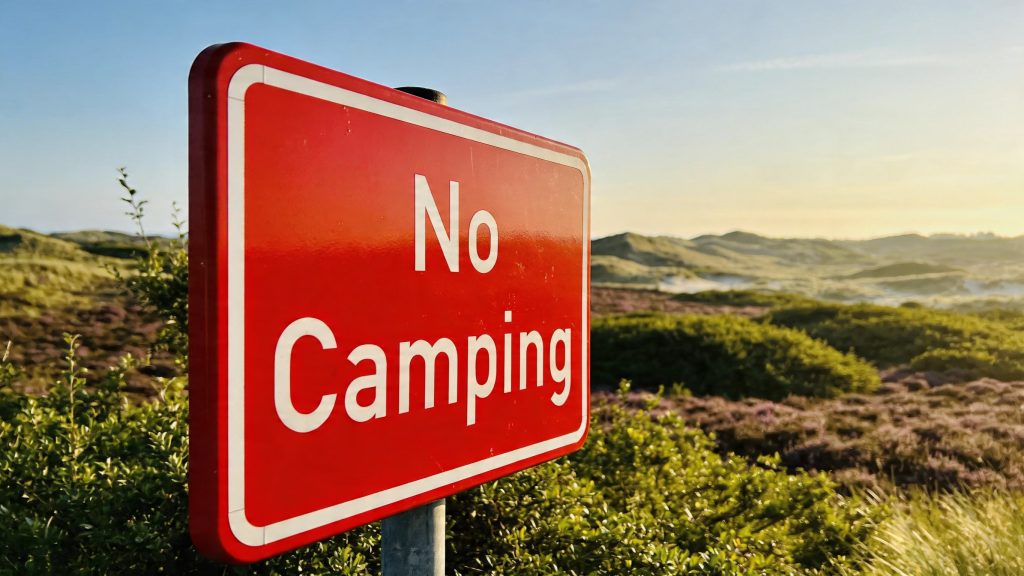
Wild camping in the Netherlands is not allowed, regardless of whether you use a tent, motorhome or bivvy. The law prohibits camping outside designated sites in order to protect scarce nature and prevent nuisance. This means that anyone who still pitches their tent in the dunes, the forest or along the beach risks fines of up to 500 euros per person. Fortunately, there are legal alternatives that offer a similar sense of being outdoors without legal risks. Discover below what is allowed and how to plan smartly for your next outdoor experience.
Why is wild camping prohibited in the Netherlands?
The Netherlands has relatively few nature areas in proportion to the number of inhabitants. This makes nature vulnerable to disturbance and damage. Municipal General Local Regulations (APVs) prohibit camping outside official sites. Fines range from 140 to 500 euros per person. The amount depends on the location. The circumstances also determine the level of the fine.
Enforcement mainly takes place during busy periods such as the summer. Protected nature reserves are also strictly monitored. Forest rangers and enforcement officers regularly check for illegal camping. Certain behaviours significantly increase the risk of a fine. Think of lighting open fires. Leaving rubbish behind also falls into this category. Staying longer than one night likewise increases the chance of being fined. Walkers also regularly report illegal campers to land managers.
The strict rules apply to all forms of overnight stays in nature. This also applies to camping with motorhomes, caravans and bivvy bags. This sets the Netherlands apart from countries such as Norway and Sweden, where wild camping is actually allowed under certain conditions.
‘ But as soon as you spend the night without permission, you are breaking the law. ’
What are the rules in national parks?
In Dutch national parks there is an absolute ban on wild camping. These areas are specifically protected. They have high ecological value. Staatsbosbeheer, Natuurmonumenten and other land managers enforce the rules strictly here in order to protect flora and fauna.
Fines in national parks are at the upper end of the scale. In case of violations, the fine can rise to 500 euros. Parking motorhomes overnight is not allowed either. This also applies to car parks in or near national parks. Inspectors know the places where illegal camping occurs regularly and patrol them more often.
The rules do not only apply to tents. A bivvy bag, hammock or lightweight shelter also falls under the definition of camping. Anyone taking a short rest during a walk is an exception. But as soon as you spend the night without permission, you are breaking the law.
Legal alternatives to wild camping
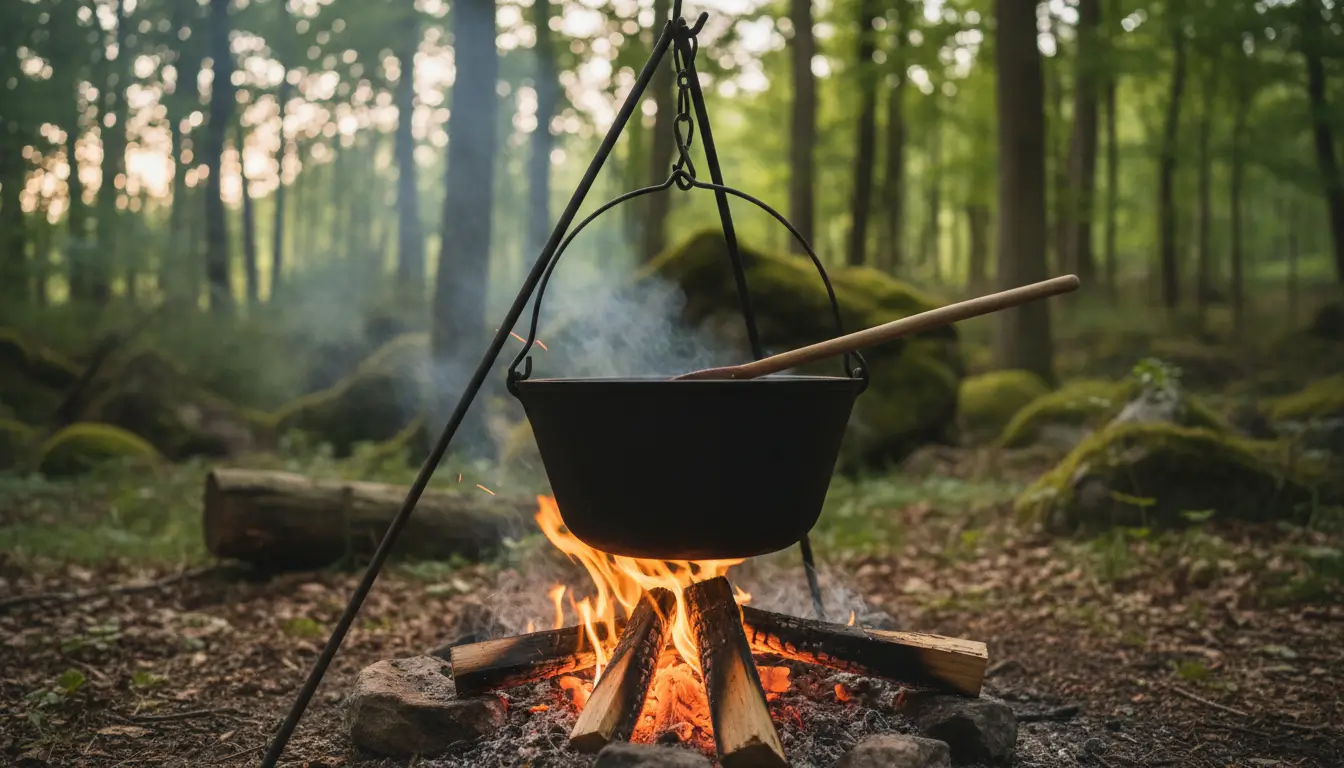
Pure wild camping is not permitted. Even so, there are several legal options. These alternatives are specially designated. Travellers seek peace and nature. The options offer them a safe and lawful choice.
Pole camping sites
Pole camping sites are designated places in nature where you are allowed to camp legally. These locations are marked with a wooden pole. They offer space for a maximum of three tents within a radius of 10 metres. You may stay here for up to 72 hours, without electricity or sanitary facilities.
Stichting Wildkamperen (Wild Camping Foundation) manages a network of camping spots in the Netherlands and Belgium. These are so-called pole camping sites. On their website you will find a map with all locations. These spots are often located in the middle of nature and offer an authentic camping experience. Book in advance. Popular spots fill up quickly. That way you avoid disappointment.
Camping on private land
A flexible alternative is to ask landowners in the countryside for permission. Many farmers, estate owners and residents of remote areas are open to travellers. These travellers politely ask for permission. This option works particularly well for cyclists and walkers.
Make clear agreements about the use of toilet facilities. Also discuss how rubbish will be dealt with. Make sure you have clear agreements about open fires. Leave the place cleaner than you found it. This informal form of camping requires respect and communication. It often results in valuable contacts. You frequently get local tips as well.
Night fishing with a fishing permit
Some anglers have a valid fishing pass (fishing permit). They have permission to fish at night. In that case they may use a shelter by the water. Note: this does not mean a full-sized tent. It is a simple shelter against the elements. You may be breaking the fishing rules. Or you may be using a full tent. In that case you will still receive a fine.
Nature campsites
Nature campsites offer a middle way. They sit between wild camping and traditional campsites. These small sites have minimal facilities. They are often located in wooded or natural surroundings. They are designed especially for travellers seeking peace and quiet without luxury.
These sites often accept a maximum of 20 to 30 guests at a time. They have strict rules about noise and rubbish. Booking is compulsory. Costs are low, usually between 10 and 20 euros per night. Search online for nature campsites in the region you want to visit.
Leave No Trace principles
Do you use a pole camping site or a privately owned piece of land? Then the Leave No Trace principles (international guidelines for minimal impact on nature) are essential. These guidelines ensure that nature remains undamaged for others. They also keep the ecosystem intact.
- Take all your rubbish with you, including organic material such as fruit peels
- Do not light open fires unless explicitly permitted
- Stay on marked paths to prevent erosion
- Respect wildlife by keeping your distance and staying quiet
- Use biodegradable soap at least 70 metres away from bodies of water
- Leave natural objects such as plants, stones and wood where they are
These principles apply to legal camping spots. They also apply to day hikes. The principles help reduce the impact of outdoor recreation. By applying them consistently, you help to preserve nature for future visitors.
‘ Make sure you take all packaging back with you. ’
Practical tips for legal outdoor overnight stays
With the right preparation you can make good use of the legal camping options in the Netherlands. These tips ensure a comfortable and hassle-free experience.
Always take enough water with you. Pole camping sites and private locations do not have drinking water facilities. Calculate at least 3 litres per person per day. You will use this water for drinking and cooking. Take rubbish bags with you. Make sure you take all packaging back with you.
Check the local APV of the municipality in advance. This is where you want to spend the night. Some municipalities have additional rules regarding camping. There are sometimes extra rules about lighting fires as well. Parking motorhomes may also be regulated differently. You can find this information on the municipal website. You can also contact the municipality directly.
Avoid nature areas with forest rangers if you do not have official permission. Arrive late and leave early. This keeps nuisance to a minimum. Do not put camping chairs or other visible items outside. These attract attention.
What if you still camp illegally?
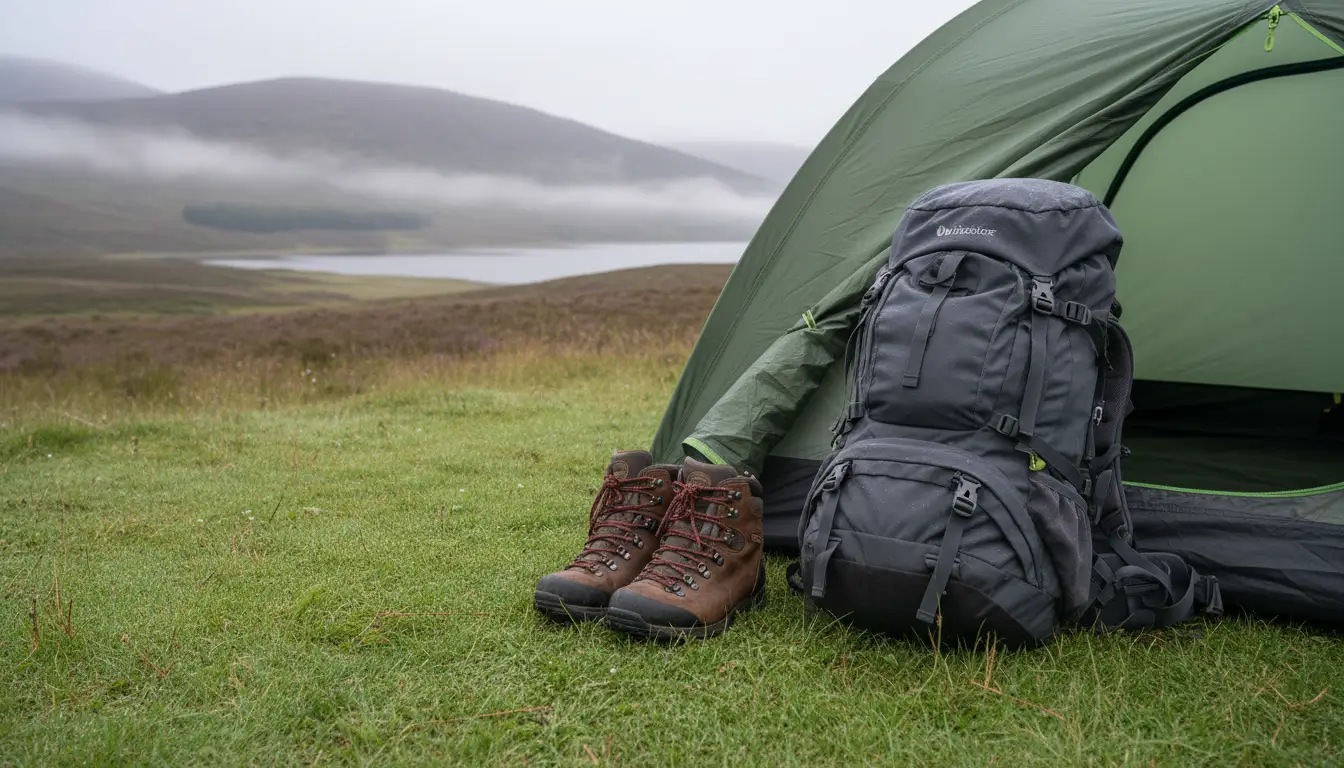
If you choose to camp without permission, you must expect inspections and fines. Municipal enforcement officers, police and forest rangers enforce the rules. These authorities have the powers to do so. They can order you to leave immediately.
The fine for illegal camping varies. The seriousness of the offence determines the amount. Pitching a simple tent in the forest can quickly result in a fine of 140 euros per person. Multiple infringements are possible. Think of lighting open fires. Leaving rubbish behind also counts. In that case fines can rise to 500 euros or more per person.
During busy periods the chance of being caught is greater. The risk also increases in popular nature areas. Reports from other visitors lead to inspections. A fine is more expensive than a legal camping spot. The risk is not worth it.
Comparison with other countries
Some travellers love to camp wild. Neighbouring countries sometimes offer more options. Belgium has bivouac zones. There, overnight stays are allowed under certain conditions. France allows wild camping at least a 1-hour walk from public roads. It is permitted between 19:00 and 09:00. This time window is strictly applied.
Scandinavian countries such as Norway and Sweden have the right of public access (allemannsretten), which grants access to nature and land. This right allows wild camping at least 150 metres from dwellings. Germany has regional differences. In most federal states the country prohibits wild camping. Scotland allows wild camping almost everywhere, provided you respect the Scottish Outdoor Access Code.
Cross-border trips offer more possibilities for outdoor overnight stays. Always make sure you are well informed about local regulations before you cross the border.
‘ Explore the different articles and discover how to travel more smartly and more consciously. ’
Discover more about camping and nature holidays
On the Traveler Tips website you will find extensive information about nature holidays and camping destinations. Practical travel information is also available. The website offers routes through Europe. You will find tips on gear and preparation. This allows you to plan your next trip properly. Explore the different articles and discover how to travel more smartly and more consciously.
Frequently asked questions
In principle, wild camping is prohibited in the Netherlands; you are not allowed to spend the night with a tent, motorhome or caravan outside official camping areas. Municipalities prohibit this in their APVs and the rules are actively enforced, with fines that can run to hundreds of euros per person. You can approximate the “wild camping feeling” legally via designated pole camping places (with strict rules such as a maximum of 3 tents and a 72-hour stay), camping on private land with the explicit permission of the owner or, for example, while night fishing with a fishing permit and a simple shelter. Always check the local rules and only use officially permitted spots.
Wild camping is in principle prohibited in the Netherlands; camping outside designated areas generally falls under a municipality’s APV. Fines are usually somewhere between €140 and €500 per person, depending on the municipality, the area (for example a protected nature reserve) and the circumstances. The penalty is usually a fine and an immediate obligation to move on: you must clear your camp and leave straight away. In cases of additional offences (such as open fires, dumping rubbish or damage to nature) extra fines or criminal prosecution may follow.
You get the closest back-to-nature experience at pole camping sites, because these spots are very basic, lie in the middle of nature and have hardly any facilities. Small-scale nature campsites (especially the more primitive ones run by Stichting Natuurkampeerterreinen) also provide a similar feeling thanks to their quiet location, limited number of pitches and natural layout. Camping with private landowners on a farmyard or estate can also come close to that feeling, as long as the site is quiet and kept simple.
In the Netherlands, spending the night in a vehicle (car/motorhome) in public places outside official campsites is in principle prohibited under municipal APVs and nature regulations; it falls under the same ban as wild camping. Enforcement and the level of fines (roughly €140–€500 per person) vary by municipality and location, and are stricter in nature areas and on beaches. Some municipalities allow short-term parking with overnight stays in a motorhome at designated motorhome pitches, but these are explicitly marked places and therefore not “wild” locations. Always check the local APV or signs on site; without explicit permission or a designated place you risk a fine.
Wild camping is prohibited in the Netherlands, so choose legal alternatives such as pole camping sites, nature campsites or camping with private landowners with their explicit permission. Prepare by taking enough water, food and good gear (lightweight tent, sleeping bag, sleeping mat, waterproof clothing) so you can spend the night comfortably in a minimalist way. Check each municipality’s APV and any rules for nature reserves, especially if you are travelling around by train or car, so that you are not staying somewhere illegally. Always follow Leave No Trace: no fires, take all your rubbish with you and respect the peace and quiet.