NL
NL
Camping in nature with your family creates more space, freedom and unforgettable memories. Children romp between the trees, build dens and learn by observing animals, while parents enjoy peace and simplicity. Small-scale nature campsites in the Netherlands offer safe woodland spots, play facilities and direct access to adventure without the crowds. Camping among heathlands, forests and streams gives your family the chance to truly explore together.
Why nature camping is ideal for families
Nature campsites are deliberately set up to be small-scale and tranquil. The combination of space, greenery and limited facilities challenges children to play independently. They catch tadpoles in streams, climb trees and discover farm animals. This environment offers a pleasant balance between freedom and safety, especially for children up to 12 years old.
Parents appreciate the warm atmosphere without commercial hustle and bustle. Many campsites follow sustainable principles and have environmental certificates. Children unconsciously learn about nature conservation by joining in activities such as baking bread over a fire or helping out on a neighbouring farm. The result is less screen time and more real family experiences.
Which nature campsites are suitable for families
The Netherlands has dozens of nature campsites that focus on families. The Veluwe, Overijssel and De Meinweg National Park are popular regions with options for different ages. Many of these campsites offer more than 80 pitches with child-friendly facilities such as sandpits, volleyball courts and natural playgrounds.
Examples of suitable campsites:
- De Lemeler Esch (Overijssel) – Nature as a playground with opportunities for climbing, building dens and catching tadpoles. Accommodation via tent pitches, chalets and cahuttes.
- Huttopia De Meinweg (Limburg) – Heated swimming pools with a separate toddler pool, natural playground and sports fields. Tent and caravan pitches or hikers’ cabins available.
- Kriemelberg Bushcamp (Veluwe) – Camping in the middle of the forest with plenty of privacy and space for exploration.
- De Vledders (Drenthe) – Play space in the greenery with a relaxed, informal atmosphere.
- Landgoed Ottermeer (Friesland) – Summer holiday paradise with endless play opportunities, particularly suitable for school-age children.
These campsites place emphasis on safety and offer direct access to walking routes, heathlands and bodies of water. When making your choice, it helps to check in advance which specific facilities are available.
Tips for preparing for nature camping with children
Good preparation makes the difference between a relaxed holiday and unexpected challenges. You do not need extensive luxury, but you do need the right basic kit and a bit of planning.
Choose a campsite based on age
Young children from 0 to 6 years benefit from campsites with a toddler pool or a safe little stream. For older children from 7 to 12 years, sites with space for building dens and treasure hunts are more attractive. Also consider the distance to amenities such as shops and first aid.
Packing list for a comfortable holiday
Make sure you have prepared the following categories properly:
- Sleeping and comfort – Correctly sized airbeds, child-friendly sleeping bags and a mosquito net against insects.
- Food and cooking – Cool box, gas stove and sticks for roasting marshmallows over the campfire.
- Safety – First aid kit, enough sun cream and reflective bands for bike rides or walks.
- Play and explore – Binoculars for birdwatching, a landing net for streams and playing cards for rainy moments.
When packing, take into account more changeable weather than you might expect. An extra tarp protects against rain and keeps the living area dry.
Activities that keep children occupied
Nature campsites offer little organised entertainment, which actually leaves room for your own ideas. Organise your own small treasure hunts where children look for mushrooms, birds or animal tracks. Building little dams in a stream can keep children busy for hours.
Many campsites are next to farms where children are allowed to help take care of the animals. Other popular activities include collecting sticks for a campfire, stargazing when it gets dark and baking bread on a stick together. The great thing about these activities is that they require little preparation and make full use of the natural surroundings.
‘ Wild camping is not permitted in the Netherlands, with the exception of special farm campsites that are affiliated with SVR. ’
Practical considerations and regulations
Book your pitch in good time via platforms such as natuurkampeerterreinen.nl, especially during the summer holidays. Campsites in nature reserves often have limited capacity due to their small scale.
Check the fire regulations at your chosen campsite beforehand. Open fires are not permitted everywhere and extra restrictions often apply during dry periods. Wild camping is not permitted in the Netherlands, with the exception of special farm campsites that are affiliated with SVR.
Environmental certificates such as the EU Ecolabel or green campsite labels provide insight into how environmentally friendly a campsite operates. This helps if you want to travel consciously and give children an example of treating nature responsibly.
What you can expect during your stay
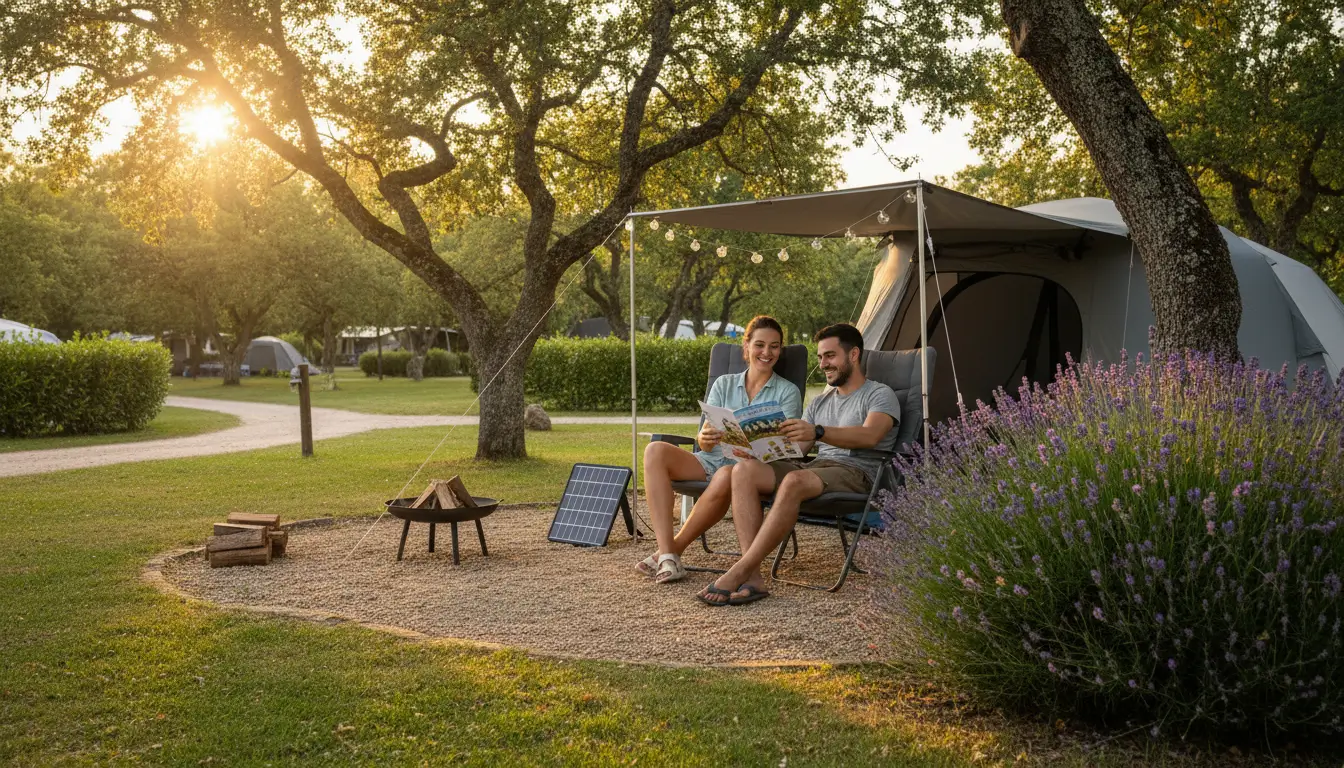
Nature campsites are quieter than large-scale holiday parks. Do not expect extensive shops or entertainment programmes. This also means that children have to take their own initiative to entertain themselves, which is actually very educational.
The cost of a pitch is between 25 and 40 euros per night for a family of four. Rental accommodation such as hikers’ cabins or chalets starts at 80 euros per night. This makes nature camping an affordable option for families looking for a mindful holiday without commercial distractions.
Rain is part of nature camping. Prepare with waterproof clothing and activities for inside the tent, such as games or reading aloud. This prevents disappointment and keeps the sense of adventure intact.
Sustainable travel to your camping destination
Consider travelling by train and bike to nature campsites in the Veluwe or Overijssel. Many campsites are within cycling distance of a railway station. This reduces the environmental impact of your trip and makes the journey itself part of the adventure.
For families with young children or a lot of luggage, the car remains a practical option. In that case, choose campsites with an environmental label so you can continue your conscious choices at your destination.
On the Traveller Tips website you will find much more information about routes, preparation and other nature holidays that match your travel plans. Discover even more tips and destinations that help you organise your next holiday smartly and consciously.
Frequently asked questions
Use filters on platforms such as natuurkampeerterreinen.nl or SVR to search for child-friendly, small-scale campsites with plenty of play space and traffic-calmed fields. Read reviews from families (for example blogs, r/kamperenNL) to check whether there is real nature experience: building dens, streams, woodland directly next to the campsite. Pay attention to comfort facilities such as clean sanitary blocks, possibly a small swimming pool or toddler pool and a covered play or shelter area for when it rains. Ideally, choose a campsite in or directly next to a nature reserve (Veluwe, Overijssel, De Meinweg), so you can walk straight into nature from your pitch.
Essential items include good sleeping bags and mats, a sturdy tent, a first aid kit, plenty of layers of clothing, rain and sun protection, a cooking set with gas stove and cool box, and practical children’s items such as a portable lamp, wellies and possibly a mosquito net. Also take simple outdoor toys and discovery items, such as binoculars, a landing net, cards or a game for rainy moments. Pack smart by giving each child their own bag with clothes, organising items by category in transparent bags or crates, and reserving a fixed place in the tent for important items (keys, torches, toilet roll). Finally, take the weather into account by always bringing a tarp or awning, extra dry clothes and a set of emergency snacks and drinks.
You can do simple nature treasure hunts where children look for and name leaves, stones and insects. Let them build dens from branches, make little dams in a stream or create mud kitchens. Making a campfire together (with supervision), roasting bread on a stick or marshmallows and telling stories outdoors are safe and cosy. Take binoculars for birdwatching and end the day by looking at the stars and finding the constellations.
Take suitable clothing and layers for changeable weather, plus a tarp or extra groundsheet so children can play outside but stay dry even when it rains. Protect against insects with child-friendly DEET or citriodiol, long sleeves at dusk, a mosquito net for the sleeping area and check daily for ticks. Take a compact first aid kit with plasters, disinfectant, anti-itch gel and possibly oral rehydration salts, and teach children basic rules such as not touching unknown plants. For hygiene, use biodegradable soap, wet wipes, hand sanitiser and a fixed “wee and poo route” (toilet or trowel + hole) with clear rules for the children.