 NL
NL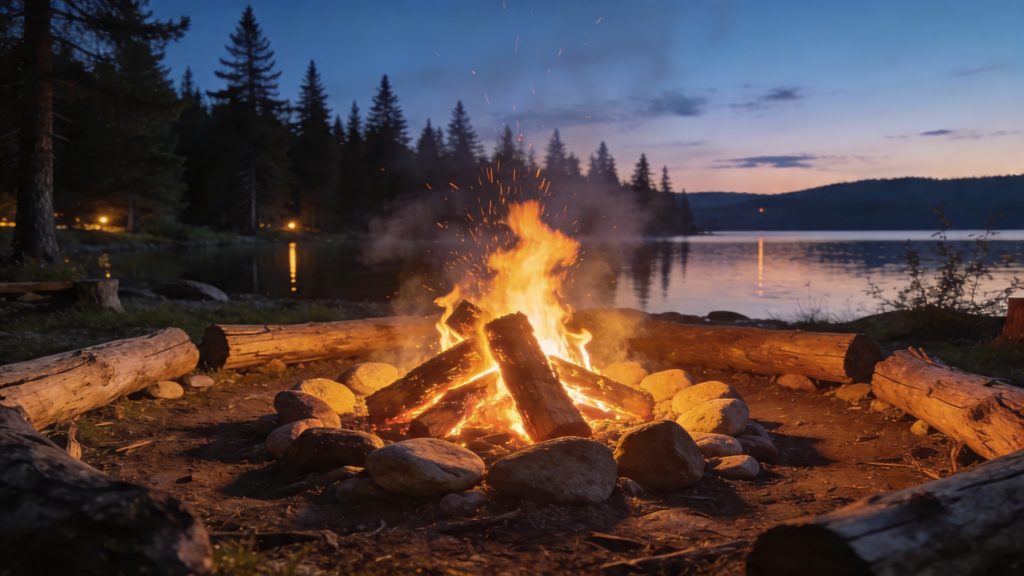
Building a campfire on your holiday requires preparation and vigilance. The difference between a cosy evening and an unwanted fire lies in choosing the right spot, using the right materials and keeping constant watch. This guide explains how to light, maintain and extinguish a campfire responsibly. Read on for practical techniques and safety rules.
First check whether a campfire is allowed
Before you start, you must check whether you are allowed to make a campfire at all. Campsites often have specific rules, and during dry periods additional restrictions may apply. In nature reserves, campfires are in many cases completely forbidden because of the risk of wildfires. Always check in advance with the campsite or with local authorities.
Some areas have bans on burning during drought or heatwaves. In that case, choose alternatives such as a gas stove or a portable fire bowl on legs. These options provide warmth and a flame without the risk of sparks landing on the ground. When camping in the wild, this precaution is especially important.
‘ Material underground can smoulder there for a long time and start a fire. ’
Choose the right spot for your fire pit
The place where you build your campfire largely determines how safe it is. Choose an open spot without overhanging branches. Take the wind direction into account so that sparks are not blown towards your tent or other flammable materials. Remove leaves, moss and other organic material for about a metre around the fire pit.
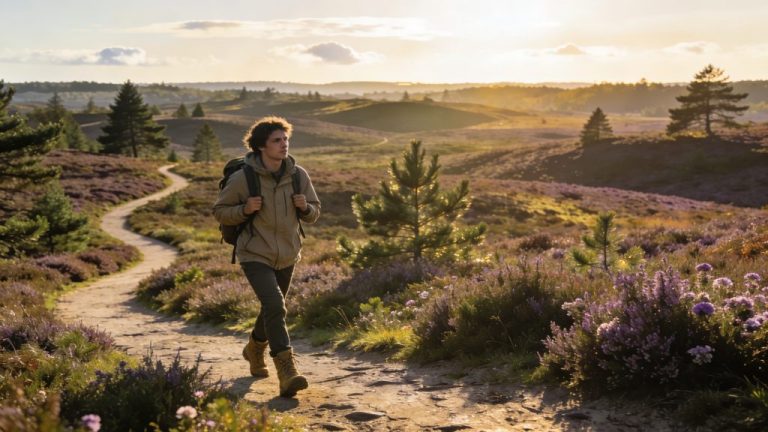
This is especially important in peat, heath and marsh landscapes. Material under the ground can smoulder there for a long time and cause a fire. Dig a shallow pit about 15 centimetres deep and form a circle around the fire pit with the loose soil. You can later use this soil to extinguish the fire if it spreads outside the circle.
Make sure that all items that catch fire easily are kept at a safe distance. Think of your tent, shoes, clothing and rucksacks. A distance of at least three metres is recommended.
Always keep fire extinguishing materials within reach
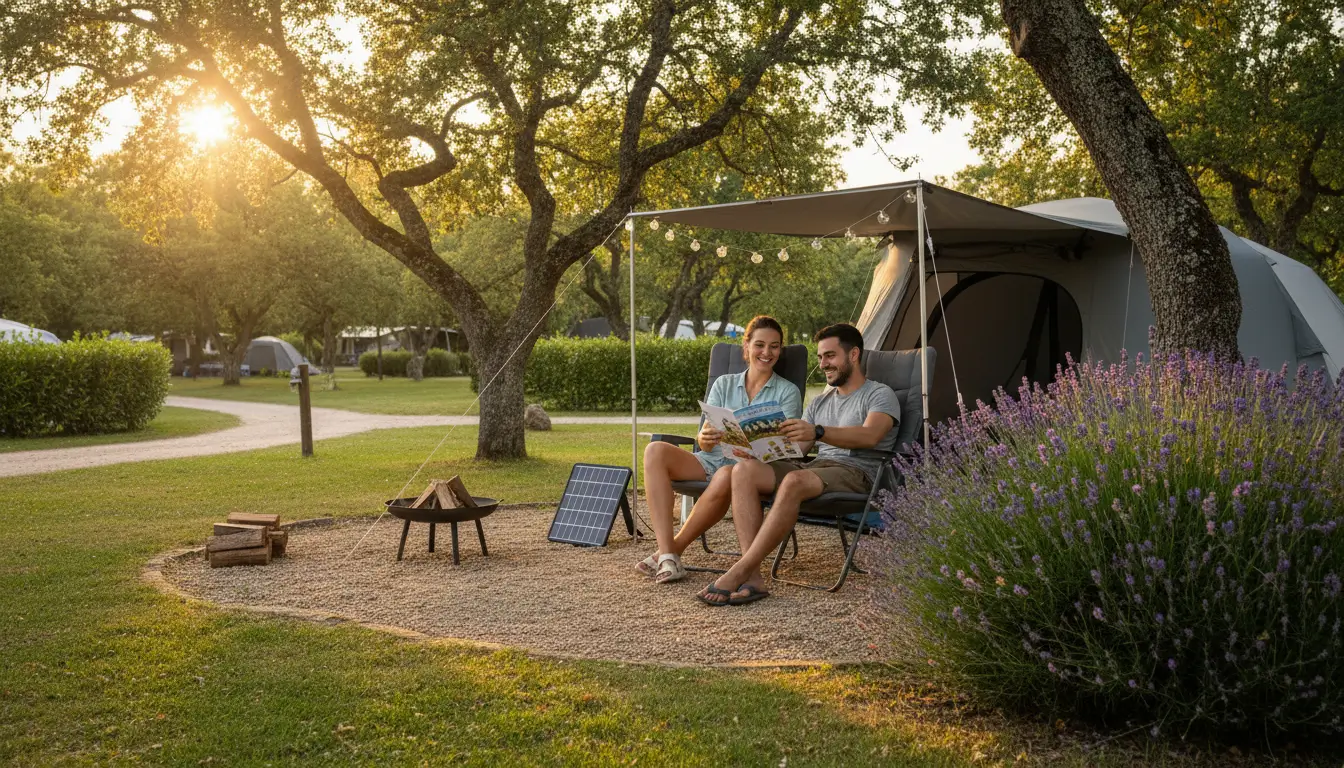
Fire extinguishing materials must be immediately available from the moment you light the fire. This can be water, sand, soil or a fire blanket. A bucket filled with water is the most practical solution and can also be used for other purposes. A well-filled water bag or jerry can also works.
Test beforehand whether you have enough water to fully extinguish the fire. A small campfire needs on average 10 to 20 litres of water to put it out completely. Make sure you arrange this in advance so you do not have to go and get it halfway through.
Which materials to use for a safe campfire
Successfully lighting a campfire requires three types of material. Each has its own role in building up the fire.
Tinder for the first flame
Tinder is easily combustible material that turns a small spark into a flame. Good tinder types are always dry and burn quickly. Examples include birch bark, cattail fluff, dry grasses or cotton wool. Make sure the material is stacked loosely so there is enough air in between.
Kindling to build up the fire
Kindling consists of dry twigs and small branches, roughly as thick as a pencil to a finger. After the tinder has caught fire, carefully add kindling. Work step by step and avoid smothering the flame by adding too much at once.
Firewood for a stable fire
Firewood consists of larger branches, about as thick as your wrist. Add these gradually once the kindling is burning well. Use only dry wood, which you can recognise by cracks in the wood or loose bark. Damp wood burns incompletely, creates a lot of smoke and is inefficient.
Use only clean, untreated wood without paint, glue or preservatives. Burning treated wood is forbidden because of the harmful substances released. Buy firewood with the FSC or PEFC quality mark, from responsibly managed forests.
‘ Do not add too much at once, because a fire needs airflow to keep burning. ’
How to light a campfire step by step
Start by gathering all your materials. Make a stack of small kindling with the tinder in between. Make sure that enough oxygen can reach the fire. You can do this by building the fire on a grate or ash pan, or by stacking the wood in such a way that air can flow in from below.
Light the tinder with matches or a lighter, preferably in several places. By gently blowing on the glowing pieces, the fire will burn better. Make sure the kindling catches fire and add extra kindling if needed. Do not add too much at once, because a fire needs airflow to keep burning.
Once the fire is burning steadily, you can add firewood. Start with smaller pieces and build up to thicker logs. Keep the fire manageable by not adding too much wood at once.
Never leave your campfire unattended
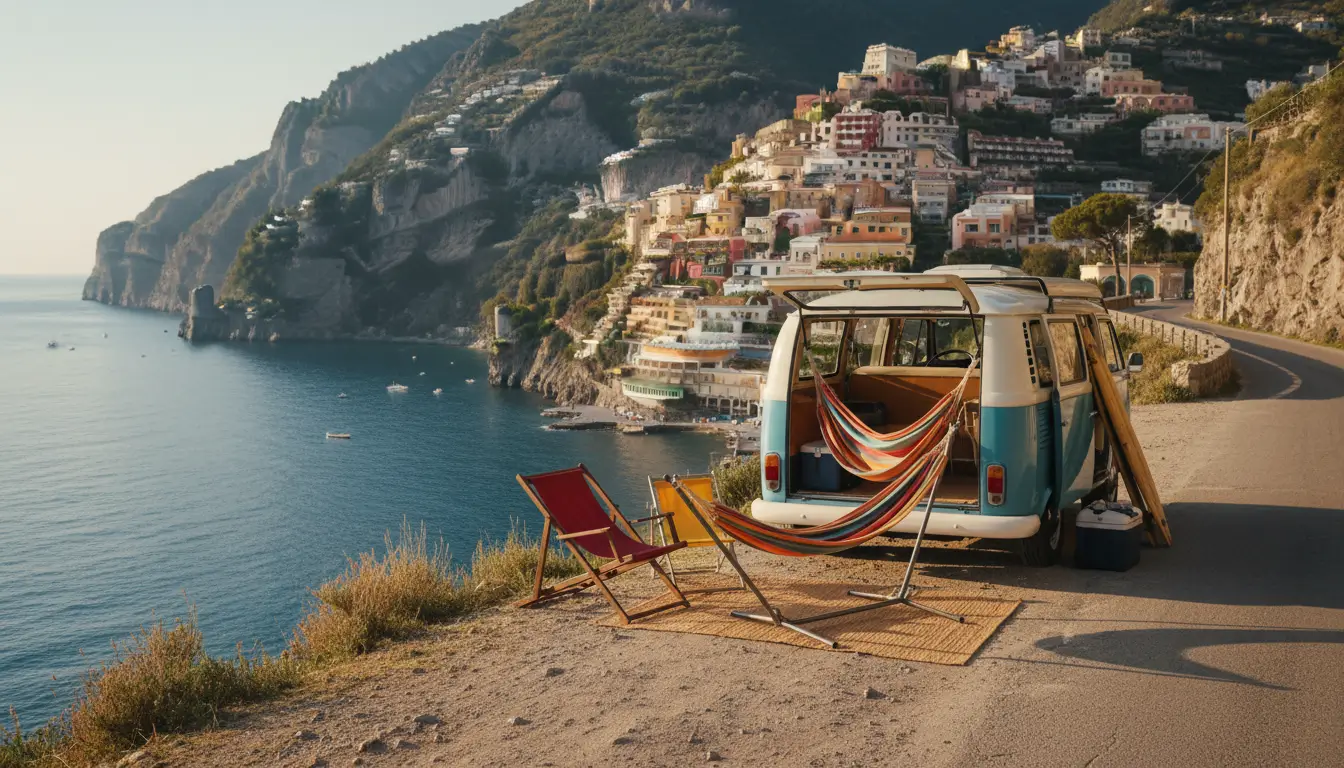
Never leave a campfire unattended. This is the most important rule for campfire safety. As long as the campfire is burning, an adult must keep an eye on it. A single spark carried by the wind onto nearby flammable material can be enough to start a forest or scrub fire.
Regularly check that no sparks are landing outside the fire pit. Be especially vigilant in windy or dry conditions. Keep children at a safe distance and make sure they understand that fire is dangerous.
Which types of wood are suitable for a campfire
Different types of wood have different properties. Hardwoods such as oak, beech and maple burn longer and give more heat than softwoods. Softwoods such as pine and spruce burn faster and produce more sparks, which is less safe.
Preferably use hardwood for a stable campfire with fewer sparks. Only collect dead wood that is already lying on the ground. Do not break branches off living trees; this harms nature and is often forbidden. Check that the wood has no fungi, insects or rotten patches.
Alternatives in areas with fire bans
In areas with a fire ban or during periods of high fire risk, traditional campfires are not allowed. Fortunately, there are alternatives that are safe yet still provide warmth and atmosphere.
- A gas stove or gas burner provides heat without sparks or smoke
- A portable fire bowl on legs prevents sparks from reaching the ground
- Electric heaters at campsites with power supply offer comfort without open flames
- Bioethanol burners produce a real flame without wood or smoke
Always check whether your chosen alternative is allowed at the campsite or in the nature reserve where you are staying. Some locations do not allow any kind of open flame.
Extinguish the fire completely before you leave
The quickest and most effective way to extinguish a campfire is with water. Pour water directly onto the campfire until the hissing stops. Turn the remaining embers over and pour more water over the fire.
First pull the logs apart and extinguish them separately. Hot steam can cause burns. After extinguishing, you should not feel any heat when you carefully move your hand over the remains. Do not touch them directly, but hold your hand a few centimetres above the ash.
You may only leave the fire pit once the last spark has gone out. As a final precaution, dig out the burned soil and put it back as you found it. Use a sturdy knife or a folding spade for this. Leave the spot as you would like to find it yourself.
Extra tips for a clean and safe campfire
Never use dangerous substances such as methylated spirits, petrol or firelighters with chemical additives to light the fire. These products can cause uncontrollable flames and are hazardous to your health.
Do not light a fire in fog or completely still air. Smoke will linger for a long time and can be a nuisance to fellow campers. In windy conditions the risk of sparks being carried away is too high. Choose a time with a light breeze and dry weather.
Never burn rubbish, plastic or food waste in the campfire. This not only causes bad smells and toxic gases, but also attracts animals. Throw leftover food in the designated bins on the campsite.
Keep a checklist of the campfire essentials you have brought. Afterward, check that you pack everything up again and leave nothing behind. Think of buckets, fire blankets and tools.
On the Traveler Tips website you will find much more information about camping, kit and safety in the outdoors. Discover practical tips on choosing a tent, navigation, wild camping and other topics that will make your next trip even better.
Frequently asked questions
You may only build a campfire in places where it is explicitly allowed, such as designated fire pits on campsites or other official camping locations; always check local regulations in advance and any additional bans in periods of drought. Outside official fire pits a campfire is often forbidden, or only allowed with a permit from the local authority or land manager (for example Staatsbosbeheer, Natuurmonumenten or an equivalent organisation abroad). Ask the owner or manager of your camping spot whether specific conditions apply, such as limited times, maximum size or compulsory use of an existing fire basket. Use only clean, untreated wood and comply with any extra safety rules that may apply at your destination.
Choose a spot for your campfire where fire is allowed, on mineral or bare ground, well away from dry grass, leaves, roots, peat and overhanging branches or tent fabric. Keep sufficient distance from tents and other kit, and make sure there is at least a one‑metre strip cleared of flammable material around the fire pit. Pay attention to wind direction and strength so that sparks are not blown into dry vegetation or onto structures. Avoid fires during extreme drought, strong winds, fog or completely still air where smoke may linger.
You need dry tinder (for example birch bark, cotton wool, dry grass), kindling (thin, dry twigs) and dry firewood (thicker branches/logs), plus matches or a lighter. Prepare a safe fire site: a shallow pit with a clean, bare base and flammable materials (tent, leaves) kept at a distance. Always keep extinguishing equipment within reach, such as a bucket of water, sand/soil or a fire blanket. After use, fully extinguish the fire with water or soil and check that there is no residual heat or smouldering embers.
Extinguish your campfire by slowly pouring water over it while pulling the logs and embers apart with a stick, until no more hissing can be heard. Stir through the ash and glowing remains and pour on more water, continuing until everything feels cold when you briefly hold your hand above or against it. Use only water, sand or soil and do not burn treated wood or rubbish, so you do not leave harmful substances in the environment. Just before you leave, you can spread out the cooled, blackened soil again so the spot looks as natural as possible.