 NL
NL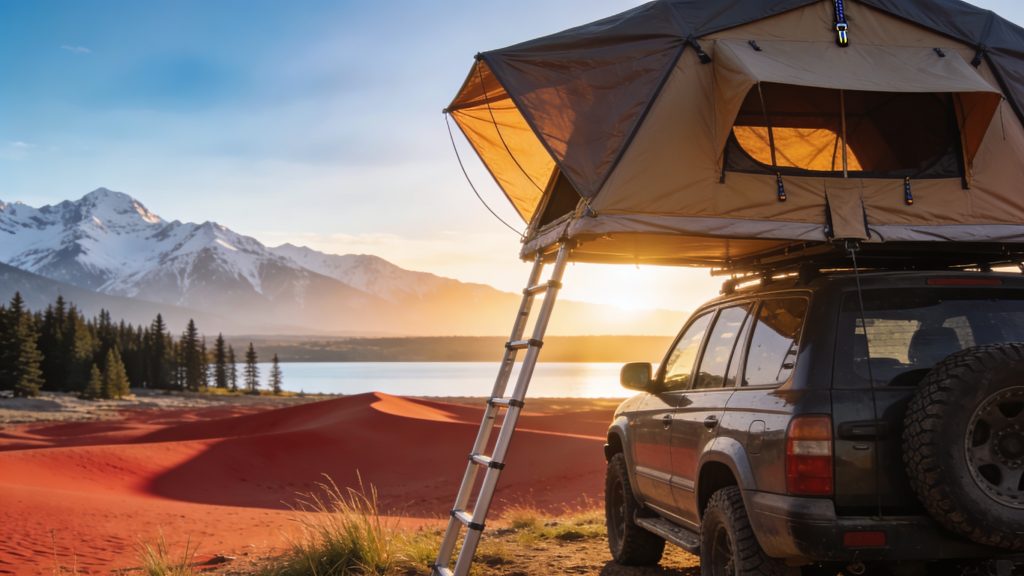
Wild camping during a car road trip gives you the freedom to sleep wherever you like. You are not tied to campsites or hotels. With the right preparation and knowledge about safe places to sleep, you travel flexibly and affordably. At the same time, you stay close to nature. But how do you find legal spots, what gear do you need and what should you look out for? Read on for practical tips that will make your road trip more comfortable and smarter.
Wild camping by car: where is it allowed in the Netherlands?
In the Netherlands, wild camping by car is not allowed. You cannot simply park up and spend the night in nature reserves, forests or along the roadside. Most municipalities have rules that prohibit overnight stays in vehicles, except on official sites. Always check local regulations before choosing a spot.
A good alternative is camping at official small campsites or nature campsites. These often offer basic facilities and are set in the middle of nature. Pole camping sites and motorhome stops are also suitable options for an affordable overnight stay during your road trip. This way you travel within the rules and avoid fines or problems with landowners.
In other European countries, the rules are different. Scandinavia has the “right to roam” (the right to camp freely in nature under certain conditions), which means you may wild camp under specific conditions. In countries such as Germany, France and Spain, the rules differ per region. Find out in advance about local regulations and always respect nature and the surroundings.
‘ This way you won’t be breaking any rules. ’
Finding safe and legal places to sleep during your road trip
Finding a suitable place to sleep requires preparation. Start by exploring official car parks at businesses, service areas along motorways or motorhome stops. These locations are often safer. They are also accepted for short overnight stays. Be discreet, don’t leave any rubbish and leave early in the morning.
For longer road trips, use apps and websites that offer free and affordable places to stay. These platforms show locations where car and motorhome camping is allowed. Choose spots outside residential areas to avoid causing nuisance and to safeguard your safety.
Another option is to ask landowners or farmers for permission. Many private individuals are open to travellers. Treat their land with respect. This often provides a quiet place with access to nature. This way you stay within the rules.
Stealth camping: spending the night in your car without being noticed
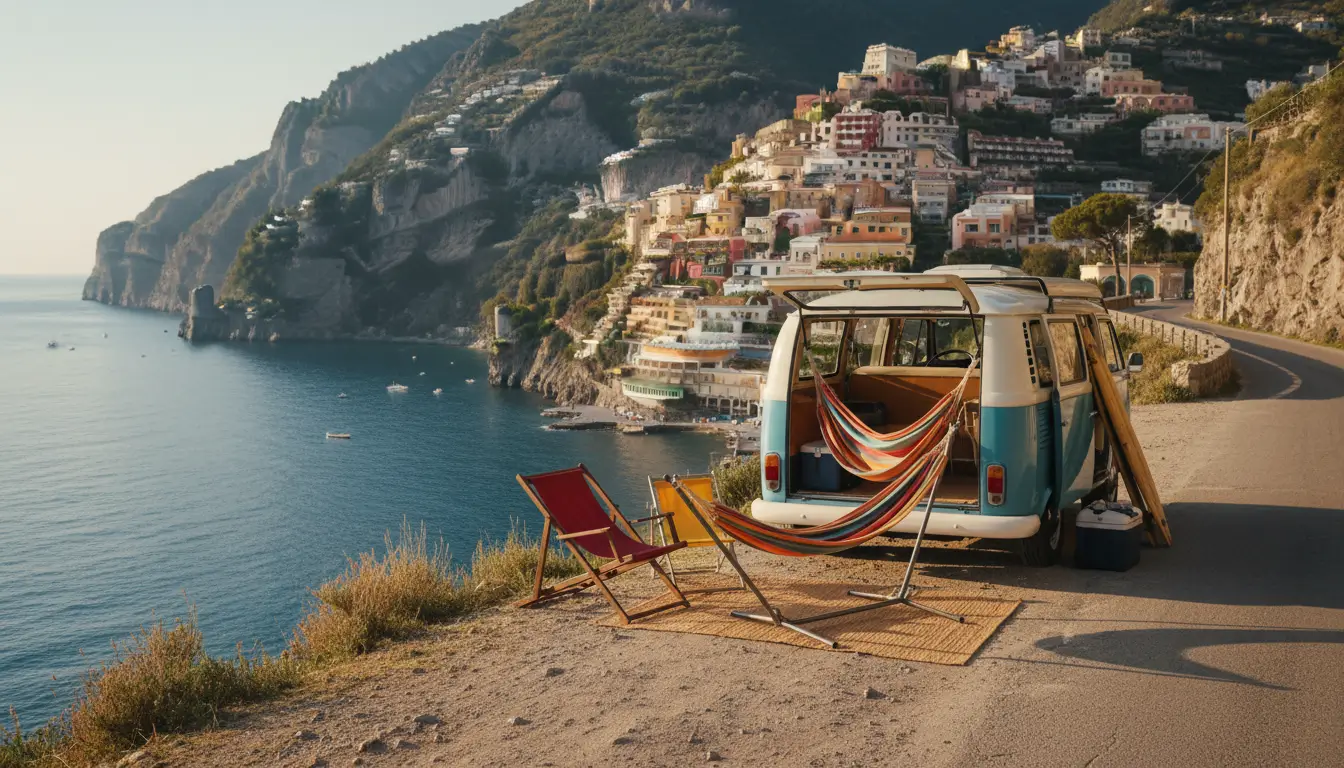
Stealth camping means spending the night in your vehicle as inconspicuously as possible (you pretend you are just parked). This is especially useful in urban areas or places where wild camping is not allowed. The aim is not to draw attention and to give the impression that you are simply parked.
Choose a spot where other cars are parked, such as car parks at supermarkets or sports complexes. Avoid places where you are on your own or might look suspicious. Use curtains or sunshades to prevent people looking in. Make sure no light or sound escapes. Do not start your engine during the night so you don’t stand out.
Take safety into account. Tell someone your planned route and location. Keep valuables out of sight. Lock your car properly. Stay calm and be prepared to move on to another spot if necessary.
Essential gear for sleeping comfortably in your car
The right gear makes the difference between an uncomfortable night and a good night’s sleep. Invest in a good mattress or air bed that fits in your car. This provides comfort and prevents back pain after longer drives. A sleeping bag suitable for the temperatures at your destination is essential.
Ventilation is important to prevent moisture and condensation. Open opposite windows slightly for cross ventilation. Special window meshes or inflatable window vents help to let in fresh air. This keeps insects and too much cold out. A small battery-powered fan can also help on warmer nights.
Think about practical items that will make your trip easier:
- Jump starter for emergencies if your battery goes flat
- Solar panel or power bank to charge devices
- Head torch or rechargeable torch for hands-free light
- Cooking crate with gas burner for quick meals
- Water jerrycans for drinking water and hygiene
- Hot water bottle to warm your sleeping bag in cold weather
‘ Not all areas have petrol stations nearby. ’
Preparing your car for wild camping
A reliable car is the basis for a successful road trip. Before you leave, check the oil, coolant, brakes, tyres and suspension. Take spare tyres and tools such as a jack, wheel brace and a basic toolkit. This prevents you from getting stuck in remote areas.
Make sure you have enough space to sleep and to store luggage. Keep things organised so you can quickly access important items. A storage system with crates or bags helps you keep track of everything. Leave clothing and supplies in the car when you move on and only unpack what you really need.
Think about extra fuel if you are travelling off-grid. Not all areas have petrol stations nearby. An extra jerrycan gives you reassurance and range. Also remember a set of jump leads or a jump starter in case your battery runs down from using electronics.
Practical tips for overnight stops on road trips
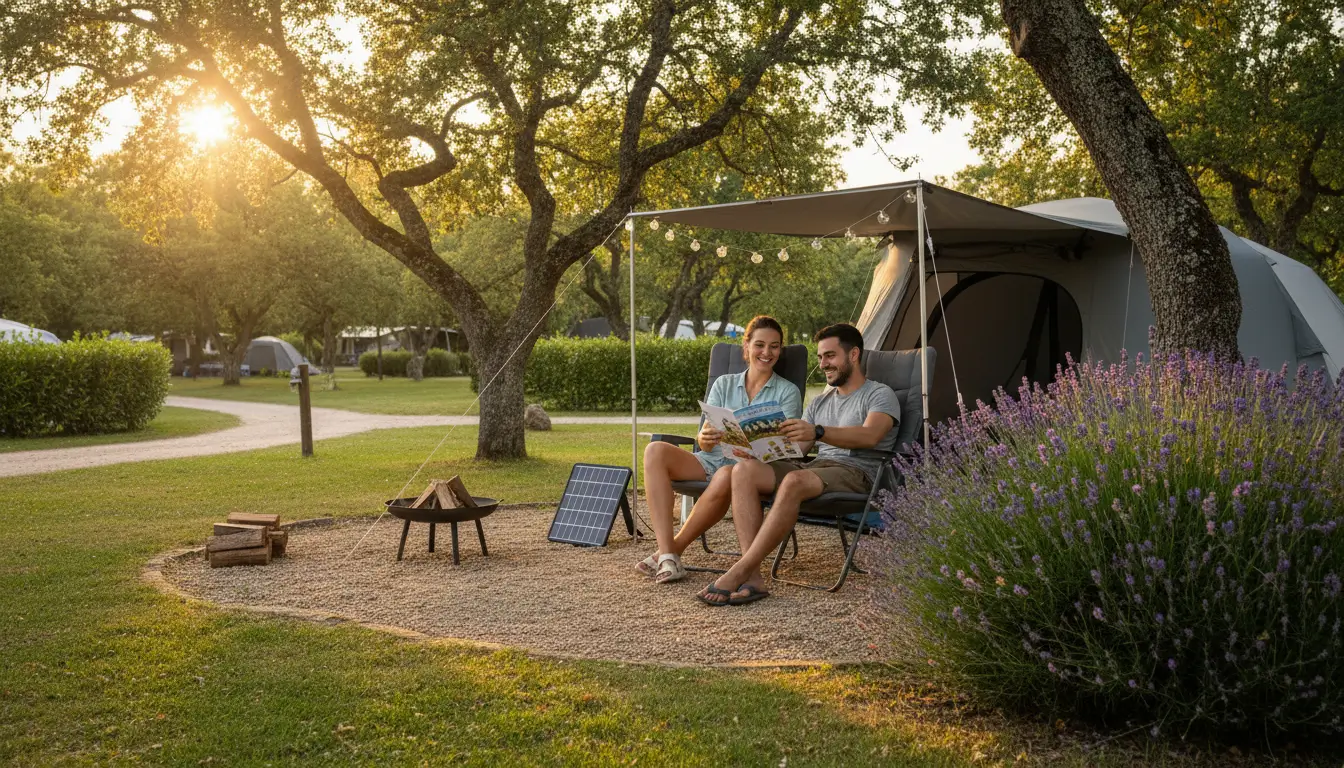
Plan your route realistically. Don’t cram too many destinations into one day, but leave time for flexibility and rest. This reduces stress and gives you space for spontaneous stops when you come across a beautiful spot.
Take plenty of drinking water and food with you. Top up your water supply at taps or petrol stations along the way. Snacks such as nuts, fruit and energy bars are handy for longer stretches without places to eat. A cooking crate with simple ingredients provides hot meals without hassle.
Take hygiene into account. If you don’t have a toilet in your car, use public facilities at petrol stations or restaurants. Bring biodegradable soap and tissues for personal care. Go to the toilet before going to sleep and avoid having to leave the car at night.
Safety and etiquette when wild camping
Respect the surroundings where you spend the night. Don’t leave any rubbish and don’t use open fires in areas where this is forbidden. Keep noise to a minimum and avoid staying in the same place for long periods. This prevents complaints and ensures that other travellers remain welcome too.
Always tell someone your route and expected arrival time. This is especially important in remote areas where you have no mobile reception. Take an emergency radio or satellite phone for extra safety if you are camping far from civilisation.
Stay calm if you hear noises at night. Not every sound means danger. Charge your head torch and keep it within easy reach. Avoid panicking and assess the situation calmly. In most cases it’s just wind, animals or other travellers.
‘ Cook for yourself instead of eating out. ’
Budget-friendly travel with wild camping
Wild camping helps reduce your travel costs. Free or cheap overnight spots save you the money you would otherwise spend on hotels or campsites. You can use this budget for experiences, fuel or better gear that will make your next trips even more comfortable.
Combine free spots with an occasional paid campsite to use facilities. This gives you access to showers, washing machines and Wi-Fi without having to pay every night. This way you balance comfort and costs during longer road trips.
Cook for yourself instead of eating out. A small gas burner and basic ingredients are cheaper and healthier. Fresh vegetables, pasta and rice dishes are quick to prepare and nourishing after a day of driving.
The right mindset for wild camping by car
Wild camping requires flexibility and adaptability. Not every night will be perfect and sometimes you’ll have to drive on to another spot. See this as part of the adventure and stay open to changes in your plans.
Enjoy the freedom that road trips offer. The ability to stop where you want and sleep with a view of nature is something traditional holidays don’t offer. Appreciate these moments and take photos or notes to remember them later.
Start small by practising close to home first. This gives you insight into what you really need and what you can leave behind. Build up experience before taking longer trips abroad. That way you learn what works for you and your vehicle.
On the Traveler Tips website you will find much more information about route planning, the documents you need for foreign trips and tips for specific destinations. Discover more articles and make your next road trip even better prepared and more consciously planned.
Frequently asked questions
In most Western European countries (such as the Netherlands, Belgium and Germany), wild camping by car is prohibited outside official campsites or designated areas. In Scandinavia (especially Norway and Sweden), the “right to roam” applies, but this mainly concerns tents on foot or by bike; with a car you may generally only stay overnight in car parks, along roads or in places where this is explicitly allowed, and not on private land or fields. In countries such as France, Spain and Italy, the regulations differ greatly per region and municipality: often you may stay for just one night discreetly in a car park, without awning, chairs or camping behaviour outside the car, and nature parks and coastal zones are strictly forbidden. Always check local road signs, municipal rules and park regulations for each country and region, as fines and enforcement vary widely.
Use apps and platforms such as iOverlander, Park4Night and local BLM or forestry maps to find legal and popular “boondocking” or wild camping locations along your route. Always check local regulations (municipality, nature management, landowner) and signs on site, as rules differ greatly per region. Read recent reviews from other travellers for information about safety, how busy it is and the surroundings. Plan a general route, mark several potential sleeping spots per night and choose on the spot the place that feels safest, quiet and inconspicuous.
Essential gear includes a well-fitting mattress or sleeping pad, warm sleeping bag(s), battery or solar-powered lighting, sufficient water storage and a compact cooking set/cooking crate. For comfort and safety, storage boxes, window ventilation (e.g. inflatable window vents or insect mesh), power bank/jump starter and basic tools with spare wheel are important. Make your car “sleep ready” with blackout window covers or curtains, a fixed loading and storage routine and cross ventilation via opposite windows. Also consider a small tent or roof tent as a fold-out “bedroom” and use a GPS/emergency radio for off-grid situations.
Take enough water with you in jerrycans and refill them at supermarkets, taps or petrol stations along the way. Use a simple gas camping stove for cooking and pay attention to fire safety and local rules. Collect all your rubbish in bags in the car and dispose of it in bins or at campsites; don’t leave any trace. For personal hygiene, you can use wet wipes, public showers (swimming pools, sports centres) and a simple field toilet solution if there are no facilities.
Important safety tips include: always let someone know where you are and what your route is, choose quiet but not completely isolated spots, keep your car and gear in good technical condition and don’t run the engine at night unnecessarily. Store food and rubbish well sealed so you don’t attract animals, and go to the toilet before sleeping to limit night-time trips outside. Minimise your impact on nature by camping according to the “leave no trace” principle: take all your rubbish with you, use existing spots where possible and do not damage vegetation. Respect local rules and limit your stay in one place so nature has time to recover.