 NL
NL
Back-to-nature camping offers travellers something everyday busyness does not: peace, simplicity and a genuine experience of nature. Without luxury facilities, but with plenty of space for the experience itself. Campsites are increasingly investing in hammock spots and small-scale grounds, while wide-open destinations such as Sweden, Denmark and Norway attract more travellers looking to slow down. Read on and discover how best to plan this way of camping.
What makes back-to-nature camping different
Back-to-nature camping means you choose peace and simplicity over comfort and facilities. You camp on a small-scale, nature-rich spot, often in a forest, in a field or on an estate. Facilities are limited. That is exactly the point.
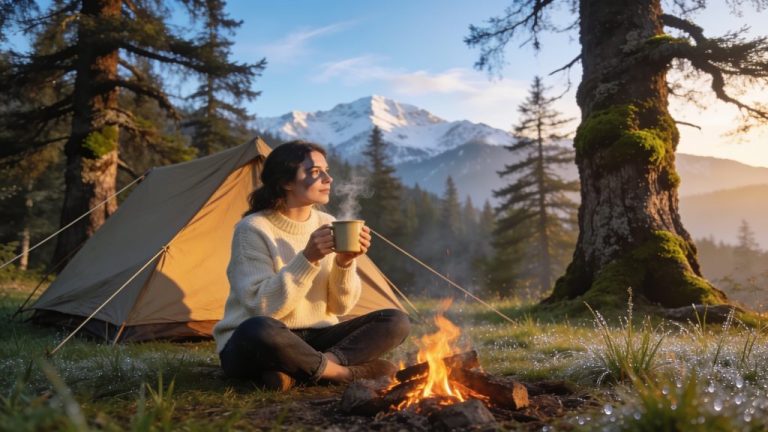
This way of camping attracts travellers who value silence and the experience of nature more than electric hook-ups and organised activities. You can expect to spend more time outdoors, that the night is truly dark and that the sounds of nature dominate. It fits well with camping that is all about conscious travel and fewer stimuli.
Its hallmark is small scale. Sites apply quiet hours, often between 22:00 and 08:00, and have only a few pitches. That means less noise, more space and often more contact with the surroundings. Some locations offer separate facilities such as running water or a basic toilet, but you should count on being self-sufficient for food, light and power.
‘ Travellers consciously choose sites without Wi-Fi or entertainment, because it is precisely that absence that creates space for relaxation and focus on the outdoors. ’
Why more and more travellers are seeking this way of camping
The number of campsites offering hammock pitches and secluded spots is growing. That is no coincidence. Travellers are looking to get more distance from their daily routines and long for space and peace. Concepts such as Oetdoor and Winterwoods in the Netherlands show that there is demand for camping that goes back to basics.
In addition, destinations with plenty of nature and low population density attract more visitors. Sweden, Norway and Denmark offer landscapes with endless views. Artificial light and buildings are often kilometres away. That makes them attractive for travellers looking for silence and a clear horizon.
The need for simplicity and nature experiences is also fuelled by increasing busyness in cities and at workplaces. Travellers deliberately choose sites without Wi-Fi or entertainment, because it is precisely that absence that creates space for relaxation and focus on the outdoors.
How to choose a good location for hammock camping
Hammock camping is a specific form of back-to-nature camping. You literally sleep between the trees, which requires suitable trees, flat ground and a spot that is sheltered enough in wind or rain.
When choosing a hammock spot, pay attention to the following points:
- Check whether the campsite explicitly allows hammocks and whether there are facilities such as attachment points.
- Choose a spot with sturdy trees roughly 4 to 5 metres apart.
- Make sure the ground is reasonably flat and that you can pitch a tarp for shelter if needed.
- Check whether you are protected in this spot from too much wind or heavy rainfall.
- Take a lightweight underquilt for insulation from below, because wind and cold often come from underneath.
Some campsites have special areas for hammock campers, with fixed hanging points and a pre-checked environment. That makes choosing easier and safer. Always check in advance whether you are allowed to use your own hammock or suspension system, because some locations have their own rules to prevent damage to trees.
Which European destinations offer the best back-to-nature experiences
Sweden is one of the most suitable countries for back-to-nature camping. Thanks to the right of public access you may camp in nature, provided you show respect for the surroundings and keep your distance from houses. The country offers countless forests, lakes and open landscapes, often with long walking and cycling routes.
Norway has a similar arrangement. You may stay a maximum of two nights in the same place, on uncultivated land and out of sight of houses. The country attracts travellers looking for mountains, fjords and silence. Access to nature is widely available there.
Denmark offers a combination of coast, dunes and forests. The country has small-scale nature campsites where you can stay with a tent or hammock. These sites are often located near nature reserves with well-maintained walking paths and marked cycling routes.
Germany has a growing number of trekking bivouac spots: official places for one overnight stay in nature, usually with a basic facility such as drinking water. These spots are often managed by forestry organisations and can be booked online.
In Scotland and parts of France too, you will find campsites and sites focused on simple camping in natural areas. They are easy to reach by car and train, which makes these destinations suitable for independent travellers planning trips from the Netherlands or Belgium.
‘ All land has an owner, and camping without permission is prohibited by law. ’
What is wild camping and where are you allowed to do it in the Netherlands
Wild camping means camping in the open countryside, outside official campsites or bivouac zones. In the Netherlands, wild camping is in principle not allowed. All land has an owner, and camping without permission is prohibited by law.
There are exceptions. Some areas offer official hikers’ huts or pole campsites, managed by Staatsbosbeheer. These are intended for walkers and cyclists who are on the road for several days. You book in advance and pay a small fee for the overnight stay. These spots offer basic facilities such as a fire pit or wooden platform.
In addition, there are initiatives in the Netherlands such as Natuurkampeerterreinen and concepts like Oetdoor and Winterwoods. These places offer an experience close to wild camping, but within a legal and controlled set-up. You camp in the middle of nature, but with permission from the manager and with minimal facilities.
Note: camping outside these official places often leads to fines. Landowners and nature managers actively enforce the rules. If you want to experience wild camping, it is wise to choose one of the legal alternatives in the Netherlands or travel to countries where wild camping is allowed.
How to ensure safety and comfort when camping in nature
Back-to-nature camping requires preparation. You have fewer facilities at your disposal, so you need to arrange more yourself. That starts with your equipment.
Pack compact and functional. Take a good sleeping bag suitable for the expected temperatures, a tent or hammock that can withstand rain and wind, and a light, reliable way to boil water. Do not forget a compact lamp and enough spare batteries. Without electricity, artificial light and communication are more limited.
Make sure you check in advance whether drinking water is available. Some places have no water supply, which means you must bring enough water yourself or use a water filter. Also plan your food: bring non-perishable food that requires little preparation.
The following applies to your safety:
- Share your itinerary and location with someone at home. This is especially important for remote locations.
- Take a fully charged phone and check whether there is reception at the location.
- Check the weather forecast in advance and adjust your equipment accordingly.
- Respect quiet hours and keep your distance from other campers.
- Use fire only in permitted places and extinguish it thoroughly after use.
You achieve comfort by having realistic expectations. If you know you will have fewer facilities, you can prepare yourself mentally. Bring a good sleeping mat, dress in layers and keep your belongings dry. A small towel, simple cutlery and a foldable sit mat will already make your stay much more comfortable.
What you can expect from a back-to-nature site
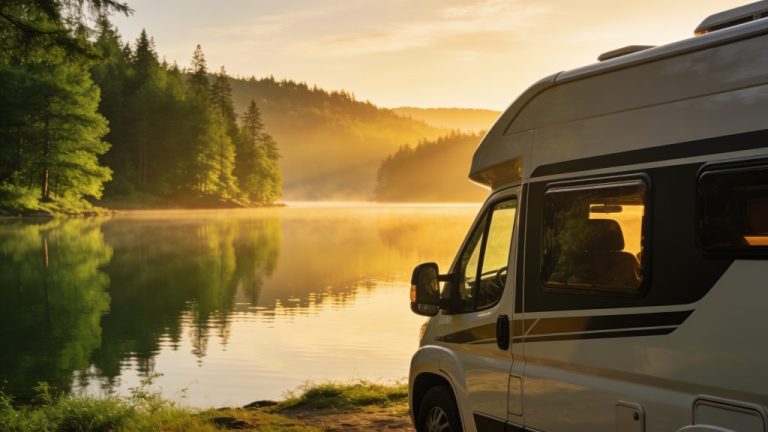
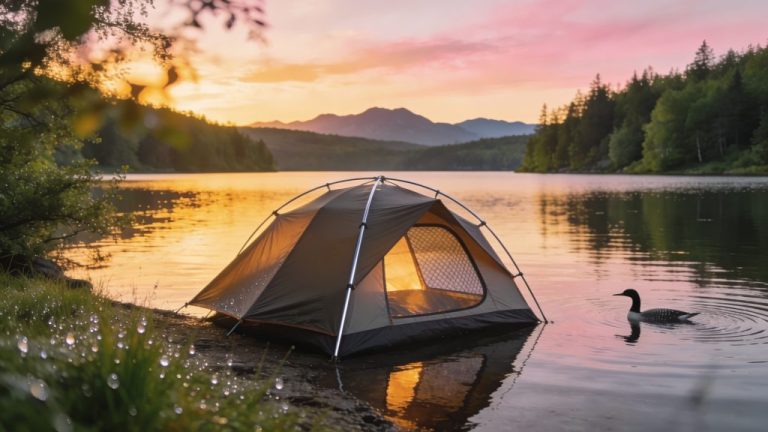
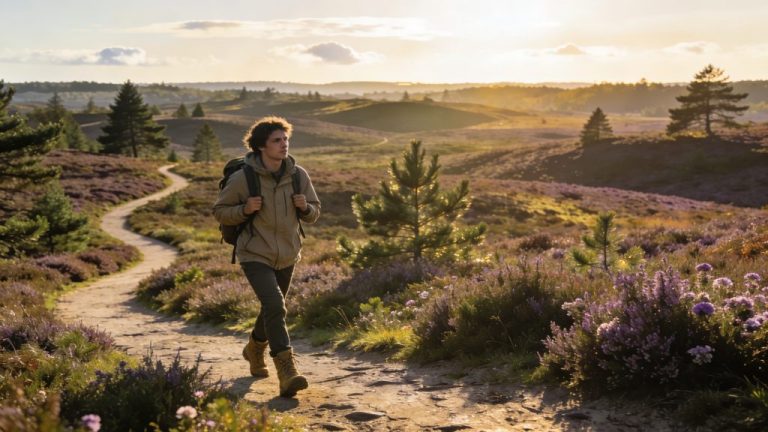
The experience on a back-to-nature site differs per location, but a few characteristics come back regularly. Sites are often located in forests, on heathland or by water. Access roads to the campsite are sometimes narrower or unpaved, which means you cannot visit some places with a larger motorhome.
Facilities are limited. Expect a composting or dry toilet, an outdoor tap for water and sometimes a shower without hot water. Electricity is often not available. That means you depend on batteries, power banks or solar panels for light and communication.
The atmosphere is calmer than at standard campsites. Travellers deliberately choose this type of site and generally stick to the site rules. Music and loud voices are less common. Most visitors spend their time walking, cycling, cooking on a fire or simply sitting and watching.
Some sites also offer additional facilities, such as shared fire pits or a wood supply. These details make your stay more practical without detracting from the experience of nature.
‘ That prevents you from having to improvise on the spot without access to shops or help. ’
Practical preparation tips for your first time
If you have never been back-to-nature camping before, it is sensible to do a trial run. Choose a location that is not too remote, so you can easily go home if it disappoints. Test your equipment, check whether everything works and whether you are missing anything.
Make a packing list and work through it item by item: sleeping, cooking, clothing, personal care and safety. That prevents you from having to improvise on the spot without access to shops or help.
Check in advance whether you are allowed to drive a vehicle onto the site and whether you might have to cover part of the distance on foot. At some nature campsites, access is limited to bicycles and small cars. That affects how much luggage you can take.
Also pay attention to the time of year. Camping in spring or autumn requires warmer clothing and better insulation than in summer. In winter, some nature campsites are closed or only partly accessible.
Discover more about nature camping on Traveler Tips
On the Traveler Tips website you will find extensive information on routes, destinations and preparation tips for travellers who like to plan consciously and independently. From nature camping and wild camping to travel regulations and gear: everything you need to prepare your next trip properly is ready and waiting for you here.
Frequently asked questions
The best back-to-nature camping locations are usually small-scale nature campsites and grounds in or near nature reserves, such as forests, heathland or estates. These places offer little luxury but lots of peace, space and contact with nature. There are often strict quiet hours (for example from 22:00 to 08:00), limited facilities and clear rules about quiet and respect for the surroundings. Check the specific rules for each site in advance, such as whether vehicles are allowed and how self-sufficient you are expected to be.
Take a good basic kit: a sturdy tent with groundsheet, warm sleeping bag and insulating sleeping mat, plus a simple cooking set with gas burner, lightweight pans, lighter, penknife and water bottles. Add practical basics such as layered clothing, waterproof and fleece jacket, head torch, basic first-aid kit, biodegradable soap and possibly a power bank. Pack smart by dividing everything into waterproof bags or packing cubes by category (sleeping, cooking, clothing, washing) and place heavy items at the bottom of your rucksack, close to your back. Deliberately take less than you think you will need and choose multifunctional items (for example, a sarong as towel, pillowcase and picnic blanket).
First decide which region and nature areas you want to visit and look for small-scale nature campsites or back-to-nature grounds there. Check for each location how accessible it is by car or public transport (nearest train station/bus stop) and whether cars/campervans are allowed on site. Then plan your route along these spots, with realistic driving or travel times and room for walks and bike rides along the way. Keep the limited facilities in mind: take enough water, food and light with you and plan stops for shopping and charging.
Choose a small-scale nature campsite with clear quiet rules and basic facilities, so that the focus is on the experience of nature rather than on luxury. Prepare well with compact, self-sufficient gear (water, light, simple cooking set) and take as little as possible. Respect the surroundings by staying on the paths, leaving no rubbish and leaving local flora and fauna undisturbed. Build up your days calmly with walking, cycling and cooking outdoors, so you can really slow down and experience nature more intensely.