NL
NL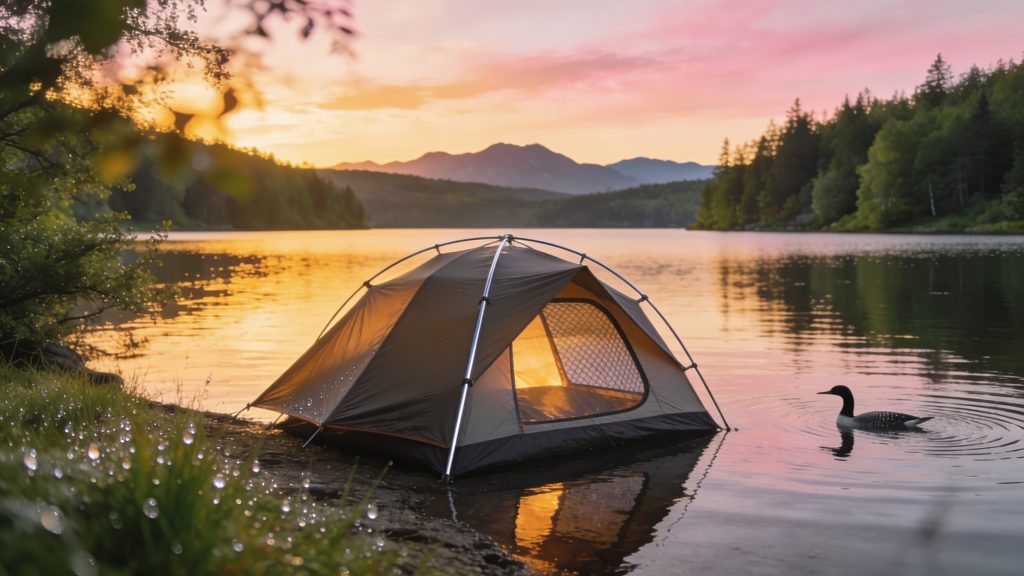
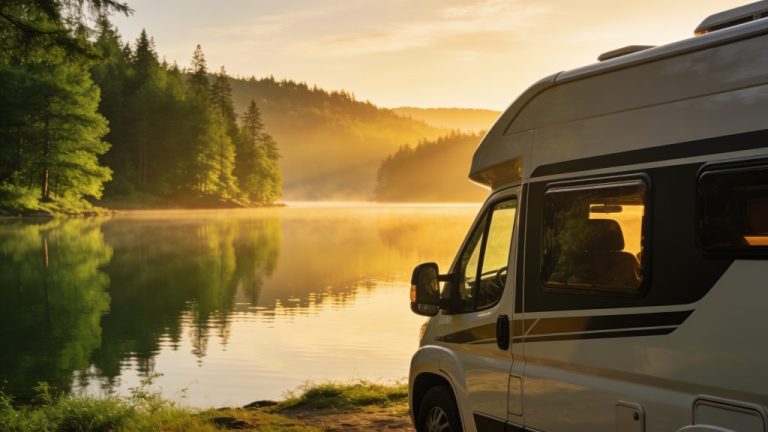
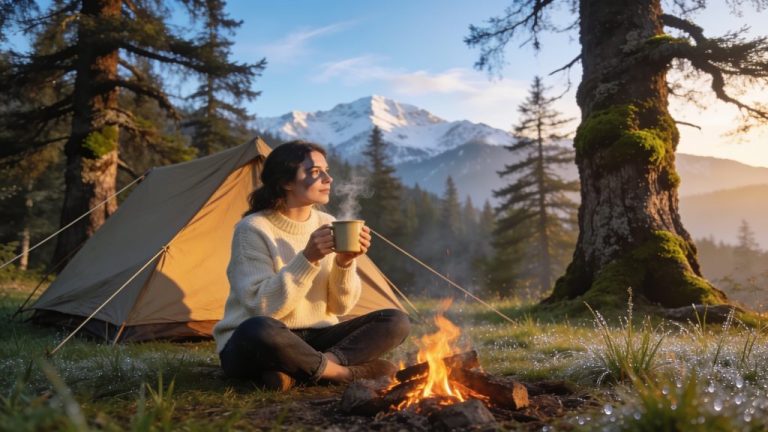
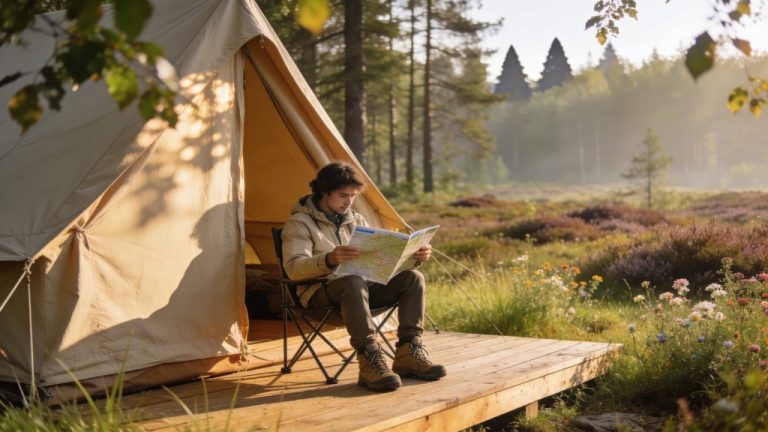
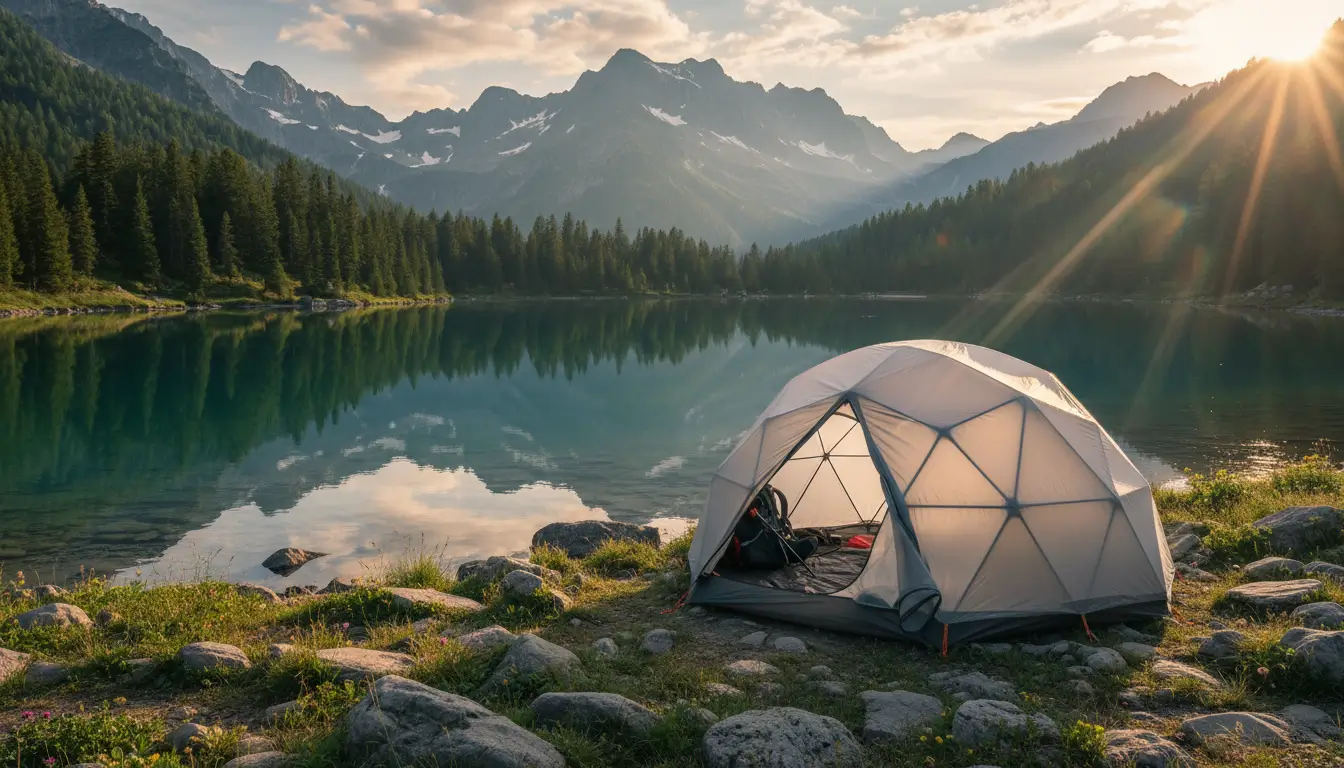
A nature campsite by the water offers the perfect combination of peace, views and access to swimming, canoeing or fishing. Campers who are looking for something extra beyond just a place to sleep often deliberately choose a spot directly on a river, lake or recreational pond. It creates a holiday where you experience nature and can be active at the same time without having to travel far. Are you ready for a refreshing dip straight from your tent?
Why choose a campsite by the water?
Camping by the water adds an extra layer to your holiday. The view is calming, the water cools you down and the surroundings invite you to explore. If you like camping with plenty of space and in a green setting, this type of campsite is often a conscious choice.
Nature campsites by the water are generally small-scale, with spacious pitches and a personal approach. They distinguish themselves through their location and direct access to natural water, without large-scale recreational facilities. That makes them suitable for travellers who value peace and nature more than a water park or entertainment programme.
The advantages are clear: you can go for a swim in the morning, make a kayak trip during the day and fish from your own pitch in the evening. The water attracts birds and other animals, which adds to the sense of being in nature. In addition, many campsites offer shady spots under trees along the bank, which makes things more comfortable on hot days.
‘ The choice between a riverside campsite, a campsite by a lake or a spot by the sea influences your experience. ’
River, lake or sea: what suits you?
Not every type of water is the same. The choice between a riverside campsite, a campsite by a lake or a spot by the sea influences your experience. The activities also differ per location.
Camping by a river
Riverside campsites often offer flowing water and are situated in gently rolling or green landscapes. In the Netherlands you will find beautiful spots along the Vecht, the Biesbosch and the Maas. These campsites are popular with canoeists and anglers. The current can sometimes make swimming less suitable, but it is ideal for a trip by canoe or SUP.
Pay attention to the water level and any safety regulations. Not every bank is accessible, and during high water some parts of the campsite may be temporarily less suitable. When booking, ask about access to the water. Also check whether canoes are available or can be hired.
Camping by a lake or recreational lake
Lakes and recreational lakes are often calmer and offer safer swimming water. The banks are more accessible and there is usually more space for water sports. Many nature campsites by lakes are hidden in forests or on the edge of national parks, which increases privacy.
This type of campsite is suitable for families with children, but also for couples looking for peace and quiet. The water is usually clear and the depth varies, so find out about swimming safety and entry points in advance.
Camping by the sea
Nature campsites by the sea are often less small-scale. Some locations do offer direct access to the beach and dunes. The sea air and the sound of the waves provide a unique experience, but do expect a bit more wind and salt. For those who enjoy walking along the coast and swimming in salt water, this is a good choice.
Where to camp by the river in the Netherlands?
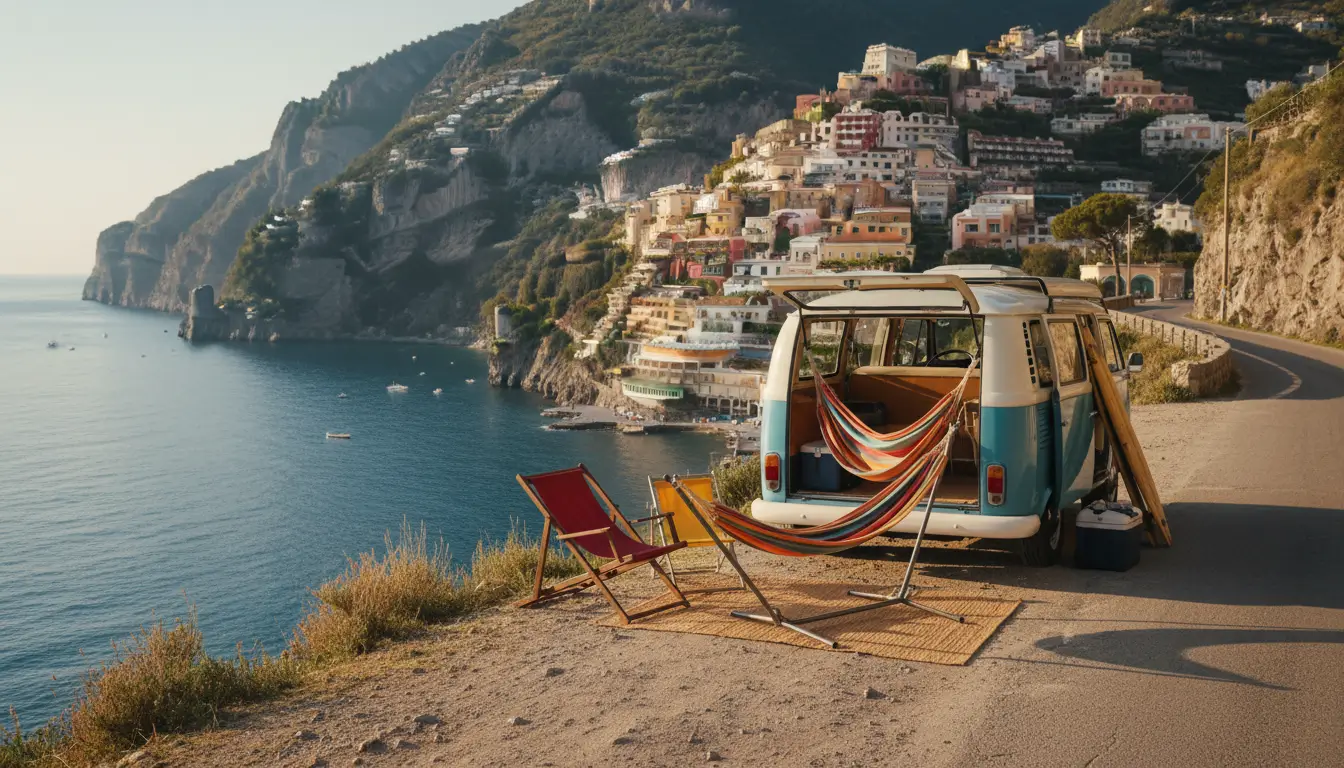
The Netherlands has various riverside campsites that focus on nature and peace. The Biesbosch is a popular destination, with campsites located directly on creeks and stretches of water. It is an excellent area for canoeing and birdwatching. Some campsites rent out canoes and have their own jetties.
The Vecht offers small-scale campsites with green banks and shady pitches. It is a quiet area, suitable for those who prefer to avoid crowds. Fishing and walking along the water are favourite activities among campers here.
The Maas also has nature campsites with views of the river. Many locations combine camping with cycle routes and walking paths that run alongside the water. Do pay attention to the accessibility of the banks, as this differs per campsite and per season.
What should you look out for when booking?
Good preparation prevents disappointment. Not every campsite with water is suitable for swimming or canoeing. Check the following points in advance:
- Is the water safe to swim in and are there entry points?
- Are you allowed to do water sports such as canoeing or stand-up paddleboarding?
- Are there facilities such as jetties or boat hire?
- Are the camping pitches directly by the water, or do you have to walk?
- What is the situation with mosquitoes and other insects in summer?
Campsites with water attract more insects, especially in the evening. Always bring effective mosquito protection and consider a tent with a mosquito net. Water shoes can also be useful, especially on banks with stones or mud.
‘ They often apply stricter rules to preserve nature and small scale. ’
Best nature campsites by the water
Although we do not mention specific names without complete information, there are certain features that good nature campsites by the water share. They have spacious pitches, often with direct views of the water. The atmosphere is calm and personal, and there is respect for nature.
Look for campsites that are members of recognised nature camping organisations. They often apply stricter rules to preserve nature and small scale. In the Netherlands there are almost 150 nature camping sites, some of which are by the water.
When making your choice, also ask about the type of surroundings. Some campsites are in forests with a pond, others directly on a wide river. The experience differs enormously, so look at photos and read reviews from other campers.
Activities on and around the water
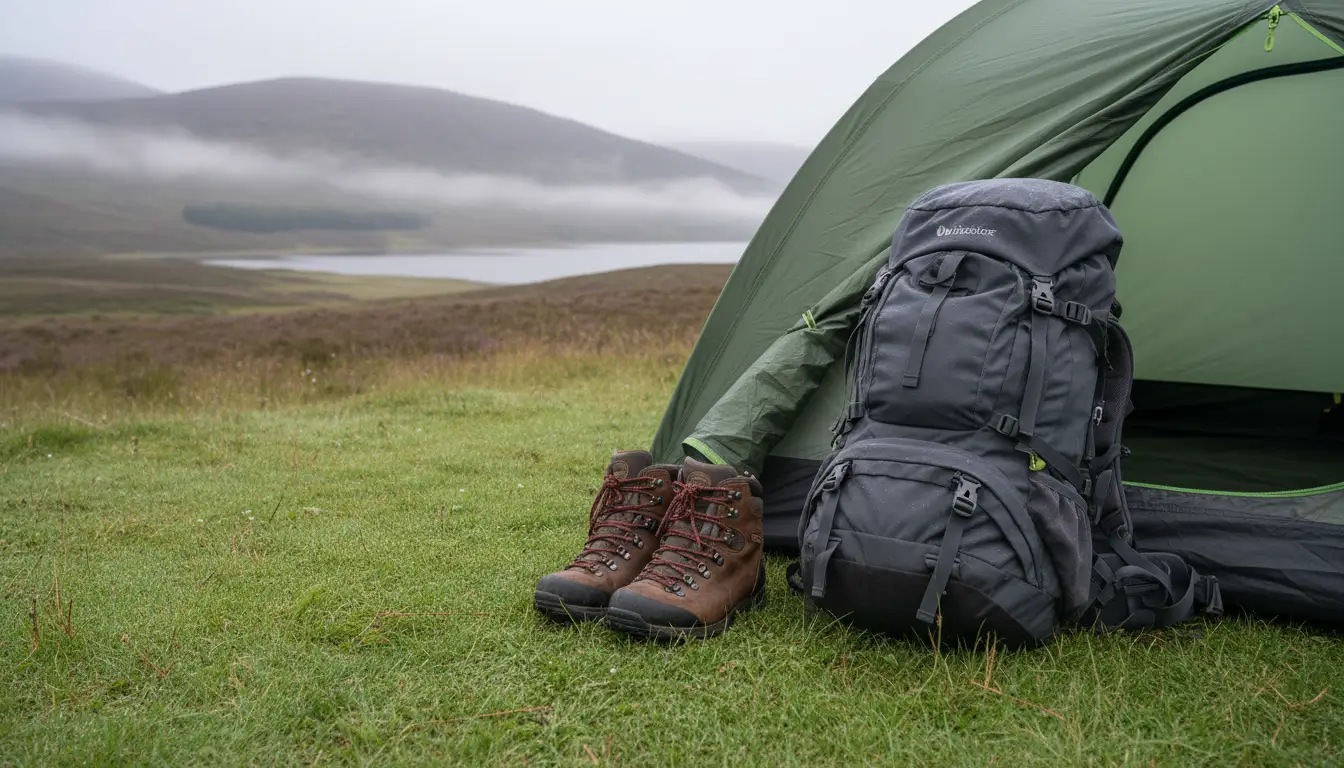
A campsite by the water offers more than just a beautiful place to pitch your tent. Most campers combine relaxation with active moments. Swimming is the most obvious activity, but canoeing, stand-up paddleboarding and fishing are also popular.
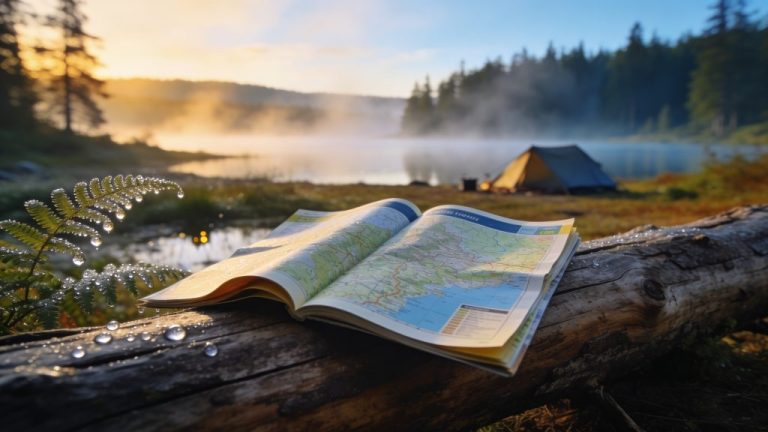
Canoeing gives you the chance to explore the surroundings from the water. Many riverside campsites have mapped routes, sometimes with information about flora and fauna. Hire a canoe for half a day or bring your own inflatable one.
Fishing is allowed at many campsites, but always ask about the rules. Sometimes you need a permit, and not every stretch of water is suitable for all species of fish. Ask the campsite owner whether there are good fishing spots and what the best times are.
For those who prefer to keep their feet dry, there are usually walking and cycling routes nearby. Many nature campsites are on the edge of nature reserves, so you can set off straight from your tent for a walk through the woods or along the water’s edge.
Facilities that make the difference
Nature campsites are small-scale, but that does not mean you have to miss out on everything. A number of facilities can make your stay considerably more comfortable, without the campsite losing its natural character.
- A jetty or accessible bank for swimming and canoeing
- Hire of canoes, SUPs or pedaloes
- Clean sanitary facilities, sometimes with hot water
- Shady pitches with sufficient distance between campers
- Information about routes, fishing spots and natural sights
Some campsites offer extra services such as a small shop or the option to order fresh bread. This is convenient if you want to stay for a few days without having to go shopping every day. Do not expect luxury, though: it is all about simplicity and experiencing nature.
‘ A tent with mosquito netting helps, but a good mosquito repellent spray is indispensable. ’
Practical tips for your stay
Good preparation will ensure you can fully enjoy your nature campsite by the water. In addition to your standard camping kit, pack water shoes, especially if you plan to swim or fish. Keeping a towel and swimming gear within easy reach makes it easier to take a spontaneous dip.
Bring enough insect repellent. Waterside locations attract mosquitoes and other insects, especially at dusk. A tent with mosquito netting helps, but a good mosquito repellent spray is indispensable.
Check the weather and water level before you leave. After heavy rainfall the water level can rise quickly, which affects the accessibility of banks and camping pitches. Some campsites temporarily close certain areas during high water.
Respect nature and other campers. Keep noise to a minimum, put rubbish in the bins provided and leave the banks clean. Many nature campsites have clear rules to safeguard peace and quiet, and your contribution plays a part in that.
Who is a nature campsite by the water suitable for?
This type of campsite attracts different kinds of travellers. Couples seeking peace and quiet will find a place to relax here without crowds. Families appreciate the combination of nature and water, which gives children the chance to play outside and swim.
Anglers and water sports enthusiasts also deliberately choose a campsite by the water. Direct access to a river or lake makes it possible to set off early or return late without having to drive far.
For those who enjoy longer stays, a nature campsite by the water makes a good base. You can easily stay several days without getting bored, thanks to the activities on and around the water and the nearby walking and cycling routes.
On the Traveler Tips website you will find plenty more information on camping, routes and destinations that make your holiday that little bit better. Discover practical tips, useful planning help and inspiration for your next trip. Take a look and plan your next adventure in a smarter and more conscious way.
Frequently asked questions
Start with your mode of transport: if you are travelling by car or campervan, choose quiet B roads along rivers or lakes and plan stopovers at nature reserves or viewpoints; if travelling by bike or public transport, pick junction routes that follow water and pass through nature. Use filters in route and camping apps (such as “nature campsite”, “by the water”, “small-scale”) and plot your route along those campsites so your daily stages connect logically. Make the route more experience-focused by combining at most one fastest section with stretches along rivers, lakes or through nature reserves where you can take a walk, have a picnic or go for a swim. Check swimming safety, access to the water and tranquillity in advance (few facilities, little tarmac) so that both the route and the destination match the kind of experience you are looking for.
You can count on relaxed swimming, paddling, canoeing or stand-up paddleboarding, and often also fishing or simply enjoying the view over the river, lake or pond. In nature itself it is mainly about birdwatching, walks along the bank, stargazing and experiencing silence and space. Smart preparation means: swimwear and water shoes, possibly your own SUP or inflatable canoe, a dry bag and quick-drying towels. Also bring good insect protection, layered clothing for cool evenings by the water and a head torch or flashlight.
Combine your nature campsite by the water with one or two clear themes, such as a klompenpad (Dutch clogs footpath), a cycle junction route or a canoe/SUP route that starts at or runs past the campsite. Choose sights that match the calm, natural character of the campsite, such as nature reserves, viewing towers, small museums or local markets within cycling distance. Make the water itself your starting point: for example, plan one day relaxing on the bank, one day trip on the water and one day exploring nearby villages or nature areas. Round off each day back at the campsite with a view of the water so that the experience of nature remains the common thread throughout your trip.
Think of basic facilities such as well-maintained but simple sanitary blocks and possibly a small, atmospheric campsite shop with local products. Natural play areas and a swimming or access point without large jetties or slides help to preserve the peace. Discreet lighting (or limited lighting) provides safety without light pollution. In addition, small-scale canoe or SUP hire and a communal fire pit fit well with comfort while preserving the natural experience.
Choose small-scale nature campsites that explicitly focus on peace, space and nature instead of extensive entertainment and large-scale catering. In the description and reviews, look for a direct location on natural water (river, lake or pond) where you can swim or gently canoe, without an emphasis on noisy water sports. For authenticity, good signs are personal contact, simple but well-kept facilities and a green setting that is not crammed full. Finally, check accessibility: no more than a few kilometres from a main road or railway station, preferably with clear directions and good parking options.