NL
NL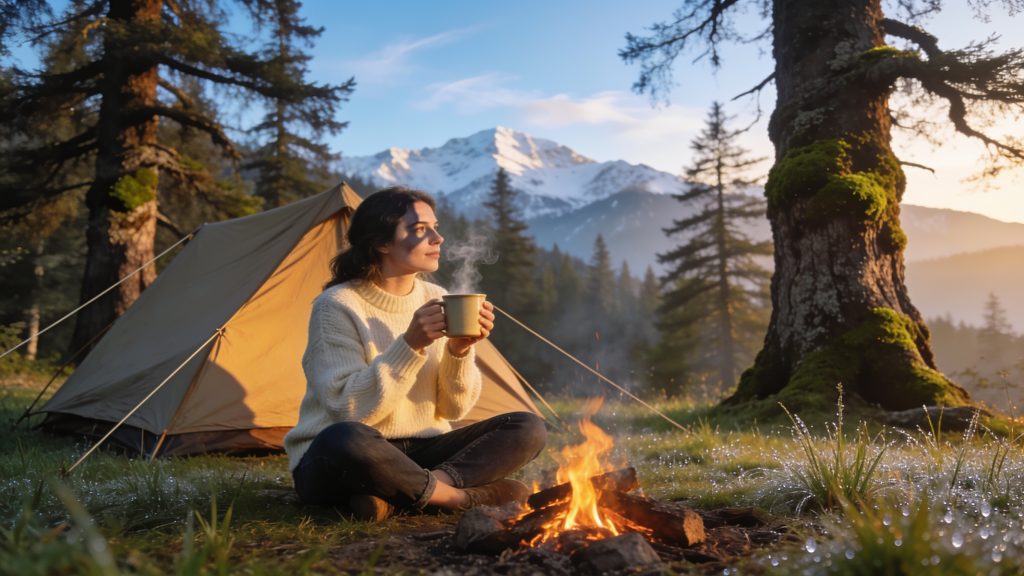
Solo camping as a woman is perfectly doable, provided you pack light, plan your route and pitch in advance, and consciously choose a campsite with good facilities and a pleasant atmosphere. With the right preparation it becomes a free, flexible and often social way of travelling, where you can decide entirely at your own pace what you do and when. Want to know more about how to do that safely and comfortably?
Why solo camping is becoming increasingly popular
More and more women are choosing to travel alone and to go camping while they do so. The advantages are concrete: you decide for yourself when you set off, where you stop and how long you stay. You don’t have to take anyone else’s pace or preferences into account. At the same time, camping gives you the opportunity to meet other travellers, for example at the washing-up area or with your neighbours on the site.
Many women who go camping alone for the first time experience a clear learning curve. The first time requires preparation and alertness, but after that it becomes easier. You quickly learn what you do and don’t need, how to pitch your tent and how to feel comfortable on a campsite. That combination of freedom, independence and contact with others makes solo camping appealing.
‘ Trust your instincts and put safety first. ’
Safety starts with a good camping location
Safe camping starts with choosing the right location. Ideally, choose a small-scale campsite or a nature campsite with plenty of peace and quiet, but not completely remote. A place with good reviews, clear facilities and other campers nearby often feels more comfortable. Campsites popular with walkers or cyclists usually have an atmosphere geared towards independent travellers.
Always try to arrive in daylight so you can properly assess the surroundings. You can then see where the sanitary facilities are, how busy it is and whether you feel comfortable in the spot. If something feels off, it’s better to choose another pitch. Trust your instincts and put safety first.
Share your route and where you’re staying with someone you trust, especially if you’re camping in a remote area or going hiking. Pay extra attention to basic safety: a first aid kit, a charged phone with power bank and up-to-date weather forecasts should always be part of your preparation. That way you can act quickly if needed.
What to pack as a solo camper
As a solo camper you carry, pitch and pack everything away on your own. That’s why packing light is important. Many beginner campers take too much with them, which makes travelling unnecessarily heavy. Minimise and focus on practical essentials.
These items are often indispensable:
- A lightweight tent that you can easily pitch by yourself
- Warm sleeping gear: a good sleeping mat and a sleeping bag suitable for the temperature
- A head torch for hands-free light in the dark
- A power bank to keep your phone charged at all times
- A basic cooking set if you want to cook for yourself
- Something to do in the evening, such as a book or e-reader
Test your tent, sleeping gear and cooking set before departure, at home or in the garden. That prevents stress on site and gives you confidence that everything works the way you want. Some solo campers use a smaller tent for short overnight stays and a larger one for longer stays, so that travel time and setting up remain simpler.
Start close to home and build up gradually
It’s sensible to keep your first solo camping trip close to home. Choose a campsite within a few hours’ drive so the trip remains low-threshold. If you find you’ve forgotten something or it turns out not to be your thing after all, you’ll be back home quickly. That first time gives you insight into what you like and what you’d like to do differently.
Opt for a short trip of one or two nights. That gives you the chance to try everything out without committing to a long period. You’ll quickly learn whether you enjoy being on your own at the campsite and how to set up your routine in the best way. After that you can build up to longer trips or destinations further away.
Choosing the right campsite as a solo traveller
Not all campsites are equally suitable for solo campers. Look for places with good reviews from other solo travellers. Pay attention to ratings about atmosphere, safety and facilities. Campsites with a calm look and clear information on their website are often more reliable.
These features help when choosing:
- Good lighting by sanitary facilities and along paths
- Proximity to a village or town in case of emergencies
- Presence of a reception or site manager
- Other campers nearby, without it being too crowded
- Clear information about opening hours and facilities
Many solo campers prefer campsites aimed at active travellers, such as walking or cycling campsites. The atmosphere there is often focused on independence and respect for each other’s privacy, while still offering opportunities to make contact.
Connecting with others and staying safe
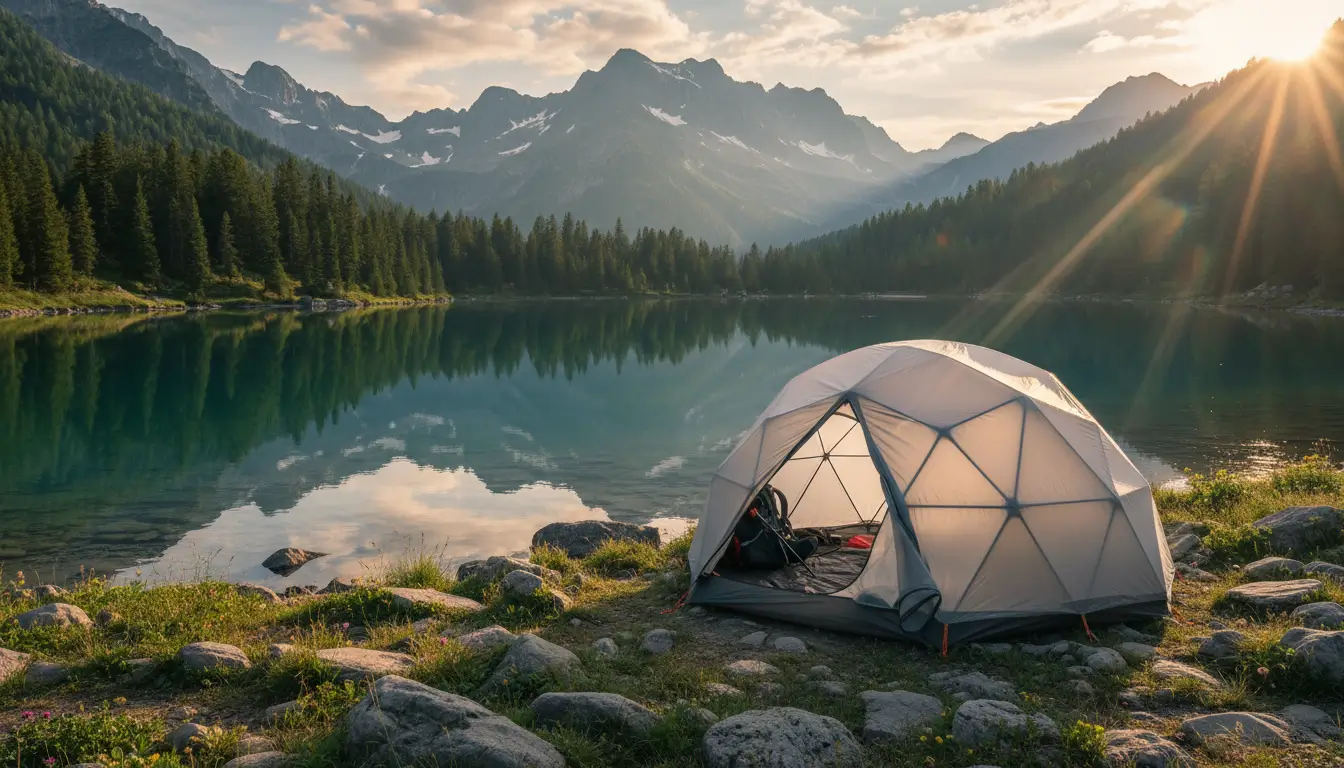
Solo camping doesn’t mean you’re on your own all the time. Many campers find that campsites actually make it easy to connect with others. At the washing-up area, at the coffee machine or with your neighbours, conversations often start spontaneously. You decide how much you share and when you want time for yourself.
Women often find it easy to make contact on campsites, which can make solo camping more accessible. At the same time, it’s important to also be comfortable with your own company. If you already struggle with being alone at home, you’ll often feel that more strongly on a campsite. Solo camping is especially enjoyable if you also appreciate spending time with yourself.
Don’t immediately tell people that you’re travelling completely alone if you feel unsure. You can stick to general information about where you’re from or where you’re heading. Be friendly but stay alert. It’s always fine to say no to an invitation or to end a conversation if you don’t feel comfortable.
Safety tips for on the road
Besides your choice of campsite, there are practical measures that increase your safety. Park your car or pitch your tent in such a way that you can leave quickly if necessary. Choose a spot with a good overview and avoid corners that are completely screened off.
When you arrive, check the surroundings for noise, how busy it is and the general atmosphere. Skip a spot if something doesn’t feel right. It’s better to drive on to another campsite than to stay somewhere you don’t feel comfortable. Make sure your vehicle or camping set-up can be left quickly, especially if you’re travelling by campervan or motorhome.
Keep your valuables with you in the tent and lock your car properly. Use a small padlock on your tent if it makes you feel safer, although this mainly offers psychological reassurance. Don’t leave valuables clearly visible and be alert to strange movements or people walking around without any obvious reason.
‘ First test what you enjoy before investing in expensive kit. ’
Solo camping: campervan or tent
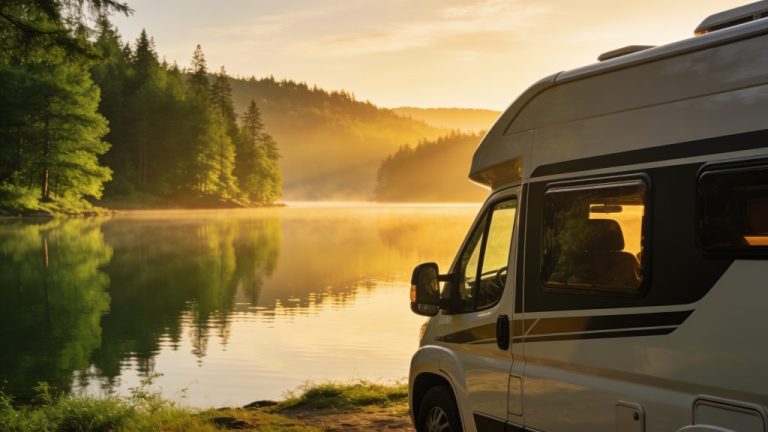
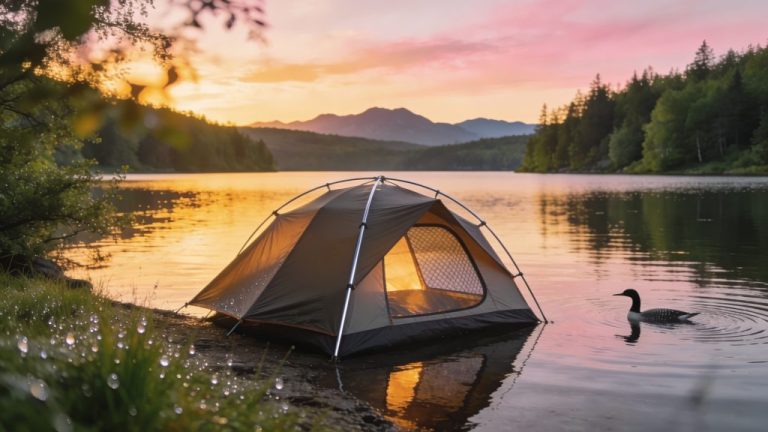
The choice between a tent and a campervan affects your sense of safety and comfort. A tent is lighter, cheaper and gives you more freedom of choice when it comes to pitches. You are more dependent on the weather, though, and a tent offers less physical protection than a campervan or motorhome.
A campervan provides more comfort and privacy. You have your own toilet and washing facilities, cooking facilities and bed all in one. That makes it easier to stay longer in one place and gives a greater feeling of safety, especially if you can lock the doors. The downside is that a campervan is more expensive and less flexible in use, especially on small-scale nature campsites.
Both options are suitable for solo camping. Choose based on what suits you: your budget, your preference for comfort and the places you want to go. First test what you enjoy before you invest in expensive kit.
Checklist for your first solo trip
To make your first time solo camping run smoothly, it helps to go through a checklist in advance. That way you don’t forget anything and can set off with more confidence.
- Choose a campsite close to home with good reviews
- Test your tent and sleeping gear at home before departure
- Pack light and only take essentials
- Share your route and where you’re staying with someone you trust
- Check the weather and adjust your kit accordingly
- Fully charge your phone and power bank
- Take a first aid kit and important medication
- Plan to arrive in daylight
- Arrange something to do in the evening
- Trust your instincts and be willing to change your plans
With this preparation you make your first solo camping trip manageable and under control. You build confidence and learn what works for you, so planning becomes easier for your next trips.
Discover more on Traveler Tips
Solo camping is just one way to shape your trip independently. On the Traveler Tips website you’ll find much more information about preparation, kit, routes and destinations to help you plan your next journey in a smart and conscious way. Discover more practical tips and inspiration for your next adventure.
Frequently asked questions
Choose a campsite with good reviews where there are also other campers nearby, and plan to arrive in daylight so you can calmly assess the surroundings. Share your route and location with someone you trust, keep your phone charged and take a small first aid kit and power bank. Listen to your instincts: if a place doesn’t feel right, move on without hesitation. Practise with your tent and routine beforehand so that once you’re there you feel more confident and at ease.
A comfortable and smart solo camping experience starts with good preparation: plan your route, choose a campsite with pleasant facilities and good reviews, and arrive in daylight. Take light but good-quality basic kit: an easy-to-pitch tent, warm sleeping gear, head torch, power bank, first aid kit and a simple cooking set. Practise at home with pitching your tent and using your kit, so you don’t feel stressed at the campsite. For extra comfort, take something for the evenings, such as a book or e-reader, and make sure someone at home knows your location and itinerary.
Start by deciding what you find important (peace and quiet or liveliness, lots of facilities, nature, accessibility by public transport/car) and plan your route through regions that fit with that, with a maximum of a few hours of travel per leg. Then use review platforms (e.g. ANWB, Google, specialised camping apps) and filter for small, easy-to-oversee campsites with good sanitary facilities and a safe atmosphere for solo travellers. Plan your arrival in daylight, share your route and campsite choices with someone at home and build your route with a few well-reviewed, not-too-remote campsites to begin with. After each stop, evaluate what you liked or what felt unsafe and adjust your next campsites accordingly.
For an inspiring and independent solo camping holiday, small-scale campsites and nature campsites that are peaceful but not too remote are the best fit. Campsites popular with walkers and cyclists are ideal, because the atmosphere is often focused on independent travellers. Choose places with good reviews, clear facilities and visible neighbours nearby for comfort and safety. Ideally, start with a location close to home to gain experience and build confidence.
Prepare yourself by gaining basic knowledge (first aid, checking the weather, testing your kit) and always having a back-up plan, such as an alternative campsite or route. Stay calm, first look for simple solutions and, if necessary, ask your neighbours or the campsite manager for help. Listen to your instincts: if a place or situation doesn’t feel right, move without hesitation. Make sure you always have a charged phone, emergency numbers and someone at home who knows where you are.