 NL
NL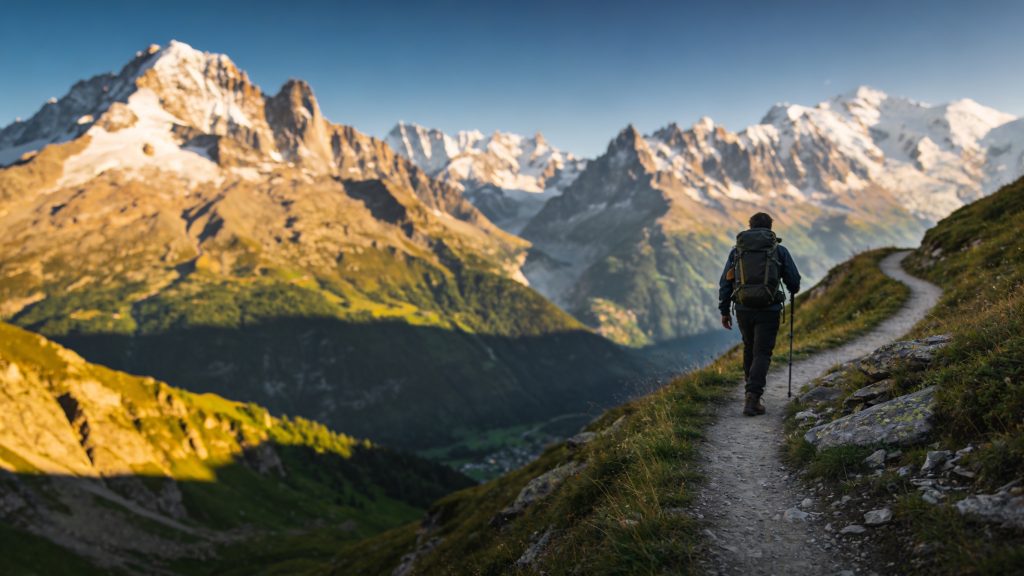
The Glacier Express is the most famous rail journey through the Alps, but it is certainly not the only beautiful route through Switzerland. From the dramatic Bernina Express to the varied GoldenPass Line, there are plenty of alternatives that are just as spectacular and often easier to combine. This article shows you which routes are available and how to choose smartly between panoramic trains and regional lines for a trip that truly fits your plans.
Why Switzerland offers more than just the Glacier Express
Many travellers see the Glacier Express as the route for a train journey through the Swiss Alps. But Switzerland has an extensive network of scenic rail: panoramic trains and the most beautiful rail routes that take you through different parts of the mountains. These routes combine mountain passes, viaducts, deep valleys and glaciers with an excellent timetable and high punctuality.
The advantage of train travel in the Alps is that many lines are part of the regular rail network. You can get off flexibly, combine routes and decide for yourself whether you opt for a luxury panoramic train or a regional alternative. That freedom makes train travel through Switzerland attractive for travellers who like to plan carefully in advance.
‘ Each route has its own character and suits a different travel style. ’
Which panoramic trains run through the Swiss Alps
Switzerland has several tourist railway lines that run along iconic routes. Each route has its own character and suits a different travel style. Below you will find an overview of the most important options.
Bernina Express: dramatic changes in altitude
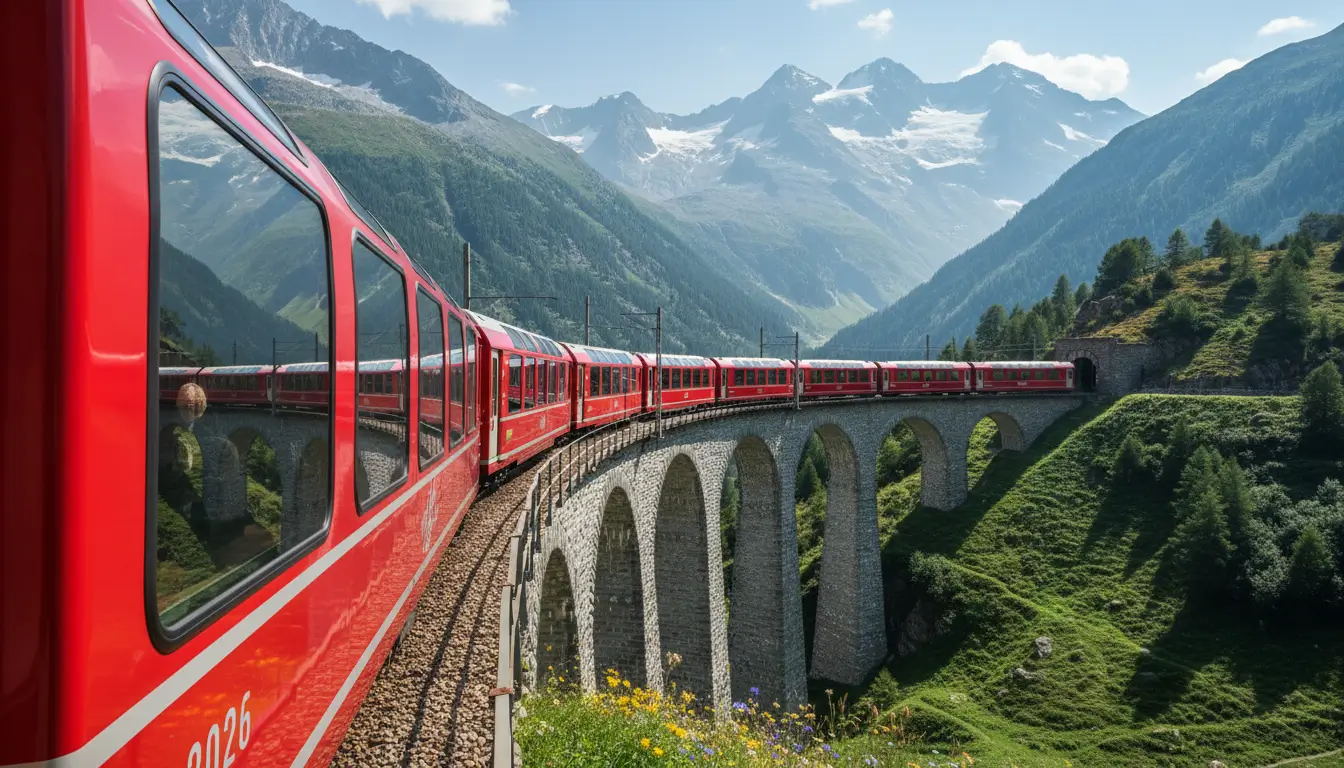
The Bernina Express runs between Chur and Tirano and is one of the most spectacular train routes in Europe. This line crosses the Bernina Pass and takes you from alpine scenery to Mediterranean Italy. The route is known for its photogenic viaducts, glaciers and mountain lakes.
Seat reservations are compulsory on this train, especially in summer. If you want more freedom, you can also travel with regional trains over the same route. This gives you the option to get off more often at viewpoints or mountain villages.
GoldenPass Line: varied, from lake to pass
The GoldenPass route links Montreux, Zweisimmen, Interlaken and Lucerne. This line does not showcase extreme mountain passes, but combines a variety of landscapes: from vineyards and lakes to Alpine views and villages. That makes the GoldenPass suitable for travellers who want a varied route without spending a full day on a single train.
You can split the route and stay overnight along the way. This makes this line easy to combine with other train routes or mountain excursions.
Gotthard Panorama Express: train and boat
The Gotthard Panorama Express is a combined route by train and boat. The line runs through the region around Lake Lucerne and the Gotthard area. It is not a pure mountain pass route, but it is an appealing option for travellers who want to combine culture and scenery.
This route is a good match for travellers seeking a classic Swiss travel experience without the extremes of high mountain passes.
Lucerne–Interlaken Express: accessible and popular
This line connects two of Switzerland’s most popular tourist regions. The route offers views of lakes, hills and mountains and fits easily into a touring itinerary. The journey takes about two hours and does not require reservations on the regular version.
The Lucerne–Interlaken Express connects well with other trains and mountain lifts, meaning you can easily combine this journey with walks or cable cars.
Voralpen-Express: a quieter alternative
The Voralpen-Express is less well known than the big panoramic trains, but offers a relaxing journey through rolling countryside with views of lakes and hills. You do not need reservations for this route, and it is attractive for travellers who value flexibility.
Because this line is less touristy, you often have more space and less planning stress.
Why the Glacier Express is not always the best choice
The Glacier Express connects Zermatt and St. Moritz and takes around eight hours. The train is known as iconic, but that does not mean this route is the best choice for everyone. There are good reasons to consider a different route.
Choose the Glacier Express if you want one luxurious panoramic journey with maximum comfort and prefer to reserve in advance. The train is ideal if you want to spend a full day on a single iconic journey and value the view more than flexibility.
Prefer an alternative if you want to get off more often, travel more cheaply or combine your journey with hikes or village visits. Regional trains often run along the same or similar routes without a reservation requirement and give you the freedom to create your own schedule.
Regional trains as a smart alternative
One of the best tips for train travel in the Alps is not to focus solely on tourist panoramic trains. Regional trains often run through the same or similar landscapes, but with more flexibility and at lower cost.
Regional trains are practical because you can get off spontaneously, are not tied to a single fixed train per day and can put together your own route using the most scenic stretches. You also sometimes avoid the crowds on popular tourist trains.
Examples of good partial routes
- Chur–Tirano as an alternative to the Bernina Express
- Lucerne–Interlaken as a standalone scenic connection
- Routes in Graubünden and Valais with regional trains that can be just as spectacular as the tourist versions
- Chur–Zermatt as part of a longer Alpine route
‘ Each route has strengths that fit a different itinerary. ’
How to choose the right route for your trip
The choice between routes depends on your travel style, the time you have available and what you want to see along the way. Each route has strengths that suit a different itinerary.
For a classic bucket-list experience the Glacier Express is a good choice. For the most dramatic mountain scenery, look at the Bernina Express. If you want variety and a complete tour, the GoldenPass Line is an interesting option. The Gotthard Panorama Express combines culture, scenery and water. For an accessible day trip, the Lucerne–Interlaken Express is suitable. If you are looking for a quieter alternative, regional trains through Graubünden, Valais and Central Switzerland are a smart option.
Combining all the major routes in a single trip
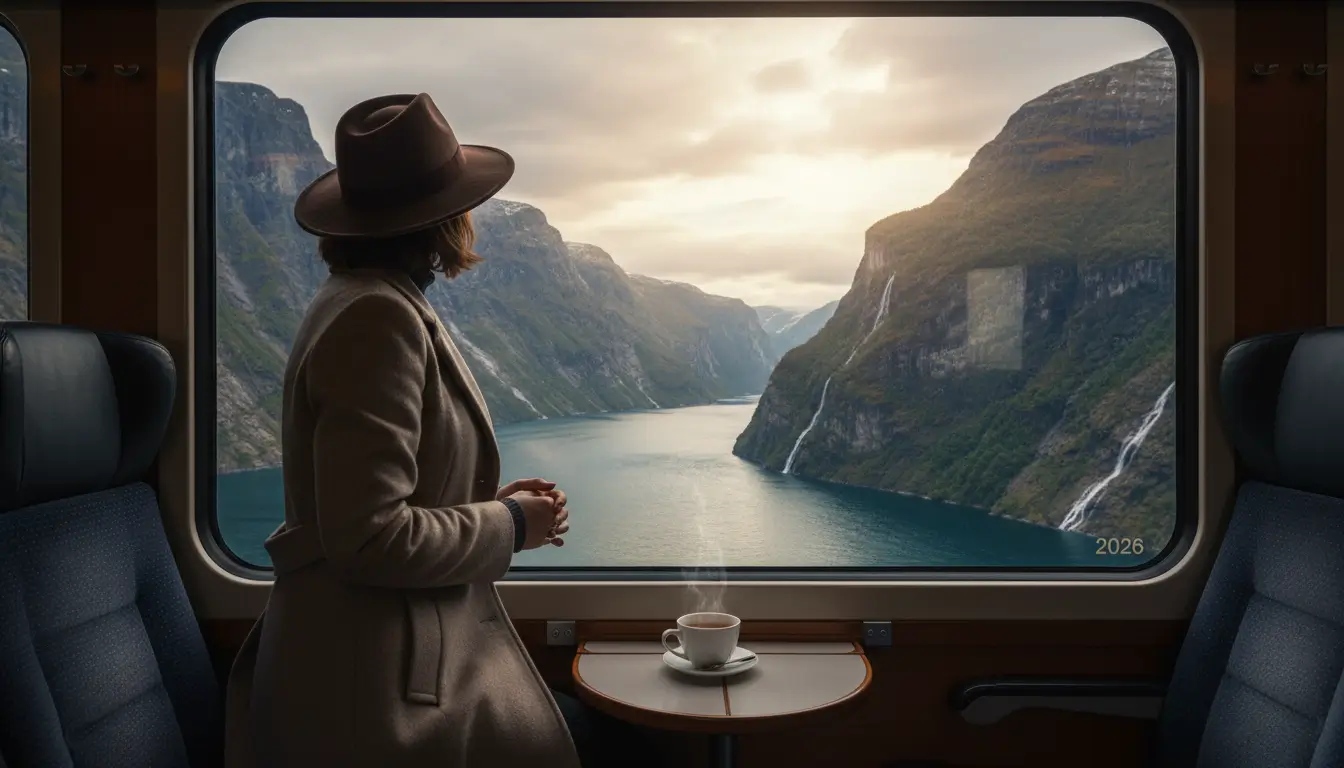
It is possible to combine several Swiss train routes in a single trip. That does require planning, as some panoramic trains need reservations and do not run daily. A combination of, for example, the Bernina Express, GoldenPass Line and Lucerne–Interlaken Express gives you a wide range of landscapes.
If you want to stay flexible, you can also opt for a mix of panoramic trains and regional lines. This way you combine the highlights with more freedom along the way. Ideally, plan your trip outside the peak tourist season, such as in late spring or early autumn, to avoid the crowds.
Practical tips for planning your rail journey
If you are planning a rail journey through the Swiss Alps, there are a few practical points that will make planning easier.
Reserve panoramic trains well in advance
For popular trains such as the Glacier Express and Bernina Express, seat reservations are compulsory or strongly recommended. Popular times fill up quickly, so booking early gives you more choice and less stress.
Consider a partial route
Sometimes one stretch of the route is more beautiful or more practical than the full journey. This works particularly well if you are on a touring holiday but only have one day available or want to do more walking or stopping along the way.
Choose a seat with a view
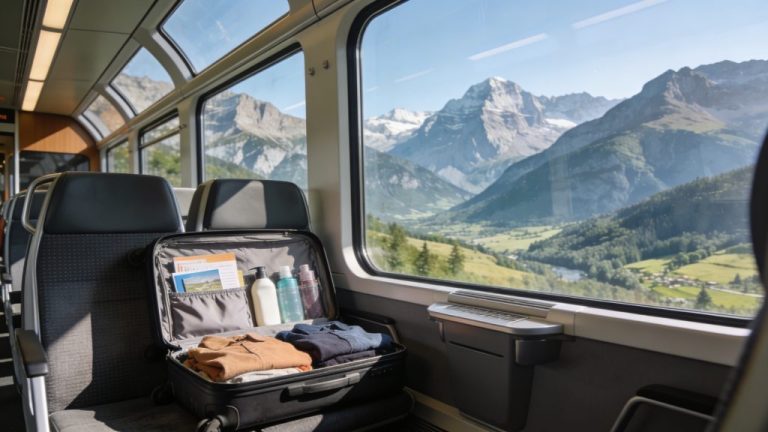
For many panoramic trains it is useful to check in advance which side of the train has the best views, whether there are panoramic windows and whether you would rather choose a spot suitable for photography or for relaxing.
Combine train journeys with mountain excursions
The most beautiful journeys become even better if you link them to a night in a mountain village, a cable car or mountain railway, or a short walk around a pass, lake or viewpoint. That gives your trip more depth and enriches your experience.
‘ A night train saves on a hotel and lets you arrive rested for the start of your Alpine route. ’
Dutch trains to Swiss panoramic lines
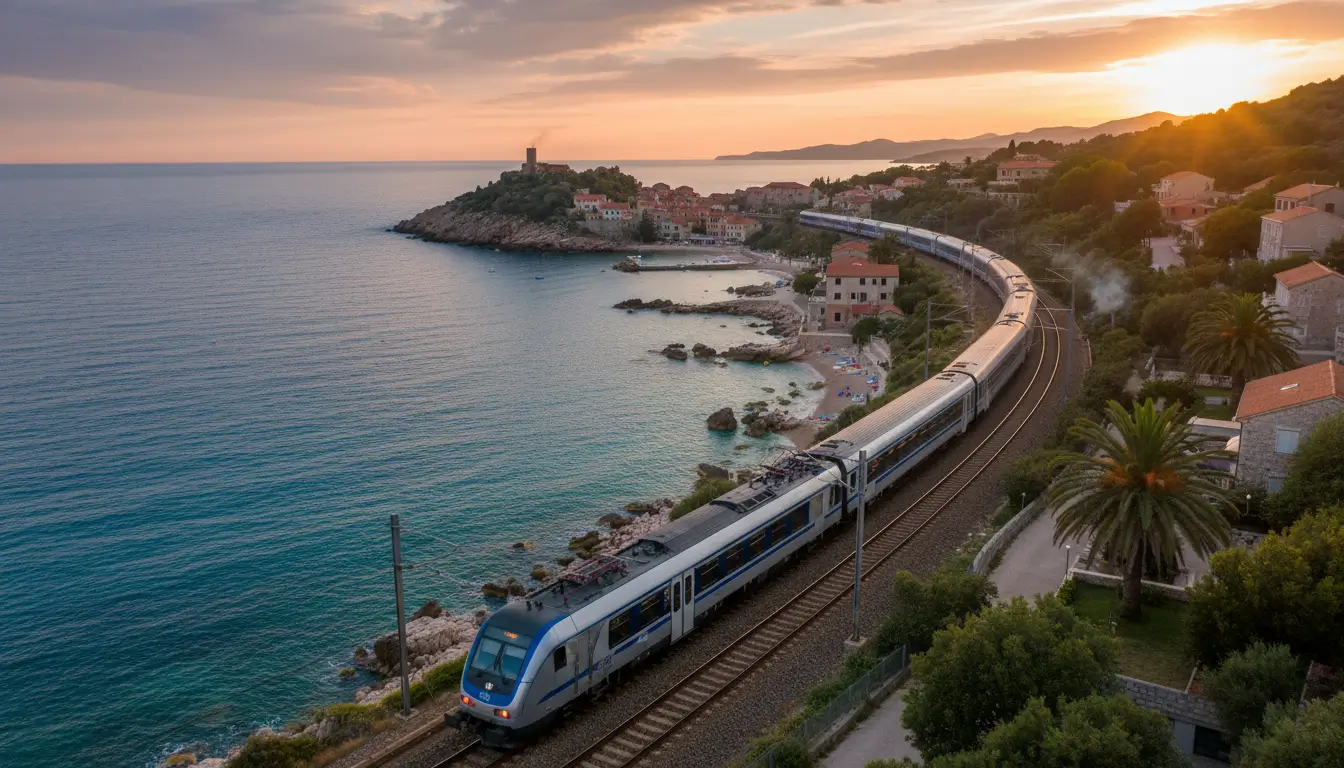
From the Netherlands you can travel to Switzerland by train. The best connections run via Cologne, Basel or Frankfurt. From these hubs you have direct connections to cities such as Zurich, Bern and Lucerne.
For a comfortable journey you can opt for a night train to Switzerland. These trains depart, among other places, from Amsterdam and Düsseldorf. A night train saves on a hotel and lets you arrive rested for the start of your Alpine route.
From Zurich or Lucerne you can easily change onto the panoramic lines. The timetable in Switzerland is reliable, which makes it easy to plan combinations with Dutch trains.
Discover more about rail holidays
The Swiss Alpine routes offer a wealth of choice for travellers who want to explore by train. Whether you choose the iconic Glacier Express, the dramatic Bernina Express or a cleverly put-together route using regional trains, there is an option to suit every travel style.
On the Traveller Tips website you will find much more information about rail holidays, routes, planning and sights. Discover which destinations are also reachable by train and get inspired for your next trip.
Frequently asked questions
The Bernina Express is often experienced as even more spectacular than the Glacier Express, thanks to the extreme difference in altitude and the combination of glaciers, lakes and almost Mediterranean scenery. The GoldenPass Line (Montreux–Interlaken–Lucerne) also offers a highly varied and, for many travellers, richer overall experience, with lakes, vineyards and mountain villages. In addition, routes such as the Lucerne–Interlaken Express and parts of the Bernina route with ordinary regional trains provide an experience that is at least as impressive, with more flexibility to get off along the way.
Start with your interests: do you mainly want iconic panoramas (Glacier/Bernina Express), varied landscapes with lakes and villages (GoldenPass, Lucerne–Interlaken) or would you prefer quieter, less touristy travel (regional lines in Graubünden/Valais)? Then set your budget and check whether a Swiss Travel Pass or a regional pass (for example Graubünden or Bernese Oberland) is cheaper than individual tickets, especially if you are doing many journeys. Combine one or two ‘big’ panoramic trains with several shorter trips on regional trains, so that you can get off flexibly in mountain villages and only pay reservation fees for the busy stretches. Then use the SBB app/website to create a logical loop (for example Zurich – Lucerne – Interlaken – Zermatt – Chur – Zurich) and plan a maximum of one long panoramic leg per day, supplemented with time for walks or cable cars.
For a multi-day rail journey with plenty of freedom and mountain excursions, the most cost-effective options in practice are mainly the Swiss Travel Pass (unlimited travel + often 50% discount on mountain railways, sometimes free mountain trains) and the Half Fare Card (for longer stays or fewer travel days, 50% discount on almost all trains, buses and mountain railways). For those who intensively combine panoramic routes and regional trains, the Swiss Travel Pass usually pays off; with a more relaxed schedule and only a few expensive mountain excursions, the Half Fare Card is often cheaper. With these passes, regional trains on the same routes as the Glacier/Bernina/GoldenPass are more flexible and cheaper than the official panoramic trains with reservation surcharges. Check for each mountain excursion (such as Jungfraujoch, Gornergrat, Pilatus, Titlis) how much discount your chosen pass gives, as this can make a major difference to the total price.
You generally get the best views in late spring (May–June) and early autumn (September–early October), when the air is often clear, there is still (or again) snow on the peaks and it is less busy than in July–August. For snowy landscapes with reasonably long days and fewer tourists, January and especially March are a good choice. Avoid, if possible, the peak of the summer season (school holidays in July–August) and weekends around public holidays, when panoramic trains such as the Glacier and Bernina Express quickly become full and crowded. Where you can, choose early-morning or midweek trains for quieter carriages and better light for the views.
Plan a route including a panoramic train (for example the Bernina or Glacier Express) and deliberately get off one or two stages earlier to spend the night in a mountain village and walk to viewpoints or mountain lakes. Combine routes such as the GoldenPass or Lucerne–Interlaken with city stops in Lucerne, Montreux or Chur for museums, historic centres and regional cuisine. Choose small-scale mountain hotels, mountain huts or guesthouses along regional railway lines in Graubünden or Valais for an authentic atmosphere instead of large resort towns. Wherever possible, use regional trains on (parts of) the same routes so that you can get off flexibly along the way for short walks, village visits and local events.