 NL
NL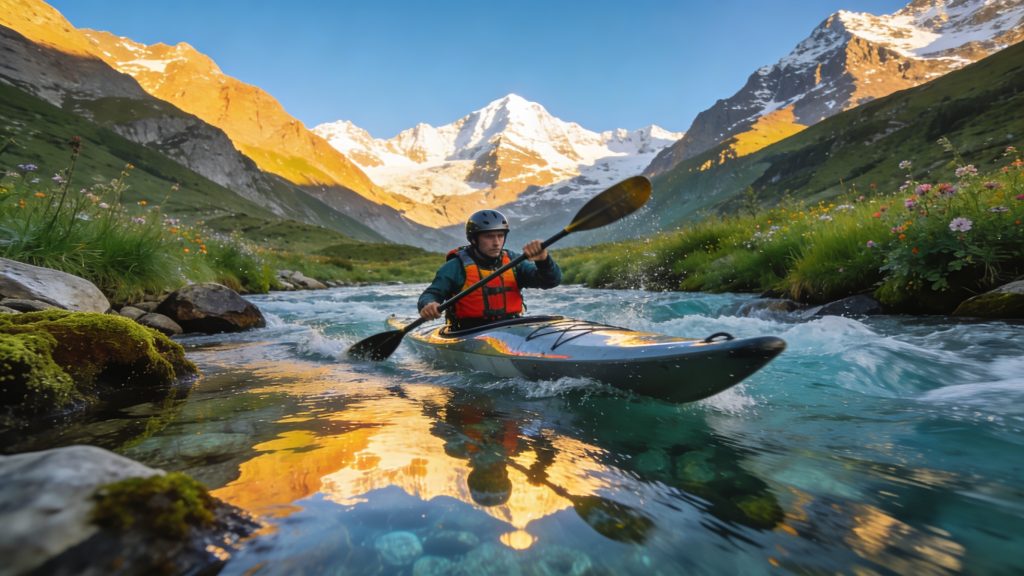
White-water kayaking in Europe is perfectly accessible for beginners, provided you choose calm river sections, professional guidance and stable equipment. The best first experience is not about difficulty level, but about safety, building technique and the confidence you gain in moving water. Curious where you can start safely and what you need for a successful first white-water trip?
Why white-water kayaking is ideal for active travellers
For travellers who like to combine their holiday with outdoor activities in nature, white-water kayaking offers a unique way to experience mountain rivers and green landscapes. You paddle through moving water, feel the dynamics of the river and take in the surroundings from a completely different perspective. Many destinations in Europe have sections that are specifically suitable for people with no experience. This way you can enjoy a canoe and kayak holiday that offers both relaxation and challenge.
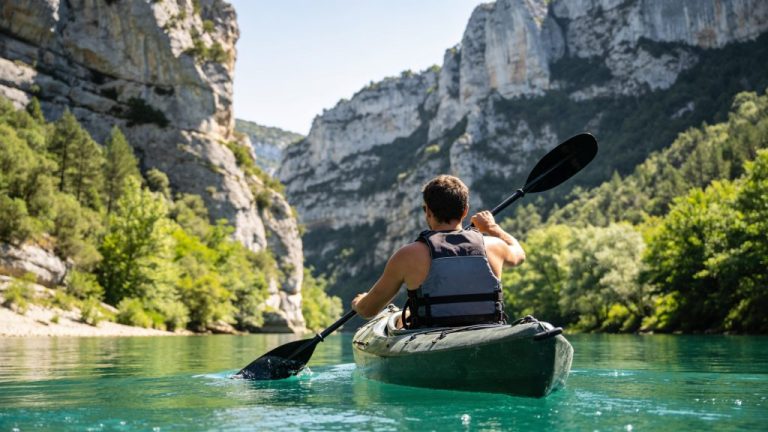
The best beginner sections are often found in countries such as France, Slovenia, Austria and Spain. These areas have calm river sections with clear current, wide riverbeds and few technical obstacles. Choose a guided trip or a course with a recognised kayak school. You get direct instruction on safety, reading the current, and steering and braking techniques.
What makes a river suitable for beginners?
Not every white-water river is suitable to start on. For a safe and enjoyable first experience, pay attention to the following characteristics:
- Gentle current without sudden accelerations
- Wide riverbed with plenty of room to manoeuvre
- Few or no technical obstacles such as rocks or narrow passages
- Good put-in and take-out points
- Availability of professional guides or kayak schools nearby
Rivers that meet these criteria give you the space to develop your technique, while challenging situations remain limited. Think of stretches of the Dordogne in France, calm sections of the Soča in Slovenia, or the Sella in northern Spain. These routes are known for their accessibility for beginners and at the same time offer beautiful natural surroundings.

Safety and equipment: what do you really need?
Safety starts with the right equipment and preparation. Even on calm rivers, a properly fitting buoyancy aid is compulsory. In addition, you should preferably wear quick-drying clothing or a wetsuit, depending on the season and the water temperature. Water shoes or sturdy sandals with good grip are needed to get in and out of the kayak safely.
A helmet is standard for white-water kayaking, especially on rivers with current. Many kayak schools and rental companies offer complete sets, including helmet, buoyancy aid and paddle. For beginners this is ideal, as it ensures you have equipment that meets safety requirements.
Also pay attention to the water level and the season. The difficulty of a river changes with rainfall, snowmelt and dam releases. A section that is calm in summer can become much more challenging in spring due to higher water levels. Always check the current conditions before you set off.
Best countries and regions for beginners
France: varied and accessible
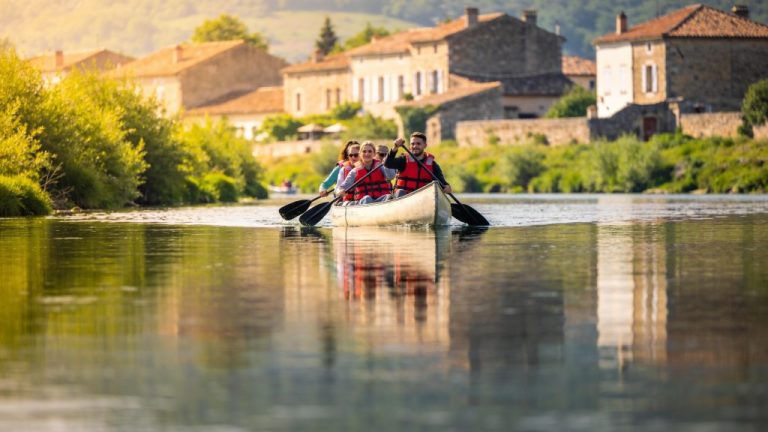
France has an extensive network of rivers with different levels of difficulty. Well-known areas such as the Ardèche, Dordogne and Tarn offer calm sections that are perfect for a first introduction. The infrastructure for outdoor sports is highly developed, with many kayak schools and guided trips.
Slovenia: spectacular nature with professional guidance
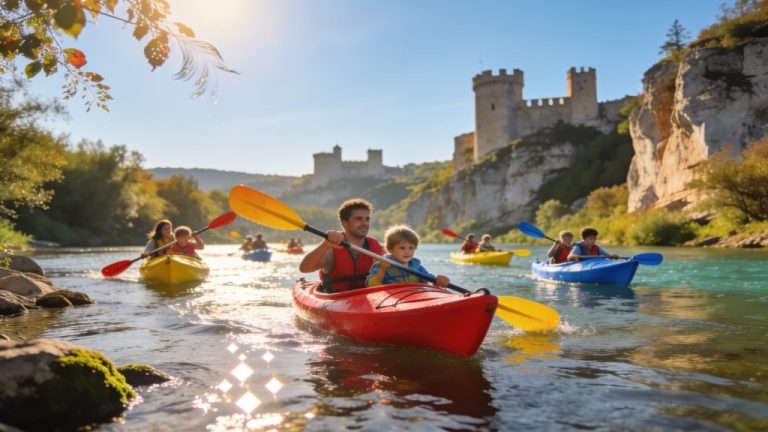
Slovenia is known for the clear, turquoise colour of the Soča and its impressive mountain landscapes. Not all sections of this river are suitable for beginners, but with local guides you can start safely on calmer stretches. Many operators focus specifically on recreational kayakers and offer courses from age 12 and up.
Spain: warm temperatures and green valleys
The Sella in northern Spain is popular with recreational kayakers and families. The route is calm, the surroundings are green and the temperatures are pleasant. Spain is an attractive choice for travellers who want to combine white-water kayaking with a sunny holiday.
Austria and Germany: close to home and straightforward
For those who do not want to travel far, Austria and Germany offer good options. Kayak schools and training centres are often located in nature-rich areas and offer day trips or multi-day courses. This is useful if you want to practise first before planning a long-haul trip.
‘ This gives you more confidence and better preparation for future trips on more challenging water. ‘
How to start: course or guided trip?
For a first experience, a guided trip or course is highly recommended. You learn the basic techniques of steering, braking and edging. You also get an explanation of how to read the river, and how to handle moving water safely. Instructors help you choose equipment and support you in unexpected situations.
A beginner course usually lasts half a day to a full day. The course includes a safety briefing and an explanation of the equipment. You do exercises on the water and paddle a calm section under supervision.
For those who want to learn more, there are multi-day courses. You then also practise techniques such as wet rescues and self-rescue. This gives you more confidence and better preparation for future trips on more challenging water.
What to expect during your first white-water trip
The first few minutes on moving water are exciting. With good guidance, the tension quickly decreases. You start with a warm-up and an entry training session in a calm spot. You then practise steering, braking and reacting to the current. The guide paddles ahead of you or next to you and gives instructions where needed.
There are breaks during the trip when you can ask questions or simply rest. The pace is relaxed and tailored to the group’s level. For beginners, the focus is mainly on building technique and confidence, not on speed or difficulty.
Afterwards, you have a realistic idea of what white-water kayaking involves. You will then be better able to judge whether you want to develop this further.
Practical tips for a successful first kayaking holiday
- Book a beginner course or guided day trip with a recognised provider in advance
- Choose a stable kayak with sufficient volume for more calmness and control
- Bring at least: dry clothing, water, sun protection and a small snack in a dry bag
- Practise first on flat water if you have never paddled before
- Check weather conditions and water level before departure
- Do not go alone; always paddle with a guide or experienced partners
‘ More important is that you feel comfortable in the water and can swim. ‘
Age, experience and health: what should you pay attention to?
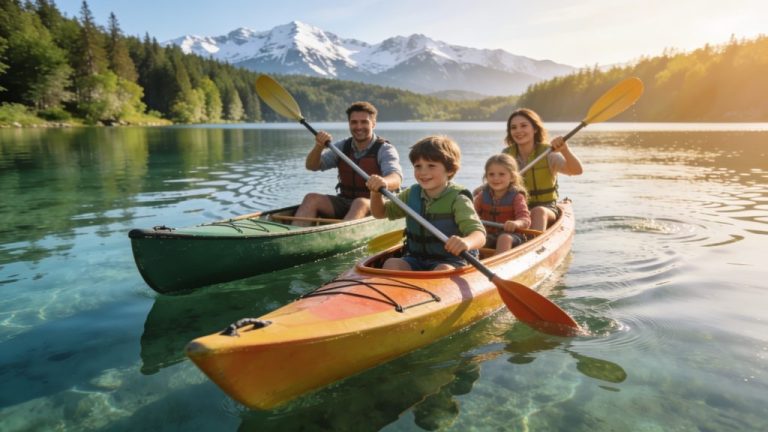
Many kayak schools use a minimum age of 12 years for white-water trips. Younger children can sometimes join in a tandem kayak or raft, depending on the operator and the route. To take part you need a basic level of fitness, but you do not need to be an elite athlete. More important is that you feel comfortable in the water and can swim.
If you have physical limitations, discuss this with the organiser beforehand. Some routes and types of equipment are more suitable than others. The same applies to pregnant women or people with back problems: always check whether participation is safe and responsible in your situation.
How much does a beginner white-water kayaking experience cost?
The cost of a guided day trip is on average between €50 and €100 per person, including equipment and instruction. Multi-day courses with overnight stays and full guidance cost between €300 and €600, depending on the length and location. Renting equipment without a guide is cheaper, but not recommended for beginners.
For a complete kayaking holiday including accommodation, transport and guiding, you should allow for €500 to €1,000 per week. This varies greatly by country, season and type of organisation.
Discover more about active nature holidays
White-water kayaking is just one of many ways to actively enjoy nature in Europe. On the Traveler Tips website you will find much more information about canoeing and kayaking trips, routes through mountain areas, regulations relating to outdoor sports and practical tips for planning an active holiday. Discover which destinations best match your wishes and how to set off safely and well prepared.
Frequently asked questions
For beginners who want to do a road trip by car or train, the French rivers (Ardèche, Dordogne, Tarn) are particularly suitable: many calm sections, good infrastructure and relatively close by. Slovenia (easy sections of the Soča valley) and parts of Germany and Austria also offer beginner-friendly white-water routes with kayak schools and good access by car or train. Northern Spain (for example the Sella in Asturias) and some Croatian rivers are also attractive if you want to combine a holiday with easy-going white-water. In all these regions you will find guided trips and rental options, which makes them especially suitable for your first white-water road trip.
Beginners travelling by car or train are best off renting heavy and bulky items (white-water kayak, paddle, helmet, buoyancy aid, wetsuit/dry suit) on site from a recognised provider or kayak school, so that they only need to bring their personal gear. Essential items to bring yourself are: well-fitting (thermal) base layers and quick-drying sports clothes, sturdy water shoes or old trainers, sun protection (cap, sunglasses with retainer strap, sun cream) and a dry bag for your phone and spare clothes. Choose a route that is explicitly described as beginner friendly and always go with a guide or organised course, so that equipment, safety and transport along the river are all arranged. Check seasonal water levels and water temperature in advance so you can match your clothing layers (neoprene only or an extra thermal layer as well) to the conditions.
Combine 2–3 beginner-friendly rivers (for example the Ardèche or Dordogne in France, the easy sections of the Soča in Slovenia or the Sella in northern Spain) with nearby historic towns and nature parks, so you can alternate between paddling, culture and hiking. Start by planning 1–2 days of beginner courses or guided day trips with a local kayak school, and use the rest of the trip for short, relaxed paddling stages. Choose routes explicitly marked as suitable for beginners, close to places with enjoyable extras (markets, castles, vineyards, lakes or beaches) so that non-kayakers also have plenty to do. Build in rest days for city visits, local food and light hikes, and make sure that logistics (equipment hire, shuttles, accommodation) are arranged in advance, so you can fully focus on the experience during your trip.
You will mainly find reliable beginner courses and rental options at recognised kayak schools and outdoor centres in areas such as the Ardèche, Dordogne and Tarn (France), the Soča valley (Slovenia), northern Spain (including the Sella) and easy-access rivers in Germany and Austria. Look specifically for providers that mention “beginners”, “introductory course” or “guided tour” and that use certified guides, including equipment hire. These organisations usually offer individual day trips or short courses that fit well within a self-planned tour, where you arrange your own transport and accommodation. For a realistic budget it is often cheaper to book outside the peak season and to choose complete packages (guide + equipment) rather than hiring everything separately.