NL
NL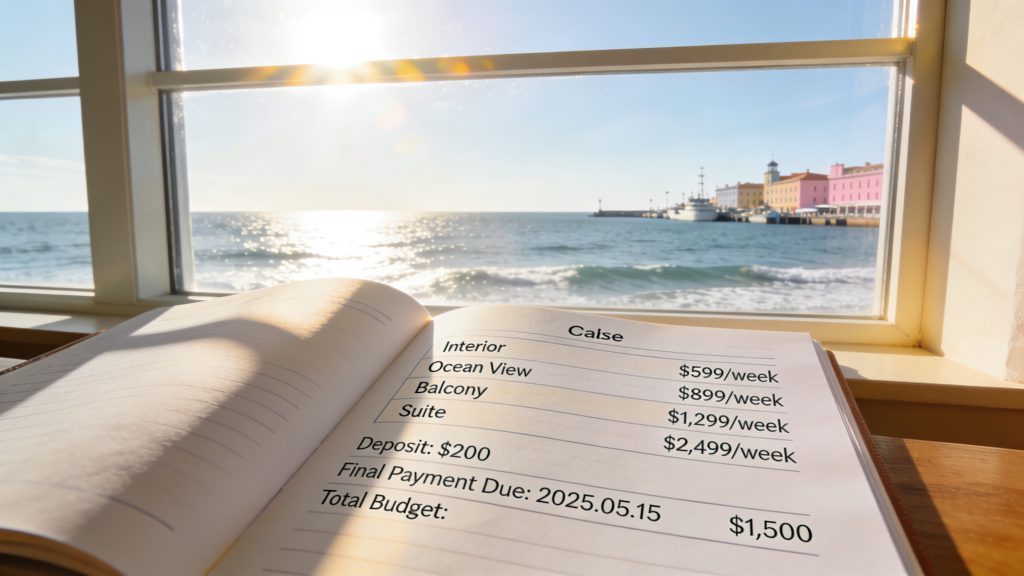
Cabin costs vary enormously and often determine whether a cruise remains affordable or ends up outside your budget. From €50 per night for an inside cabin to well over €300 for a suite, the choice depends on the comfort you want, the season and the ship. If you draw up a complete overview of all costs in advance, you can avoid unpleasant surprises later. Discover how to budget smartly and stay within your limits.
What determines the price of a cabin?
The cost of a cabin on board depends on several factors. Not only the type of accommodation plays a role, but also its location, when you book and the season in which you sail. If you understand these variables, you can make a better choice and avoid overspending.
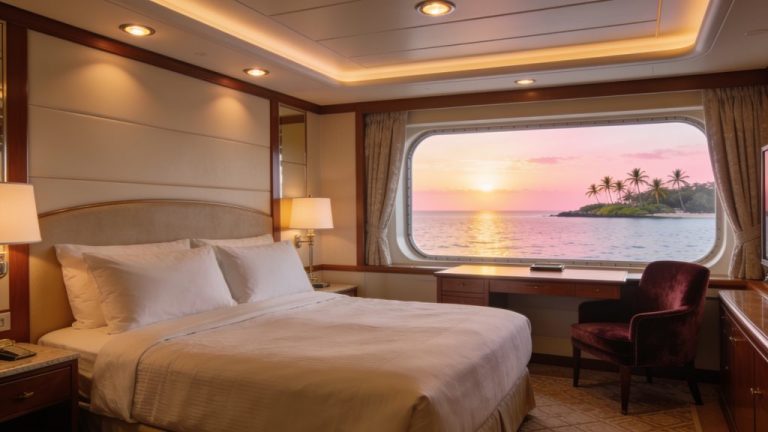
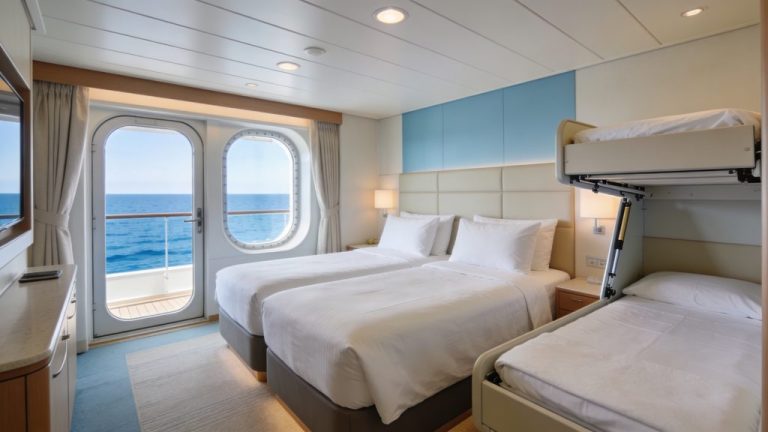
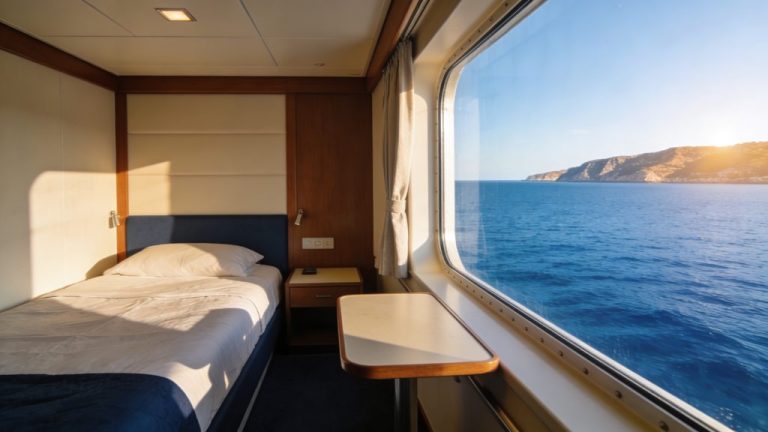
The type of cabin is a key factor in the price. Inside cabins have no window and are the most economical. Outside cabins offer daylight through a porthole or window. Balcony cabins give you extra space and privacy. Suites often have a separate living area, larger bathrooms and sometimes access to exclusive decks. For a complete overview of all variants and facilities, read more about cabins and accommodation on board.
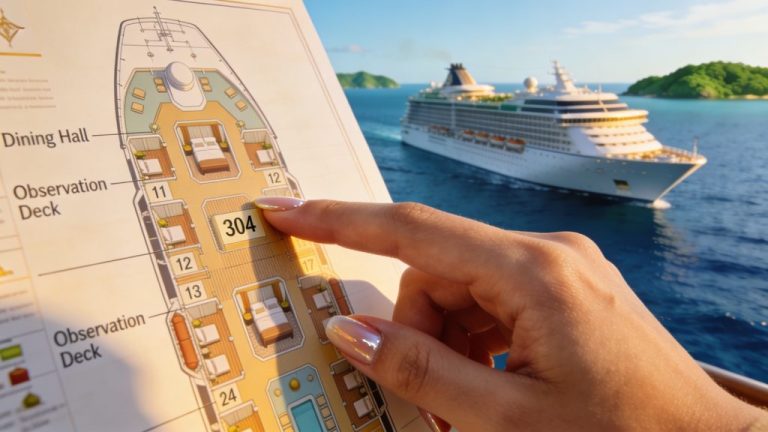
Location on board also affects the price. Cabins on higher decks, away from public areas and engines, are quieter and more expensive. Lower decks and cabins near corridors, lifts or galleys are often cheaper. If you are sensitive to motion, choose a cabin midships and on a mid-level deck.
The season you travel in has a big impact on what you pay. Popular periods such as summer holidays, Christmas and spring breaks come with higher prices. Outside peak season you often sail at lower rates. Availability also plays a part: the fuller the ship, the higher the remaining cabins are priced.
‘ Remember that the cabin price does not cover everything: port charges, surcharges, service fees and excursions are often added on top of the base fare. ’
How much does a cabin on a cruise ship cost per night?
For an inside cabin you typically pay between €50 and €100 per night per person. Outside cabins range between €80 and €150. Balcony cabins are often between €120 and €250. Suites start from €300 per night and can rise to well above €500, depending on the cruise line and the ship.
These amounts give an indication for standard cruises in Europe. Luxury or more exotic itineraries come with higher prices. Cheaper cruise lines and shorter trips reduce the costs. Be aware that the cabin price does not cover everything: port charges, surcharges, service fees and excursions are often added on top of the base fare.
What is cheaper: booking early or last minute?
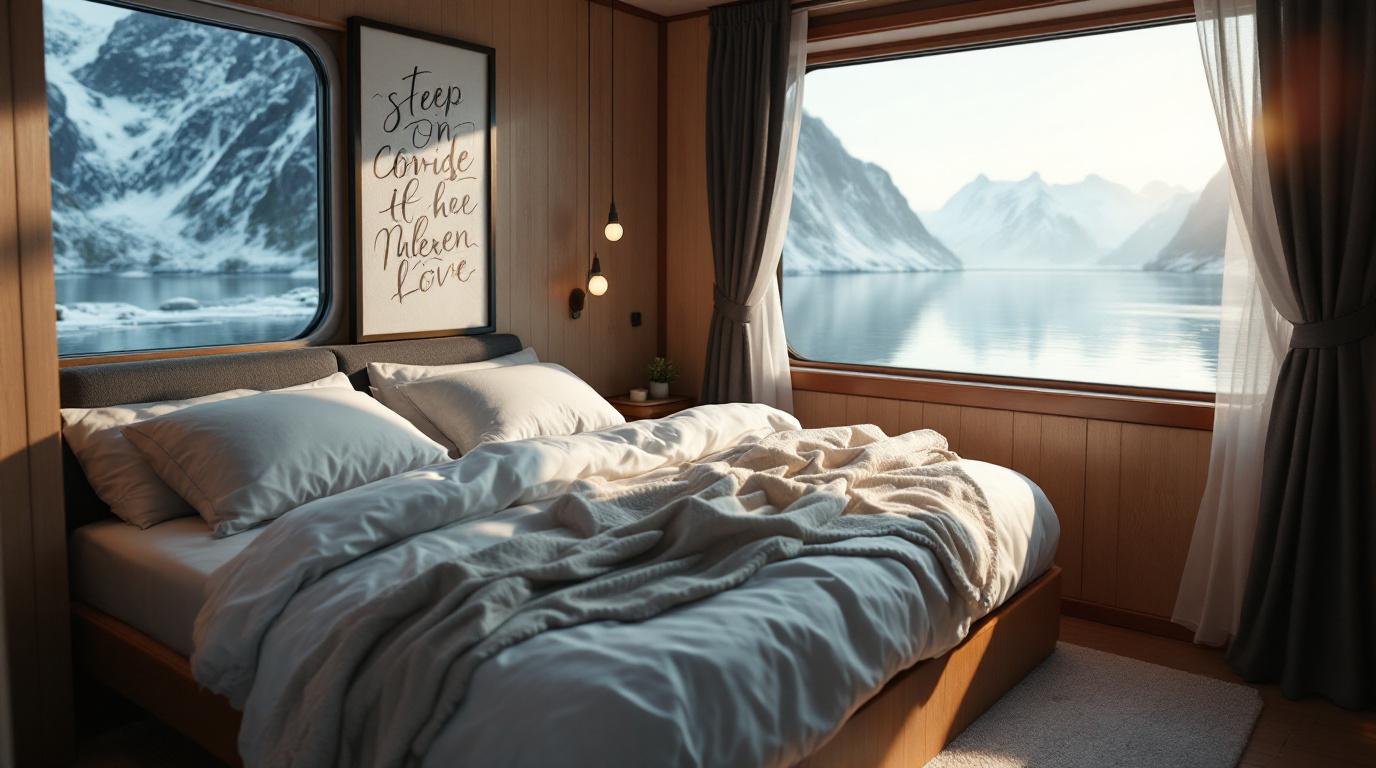
Booking early usually gives you the biggest advantage. Cruise lines offer discounts and promotions for travellers who reserve months to more than a year in advance. You then have the widest choice of cabins and decks. Early bird fares are often 20 to 40 per cent lower than standard prices.
Last-minute deals can be attractive if cruise lines want to fill empty cabins. This mainly happens on less popular routes or outside the main season. If you are flexible with your departure date and cabin type, you might pick up a bargain. The risk is that the cabins left over are less favourably located or that your trip does not go ahead at all due to lack of availability.
In general, booking early saves more money and offers more certainty. Only if you are highly flexible and have modest expectations is last minute a sensible option.
Are there budget options for cabin accommodation?
Yes, there are several ways to reduce your cabin costs. Inside cabins are the most obvious choice. They give you the same access to all facilities on board, just without daylight in the cabin itself. For anyone who is mostly out and about and spends little time in the cabin, this is a logical option.
In addition, some cruise lines offer shared cabins: you share a cabin with fellow traveller(s) you do not know. That lowers the cost per person. This option is mainly offered on ships aimed at younger or more adventurous travellers.
All-inclusive packages can be good value. Cruise lines such as Viking offer fares that include cabin, meals, drinks and even excursions. That may look more expensive, but you avoid extra on-board spending. You know exactly what you will be paying before you travel.
Repositioning cruises are also interesting. These are cruises where a ship sails from one region to another, for example from Europe to the Caribbean. These trips are longer and often cheaper per night, but the routes are less classic and you spend more days at sea.
How do you create a realistic budget for your cruise?
A good cruise budget starts by breaking down all the costs. First note down the cabin price, port charges and compulsory surcharges. Add transport to the departure port and any insurance. Then work out what you expect to spend on board on drinks, wifi, excursions, tips and souvenirs.
It is useful to work with categories:
- Basic costs: cabin, port charges, service fees
- Paid in advance: transfers, insurance, excursions
- On board: drinks packages, speciality restaurants, spa, wifi
- Buffer: reserve for price rises or unexpected expenses
Set up your budget in a simple cash book or spreadsheet. Record every booking and payment. Keep track of what you have already spent and what you still have available. This way you stay within your limits and know exactly where your money is going.
Also include a buffer of 10 to 15 per cent. This allows you to respond to price changes, spur-of-the-moment decisions or additional costs you had not foreseen. That margin gives peace of mind and prevents you from suddenly hitting your limits during the trip.
Practical tips for keeping costs under control
Always compare different cruise lines and ships before you book. Prices vary widely, even for similar routes and periods. Do not just look at the cabin price, but at the whole package including all surcharges.
Do not automatically book excursions through the cruise line. Local operators are often cheaper and sometimes offer smaller groups and more flexibility. Do make sure you get back on board in time.
Limit your on-board spending by thinking in advance about what you really want. A drinks package can be good value if you regularly drink alcohol, but not if you mainly have water and coffee. Wifi is often expensive; consider whether you really need it or whether you would actually prefer a digital detox.
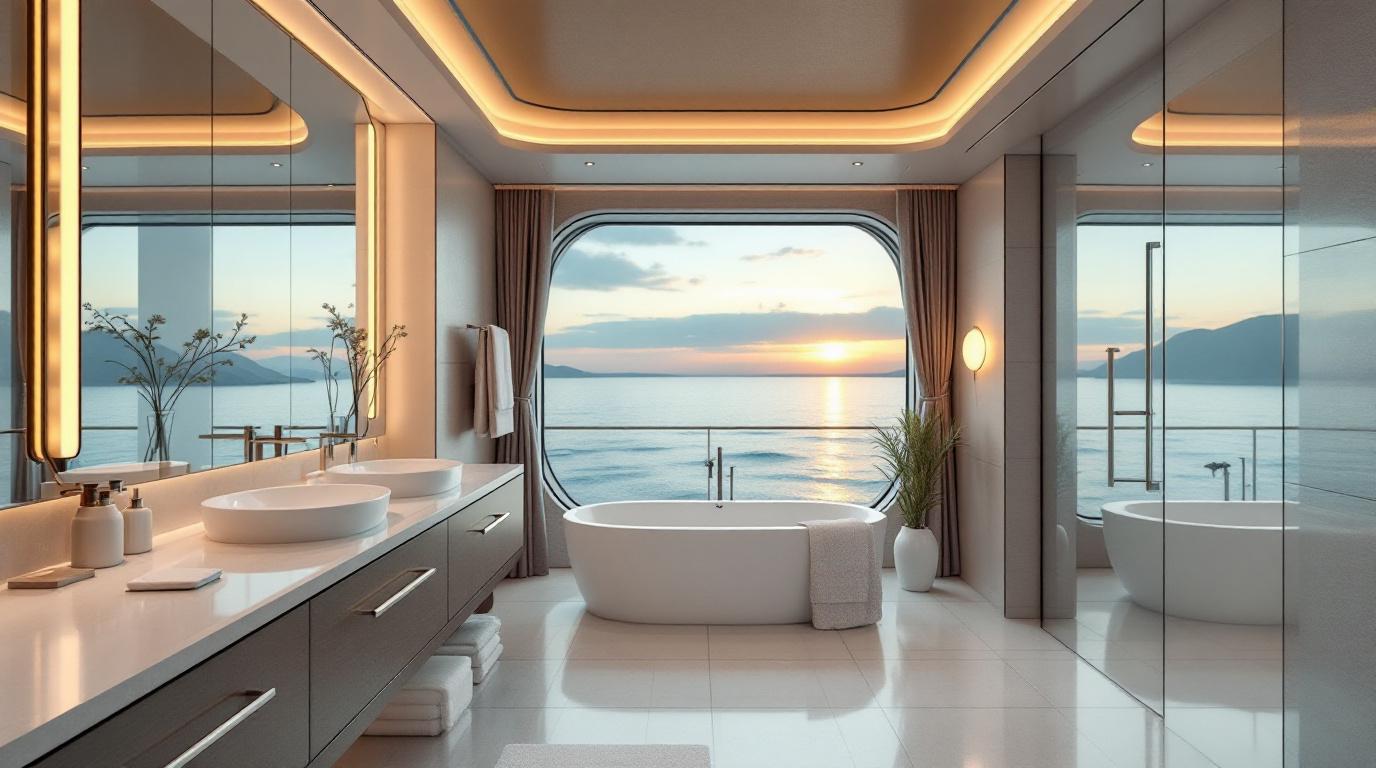
Choose a cabin that matches how you will use it. If you get off early in the morning and do not return until late in the evening, there is little point in an expensive suite. A simple inside cabin is sufficient in that case. If you suffer from motion sickness or like to have fresh air, then a balcony cabin is often worth the extra cost.
Where can you find more information?
On the Traveler Tips website you will find much more information about cruises, itineraries, trip planning and the best destinations for independent travellers. Whether you travel by car, train or boat, the practical tips help you plan more smartly and consciously. Discover more and make your next trip even better.
Frequently asked questions
Start with a table (in Excel/Google Sheets) in which you list all items per day and per mode of transport: fuel/train tickets/tolls, parking, reservation fees, insurance, vignettes and any emission or environmental zones. Then add accommodation, food & drink, activities, local public transport/taxi costs, baggage fees, breakdown assistance and an emergency/buffer item (e.g. 10–15%). For each country and each leg of the journey, look up current prices (fuel, train fares, tolls, parking fees) and enter these as estimated costs per day or per trip. Add everything up, check whether this fits within your maximum budget and, if necessary, adjust your route, mode of transport, number of days or comfort level.
Unexpected expenses are often things like breakdown assistance or repairs, parking fees, extra baggage, tourist taxes, tips, currency exchange fees and medical costs that your insurance does not fully cover. You can save on fuel by driving more slowly and steadily, planning routes with fewer detours and traffic jams, and refuelling away from motorways and in cheaper countries. You can save on tolls by choosing alternative toll-free routes or buying a toll vignette/subscription if that is cheaper than paying individual tolls. For train tickets it pays to book early, use discount cards or rail passes, avoid peak hours and, where possible, choose regional or night trains instead of more expensive high-speed options.
Start with your total travel budget and divide it, for example as a guideline, into 35–40% accommodation, 20–25% food, 20–25% activities and 10–15% transport, depending on your destination and travel style. Allocate just a little more budget to what gives you the most experience (for example, activities for adventurers or accommodation for those seeking rest) and save on what you find less important. Also set aside 10–15% of your total budget as a buffer for unexpected expenses or price increases. During your trip, keep track of all expenses per category (in an app or spreadsheet) and adjust the rest of your budget if one category starts to get out of line.
Yes, there are various handy apps to track your spending during your trip and keep an eye on your budget, such as Trail Wallet, TrabeePocket and TravelSpend, which are specifically designed for travellers. General budgeting apps like Dyme, Buddy, You Need A Budget (YNAB) and Money Lover also offer good options for creating categories, setting limits and viewing reports. Many of these tools work offline and in multiple currencies, which is useful if you travel a lot or outside the eurozone. Ideally, choose an app that allows you to set categories (such as transport, food, excursions and extras) and enter your receipts or transactions every day.