 NL
NL
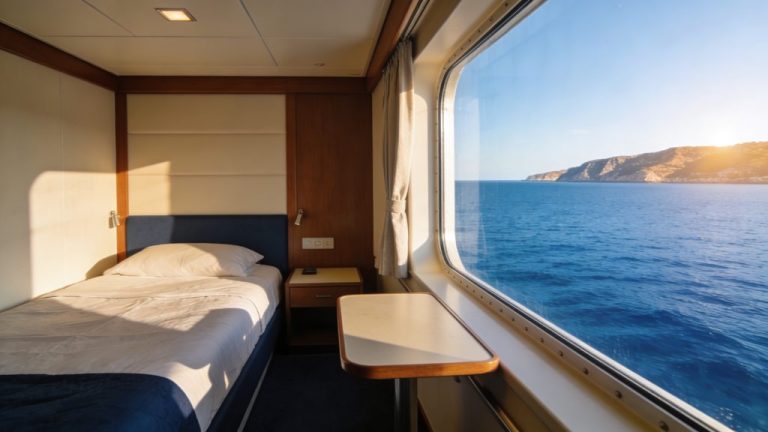
Upgrading to a better cabin makes your cruise more enjoyable. Timing and strategy determine whether you pay a lot or a little for it. Booking early gives you more choice and certainty. Waiting for last‑minute offers can sometimes save you a lot of money. The smartest deal depends on the cabin with the best balance between price, location and included extras. Read on for concrete insights about when and how to upgrade in the best way.
Cruise lines offer various moments to upgrade your cabin. The choice between booking early or waiting depends on your priorities: do you want certainty about a specific cabin, or are you flexible enough to take advantage of promotions? For a complete overview of all options, take a look at our page on Cabins & accommodation on board.
This article explains when upgrading pays off most. You will learn which costs to expect. We explain how bid programmes work. You will also discover what to look out for so you do not waste money on an upgrade that ultimately adds little real value.
When is the best time to book a cabin upgrade?
The timing of your upgrade largely determines the price and availability. Booking early has clear advantages if you already know which cabin you want. Cruise lines regularly use early‑booking discounts and free upgrade promotions to encourage early reservations. This allows you to secure a balcony cabin or suite at an attractive price, possibly including on‑board credit or other extras.
If you are flexible, you can benefit more from upgrading later. Cruise lines prefer to sail with fully booked ships rather than leaving premium cabins empty. That is why upgrades are sometimes offered shortly before departure, either by email, during online check‑in or even on board. The downside is that you have no guarantee of availability or of a specific cabin location.
Many travellers combine both strategies. Book a basic fare for your trip early on. Keep your eyes open for later upgrade offers. Some cruise lines send targeted offers for existing bookings a few weeks before departure. This often happens via bidding programmes.
Upgrade bid programmes
Several cruise lines offer bid programmes. You indicate yourself how much you are willing to pay for a higher cabin category. You enter an amount per person. The cruise line then decides whether your bid is accepted. With MSC, for example, your bid is automatically doubled for the second guest in the cabin, while the third and fourth passengers benefit free of charge from the category upgrade.
The advantage of bidding is that you keep control over the extra costs. The disadvantage: the outcome is uncertain. The cruise line will often ignore a low bid. A higher bid is not always accepted either. Sometimes cruise lines expect to sell the cabins in a different way. Experienced cruisers advise you to bid realistically and mainly use these programmes if you do not have a strong preference for a specific cabin.
What do cabin upgrades cost and how do you calculate the value?
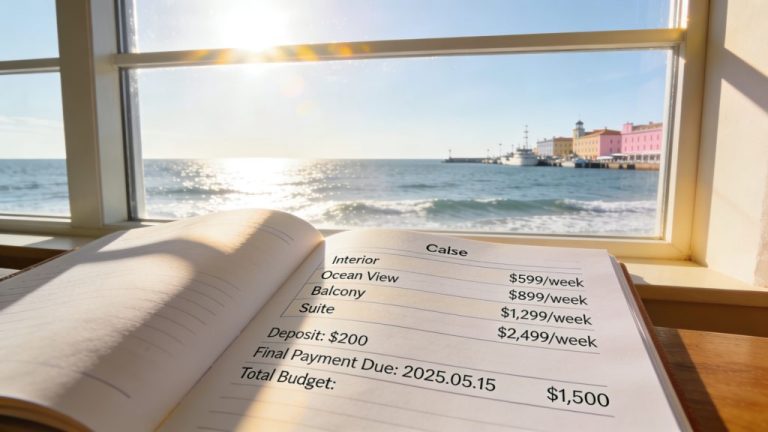
The cost of an upgrade varies greatly depending on cruise line, itinerary and time of booking. With bid programmes, you choose your own amount. With direct upgrades, the price depends on the category upgrade and availability. Most cruise lines calculate upgrades per person. This is based on double occupancy, in other words the price for two people sharing one cabin. So for two people in one cabin you usually pay roughly double.
Pay attention to the total value of an upgrade. Focus on more than just the price. A slightly more expensive cabin is sometimes better value if it includes on‑board credit, free Wi‑Fi or a drinks package. Some promotions do not offer a cash discount. Instead, you receive a free category upgrade combined with other benefits. Always compare what you get extra with the new cabin category.
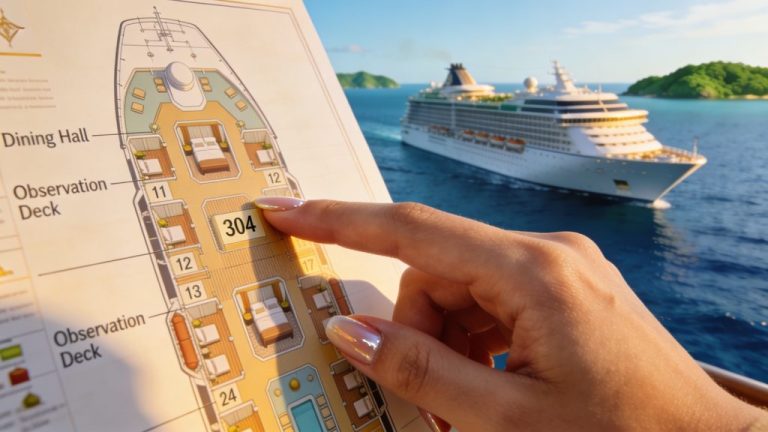
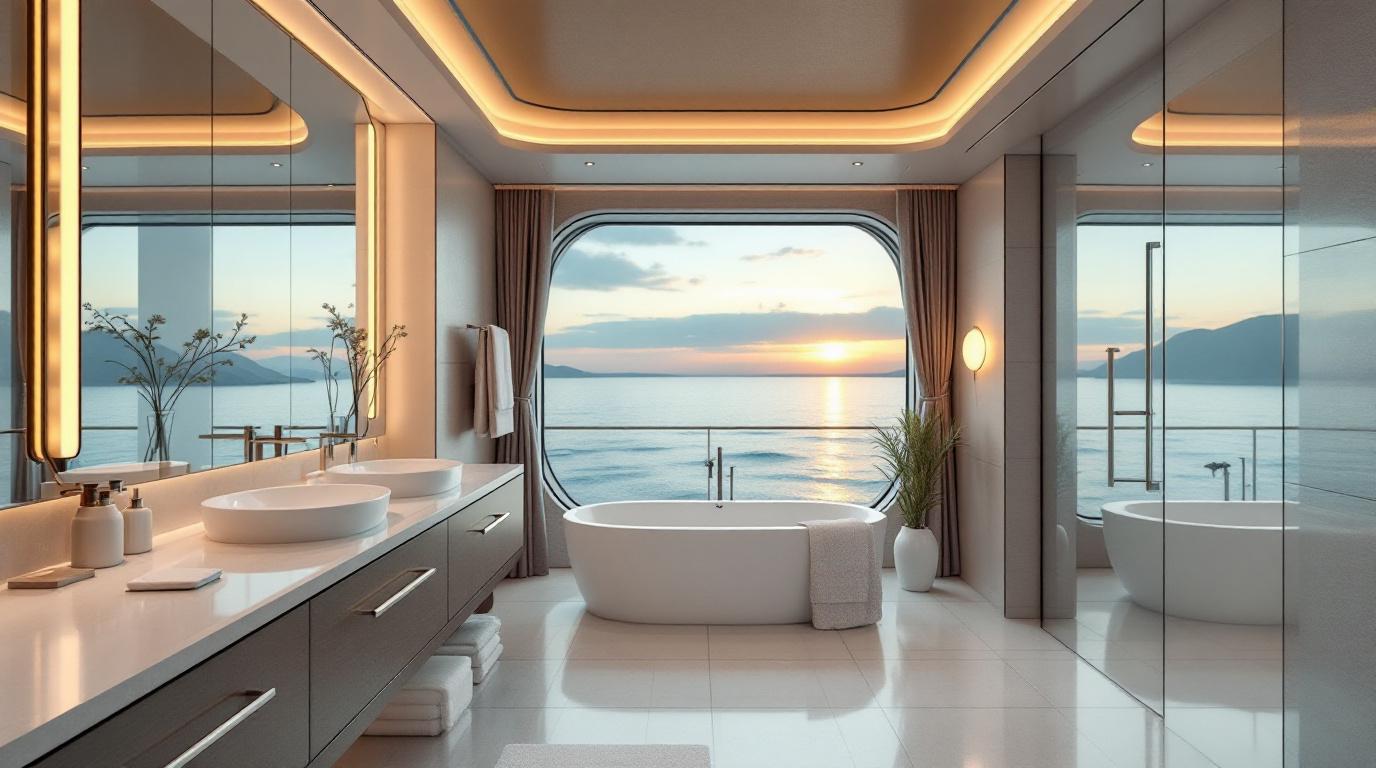
A common mistake is to look only at the name of the cabin category. Terms such as “Deluxe”, “Spa” or “Penthouse” sound luxurious. The real value lies in the location, size and specific facilities. Always check the deck plan to see where your cabin is located. Close to lifts, theatres or restaurants this can lead to unwanted noise disturbance.
Examples of upgrade opportunities
Upgrades are often available in these situations:
- Early‑booking offers where a higher category only costs a small surcharge
- Last‑minute deals when a cruise still has many empty premium cabins
- Free upgrades during special promotions, such as anniversary offers or themed cruises
- Bid programmes that open a few weeks before departure
- On board during check‑in, depending on remaining availability
Your chances of success are greatest on itineraries and during periods with lower occupancy. Think of repositioning cruises or sailings outside the high season. Popular routes in summer or around public holidays have less availability and therefore fewer upgrade opportunities.
Can you still change a cabin after booking?
Most cruise lines allow changes after booking. However, the conditions differ. Some bookings are fully flexible. You can amend these free of charge. Other bookings carry a change fee or cannot be amended at all. Read the booking terms carefully to avoid unpleasant surprises.
Do you want an upgrade after booking? You usually arrange this via the cruise line or your travel agent. Availability depends on how many cabins are still free in the desired category. The closer you get to the departure date, the smaller the chance that popular cabin categories are still available.
A smart approach works as follows. Secure a basic price immediately after booking. In the meantime, check whether better offers appear. Some cruise lines automatically send notifications when there are promotions that apply to your booking. Others require you to check regularly yourself or to get in touch.
Upgrading on board
Upgrading on board is possible, but not guaranteed. At check‑in you can sometimes ask via a self‑service kiosk or guest services whether upgrades are available. The price is then calculated on the spot and you pay immediately if you accept the upgrade.
The advantage of upgrading on board is that you know exactly what you are getting and can respond directly to availability. There are disadvantages too. The choice is often limited. You have little time to compare options. This is therefore mainly suitable for travellers who are flexible and like to decide spontaneously.
What should you look out for with cabin upgrades?
An upgrade to a higher cabin category always sounds appealing. Yet each upgrade delivers different benefits. Pay attention to these points. Only pay once you have checked them:
- Compare the exact cabin category and location, not just the name
- Check whether the upgrade also includes extra perks, such as priority check‑in or access to exclusive restaurants
- Look at the deck plan to make sure the cabin is not right next to sources of noise
- Read the conditions: some upgrades do not include all benefits of a fully paid higher category
- Calculate the total cost for all travellers in the cabin, especially if you are travelling with more than two people
Some travellers are prone to seasickness. Others need daylight and space. These groups often notice the biggest difference from an upgrade. A balcony cabin on a higher deck genuinely offers more comfort than an inside cabin on a lower deck. For shorter cruises of a few days, the cabin category usually matters less than it does for longer trips.
‘ Flexibility increases the chance of an affordable upgrade. ’
Smart strategies for the best upgrade
Experienced cruise travellers use different strategies to get a better cabin for a modest surcharge. The most effective approach depends on your priorities and flexibility.
The first strategy works like this. Book early with a low basic price. Upgrade later via bid programmes or promotions. That way you always have a cabin reserved. You can then take advantage of discount offers without any risk. The second strategy is different. Deliberately book an inexpensive cabin. Upgrade shortly before departure or on board. At that point the cruise line wants to fill any empty premium cabins. This works particularly well on cruises with lower occupancy.
A third option is to sign up for newsletters and notifications from cruise lines. Many offers are only communicated by email and are valid for a limited time. If you stay alert, you can quickly take advantage of temporary deals with free upgrades or hefty discounts.
Be flexible for more benefits
Flexibility increases your chances of an affordable upgrade. If you are not tied to a specific cabin, travel date or even cruise, you can benefit from the best offers. Some travellers even book several options and later cancel the least favourable one. This only works if the booking conditions allow it.
Also stay flexible about the cabin category itself. This means being open to both a balcony cabin and a suite. This increases your chances of a successful bid or last‑minute offer. Cruise lines often offer upgrades on categories that are harder to sell. An open attitude therefore increases your options.
Compare other aspects of cruise planning too
Do you want to prepare your next cruise smartly? Start by choosing the right itinerary based on your travel dates and interests. Then check the visa and health regulations in the ports you will be visiting. Also decide which excursions you will organise yourself or book in advance, and compare which drinks or Wi‑Fi packages are genuinely good value for your travel style. That way you plan a cruise that matches exactly what you find important.
Frequently asked questions
The optimal moment is to book your basic cabin early for certainty and choice, and then wait with upgrading until promotions, bidding options or last‑minute offers become available. Cruise lines often only open these upgrade options a few weeks to a few days before departure, depending on remaining occupancy. During that period, actively keep an eye on your email, booking portal and any bidding systems. This way you combine a good price with still reasonable availability in higher categories.
The cost of cabin upgrades varies by cruise line, itinerary, cabin category and time of booking, but is usually calculated per person (based on double occupancy) and can be offered via a fixed supplement or bidding system. Determine the added value by comparing the price difference with what you concretely get in return: extra space, balcony, quieter location, more daylight or included extras (such as on‑board credit or packages). Weigh this against the length of your trip and your personal needs: on a long cruise, or if you are sensitive to seasickness or cramped space, a more expensive cabin can “pay for itself” more quickly. Finally, always compare the total trip price with upgrade to the price of booking a higher category directly, including all extras and conditions.
For travellers who value comfort and smart choices, it is usually wise to book the trip itself early for a good basic price and wide cabin choice. You can then often decide about paying for an upgrade later, when promotions, bidding options or last‑minute offers appear. That way you combine certainty and comfort with a better price–quality ratio.
Important factors include cabin availability, cabin category (e.g. inside, ocean‑view, balcony, suite), the number of people in the cabin and the moment you book or place a bid. In addition, promotions, bidding programmes and any included extras (such as on‑board credit or packages) play a role in the final value. You can use this knowledge by first securing a good basic price and your desired minimum category, and only upgrading later if promotions or bidding options clearly offer added value. Always compare the total value (location, comfort and included extras) rather than just the extra cost of the upgrade.