 NL
NL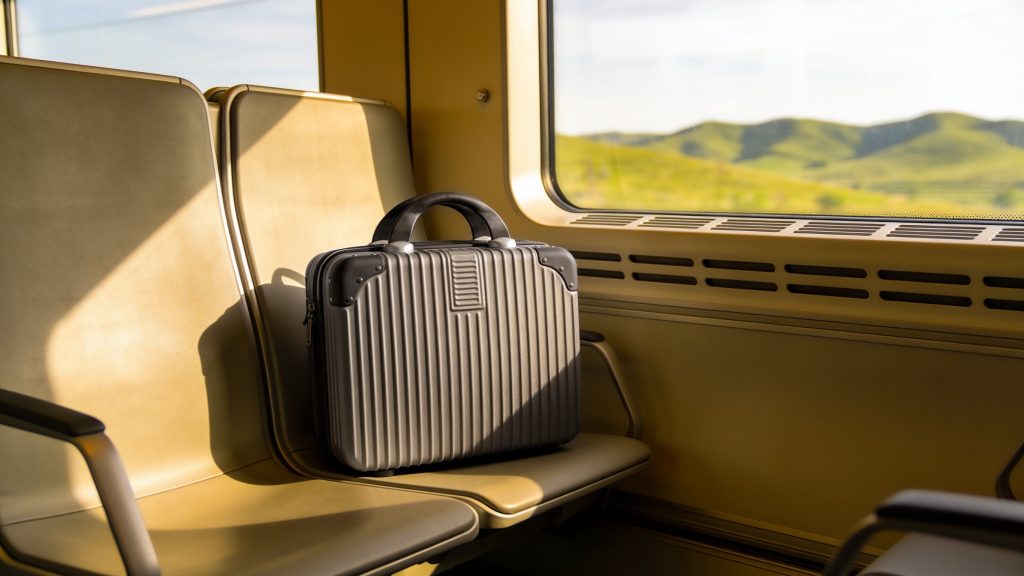
The longer your train journey, the more you benefit from compact luggage, a smart seat choice and some targeted preparation. This approach greatly increases your comfort, prevents stress when changing trains and makes for a relaxed journey. That way you get the most out of every long train trip.
How much luggage can you take on German trains?
German trains do not have strict weight limits for your luggage. The general guideline with Deutsche Bahn is that you may take up to three pieces of luggage free of charge, as long as you can carry and store them yourself. On international trains you can usually take two pieces of regular luggage and one piece of hand luggage. Some operators also allow one larger item, one regular item and one piece of hand luggage.
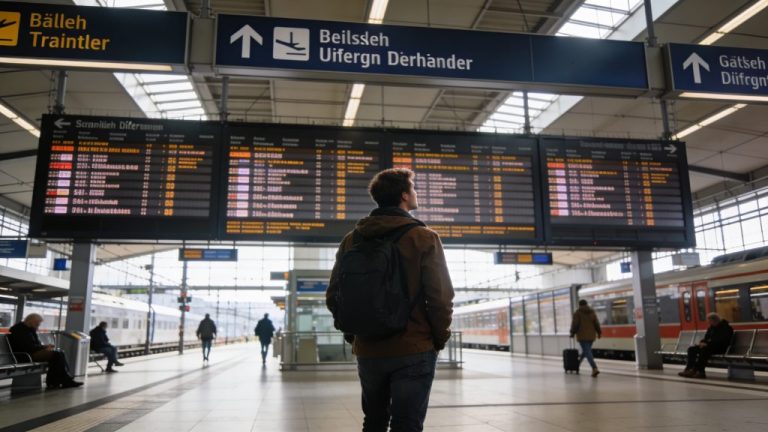
Your luggage must fit in the spaces provided. These include luggage racks above the seats, storage areas by the doors or special luggage zones at the end of the carriage. Your bags must not be left in the aisle. For a train holiday in Germany, choose luggage that you can carry up and down stairs yourself. This is especially important when changing trains at smaller stations.
Special luggage such as bicycles, skis, pushchairs or musical instruments is often allowed. Separate reservation or surcharge rules may apply. Check this with the operator beforehand to avoid surprises.
‘ There are fewer checks on trains than on planes. ’
What are the best luggage tips for long train journeys?
A comfortable train journey calls for compact luggage and good organisation. Ideally, travel with one main item and one small day bag instead of several loose bags. This makes it much easier to move through busy stations and platforms. A soft holdall or compact suitcase often works better than a hard, bulky case. This is especially true if you are visiting multiple destinations.
Always keep important items within easy reach. Think of your ticket, ID, charger, medication and valuables. These belong in your hand luggage, not in your large suitcase which you may have to store at the end of the carriage. A good division into compartments in your bag helps you find things quickly, without having to unpack everything.
Clearly label your luggage with your name and contact details. There are fewer checks on trains than on planes. A clear label helps avoid mix-ups on busy trains. Plan your luggage so that you can carry it up and down stairs yourself, as not all stations have lifts or escalators.
Practical packing tips for on the road
Keep your luggage as light as possible. On journeys with several changes, this really makes a difference. For a city break, a compact, flexible bag is often more practical than an overstuffed suitcase. Regional trains generally offer more space by the doors, seats or in special zones than crowded high-speed trains. ICE and IC trains usually also have enough luggage storage for standard suitcases.

How do you stay comfortable on long train journeys?
Comfort starts with good preparation. Take layers of clothing with you, as the temperature on the train can vary between warm, cool and draughty spots near the doors. Comfortable shoes are useful for walking through stations and when changing trains. Bring snacks and water if you are travelling long distances. On-board catering is not always reliable.
A power bank is practical, as not all seats have a socket nearby. You will probably use your phone a lot during the journey for tickets, routes and entertainment, so enough battery power is important. Also take something with you to help you relax. Earphones, an e-reader or a book can make all the difference, especially on journeys of several hours.
Choosing the right seat
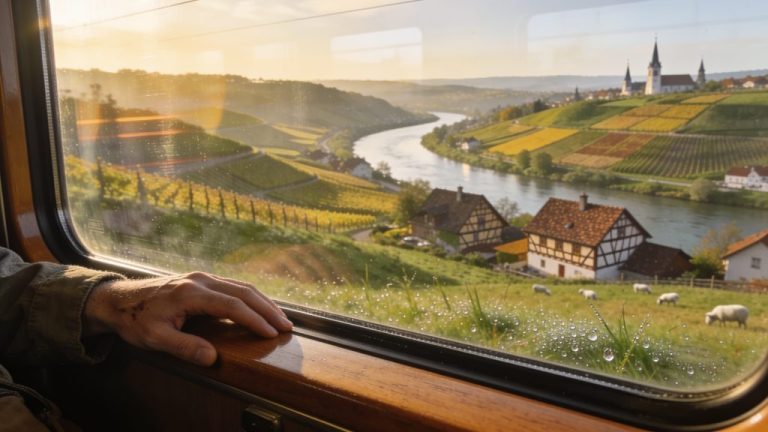
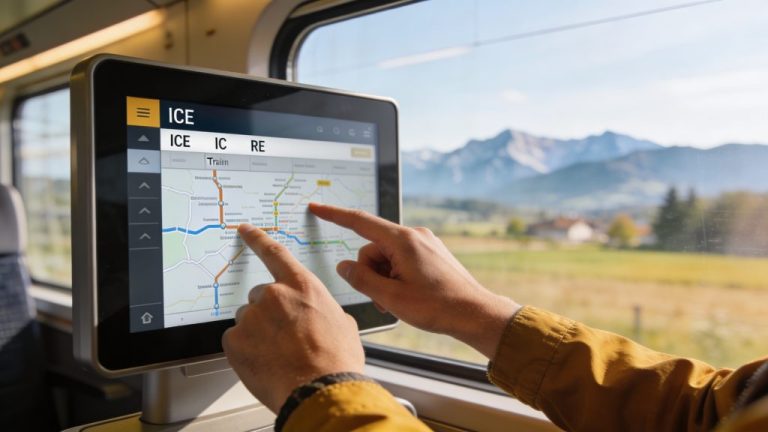
Reserving a seat significantly increases your comfort, especially during busy periods. When booking, you can often choose which side of the train you sit on. For certain routes this is worthwhile. If you are travelling to Neuschwanstein, for example, you will see the castle on the left-hand side of the train. Travellers who like to walk around on long journeys are often better off choosing regional trains or RE trains. These offer more room to move around in the carriages.
Avoid peak commuter times and holiday rush hours where possible. Your travel comfort clearly decreases at those times. A quieter journey contributes to a better overall experience.
What should you take for a comfortable train journey?
Experienced train travellers put together a small on-the-road bag. This little bag contains the items you need during the journey. That way you can quickly grab what you need without searching through your main luggage. Think of:
- Water and snacks for long stretches
- Charger and power bank for your phone and other devices
- Lip balm and tissues for comfort during the journey
- Hand sanitiser for hygiene on the road
- Earphones or headphones for entertainment
- A light cardigan or scarf for changing temperatures
These items easily fit into a small rucksack or bag. Keep it under your seat or next to you. That way you have everything within reach without having to stand up all the time.
‘ And having the right things to hand is what turns a tiring trip into a relaxed journey. ’
Why is preparation worth it on long train journeys?
Good preparation means less stress and more enjoyment. Compact luggage makes for smooth changes. A carefully chosen seat increases your comfort during the journey. And having the right things to hand is what turns a tiring trip into a relaxed journey.
Are you travelling with special luggage such as sports gear or a bike? Then check in advance whether you need a reservation or an extra ticket. This way you avoid surprises when boarding. For a city break, a compact, flexible bag is often more practical than an overstuffed suitcase. Keep your luggage as light as possible so you stay flexible.
Discover more about train travel
On the Traveler Tips website you will find plenty more information about train travel and practical tips for self-organised travellers. You can discover routes and destinations that suit your trip. The website helps you travel more smartly and consciously. Read more about routes, regulations, comfort tips and the most beautiful destinations for your next journey.
Frequently asked questions
On long international trains you can usually take several pieces of luggage free of charge, as long as you can easily lift them yourself and they fit in the luggage racks or compartments without blocking the aisles. Ideally travel with one main suitcase or rucksack and one small day bag for valuables, travel documents, medication and chargers. Pack light and in an organised way: use packing cubes or compartments and choose flexible, not too rigid luggage that fits easily into racks above the seats or at the ends of the carriages. For comfort, keep layers of clothing, snacks and water, earphones/a book and a power bank in your day bag so you can always access them.
Essential comfort items include a small cushion or inflatable neck pillow, layered clothing, snacks and water, a power bank and earphones or an e-reader/book for entertainment. Keep important items (ticket, ID, medication, charger) in a small day bag that stays with you. Plan your luggage to be as light and compact as possible so you can easily lift and move it yourself, especially when changing trains. Choose a quiet seat, get up from time to time to move around and make sure you have offline entertainment so you are not dependent on Wi‑Fi.
Use one main suitcase or rucksack that you can easily lift yourself, plus a small day bag for valuables and items you need often (tickets, ID, medication, electronics). As soon as you board, store your large luggage in the racks above the seats or in the luggage racks by the doors, and label your bag clearly. Organise your suitcase with packing cubes or fixed compartments so that at intermediate stops or overnight stays you only need to take out the section you need. Keep your day bag with you at all times, even if you go to the buffet car or the toilet.
When reserving, choose a seat in a quiet carriage or a quiet zone, preferably by the aisle if you like to get up often, and facing the direction of travel if you are prone to motion sickness. Take your own “comfort kit” with you, including a neck or inflatable pillow, layered clothing, earplugs/earphones, a power bank and a bottle of water. Download films, series, podcasts or e‑books in advance in case the Wi‑Fi is poor or there is no entertainment portal. Do not rely entirely on the bistro: bring your own snacks or a light meal and plan bigger meals around longer transfers.
Make sure you get up regularly, walk a little through the carriage and gently stretch your legs and back to prevent stiffness. Sit upright with your back properly against the backrest, your feet flat on the floor and avoid slouching for long periods. Take enough water with you, go easy on coffee and alcohol, and eat light snacks to keep your energy levels stable. A small neck pillow or a rolled‑up jumper in the small of your back can help prevent back pain.