 NL
NL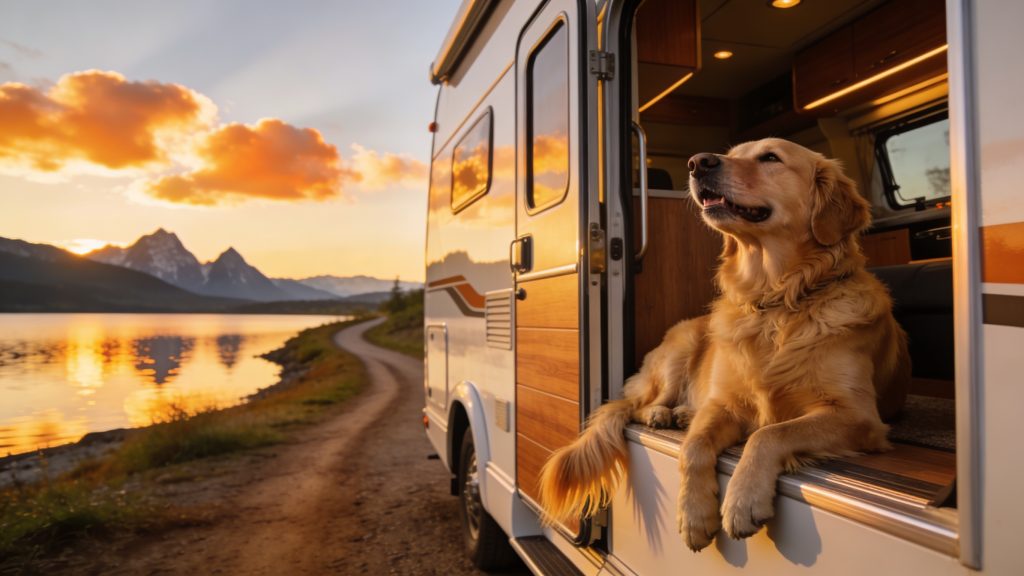
A motorhome with a low step and generous floor space makes travelling with a dog significantly more comfortable. The layout of the motorhome determines whether your dog has a fixed resting place, travels safely and whether you can easily keep the motorhome clean. Will you go for a compact campervan or a spacious overcab motorhome? Discover which type of motorhome best suits your situation and your dog’s needs.
Why the motorhome layout is essential for dog owners
The layout of a motorhome determines far more than you might initially think. A clever layout offers enough floor area for your dog to lie down without being in the way. The height of the step is also very important, especially for older or large dogs. A motorhome with several different floor levels or narrow passageways quickly becomes awkward if you are stepping in and out every day with a dog on the lead.
Besides comfort, safety also plays a role. Your dog must travel in a crate, with a seatbelt or in an enclosed area while driving. Many types of motorhome offer various options for arranging this. One layout may have an open central area where a crate easily fits, while another motorhome has lots of fixed furniture and very little free floor space.
Cleaning is another important factor. Mud, hair and wet paws are part and parcel of travelling with a dog. Materials that are easy to wipe down, such as vinyl floors or faux leather upholstery, make maintenance much easier than delicate fabric coverings.
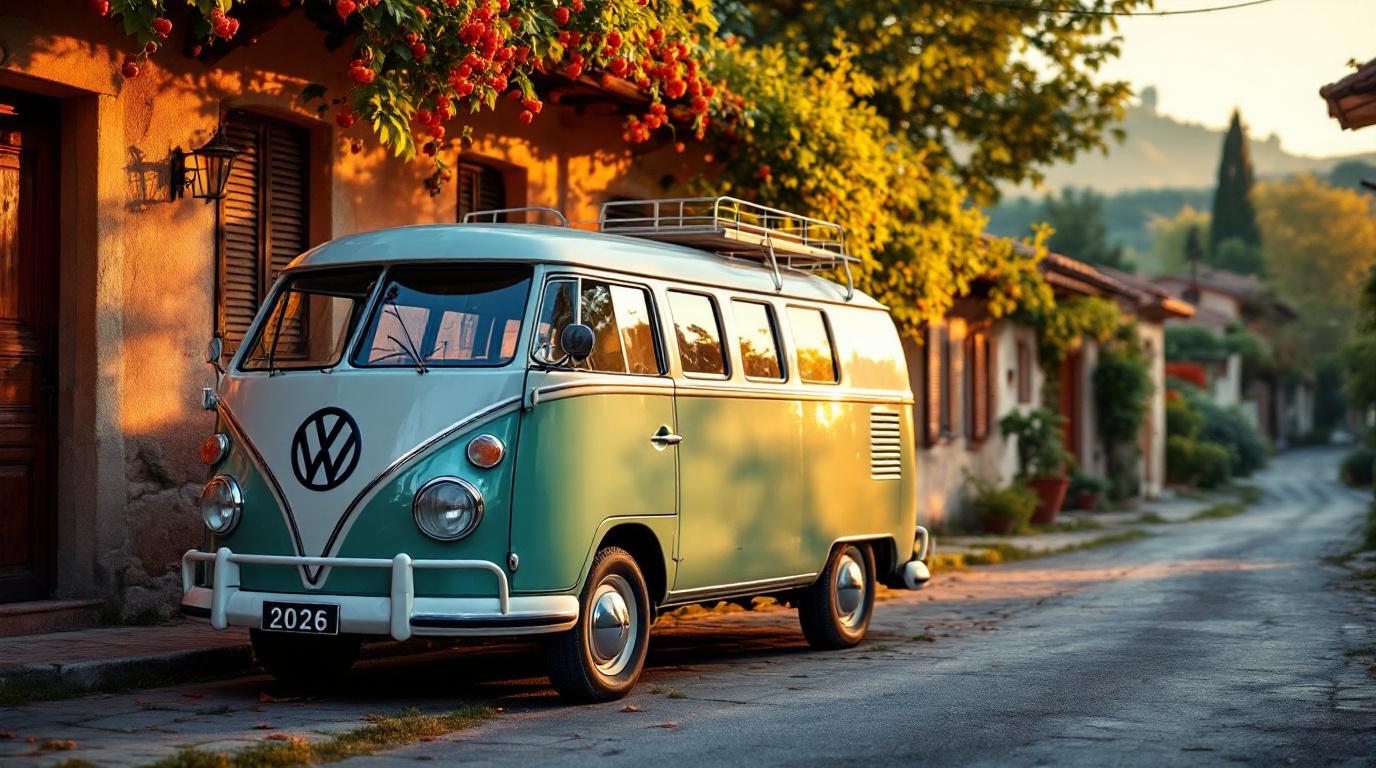
Campervan: compact and accessible for small to medium-sized dogs
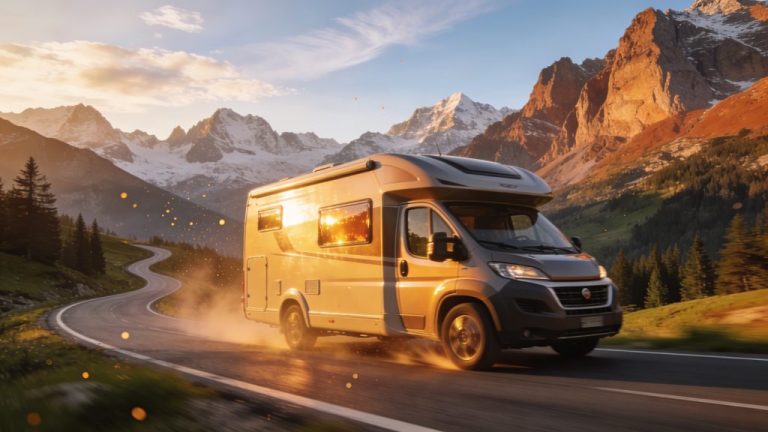
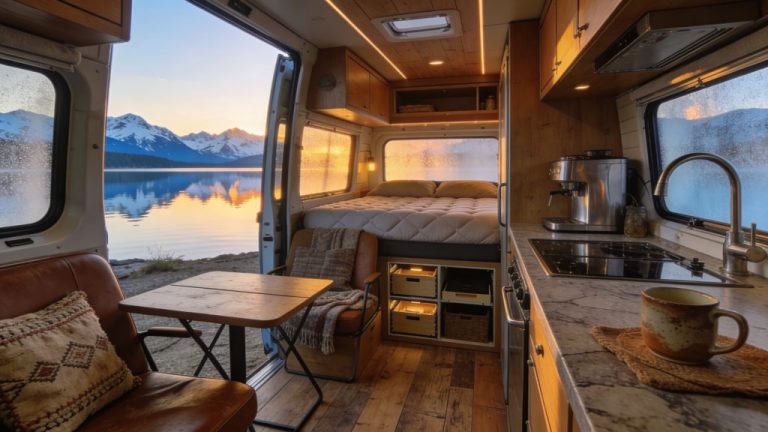
A campervan is compact, manoeuvrable and often equipped with a low entry step. This makes it a practical choice for travellers with a small to medium-sized dog. The open space behind the front seats offers enough room for a dog bed or a small crate. The straightforward interior is easy to clean. The dog stays close to the owner.
The downside is the limited space. With a large dog or several dogs, it quickly becomes cramped. There is also less room for a separate area where the dog can lie down quietly. This especially matters when you are cooking or sitting at the table. Ventilation is important, because a compact space can heat up quickly.
Choose a campervan if you often take short trips, like to park in cities and have a dog that does not need much space. A fixed bed behind the front seats or on the floor by the seating area often works well.
Advantages of a campervan for dog owners
- Low step, ideal for older dogs
- Easy-to-clean interior
- Dog stays close to the owner
- Manoeuvrable and practical on the road
Overcab motorhome: space for families and walking gear
An overcab motorhome offers extra sleeping space. The layout is often practical, with enough room for a dog bed or crate. The living area below usually has an open floor where you can easily create a fixed place for your dog. The extra storage space is handy for leads, towels, bowls and toys.
The vehicle is heavier and higher than a campervan, which makes the driving feel a little less smooth. The layout sometimes has narrow walkways, which is less pleasant for large dogs. When choosing, pay close attention to the steps and thresholds inside the motorhome.
An overcab motorhome is suitable if you are travelling with several people. You take a lot of gear with you. Your dog needs a fixed resting place. Make sure there is good ventilation, especially in warm weather. The sleeping area above the cab can feel warmer than the rest of the motorhome.
What makes an overcab motorhome suitable for dogs
- Plenty of floor space for a fixed dog area
- Practical storage space for dog gear
- Suitable for families with children and a dog
- Enough space for longer trips
Semi-integrated: balance between comfort and practicality
A semi-integrated motorhome offers more living space than a campervan. It has less bulk than a fully integrated model. The layout is often logical and offers enough space for a medium to large dog. Many models have an open central area, which is ideal for a crate or dog bed.
The step is higher than in a campervan. This is inconvenient for older or less mobile dogs. A model with a single step and enough space at the door works best. Layouts with single beds work well. The floor stays open. There are fewer obstacles in the walkway.
This type is suitable for travellers who go on longer holidays and have a dog that needs enough space to lie down and turn around. Good ventilation and storage space are often standard.
Characteristics of a semi-integrated motorhome for dogs
- More living space than a campervan
- Suitable for open layouts
- Good balance between comfort and practicality
- Plenty of storage space for equipment
‘ Not every layout is automatically dog-friendly. ’
Fully integrated: maximum space for large dogs
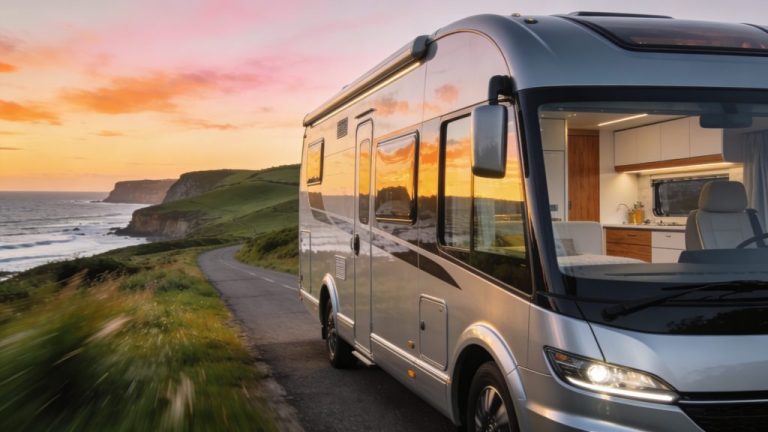
A fully integrated motorhome offers the most space and comfort. For dog owners with a large dog, this is often a very pleasant choice. The layout does need to have an open floor. Clear walkways and plenty of storage space make longer trips more comfortable.
The more luxurious finish is more prone to scratching from dog claws. Choose materials that are easy to clean and use protective covers or blankets in places where the dog is allowed. The motorhome is large. Not every layout is automatically dog-friendly.
Choose this layout if you value a clear overview. You want freedom of movement. You are looking for a fixed place for your dog. It works well in combination with materials that can cope with daily use.
Motorhome with single beds: open floor and clear layout
A motorhome with single beds often keeps the central area open. This offers many advantages for dog owners. There is room for a crate, a large bed or several resting spots. The walkway remains clear and the dog does not need to climb or manoeuvre between pieces of furniture.
This type of layout is suitable for larger dogs or dogs that like to stretch out. The floor remains free, which also makes it easier to place food and water bowls. Cleaning is also easier than with layouts that have lots of corners and compartments.
Choose this layout if you value a clear overview. You want freedom of movement. You are looking for a fixed place for your dog. It works well in combination with materials that can withstand daily use.
Safety while driving: what you need to arrange
Do not let your dog roam freely around the motorhome while driving. This is dangerous if you brake suddenly and can cause injuries or damage. There are several solutions to allow your dog to travel safely.
A car seatbelt for dogs works well for smaller dogs that sit on a bench seat. A crate is suitable for larger dogs. Secure the crate firmly in a stable spot while driving. A travel box offers protection and limits movement. The box must not slide around.
Store water bowls and food safely away while driving. Plan a fixed place for the dog. This helps him stay calm during the journey.
Solutions for safe travel with a dog
- Use a car seatbelt or harness for small dogs
- Secure a crate firmly while driving
- Place a travel box on a stable surface
- Always store loose items away before setting off
‘ Mud, hair and wet paws are inevitable when you travel with a dog. ’
Practical maintenance and cleaning in the motorhome
Mud, hair and wet paws are inevitable when you travel with a dog. A smart interior design makes cleaning more manageable. Put a washable dog blanket on the sofa or bed. This protects the upholstery and is easy to remove and wash.
Take towels with you to dry paws before your dog comes inside. A non-slip mat by the entrance prevents mud from being carried further into the motorhome. Choose wipeable upholstery and floors that can withstand moisture and dirt. These materials require less upkeep.
Ventilate the motorhome extra well after a walk in wet weather. This prevents odours and damp in the interior. Protect vulnerable edges and corners from scratches. Use covers or mats. Keep a dedicated dog corner with all the essentials such as bed, toys and water. Things are less likely to end up scattered around the entire motorhome.
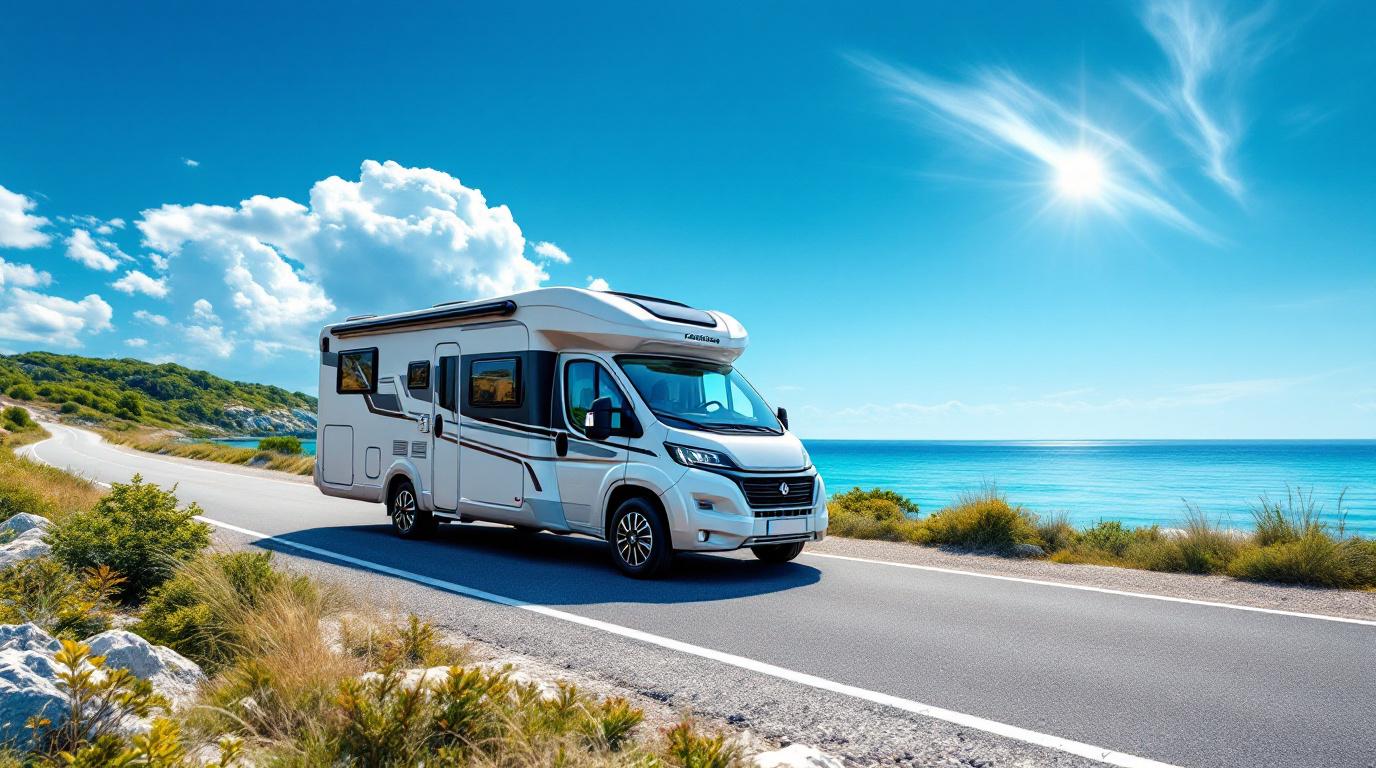
Which type of motorhome suits which dog
The size of your dog determines which motorhome works best. For small dogs, a campervan or compact semi-integrated is sufficient. The limited space is not a problem and the low step makes daily use comfortable.
Medium-sized dogs need a bit more room. A semi-integrated, a fully integrated with open central area or a motorhome with single beds works well. Pay attention to the layout. Choose a model where the dog has a fixed place. This keeps the walkway free.
Large dogs benefit from a spacious semi-integrated. A fully integrated motorhome also works well. Consider a model with single beds and a face-to-face layout. Make sure there is enough floor space and avoid narrow passageways or lots of steps.
Older dogs need a low step without stairs. Choose a motorhome with a soft but firm resting place, good ventilation and a calm layout without too much movement in the living area.
What you can find on Traveller Tips
On the Traveller Tips website you will find much more information about motorhome trips, routes and practical tips for on the road. Whether you are looking for the best campsites for dogs, handy packing lists or advice on motorhome maintenance, there is always something for you. Discover the possibilities and plan your next trip with confidence.
Frequently asked questions
Semi-integrated motorhomes and fully integrated motorhomes with an open central area and single beds often offer the best combination of floor space, fixed resting place and storage space for dogs. Campervans are very suitable for small to medium-sized dogs that like to stay close to their owner, provided there is an open floor and a low step. Layouts with single beds, a face-to-face seating area and few level changes are the most comfortable and safe for dogs. Motorhomes with a well-accessible garage can provide extra comfort for a crate and dog equipment, as long as ventilation and temperature are well controlled.
Incorporate safety by ensuring a fixed, stable travel spot (crate or seatbelt) on the floor, without loose items around it and with good ventilation. Choose a type of motorhome and layout with open floor space, few changes in level and a low step, so your dog does not have to squeeze through or climb. For practical usability, easy-to-clean materials (vinyl floor, covers) and plenty of storage space for dog essentials are important. Ideally, test in the showroom where the bed or crate can go and whether your dog can lie there calmly while driving and when parked.
For small dogs, a compact campervan or semi-integrated motorhome is often sufficient, as long as there is a fixed, safe lying place, low step and adequate ventilation. For medium-sized dogs, a semi-integrated or fully integrated motorhome with open central area and easy-to-clean floors is important, plus space for a bed or crate. Large or multiple dogs require a more spacious semi-integrated or fully integrated motorhome with plenty of free floor space, few changes in level and solid storage for food, crates and gear. For older or less mobile dogs, a low step, no stairs, good ventilation and a quiet, easily accessible resting place are especially essential.
In every type of motorhome, make sure there are several opening (lockable) windows and roof vents with insect screens, so cross-ventilation is always possible, but never leave your dog unattended in a closed, hot motorhome. Ideally choose a layout with an open central area, so air can circulate better and you do not have to place a bed directly in the sun or near a heat source. Use sunshades, window insulation and, if necessary, a fan or parking heater with thermostat to keep the temperature stable in campervans and semi-integrated motorhomes. Only use a garage or separate space for the dog if it is accessible from inside, well ventilated and the temperature is properly controlled.
There are no standard motorhome layouts sold exclusively as “dog layouts”, but some designs are clearly more dog-friendly. In particular, motorhomes with single beds and an open central area, a face-to-face seating area and a low step offer a lot of freedom of movement and fewer obstacles, which can reduce stress in dogs. A fixed, quiet bed or crate area away from the main walkway and good ventilation also demonstrably contribute to a more stress-free environment for dogs.