 NL
NL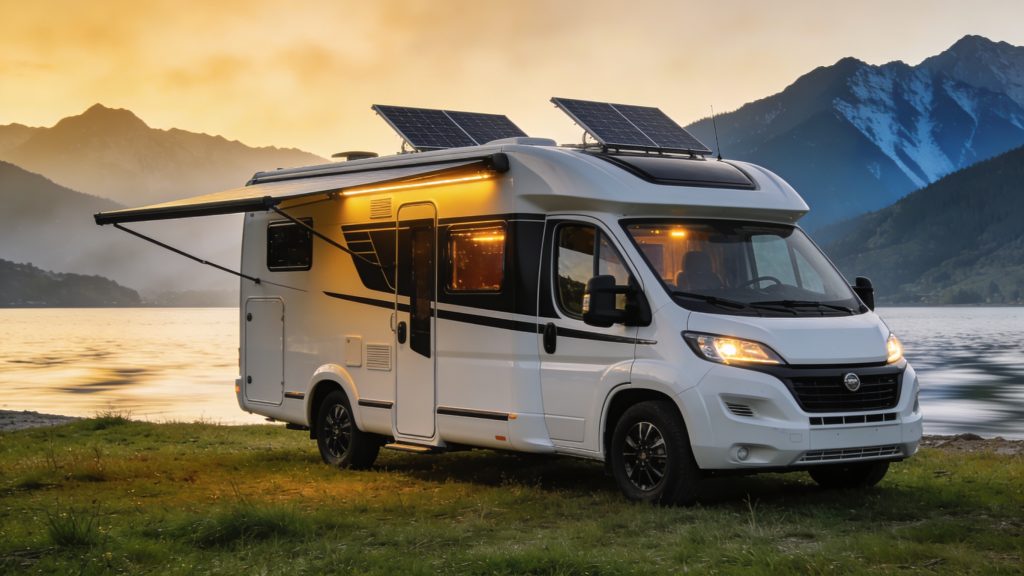
Hiring a panel van camper for a week gives you a clear enough picture of how it drives, how it is laid out and how it works in daily use to make a well-considered purchase decision afterwards. You test how a 5.99-metre camper drives, parks and fits your travel plans without having to invest straight away. Read on and discover why hiring before buying is the smartest first step.
Why hire a camper before you buy
Buying a camper is a major investment. Prices for a new panel van camper start at around €50,000, and second-hand models also cost tens of thousands of euros. Without experience you do not know whether a camper suits your travel habits. Hiring for a week costs between €500 and €900, depending on the season and model. That may seem a lot, but this amount can prevent a bad purchase costing tens of thousands of euros.
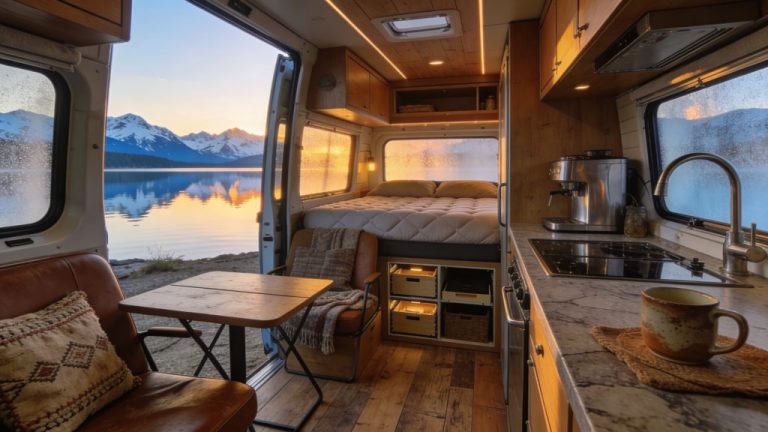
During a hire week you can test practical matters that do not stand out in a photo or in a showroom. You experience how comfortable the bed is after a long day of driving. You notice whether the kitchen layout works while cooking. You discover whether the storage space is sufficient for your belongings. And you learn how a camper drives on winding roads, in the city and on motorways.
By hiring different types of camper you can directly compare what suits you. A compact panel van camper is more manoeuvrable than a semi-integrated model. An overcab camper offers more sleeping places, but is higher and heavier. Hiring gives you insight into these differences before you commit.
‘ Hire a panel van camper first to learn the basics, then you can always test a larger model. ’
Best type to hire as a beginner
For beginners, a compact panel van camper of no more than 5.99 metres is the most suitable model. This length keeps you under six metres, which is important for many campsites and car parks. You can drive it with a category B driving licence and its manoeuvrability is comparable to that of a large delivery van. Most panel van campers are suitable for two to four people and have a simple layout with a seating-sleeping combination, small kitchenette and basic sanitary facilities.
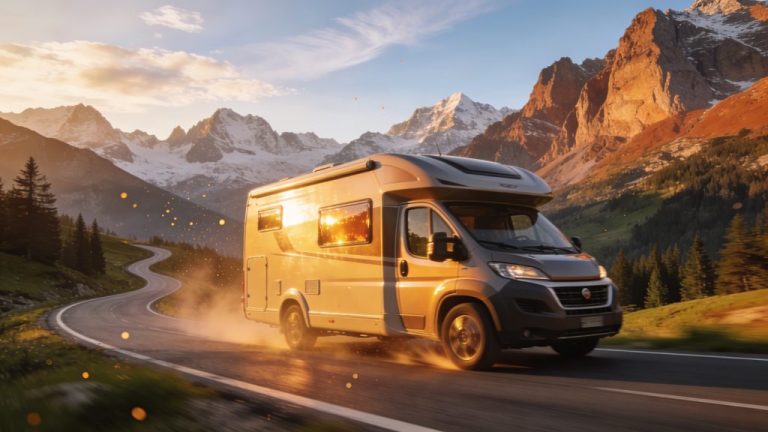
Panel van campers are more economical than larger models. Fuel consumption is between 8 and 11 litres per 100 kilometres, depending on the weight and engine. The low overall height makes it possible to park in multi-storey car parks, which is useful for city trips. And on narrow mountain roads or winding coastal routes a compact camper remains manageable and easy to judge.
If you are travelling with children or want more space, then consider a semi-integrated model. This type often has fixed beds and more storage space. The layout is more comfortable for longer trips, but the driving behaviour takes more getting used to. Hire a panel van camper first to learn the basics, then you can always test a larger model.
Hiring for a week clearly shows driving behaviour and layout
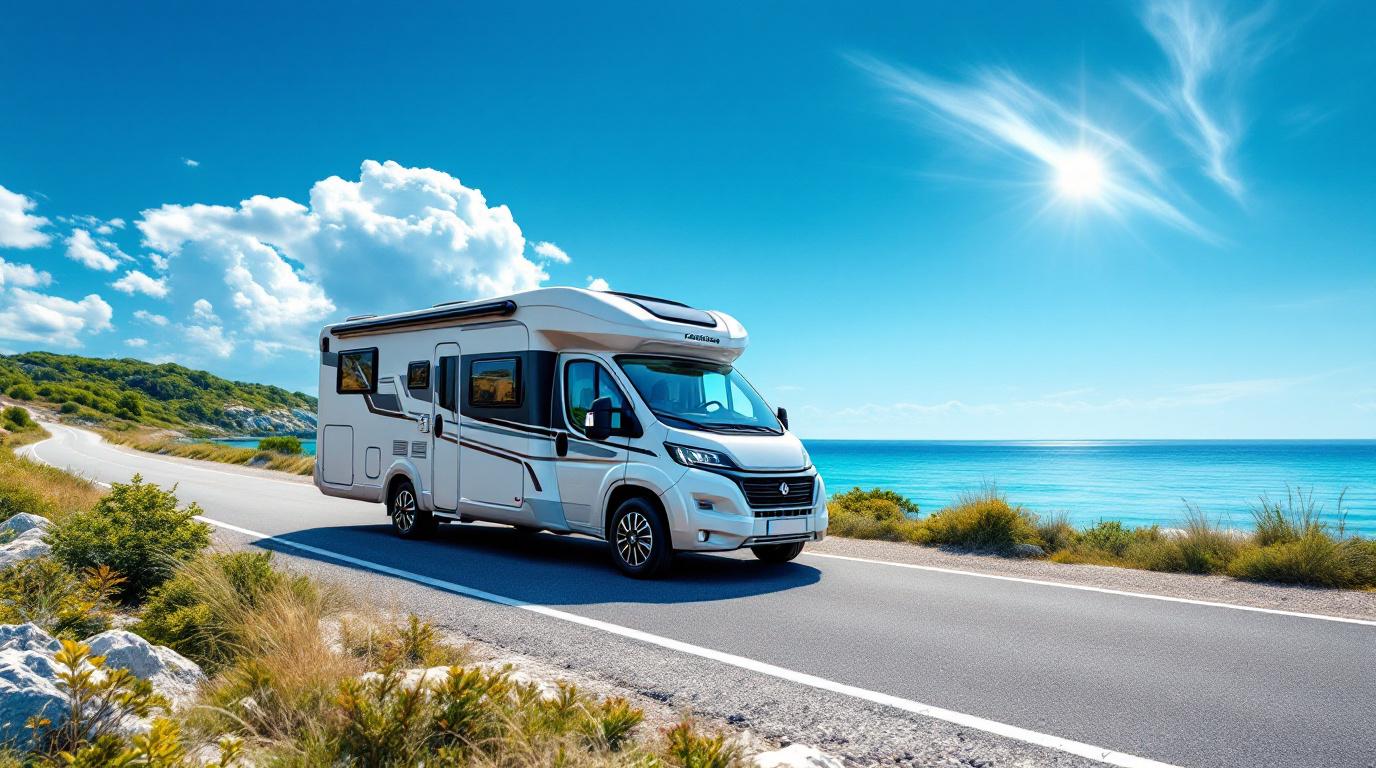
A one-hour test drive at a dealer shows the steering behaviour, but not how a camper behaves in everyday use. Hiring for a week gives you time to get used to the dimensions, the weight and how the camper responds. You learn how powerful the engine is on hills, how the camper reacts to crosswinds and how it brakes with full water tanks.
You only really assess the layout after a few days. You notice whether the seating area is comfortable for an evening of reading. You test whether the shower offers enough space. You discover whether the kitchen is functional with limited worktop space. And you learn whether the storage space is practically arranged for luggage, camping chairs and bicycles.
Hire in a season that resembles your planned travel period. In summer you can test the ventilation and cooling. In spring or autumn you notice how well the insulation works. Rainy days show whether the living space is comfortable enough when you have to stay inside. You can then take all these insights with you into your purchase decision.
Platforms such as Goboony are ideal for testing
Goboony is a platform where private owners hire out their camper. This gives you access to different models, brands and layouts without having to go straight to a dealer. Prices range from €70 to €150 per day, depending on the type and equipment. A camping package with chairs, table and cables is often included.
One advantage of peer-to-peer hire is the personal explanation. Owners know their camper well and share tips on operation, maintenance and useful routes. They explain how the heating works, where the water tanks are and how to set up the awning. You often get this practical information in less detail at a rental office.
When booking, pay attention to the following points:
- Unlimited kilometres prevent extra costs on long journeys
- Comprehensive insurance with limited excess gives financial security
- Flexible cancellation conditions up to 30 days before departure give you room for changes
- An extra driver at no additional cost makes it possible to share the driving
- Clear description of equipment such as bike rack, awning and solar panels
In addition to Goboony there are similar platforms such as Camptoo and Yescapa. Compare availability, reviews and conditions before you book. Read reviews from previous hirers to get an idea of the condition of the camper and the reliability of the hirer.
What to test during a hire week
Use the hire week to systematically test aspects that are important in your situation. Start with the driving behaviour. Check the field of view from the cab, blind spots and how it responds when overtaking. Practise reversing and parking in different places. Test the camper on different types of road: motorway, main roads and narrow village streets.
Check the layout every day. Does the bed conversion fold out easily? Is there enough seating space during the day? Is the kitchen layout logical when preparing meals? Does the fridge work properly on gas and on electricity? You can only answer these practical questions through daily use.
Also test the technical facilities:
- Fill the water tank and check how long the water lasts in normal use
- Use the heating and pay attention to the noise level and effectiveness
- Test the battery when using the camper without an external power connection
- Try different camping pitches to experience how flexible it is
- Load the weight into the camper as you would for your own use
Write down what you like and what disappoints you. Take photos of clever storage solutions or awkward details. These notes will help later when choosing a model that better matches your wishes.
From hiring to buying with confidence
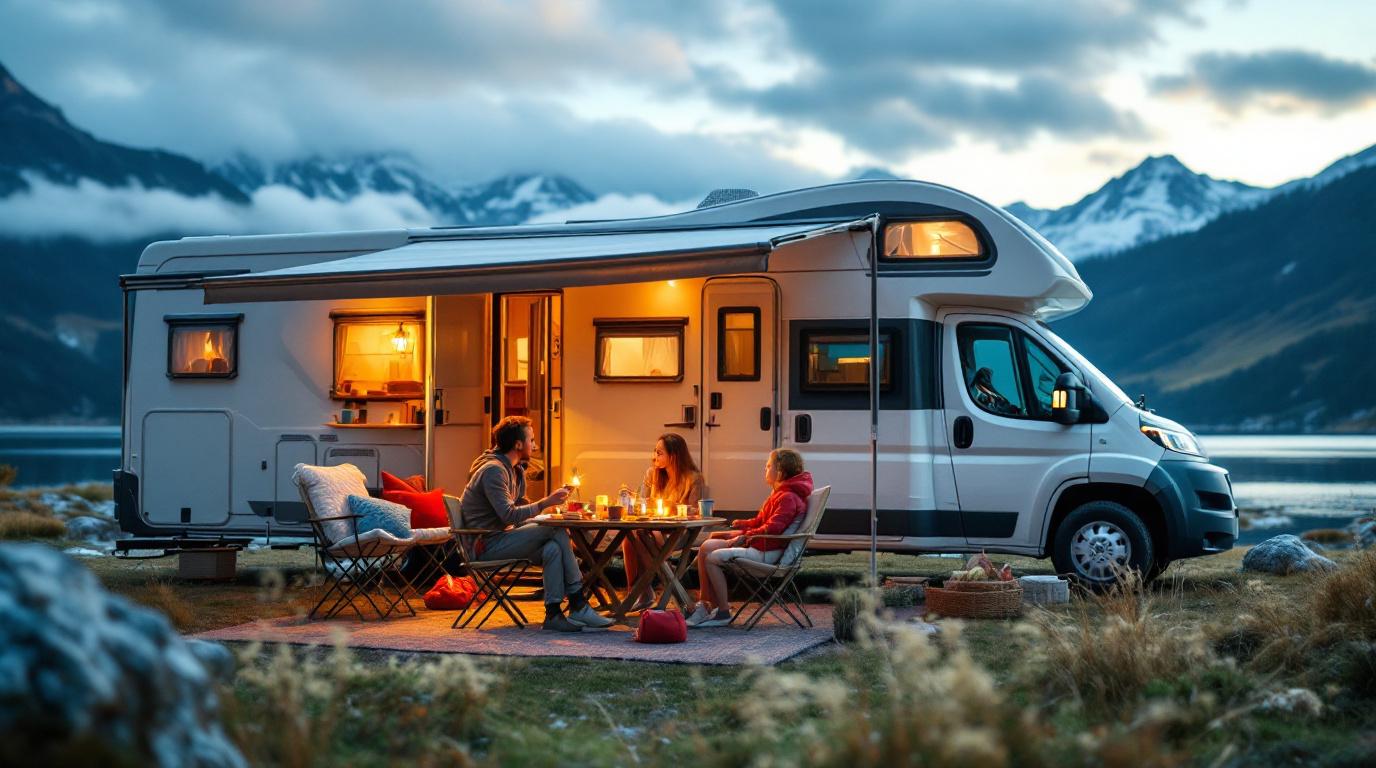
After one or more hire weeks you have a clear picture of what you are looking for in a camper. You know what length is comfortable to drive. You have experienced which layout suits your way of travelling. You know the running costs and maintenance aspects. This knowledge makes the buying process simpler and more certain.
Compare your hire experience with the offers from dealers and private sellers. Pay attention to details that stood out while hiring: the height of the step, accessibility of the storage space, the quality of the mattresses. Ask specific questions about maintenance, warranty and any defects. Ask whether a test drive is possible so that you can compare the driving behaviour directly with the camper you hired.
Take seasonal influences into account when it comes to the purchase price. Campers are cheaper in autumn and winter, but more expensive in spring and summer. Plan your purchase after your hire experience and before peak season to gain a financial advantage. Also consider the age of the model: a camper that is three to five years old often offers a good balance between price, condition and remaining lifespan.
On the Traveler Tips website you will find extensive information about camper holidays, practical tips for on the road and routes suitable for different types of camper. Discover more about preparation, regulations and the most beautiful destinations for your next camper trip.
Frequently asked questions
Hiring a panel van camper is often a very suitable way to make your road trip more comfortable, because you always have your own bed, kitchenette and sheltered seating area with you. Thanks to its compact size you almost drive and park like in an ordinary car, which makes spontaneous stops and detours to beautiful spots easy. You do give up some fixed space and headroom compared with larger campers, which can make it feel more cramped in prolonged bad weather. If you value flexibility, are on the move a lot and mainly live outdoors, a panel van camper is usually an ideal choice for more experience and enjoyment.
While driving, test the seating position, visibility in mirrors and windows, how easy it is to manoeuvre and park, and how tiring long journeys are. Inside, evaluate the sleeping area (bed length, ease of setting it up), kitchen layout, storage space and how the fridge, heating and ventilation work. Pay attention to noise levels, insulation in cold/warm weather and how practical it is in the rain (being able to cook, move around and get changed indoors). Also check whether the panel van camper suits your travel style: city visits versus nature, off-grid camping (battery, water tanks) and how much comfort you miss compared with a larger camper.
Plan a test trip of at least a full weekend with routes similar to your future journeys: motorway, city centre, narrow roads and a few mountain or dike routes. Spend at least two nights in different places (a campsite and, for example, a motorhome stop) so that you use all the functions: making up the beds, cooking, water supply, electricity and storage. Take your usual luggage with you to test realistically whether space, cupboard space and layout are sufficient. During the trip note down what you miss or what disappoints you (e.g. seating comfort, noise level, driving behaviour, manoeuvring) and use that list to assess your final choice.
Look at the layout and equipment of the panel van camper (bed length, headroom, kitchen, toilet/shower) and whether it matches the type of trip you want to make with your trial holiday. Compare included options and conditions such as kilometres (unlimited or not), second driver, insurance and excess. Check reviews about the hire company’s reliability and the condition of the campers. Finally, look at cancellation conditions and extra costs (cleaning, inventory, camping package) so that you can really compare prices fairly.
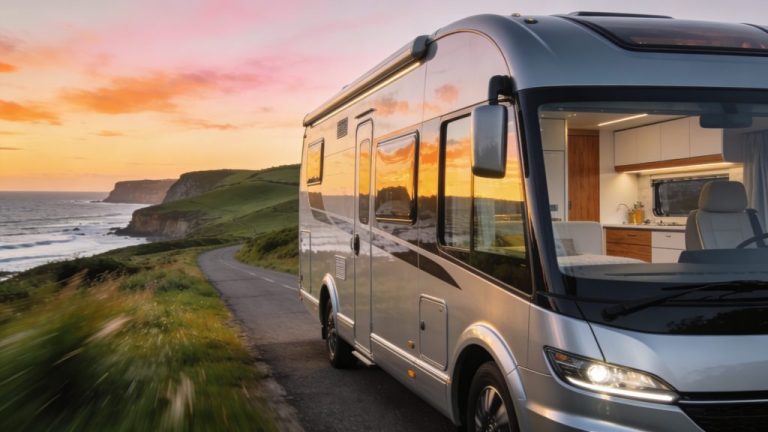
Winding mountain passes in, for example, the Alps (Germany, Austria, Switzerland) are ideal for testing the manoeuvrability, climbing power and braking behaviour of a panel van camper. City trips to compact European cities, such as Florence, Ljubljana or smaller French and German cities, show clearly how easy it is to manoeuvre and park. Along the coast – for example the Atlantic coast of France or the North Sea coast – you experience comfortable longer drives, sensitivity to crosswinds and stability on the motorway. Ideally, combine a route with mountains, cities and rural roads so that you get to know the driving behaviour in all situations.