NL
NL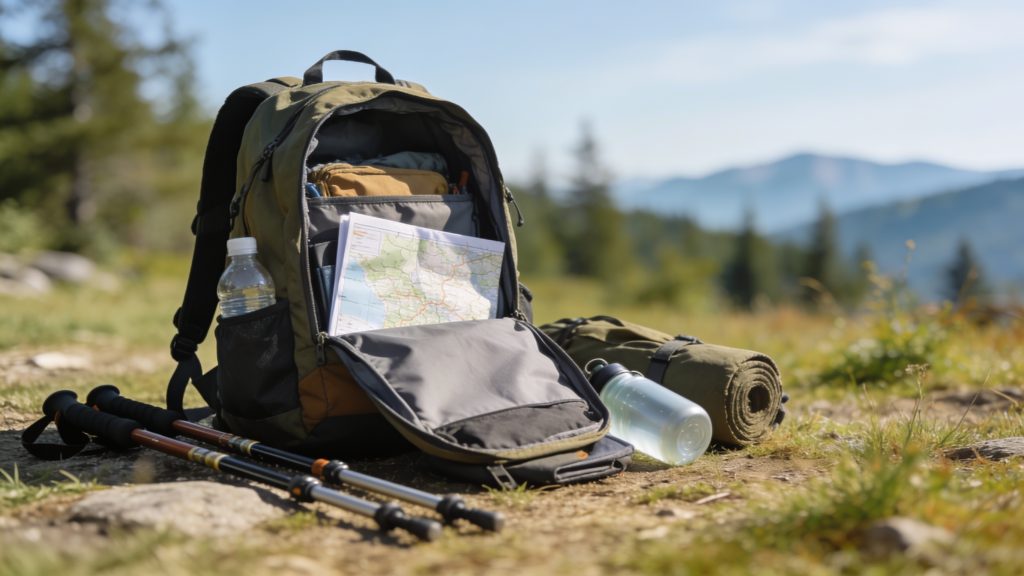
A nature holiday with children calls for good preparation and practical gear. Waterproofs, binoculars, snacks and a child carrier make the difference between stress and comfort on the road. Good preparation means you can focus on what really matters: discovering, walking and enjoying nature together. Do you know what you really need?
Essential basics you won’t forget
Start with the items you need on every trip. Even during a nature holiday with children, documents, medication and ways to pay are at the top of the packing list. Without these basics you won’t get far, especially if you’re travelling in natural areas where facilities are further away.
Make sure you take the following items with you:
- Travel documents such as passport or ID card, driving licence and reservations
- Insurance details and a copy of your travel insurance policy
- Cash and bank card, as cash machines are scarce in natural areas
- Phone with charger and a power bank for longer trips
- First-aid kit with plasters, painkillers, tick remover and personal medication
Spread documents and money across several bags. That reduces the impact if something gets lost or stolen. A simple step that prevents a lot of stress.
Nature and weather gear for changeable climates
The weather in natural areas is unpredictable. A sunny morning can turn into rain and wind. Wear your clothing in layers and always bring spare sets. It may sound obvious, but many travellers underestimate how much mud, moisture and temperature changes you encounter during walks and outdoor activities.
These items help you stay prepared:
- Walking shoes with good grip and support, also for children
- Waterproofs such as a lightweight rain jacket or poncho
- High-factor sun cream and aftersun for afterwards
- Cap or hat and sunglasses for sun protection
- Warm layers such as a fleece or softshell jacket for cooler moments
- Extra socks and spare clothes in a separate bag
A dry, warm spare set is not a luxury but a necessity. Especially with children who love running through puddles or playing on muddy paths. Keep this set separate and easy to reach in the car or your rucksack.
What to take for children on the road
Children have specific needs on a nature holiday. A cuddly toy offers comfort after a long day. Snacks prevent hunger tantrums and grumpy moods. Think ahead and pack a small personal kit for each child with items that are quickly within reach.
Make sure you don’t forget this:
- Cuddly toy or other familiar toy
- Snacks such as fruit, biscuits and small cartons of juice or water
- Drinks bottle that seals properly and doesn’t leak
- Nappies, wipes and a change of clothes for younger children
- Child carrier or sling for longer walks
- Swimming gear and possibly armbands for water in nature
- Card games or small toys for quiet moments
A child carrier makes it possible to walk further without little legs getting tired. Pay attention to the weight and the fit, so you don’t overload yourself. Test the carrier at home or on a short walk before you leave.
Handy items for outdoor activities
Nature holidays are all about being active, exploring and being outdoors. That calls for practical gear that helps you stay safe and comfortable during walks, cycle rides or picnics. A good rucksack with rain cover protects your belongings from showers. A torch or head torch is essential once it gets dark.
Take these items with you:
- Daypack with enough space for water, snacks and extra clothing
- Rain cover for your rucksack to keep everything dry
- Reusable water bottles for the whole family
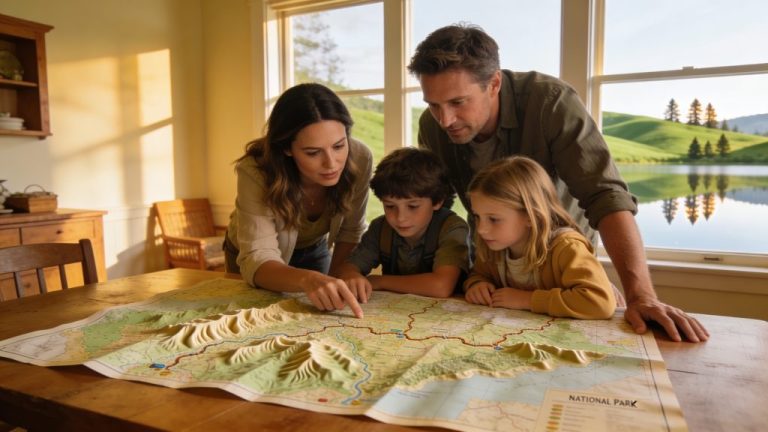
- Map or GPS device for navigation in areas without signal
- Torch or head torch with spare batteries
- Binoculars to watch animals and birds up close
- Bag for rubbish and dirty laundry
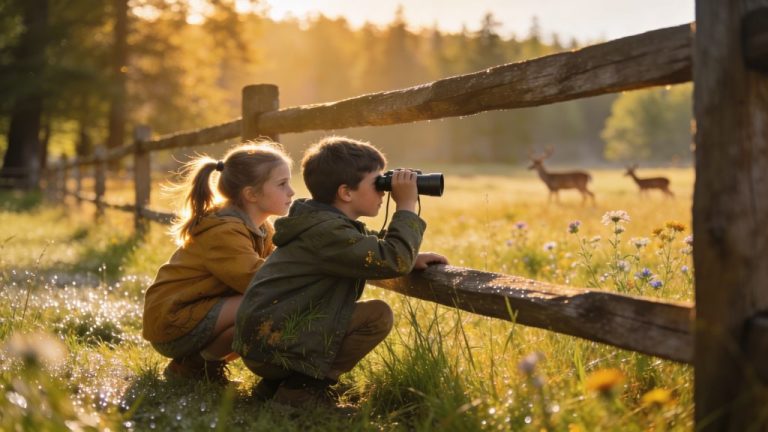
Binoculars add to the experience of your trip. Children love spotting birds, deer or other wildlife. Choose a lightweight model that’s sturdy enough to withstand a few knocks.
Preparation that prevents stress
Pack your items in order. Place heavy items such as water bottles and food at the bottom of the rucksack. Light items such as clothing go on top. This keeps your rucksack balanced and makes the weight more comfortable to carry.
Prepare a separate emergency kit with plasters, painkillers, tick remover, insect repellent and a power bank. Always keep this kit in the same place in your car or rucksack. That avoids searching when something happens.
Before you leave, check whether you’ve thought about the following points:
- Check whether all documents and insurance policies are valid
- Fully charge phones, cameras and power banks
- Top up the first-aid kit with fresh plasters and medication
- Test walking shoes and waterproofs to make sure they work properly
- Pack a separate spare clothing set for each person
- Take enough snacks and water for the first day
Assume that shops and facilities are limited in natural areas. An extra bottle of water and some spare food give you peace of mind, especially when you’re travelling with children who don’t feel like waiting.
Tips for long car journeys and train trips
The journey to your nature destination can take a long time. Keep children occupied with games, books or earphones for music and audiobooks. Take wipes so you can quickly clean hands and faces. Make sure the car or train always has a small bag with easily accessible snacks and drinks.
Plan stops in places where children can move and play. That helps them burn off energy and makes the trip more pleasant for everyone. Allow extra time for unexpected delays or breaks.
Discover more on Traveler Tips
On the Traveler Tips website you’ll find extensive information about routes, destinations, regulations and practical tips for travelling by car and train. Explore our overviews of national parks, read what you need to arrange for travel abroad, or find out which preparations are needed for a road trip through the mountains. That way you set off well prepared and save time and stress on the road.
Frequently asked questions
For nature activities you need sturdy, broken-in walking shoes, breathable layers (T‑shirt, fleece), a waterproof and windproof jacket and, if needed, zip-off trousers. In changeable or colder climates, thermal underwear, hat, gloves and extra dry socks are essential. For sunny and warm weather, a cap/hat, UV sunglasses, lightweight long sleeves and sun cream are important. Additional kit: daypack with rain cover, reusable water bottle, basic first-aid kit (including tick remover and blister plasters) and, if necessary, insect repellent.
Roll clothes up tightly, use packing cubes or bags per person/activity and place heavy items at the bottom and towards the front (towards the seat back) for stability. Fill gaps with small items (socks, underwear, swimwear) in shoes and corners so there’s no dead space. Keep a separate bag or rucksack with essentials (documents, snacks, medicines, chargers, a clean change of clothes) to hand so you don’t have to open all the luggage. Label bags clearly and use soft, flexible bags instead of hard suitcases to make the most of tight spaces in the car or train.
Practical items such as a neck or travel pillow, reusable water bottle, layered clothing (including rain jacket) and a small first-aid kit increase your comfort on long journeys. Handy gadgets include a power bank, good headphones or earphones, an e-reader or tablet and, if desired, a small portable fan. For extra nature experience, you could take binoculars, a (phone) camera with extra storage and offline nature or walking apps. A compact daypack with snacks, a sit mat and a torch or head torch makes spontaneous stops in nature more enjoyable.
I prepare for unexpected situations by always carrying a small emergency kit and an extra clothing layer in my bag, and by thinking in advance about the weather, location and accessibility. In my everyday bag I always have: phone with charged power bank, wallet with ID and some cash, a basic first-aid kit (plasters, painkillers, personal medication) and hand sanitiser. For extra safety I often take a torch or head torch, a reusable water bottle and, if needed, an emergency snack. For outdoor activities I add rain protection, sun cream and insect repellent for extra comfort and safety.
Use compact organisers (such as bags with compartments, packing cubes or a hanging toiletry bag) and give each type of item its fixed place so you automatically know where to find it again. Keep your most important items (documents, wallet, phone, charger, snacks, small first-aid kit) in one easily accessible bag or pouch that you can simply move from car to train. Use transparent bags or labelled pouches for cables, toiletries, medicines and snacks so you can see at a glance where everything is. After each leg of the journey, have a quick tidy-up and put everything back in its fixed place to avoid clutter and the stress of searching.