NL
NL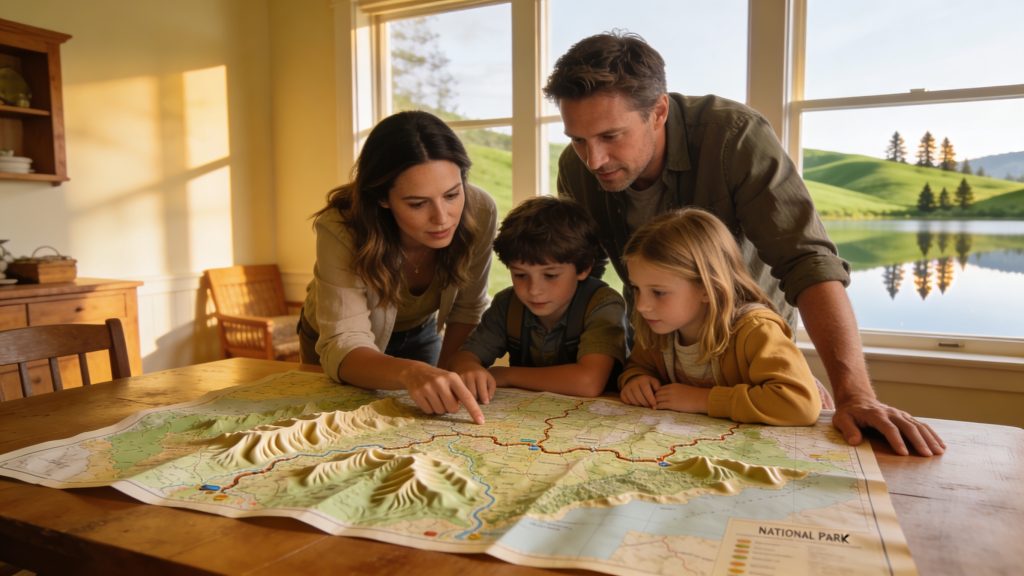
A road trip to nature parks with children only really becomes a success if you combine short stages with playful routes and fixed stopping points. Forget long walks through silent forests: young travellers stay motivated with clear tasks, animals and variety. With the right planning, the drive itself becomes part of the experience. Read on for practical routes and tips that really work.
Why short stages are the foundation
Many parents underestimate how tiring a long car journey can be. Children need to move, and a day in the car quickly leads to boredom and fatigue. The best road trips to nature parks are therefore built around short stretches of at most an hour and a half to two hours’ driving, with clearly defined stops in between.
Choose parks with several access points. That way you don’t have to do everything via one long walk or route. For example, you plan a morning activity at one entrance, drive a short distance to a visitor centre or playground, and finish with a short afternoon walk from another car park. This gives structure and prevents frustration.
For families with young children it’s sensible to plan one main activity per day. That could be a treasure hunt, an experience trail or a visit to a play forest. Whatever you choose, make sure there is enough space around that activity for snack breaks, playtime and spontaneous stops. That is the difference between a relaxed day and a forced march. You can find more inspiration for this type of holiday in our tips on nature holidays with children.
‘ The Veluwe is one of the largest continuous nature areas in the Netherlands and offers countless child-friendly routes. ’
Which nature parks work well for families
The Netherlands offers various nature areas that are very suitable for a road trip with children. Important criteria are: short themed routes, easily accessible car parks and facilities such as toilets and places to eat and drink. Below are three areas that meet these requirements.
Marker Wadden in the Markermeer
The Marker Wadden are a relatively new nature reserve that can only be reached by boat, but the combination of a short crossing and discovering a group of islands makes it attractive for children. Access to the area is limited, so this requires advance planning and booking. Nevertheless, it offers a unique experience: children can see how new land is created and which birds and plants settle there.
The drive to the ferry location from, for example, Amsterdam or Utrecht takes about an hour. Allow enough time for the crossing and check in advance whether guided tours or children’s activities are available. The area is relatively small, so you can see a lot with just a short walk.
Nature island Tiengemeten in South Holland
Tiengemeten is a car-free island in the Haringvliet, accessible by ferry from Strijen or Nieuwendijk. The island is ideal for families looking for peace and quiet and who want to give children space to cycle and play without traffic. There are several short walking and cycling routes suitable for young children.
The island has a visitor centre, play areas and places to eat. You can go for a day trip or stay overnight in a holiday home. The crossing takes about twenty minutes and immediately creates the feeling of a small adventure. Ideally, plan your visit outside the peak season for more peace and better availability.
De Veluwe National Park
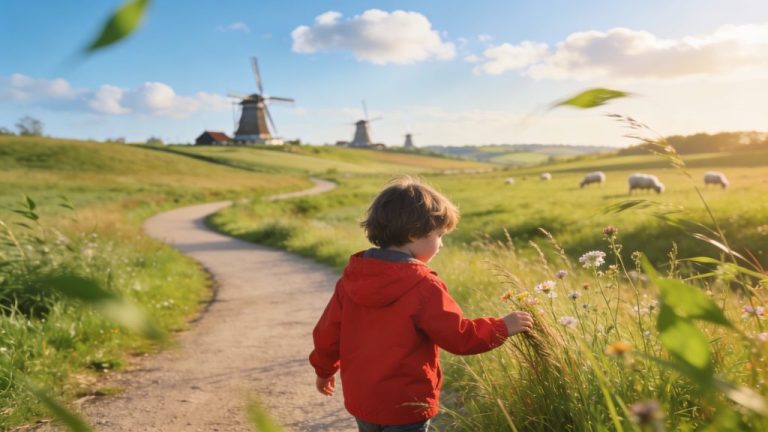
The Veluwe is one of the largest continuous nature areas in the Netherlands and offers countless child-friendly routes. Think treasure hunts, gnome trails and animal routes. Many starting points have a visitor centre or play forest, which makes structuring the day easier.
Popular locations include the Kröller-Müller Museum with its surrounding park, De Hoge Veluwe with its free white bikes, and the Apenheul area. You can use the Veluwe as a central base and explore a different part each day. For example, on day one drive to the Visitor Centre near Hoenderloo, on day two to the wildlife park near Otterlo and on day three to a play forest near Epe. That gives variety without long driving times.
Playful routes keep children motivated
Walking without a goal rarely works with young children. Give the route a theme or a task. Many parks offer treasure hunts, themed walks and experience trails especially for families. These routes usually vary between three and four kilometres and include tasks, questions or search pictures.
Practical examples include:
- Toad trails or animal-friends routes where children have to spot or recognise animals
- Gnome trails with fantasy figures and storylines
- Treasure hunts with booklets that can be obtained on site or online
- Barefoot trails or sensory paths with tactile elements
Ask in advance at the visitor centre or on the park’s website which children’s activities are available. Some routes are only available at certain times or require a small fee for the activity booklet. That’s a small investment that pays off in motivation and engagement.
Practical travel tips for on the road with children
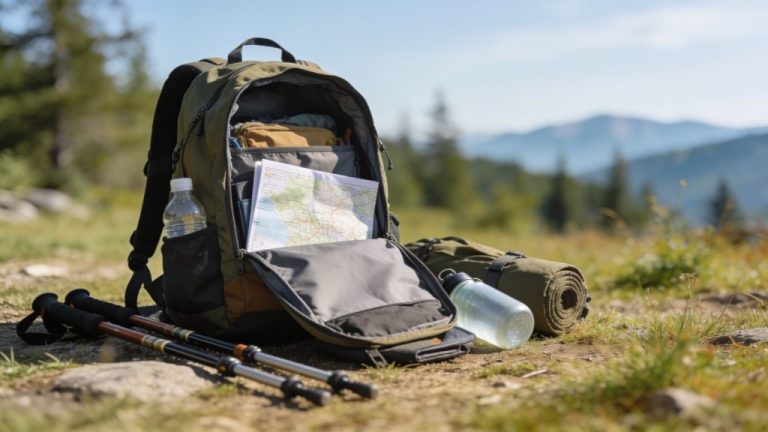
Good preparation makes the difference between a relaxed trip and a stressful day. Always pack the following:
- Enough drinks and healthy snacks
- Spare clothes for young children
- Sun cream and insect repellent, depending on the season
- A small first-aid kit with plasters and a tick remover
- Rainwear or extra layers in changeable weather
Make sure you know where the nearest car park is and whether it is free or paid. Some nature parks have limited parking capacity, especially at weekends and during school holidays. Arrive early or book in advance if possible.
How to plan a route with multiple stops
A good road trip to nature parks consists of a logical route with planned stops. Start by choosing a home base or place to stay. From that location, work out which parks lie within a radius of an hour to an hour and a half’s drive.
Use a simple step-by-step plan:
- Choose two to three nature parks that are close to each other
- Check for each park which children’s routes and facilities are available
- Plan one park per day with a maximum of two activities
- Plan your stops based on travel time and opening hours
- Allow room for flexibility and rest breaks
Avoid planning that is too tight. Children benefit from predictability, but also from space to play and explore without time pressure. Leave room in between for a spontaneous stop at a playground, ice cream parlour or picnic area.
Age determines the route choice
Not every route suits every age. For toddlers and preschoolers, short loops with visual stimuli such as animals, water or colourful signs work best. They usually can’t walk for more than half an hour to three quarters of an hour without a break.
Children aged six to ten can handle longer routes, especially if there is a task or theme attached. They enjoy treasure hunts, stamp trails and themed walks. With this age group it helps to set a goal together, such as collecting all the stamps or spotting all the animals.
Older children and teenagers want more challenge and independence. Opt for discovery trails with informative elements, longer bike rides or activities where they can make their own choices. Involve them in the planning and give them responsibility for one part, such as navigation or keeping track of the route.
Facilities make or break the experience
A nature park without toilets, catering or play areas requires more organisation and is less suitable for families with young children. Prefer parks with a visitor centre that offers clean toilets, a coffee corner and information. Many centres also have small exhibition spaces or interactive elements that children enjoy.
Also check whether there are picnic tables or sheltered spots in case the weather changes. Some parks have play forests or nature playgrounds that you can combine with a walk. This gives children a clear highlight to look forward to.
‘ Ideally, plan your visit on weekdays if your children are not yet of compulsory school age, or during quieter holiday weeks. ’
Best times for a road trip to nature parks
The season determines the experience. Spring and summer offer long days and lots of blossom, but also more crowds. Autumn brings beautiful colours and fewer visitors, but shorter days and a higher chance of rain. Winter can be surprisingly beautiful with frost, snow and quiet parks, but requires warmer clothing and shorter routes.
Ideally, plan your visit on weekdays if your children are not yet of compulsory school age, or during quieter holiday weeks. Weekends and public holidays are busier, which can lead to full car parks and longer queues at facilities.
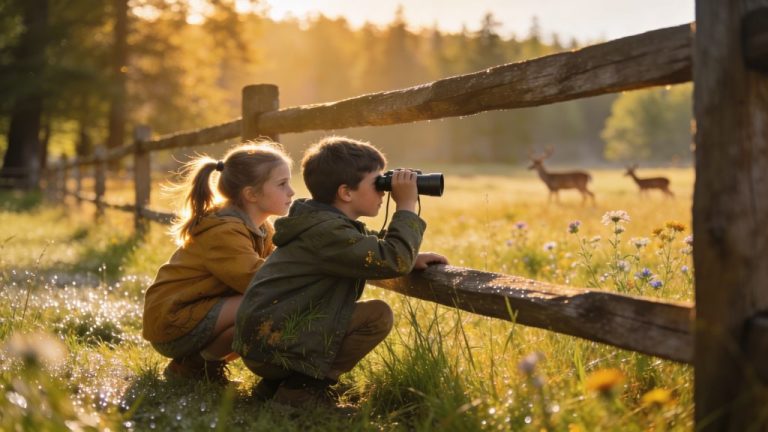
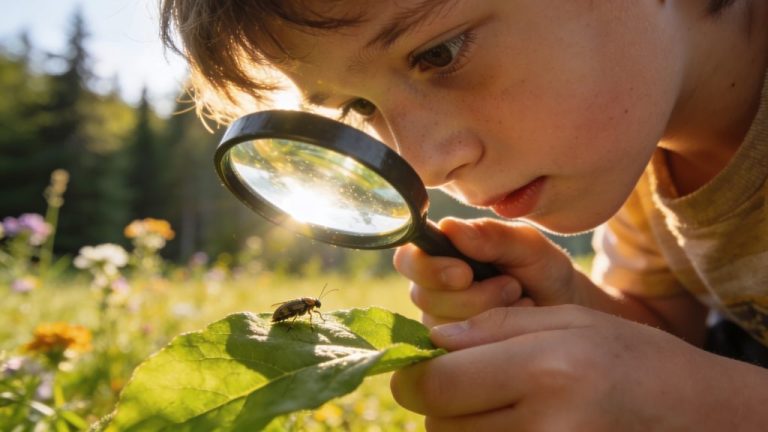
Also take specific natural highlights into account. In spring you can see lambs, in summer insects and butterflies, in autumn mushrooms and autumn leaves, and in winter bird species that are only present then. Children appreciate these seasonal changes if you draw their attention to them.
On the Traveler Tips website you will find much more useful information about routes, destinations and practical preparation for your next trip. Discover which other nature areas are suitable for families and how to plan your road trip in detail. Explore the site and make your next journey even better.
Frequently asked questions
A child-friendly road trip to nature parks is all about short stages, plenty of variety and routes with playful elements such as treasure hunts or gnome trails. Choose nature parks with several starting points, a visitor centre and a play forest or playground so you can alternate drives with short walks of 3–4 km. Plan one main activity per day and build in fixed snack and play breaks to prevent overstimulation and tiredness. Finally, always adjust routes and level of difficulty to the age and energy of the children.
A child-friendly road trip to nature parks is all about short stages, playful walking routes of around 3 to 4 kilometres and plenty of breaks. Choose parks with visitor centres, play forests and special children’s paths such as gnome, toad or treasure trails. Plan one main activity per day and combine it with free playtime and snack breaks. Always match the difficulty and length of routes to the age and energy of the children.
It appears that the question text has been shown technically as “[object Object]” instead of readable content, which means the actual question is missing. Because of this, I cannot determine what is being asked.
This document is not about one specific question but offers general information and tips about child-friendly road trips to nature parks. It mainly describes what makes a nature-park road trip suitable for children, which kinds of routes are appropriate and how to organise them in practice.