NL
NL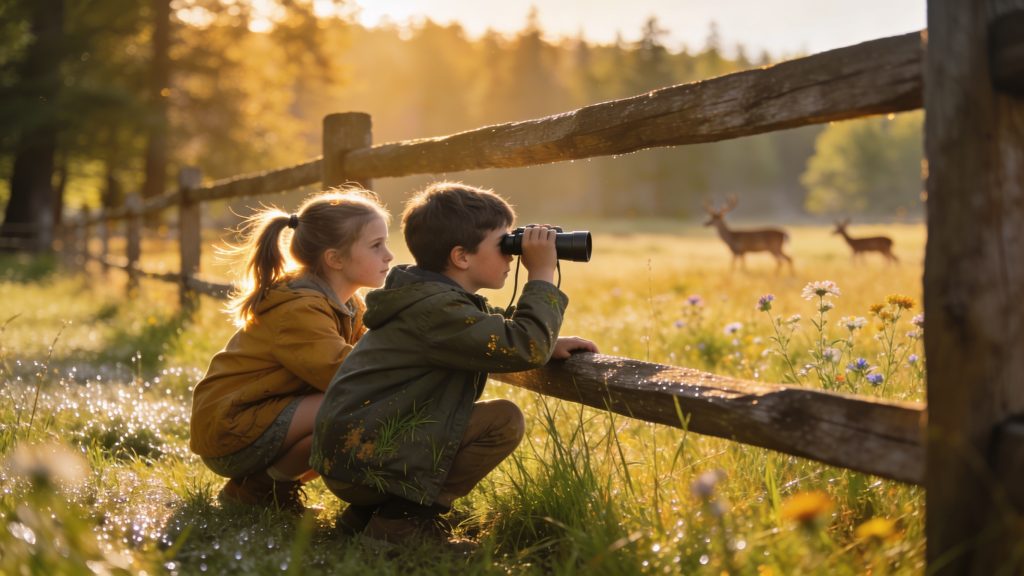
Children prefer to discover nature with a mission: tracking footprints, observing animals and listening to the sounds of the forest. A guided excursion with a forest ranger makes all the difference between wandering aimlessly and spending a day full of discoveries. In places like Tiengemeten, Marker Wadden and the Veluwe, families see beavers, birds, Scottish Highland cattle and roe deer, often accompanied by a guide who knows exactly where and when the animals are likely to appear. Read on to find out how to prepare a wildlife-spotting trip, what to expect and why this kind of nature holiday with children offers so much more than just fresh air.
Why animal spotting is educational and achievable for young children
Many parents think that young children are too restless or impatient for wildlife watching. Yet a guided nature outing often works better than an ordinary walk. A forest ranger or nature guide makes it concrete: where animals live, how they behave and when you have the best chance of seeing them.
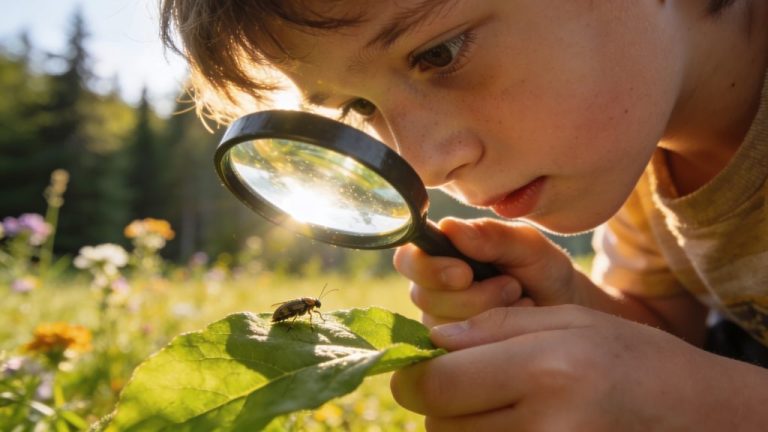
Children connect with nature more quickly when there is something to look for. Paw prints in the mud, a gnawed tree trunk or a feather along the path become clues that spark their imagination. A guide’s explanations help children understand what they are seeing and keep their attention for longer.
A wildlife-watching excursion does not have to be long. In the Amsterdamse Bos, for example, a private outing with a forest ranger lasts 75 minutes, an ideal length for children who are ready for another activity after an hour outdoors. Short excursions work better than long walks because the focus stays on a concrete goal: finding animals or exploring their habitat.
‘ It is a unique opportunity to see a landscape developing in full flow. ’
Where to spot animals with children in Dutch nature reserves
The Netherlands has several areas where children can observe wild animals without a long or strenuous walk. The choice depends on the children’s ages, the time of day and whether you prefer a guided trip or a self-guided route.
Tiengemeten and Marker Wadden for island adventures
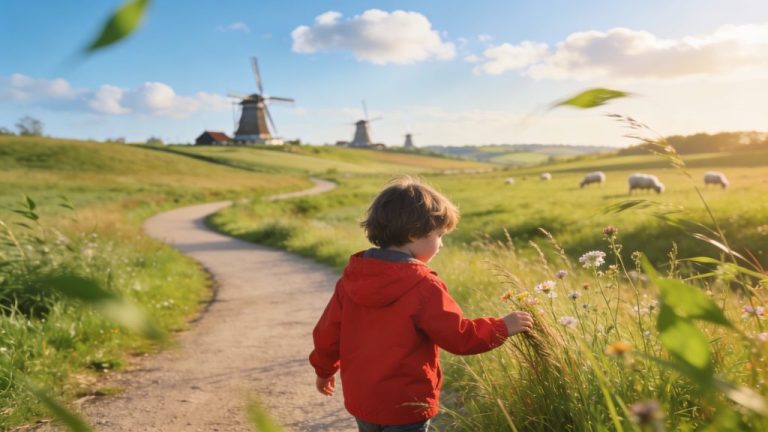
Tiengemeten is a former farming island in the Biesbosch that has been transformed into a nature reserve. Here, Scottish Highland cattle and horses roam freely among the reeds and willows. From viewpoints you can spot waterbirds and sometimes even beavers. The island is low in traffic and child-friendly, with walking routes that are easily manageable for little legs.
The Marker Wadden are a group of young islands in the Markermeer, where birds such as spoonbills, avocets and cormorants breed. Nature organisations run excursions here where children learn with a guide how a new nature area is created and which animals settle there. It is a unique opportunity to see a landscape developing in full flow.
Veluwe for deer, roe deer and wild boar
The Veluwe offers several wildlife-viewing spots with hides and open plains where large grazers such as deer, roe deer and wild boar can be seen. Especially in the early morning and towards evening you are likely to see animals on the move. Some forest ranger excursions on the Veluwe are aimed specifically at families and combine wildlife watching with treasure hunts and stories about tracks and behaviour.
Many hides are accessible with a pushchair and have benches where you can wait comfortably until there is movement at the edge of the forest. For children who get impatient quickly, it works well to bring binoculars and search together for movement in the distance.
Forest ranger excursions suitable for families with young children
Not every nature excursion is suitable for toddlers or preschoolers. The difference lies in the duration, group size and the extent to which the guide connects with the world of young children. A good forest ranger excursion for families is short, interactive and has a clear goal.
What makes an excursion child-friendly
Excursions for young children often last no longer than an hour and a half. That is enough time to look for tracks, spot an animal or go for a short walk without children becoming tired or bored. Smaller groups work better than large walking groups, because a guide then has more scope for questions and breaks.
Natuurmonumenten and Staatsbosbeheer regularly offer excursions where children actively search for animals and their tracks. Think of tasks such as collecting leaves, recognising sounds or comparing paw prints. This form of active learning holds their attention and turns the trip into more than just a walk.
Private outings and booking in advance
Some nature areas offer private outings for families or small groups. In the Amsterdamse Bos, for example, you can book a private excursion of 75 minutes for up to ten children. This works well for birthdays, family visits or a first introduction to wildlife watching.
For popular wildlife-watching areas and regular excursions, it is wise to book in advance. Especially during school holidays and at weekends, places fill up quickly. Check with the organising body whether the excursion is suitable for your children’s ages and whether adjustments are possible for toddlers or children with a disability.
Tips for preparing wildlife-spotting trips
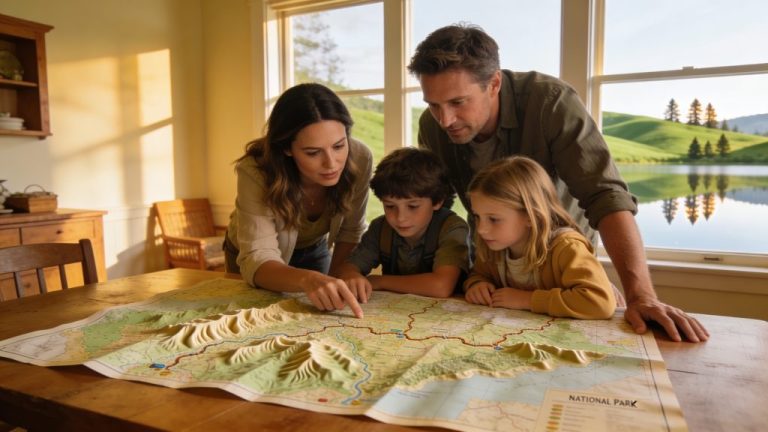
A successful animal outing does not depend only on the location or the guide, but also on expectations and preparation. Children enjoy themselves more when they know what they might see and when they are dressed comfortably.
Expectations and realism
It is important to emphasise that spotting animals is never guaranteed. Animals live freely and do not appear on command. In fact, looking for tracks, listening to sounds and observing the habitat is what makes the outing educational and exciting. Explain that a forest ranger helps to increase the chances, but that patience and quiet are needed.
For young children, it is better not to focus solely on large animals. Birds, insects, paw prints and droppings often make the adventure even more interesting, because children can discover and point these out themselves.
What to take with you
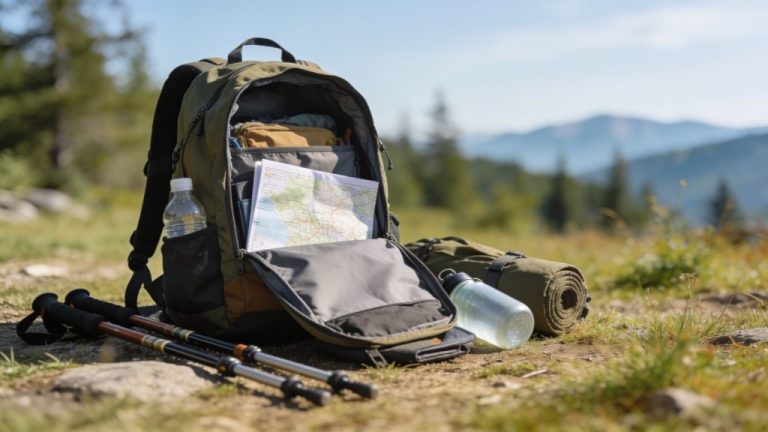
Practical gear makes the difference between a pleasant outing and a disappointing morning. Take the following with you:
- Binoculars, preferably a child-sized model that is easy to hold
- Water and a healthy snack for the road
- Layered clothing so children stay warm but do not overheat
- Wellies or sturdy shoes, especially in wet or muddy areas
- A notebook or sketchpad to draw tracks or birds
For areas with hides or viewpoints, a small folding stool or sit mat is useful. Children can then wait comfortably without sitting on cold or wet ground.
‘ That is what makes a forest ranger excursion valuable, even if you do not spot any big game. ’
What children learn during a forest ranger excursion
A nature outing with a guide is not just about seeing animals, but also about learning how to behave respectfully in a nature reserve. Forest rangers explain why you need to be quiet, why you stay on the paths and how your behaviour affects wild animals.
During such an excursion, children learn how animals live, what they eat and where they shelter. They also learn to recognise tracks: a gnawed branch points to a roe deer, a hole in the bank indicates a beaver’s lodge and scratches in the bark come from deer rubbing their antlers clean.
After such an outing, many children become more curious about nature. They ask more questions, pay more attention to birds in the garden and are more aware of their surroundings. That is what makes a forest ranger excursion valuable, even if you do not spot any big game.
When are you most likely to see animals
Timing plays a major role when observing wild animals. Most mammals are active in the early morning and at dusk. Midday is often a quieter time because many animals then retreat into the shade or seek cover.
Birds follow a different rhythm. In spring and early summer, birds are vocal and busy nesting and gathering food. In winter, waterbirds and winter visitors are easy to see in areas with open water and reedbeds.
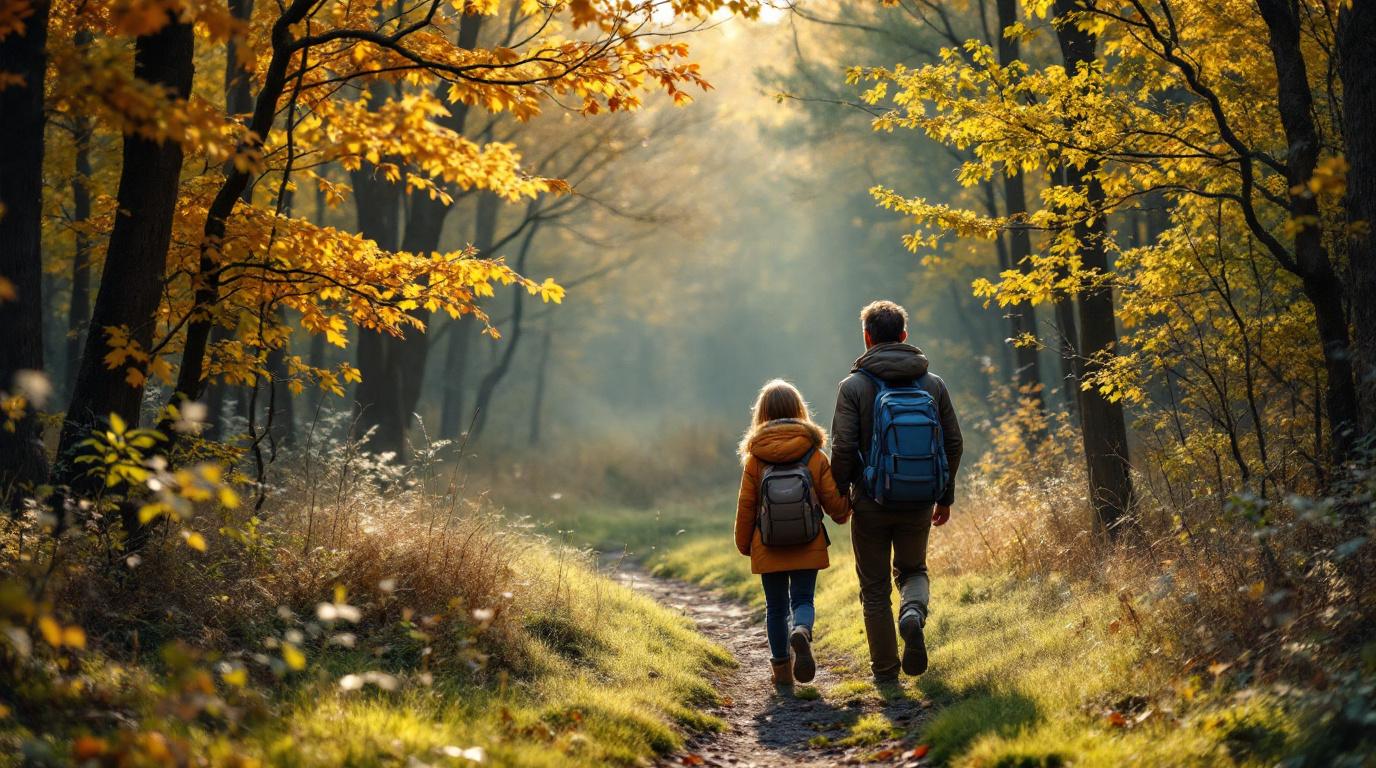
Excursions that start early in the morning offer the best chance of seeing roe deer, hares and foxes. This can be tricky for families with young children, but some forest rangers also offer evening excursions, where children see the forest in a different light and hear sounds that are not noticeable during the day.
Combine animal spotting with other family activities
A wildlife-spotting trip does not have to fill an entire day. It works well as an addition to a nature holiday or as a morning activity before a picnic, playground visit or swimming beach. Many families combine an early forest ranger excursion with breakfast in nature and an afternoon full of other activities.
In places such as the Veluwe and the Biesbosch, you will find not only wildlife-watching opportunities but also cycling routes, climbing and scrambling parks and visitor centres. This allows you to create a tailor-made outing that matches your children’s energy levels and interests.
‘ On the Traveler Tips website you will find more practical information about nature holidays, routes through woodland and hill country, gear for outdoor adventures and tips to plan your trip better. ’
Discover more nature tips
Spotting animals with children is just one of many ways to experience nature during a holiday or day out. On the Traveler Tips website you will find more practical information about nature holidays, routes through woodland and hill country, gear for outdoor adventures and tips to plan your trip better. Also take a look at the pages on camping in nature reserves, walking routes for families and child-friendly cycling routes.
Frequently asked questions
You can find an overview of child-friendly forest ranger excursions and animal-spotting activities at major nature organisations such as Natuurmonumenten, Staatsbosbeheer, the Amsterdamse Bos and Landschap Noord-Holland. On their websites you can search and filter by age, type of activity (treasure hunt, wildlife excursion, short children’s walk) and sometimes also by interests (for example birds, roe deer or woodland animals). Many providers have special pages “with children” or “children’s activities” where you can quickly see which routes and excursions match your children’s ages. Be sure to book popular or small-scale excursions in advance, as these often fill up quickly.
Make sure you have suitable layered clothing, sturdy shoes and, if needed, rain or sun protection so that children stay comfortable. Take enough water, snacks and a basic first aid kit. Adapt the route and duration to the age and fitness of the children and plan enough breaks or playtime. Explain clear rules in advance about staying together, keeping to the paths and treating plants and animals with respect.
Turn it into a playful mission: let your children look for tracks, listen carefully to sounds and watch from a viewpoint or hide instead of just “walking”. Choose a short, child-friendly excursion (for example with a forest ranger or guide) so that plenty happens in a short time and they can actively ask questions. Take binoculars, some treats and comfortable clothing so they stay warm and happy and enjoy it for longer. Emphasise that it is not only about seeing large animals, but especially about discovering birds, paw prints and other tracks – this keeps the experience exciting, even when the wildlife stays hidden.
You have the best chance of spotting animals in the early morning or around sunset, and in quieter seasons such as spring and autumn when nature is less crowded. Choose areas with woodland edges, open plains, viewpoints and hides, and increase your chances with an excursion led by a forest ranger or nature guide. Take binoculars, enough water, snacks and layered clothing so everyone stays comfortable. Prepare children by explaining that spotting animals is never certain: turn it into a treasure hunt that focuses on tracks, sounds and habitat.
Most animal-spotting locations and forest ranger excursions are located in accessible nature areas and are generally easy to reach by car via nearby car parks. On site you will often find child-friendly walking routes or treasure hunts and sometimes hides or viewpoints to spot animals safely. Extra family facilities such as picnic areas and short, guided routes make the outing manageable with young children. For popular excursions you usually need to book in advance.