 NL
NL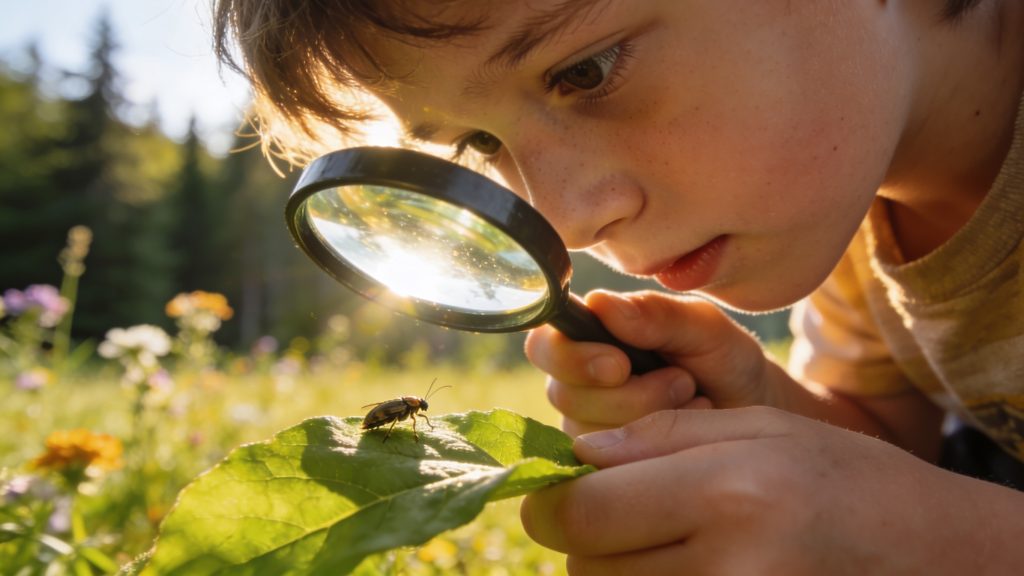
Nature is too tiring, too dangerous and boring for children—this belief holds many parents back. Yet nothing could be further from the truth. Nature holidays with children are among the most accessible and rewarding types of family travel. Do plan with realistic expectations. Choose activities that suit the age of your children. Discover which myths you can safely let go of.
Children really do not find nature boring
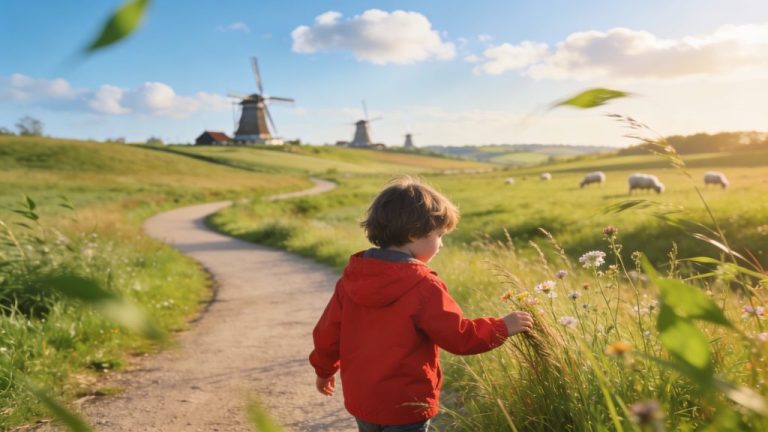
Many people think that nature holidays are only fun for adults. This misunderstanding completely misses the mark. Children experience nature in their own way. They spot animals, collect stones, build dens from branches and discover tracks in the sand. This curiosity is something children are born with.
Nature only becomes “boring” if you plan too much. A pace that is too fast also does not work for little legs. Children do not like long walks without any element of play. Short walks with set breaks, treasure hunts and water fun work much better. Alternating between movement and rest makes all the difference.
A combination of activities works best. Think of a morning in the forest, a midday break by a lake or on the beach, and a quiet evening at the accommodation. Children do not need to be busy every hour to have an experience.
‘ Adventure looks different with children. ’
Adventure with children mainly requires adjustment
The idea that you cannot travel adventurously with children is not entirely true. Adventure looks different with children. It is certainly possible. You do need to adapt the itinerary to your family. Adults may experience some days as relaxed. For children, that very same day can already feel like a big adventure.
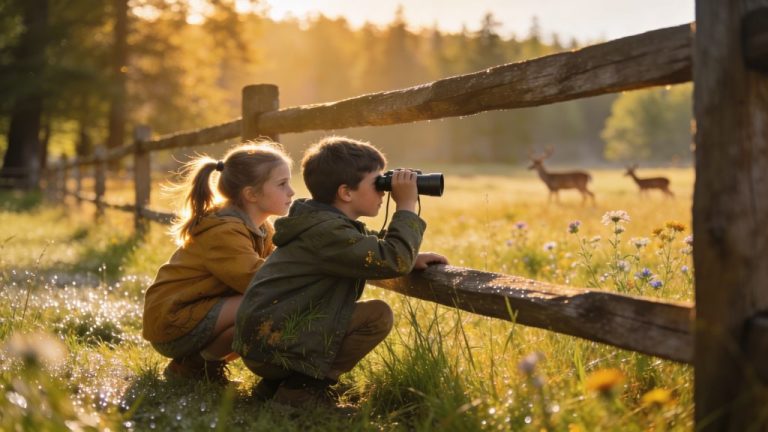
A two-hour canoe trip, spotting animals with binoculars or staying in unusual accommodation such as a tree house or safari tent feels like an adventure to children. The challenge does not need to be tough or extreme. Smaller challenges already have an impact on children.
Plan one or two major activities per day instead of a packed schedule. Alternate active parts with moments of rest. Leave room for spontaneity, such as an unplanned stop at a waterfall or a playful exploration of a forest path. Families often describe these as their best memories.
Playing in nature works better than playgrounds
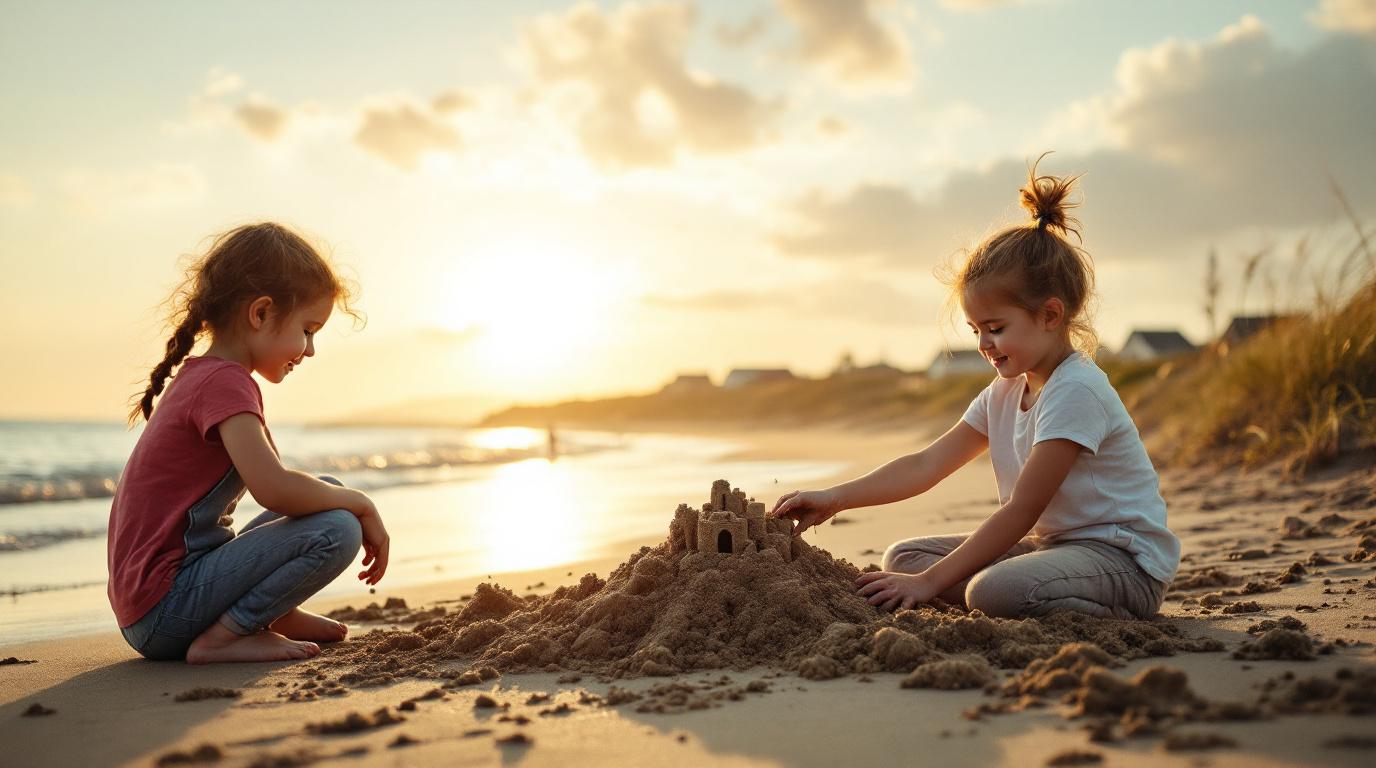
The idea that children only enjoy themselves if there is a playground nearby is outdated. Playing in natural surroundings gives children more space for creativity. Sticks, water, leaves, sand and rocks offer far more opportunities for discovery than a standard play area.
Children do not need a structured play area to have fun. What they mainly need is space, freedom and variety. Let children collect, search and build. Turn nature activities into a game with simple tasks:
- Find five different leaves
- Look for animal tracks
- Find the quietest spot in the forest
- Build a den from branches
These activities keep children engaged. They also spark curiosity. They learn about plants, animals and seasons without it feeling like a lesson.
Nature trips are not too tiring with good planning
Young children cope perfectly well with being in nature, as long as the pace stays low and there are enough breaks. Tiredness usually arises from journeys that are too long or too many stimuli. Expectations that are too high also play a part. The problem lies in the planning, not in nature itself.
Choose short stages and respect your children’s sleep and eating routine. Plan no more than two activities per day. Make sure you have accommodation with enough space to unwind. A swimming pool or play area at your accommodation can help as a place to recharge.
Toddlers often need short stretches with lots of breaks. Preschoolers respond well to play elements and spotting animals. Primary school children can walk longer distances. They respond enthusiastically to tasks such as reading a map or keeping a logbook. Teenagers want variety and more independence. They enjoy active challenges.
‘ Choose what you truly experience instead of how far you travel. ’
Close to home is often adventurous enough
Many people think that you have to travel far for real nature. This is not true. For children, nature close to home is often valuable enough. Forests, dunes, lakes, coastal areas and national parks can offer a complete travel experience without complicated journeys.
A nature holiday does not need to be exotic. Choose what you truly experience instead of how far you travel. Pick a destination with little travel time and plan several outdoor moments per day. This creates more calm and less stress on the way.
Many families find local nature trips more pleasant than distant destinations. There is less pressure to see everything. Travel days are short, the accommodation is easy to reach and you have more time to enjoy the surroundings.
Children mainly remember feelings and strong experiences
The idea that children remember little from a nature holiday is not entirely correct. Children do not remember every detail. They do remember the feeling and the atmosphere. Spotting animals, a campfire, staying in unusual accommodation or building something together will stay with them.
Children take part actively. This strengthens their memories. Let them take photos, draw pictures or keep a travel diary. Give children their own role during the trip:
- Map reader
- Animal spotter
- Route helper
- Photographer
Talk in advance about what they will see and do. This increases their involvement and ensures that children experience things more consciously. They learn about animals, plants and weather conditions without noticing, while they are busy with something they enjoy.
Safety is a matter of preparation
Many parents worry about safety during nature trips. Nature does indeed require extra attention. With good preparation, it is usually safe. Underestimation leads to risks. Bad weather also plays a role. Too little water or unsuitable clothing create danger. Routes that are too demanding are not suitable.
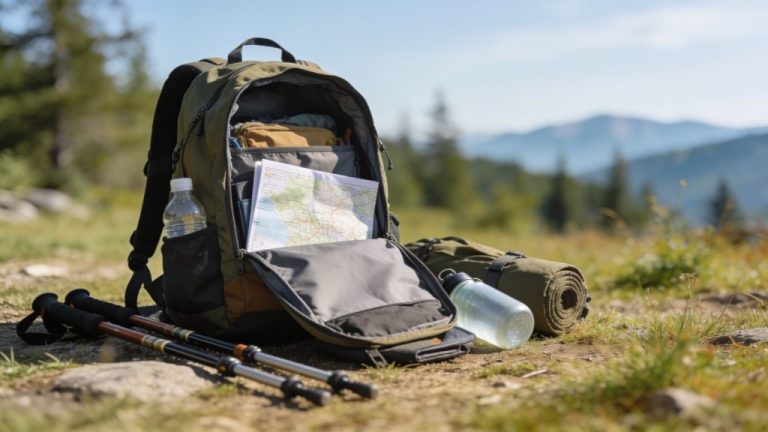
Safety is about preparation, not about avoiding nature. Make sure you have good walking shoes and clothing in several layers (thermal base layer, fleece and waterproof jacket). Take enough water and snacks with you, especially in warm weather. Think about sun protection and insect repellent. Choose routes based on your children’s age and fitness.
Give children clear rules about boundaries and behaviour. Explain what they should do if they lose the group. Always check local rules for nature reserves, swimming and animals. Read up on poisonous plants and animals in the area. Also look at seasonal risks.
Keep walks shorter than you think necessary. Children get tired more quickly than adults and need breaks more often. Good preparation prevents most problems.
‘ Good accommodation makes a big difference. ’
Practical tips for a successful nature holiday
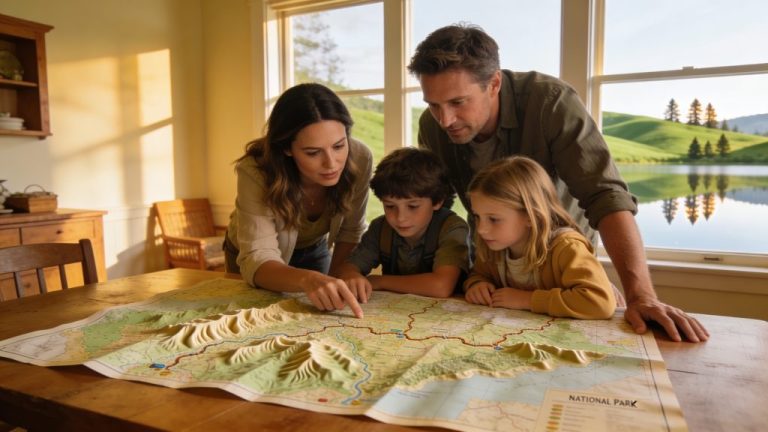
Good preparation brings fun instead of stress. Involve children in choosing the destination. Show them photos or videos of the nature in advance. Explain clearly how long the journey will take and what they can expect.
Bring familiar items such as a cuddly toy, a small book or binoculars. This gives children a sense of security while travelling. Keep the travel day short. Build in extra breaks with snacks, water and a pleasant stop along the way.
Start with a simple activity once you arrive. Build in a set rest time. Alternate active and quiet parts. Let children discover or collect things themselves. Take weather, heat and humidity into account.
Good accommodation makes a big difference. Choose family-friendly nature accommodation with sufficient space. Look for somewhere close to a lake, beach or forest. Check that walking routes are easy to access. A kitchen or pool can make the holiday more pleasant.
Discover more on Traveler Tips
On the Traveler Tips website you will find more practical information about nature holidays and routes. You will also find tips on preparation. Discover information about equipment and planning. Visit the website and get inspired for your next family trip.
Frequently asked questions
It is not necessarily true that children quickly get bored in nature; they mainly get bored if the pace and activities are too focused on adults. During a road trip or train journey, it helps to break the trip up into short “stages” with clear mini-goals (for example: counting animals, looking for unusual trees or cars). Think of simple game tasks such as “find five different cloud shapes” or “spot three red cars” and alternate that with breaks and a snack. Also involve children actively in the route, for example as map reader, “animal spotter” or photographer.
Many parents think that children are only “comfortable” with lots of luxury, playgrounds and constant entertainment, while in practice they mainly benefit from basic comfort (dry clothes, snacks, rest moments) and plenty of free playtime in nature. There is also the misconception that children must remain clean and tidy at all times, which makes parents want to avoid mud, rain and getting dirty, whereas this kind of “messy play” often creates the best experiences. Another mistake is expecting every walk to be long and goal-oriented, while short routes with playful elements and breaks work much better. Finally, parents sometimes overestimate how demanding simple nature activities are, whereas tiredness usually comes from poor planning (days that are too long, too few breaks) and not from nature itself.
Beforehand, set clear but simple safety rules (for example around water, paths and animals) and repeat them consistently, so that you have to correct less when you are there. Choose routes and activities that sit just below the limit of what your children can manage, rather than on or over that limit. Provide basic comfort (food, drink, layers of clothing, sun and insect protection), so that small discomforts do not become sources of stress. Accept that not everything can be controlled: a bit of controlled “adventure” actually helps both you and your children to engage with nature in a relaxed way.
The idea that a nature holiday with children automatically means a lot of hassle and extra challenges is largely a myth. Extra organisation is needed, but with a relaxed pace, realistic expectations and child-friendly activities it is usually very manageable. Many parents even find nature trips more relaxing than busy city breaks. With good preparation, a nature holiday with children often becomes one of the nicest and most relaxing types of family holiday.