NL
NL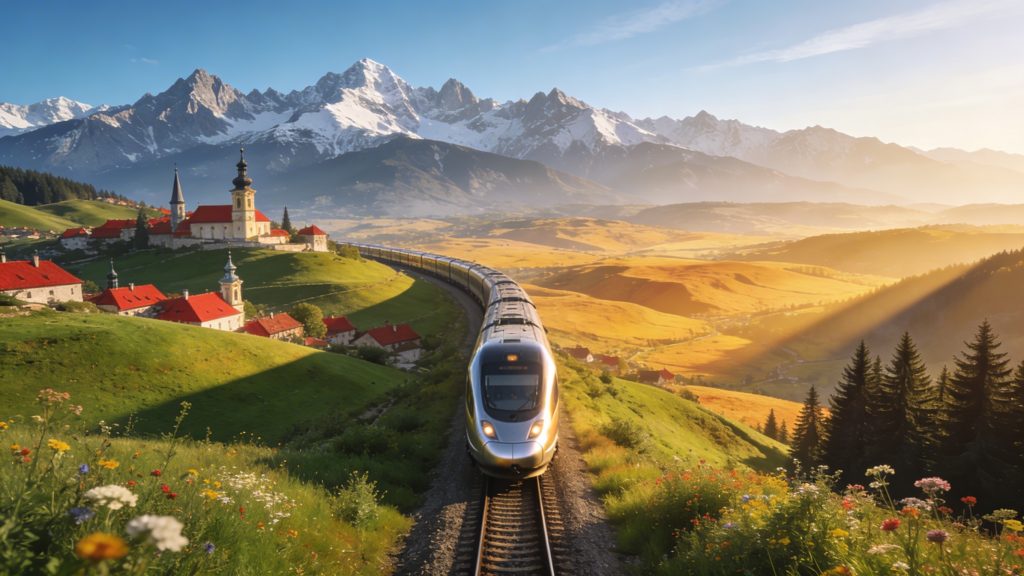
Slovakia combines a vibrant urban heart with the most impressive mountain peaks in Central Europe. A train tour from Bratislava to the High Tatras gives you access to unspoilt nature, historic towns and affordable rail connections, without the crowds of better‑known European destinations. This route is ideal for travellers looking for peace and untouched landscapes. Discover why this destination is so well suited to a slow travel adventure by rail.
Why Slovakia is a strong rail destination
Slovakia remains off the radar of mass tourism, which means authentic experiences and low costs. The rail network connects major cities comfortably with regional trains, while narrow‑gauge trains in the mountains offer unique panoramic rides. The High Tatras rise up to 2,800 metres and are easy to reach by train from Bratislava.
This destination fits in well with the rail holiday destinations in Europe that travellers are increasingly choosing for sustainable and conscious travel. Bratislava lies just an hour from Vienna. That makes the starting point easy to reach from the Netherlands by night train.
Route from the Netherlands to Bratislava and the Tatras
The most comfortable connection starts with the Nightjet night train to Vienna. You depart from the Netherlands in the evening and arrive in Vienna the next morning. From there, a regional train takes about an hour to reach Bratislava.
From Bratislava you continue towards the High Tatras. The route runs via Žilina or Košice to Poprad. Poprad is the gateway station for the Tatra mountains. This leg takes around 3 to 5 hours, depending on the connection you choose. From Poprad you take a narrow‑gauge train to villages such as Starý Smokovec or Štrbské Pleso, where hiking trails and mountain routes start.
Flexible options for your itinerary
- Direct route: Bratislava – Žilina – Poprad – High Tatras
- Detour via the east: Bratislava – Košice – Poprad for a longer route through rolling landscapes
- Extension: add Banská Bystrica or Nitra for historic small towns along the way
A round trip of 7 to 10 days gives you enough time to explore both Bratislava and the Tatras. Plan at least two nights in the mountains for walks and train rides through the national park.
Bratislava as the starting point for your rail journey
Bratislava is compact and easy to navigate, ideal for a day or two. The historic centre is within a 15‑minute walk from the main station. Bratislava Castle offers views over the Danube and the city. Stroll through the old town with its baroque buildings, small squares and local eateries.
The city has good rail links to the rest of Slovakia. Trains leave several times an hour towards the east and north. Bratislava combines urban relaxation with convenient onward connections to nature areas.
Discovering the High Tatras by train
The High Tatras are Europe’s smallest high mountain range, yet they offer an impressive concentration of peaks, lakes and hiking trails. The area is protected as a national park and has more than 300 kilometres of marked paths. Most hikes start from villages that are connected by the electric mountain railway.
Narrow‑gauge trains in the Tatras
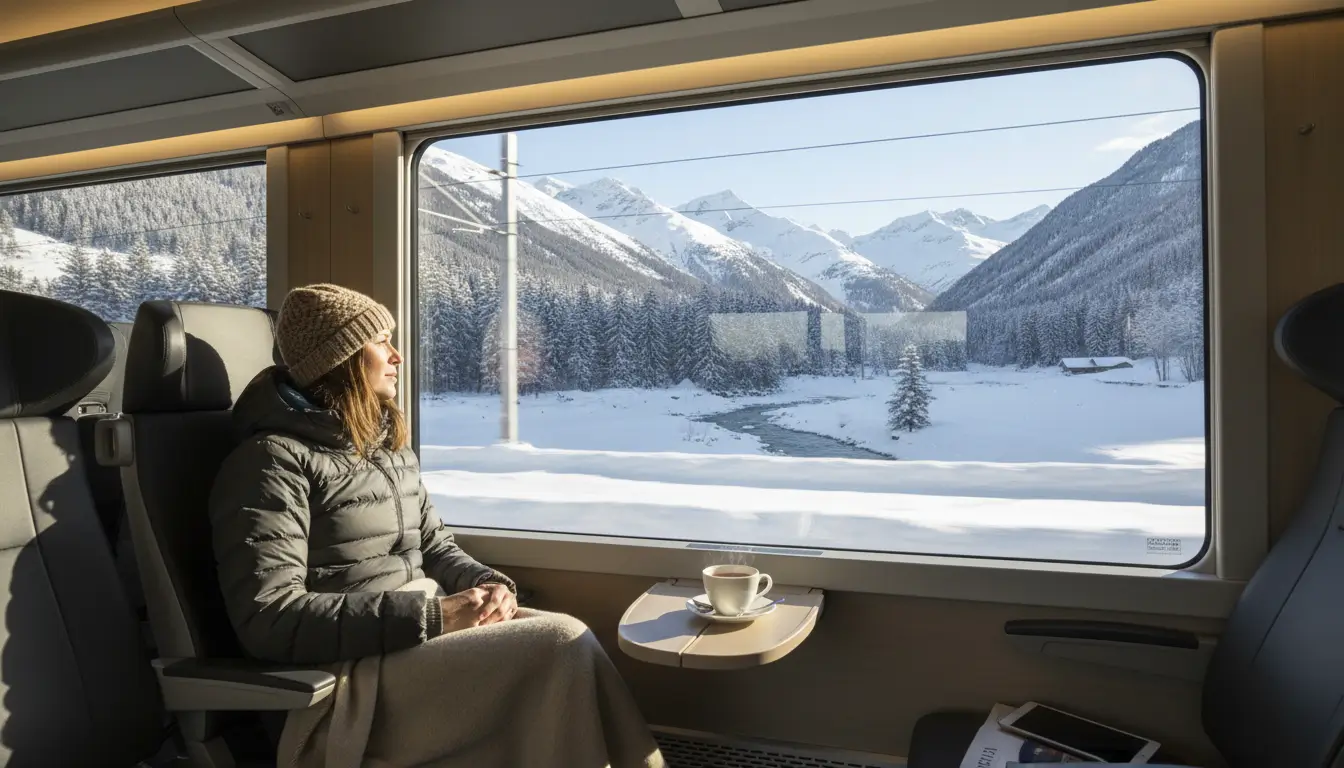
From Poprad a narrow‑gauge train runs to Starý Smokovec, the central village in the mountains. From there, a second line connects the villages of Tatranská Lomnica and Štrbské Pleso. The mountain railway runs every hour and offers panoramic views of valleys, waterfalls and snow‑covered peaks. In the high season it is sensible to book in advance.
Starý Smokovec is a good starting point for walks. There are routes ranging from a few hours to full‑day hikes to mountain huts or viewpoints. Štrbské Pleso lies around a mountain lake and is suitable for gentle walks. Tatranská Lomnica has a cable car to Lomnický štít at an altitude of 2,634 metres.
‘ May to October is the most suitable period for hikes. ’
Practical preparation and costs
The total costs for an 8 to 9‑day round trip are between 630 and 850 euros per person. This includes train tickets, overnight stays in simple hotels or guesthouses, and local expenses. Meals are affordable, with dishes from 5 euros in local restaurants.
Train tickets and transport
An Interrail pass covers most routes within Slovakia. One‑way tickets from Vienna to Bratislava start at 10 euros. One‑way tickets from Prague to Bratislava also start at 10 euros. The narrow‑gauge trains in the Tatras are often included in the Interrail pass, but reservations carry a small surcharge.
Regional trains are punctual and have spacious luggage racks. Choose hotels near train stations in Bratislava and Starý Smokovec to keep transfers simple.
Best time to travel
May to October is the most suitable period for hikes. The mountain trails are snow‑free and the weather is more stable. June and September offer less rain and smaller groups of travellers. December to March is ideal for winter sports and snowy landscapes, but some trails are closed then.
Food, luggage and extra considerations
Slovakia uses the euro, which makes paying straightforward. Debit cards are widely accepted in towns and larger villages. Take some cash for small eateries and markets. Try bryndzové halušky, a traditional dish with sheep’s cheese and potato gnocchi.
Trains have plenty of space for luggage. Take hiking boots, a rain jacket and a water bottle for day trips in the mountains. Mountain weather can change quickly, so check the forecast in advance. Trails are well marked, but an offline map is useful.
Other stops and extensions
Košice lies in eastern Slovakia and has a gothic cathedral and a lively old town. The city makes a natural stopover between Bratislava and the Tatras. From Košice you can reach wine regions in the Carpathians.
Banská Bystrica and Banská Štiavnica are historic mining towns with authentic architecture. Both lie on the rail route between Bratislava and the Tatras and are suitable for a half‑day visit. Nitra is an old religious town with a castle and a calm atmosphere.
‘ Meals are affordable and restaurants often have children’s menus. ’
Budget and family travel
Slovakia is well‑priced for families. Trains often offer discounts for children under 15. Hotels and guesthouses in the Tatras have family rooms from 60 to 100 euros per night. Meals are affordable and restaurants often have children’s menus.
Walks are free to access and the mountain railway has family tickets. Activities such as cable cars and bear‑watching excursions require separate tickets, but generally remain within a modest budget. Plan your own meals in Starý Smokovec or Štrbské Pleso to keep costs down.
Discover more about rail travel on Traveler Tips
Depart from Vienna with an easy train connection to Bratislava. Plan at least a week to fully experience both the city and the mountains. Book your narrow‑gauge trains in advance in the high season. Choose accommodation near train stations for easy transport. Download offline maps and check local weather forecasts for hikes in the Tatra mountains.
Frequently asked questions
From Bratislava, plan a direct InterCity to Poprad-Tatry or Štrba (approx. 3.5–4.5 hours) and check the timetable in advance for the fastest connection without long waiting times. Ideally choose an early train so that any transfers in Žilina, Košice or Poprad take place in daylight and you still have a connection to the mountain tram (TEŽ) to places such as Starý Smokovec or Štrbské Pleso. Use a route planner or Interrail app to compare different routes (direct or with 1 change) based on total travel time and transfer time. Reserve seats in high season and, if needed, separate tickets for the narrow‑gauge trains in the Tatras.
For a budget‑friendly trip there are Interrail passes that cover almost all Slovak routes. Within Slovakia itself, regional train tickets are relatively cheap, with extra savings if you book early or make use of special offers in the national booking app. Young people, students and sometimes seniors can receive additional discounts on domestic routes. In addition, local narrow‑gauge trains in the High Tatras are reasonably priced and can sometimes be combined with regional discount promotions.
In Bratislava the main sights are the compact old town with its squares, the castle on the hill and the promenade along the Danube, all within walking distance of the station and easy to combine with an evening stroll or boat trip. In the High Tatras the highlights are lakes such as Štrbské Pleso, the many marked hiking trails and cable cars to panoramic viewpoints. The electric narrow‑gauge railway (mountain tram) between Poprad, Štrbské Pleso and Starý Smokovec, among others, is an experience in itself, with views of mountains, valleys and waterfalls along the way. All these places are reachable directly or with a short change by (mountain) train.
For longer journeys (such as Bratislava–Košice or to the Tatras), it is best to reserve a seat in the quiet carriage or first class for extra peace and legroom. Travel with one medium‑sized suitcase and a daypack so your luggage easily fits in the racks above the seats or at the end of the carriage, and you can change trains quickly. Choose accommodation within walking distance of the station (for example in Bratislava or Starý Smokovec) so you do not have to haul luggage around. In the high season, it is wise to take mountain trams and narrow‑gauge trains early in the day to avoid crowds and full carriages.
Learn a few basic Slovak words (such as dobrý deň, ďakujem); this is much appreciated, especially outside Bratislava. In mountain villages it is customary to speak quietly, to respect paths and nature strictly, and always take your rubbish back with you. In local koliba restaurants, try regional dishes such as bryndzové halušky and ask for homemade drinks instead of international chains. Keep in mind that people in trains and mountain huts are generally calm and reserved; loud behaviour stands out quickly.