 NL
NL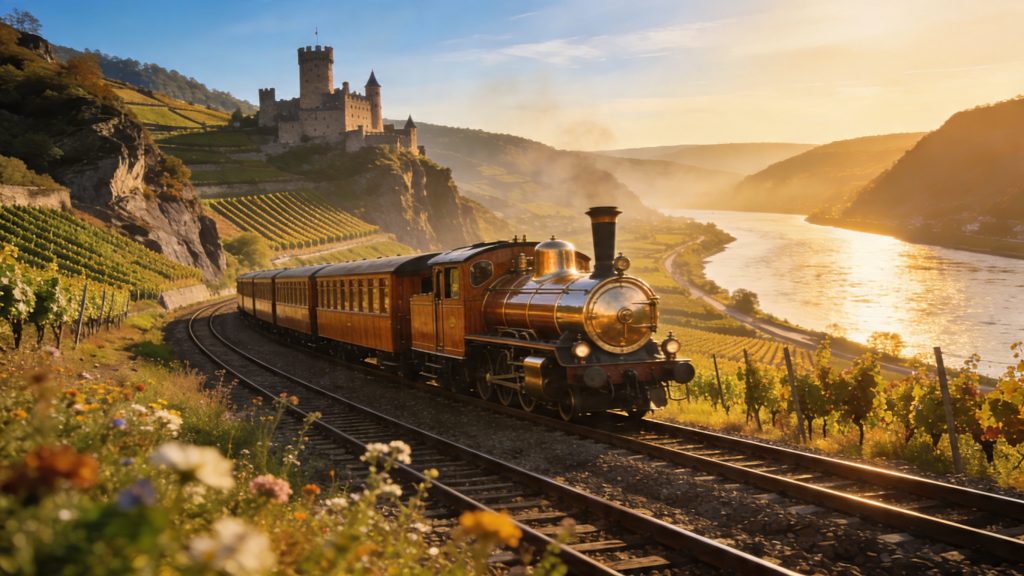
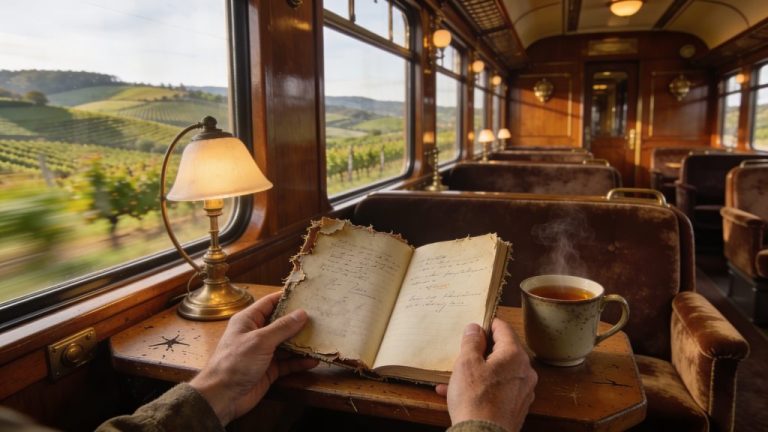
The romantic Rhine valley between Koblenz and Bingen is one of the most beautiful train routes in Europe. Medieval castles rise up between steep vineyards and winding river bends. This UNESCO World Heritage route is accessible by train all year round. Travel time from Amsterdam is 4 to 6 hours. The route is the perfect base for a trip focused on wine and castles. You explore the valley at your own pace. Ready to experience the impressive Rhine valley from the rails?
Why the Rhine valley is a top destination for train travellers
The Middle Rhine valley stretches for 65 kilometres between Koblenz and Bingen. That is its official name. This route is one of the oldest trade routes in Europe. Since 2002 it has held UNESCO status because of its unique cultural landscape. The railway line runs directly along the western bank of the Rhine and offers uninterrupted views of more than 40 castles and castle ruins, historic villages and the famous Loreley rock.
The route is ideal for anyone looking for a train holiday destination in Europe without a long journey. From Dutch cities such as Amsterdam, Utrecht or Arnhem you can reach Koblenz in 4 to 5 hours, usually with a change of train in Cologne or Düsseldorf. From Koblenz, regional trains take you in just a few minutes to the heart of the romantic Rhine.
For couples this route is particularly charming: think intimate wine villages, river views from traditional terraces and castles that look as if they have come straight from a fairy tale. The relaxed pace of a regional train perfectly matches a laid-back trip. You decide for yourself where you get off and how long you stay.
The best train connection for optimum views
The Rheintalbahn connects Cologne with Mainz and forms the backbone of this route. You can choose between two types of train, each with its own advantages:
- Intercity (IC) and Eurocity (EC) trains: These trains cover the Koblenz–Mainz stretch in around 2 hours, stopping in larger towns such as Boppard and Bingen
- Regional trains (RE and RB): These slower trains take 3 hours for the same route but stop more often in smaller villages, offering more flexibility for stopovers
Avoid ICE trains (high-speed trains) for this stretch. They often run via an alternative route that skips the most beautiful parts of the Rhine valley. So consciously choose regional lines or intercity trains that follow the classic river route.
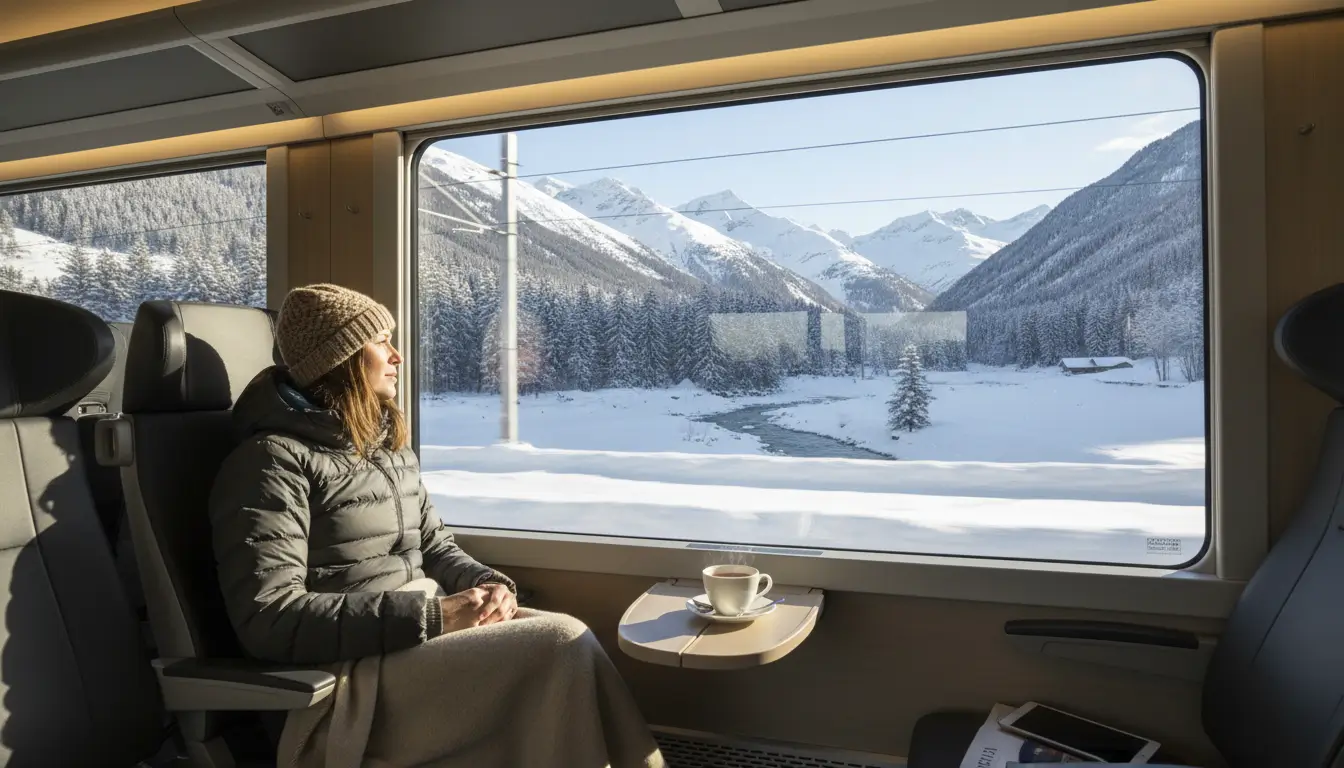
A practical tip for the best views: sit on the left-hand side of the train. This applies when you are travelling from Cologne towards Mainz. From this side you look straight out over the Rhine and the castles on the eastern bank. Travelling from Mainz in the opposite direction? Then sit on the right-hand side. Reserve your seat in advance to be sure of a window seat.
Highlights you should not miss
The romantic Rhine valley unfolds like a chain of highlights, with every bend in the river bringing a new surprise:
Koblenz and the Deutsches Eck
Koblenz marks the northern starting point of the route. It is the most logical place to begin your journey. Here the Rhine and the Moselle meet at the Deutsches Eck. This is a monumental spot with an imposing equestrian statue. From the station it is a 15-minute walk to the old town with its half-timbered houses and café terraces. For a panoramic view, take the cable car up to Festung Ehrenbreitstein, a fortress that looks out over both rivers.
The Loreley rock near Sankt Goar
This is the icon of the romantic Rhine. The Loreley rock rises 132 metres above the river and forms the narrowest and deepest stretch of the Rhine in this area. Legend tells of a singing maiden who distracted skippers with fatal consequences. From the train you will see the rock on your right-hand side as you approach from Koblenz. Get off at Sankt Goar. From here you can hike up to the rock. You can also visit Burg Rheinfels, one of the largest castle ruins on the Rhine.
Bacharach and the wine villages
Bacharach is one of the best-preserved medieval towns along the Rhine. The old town wall, half-timbered houses and wine taverns give the village an authentic atmosphere. This is a perfect stop for an extended lunch. Here you can enjoy local Riesling wine. Boppard, Oberwesel and Rüdesheim offer similar charms, each with its own castle ruins and wine terraces.
Bingen and the Mäuseturm
At the southern end of the route lies Bingen, where the Rhine bends towards Mainz. From the train you can see the Mäuseturm, a small tower on an island in the river, with Burg Ehrenfels on the hill behind it. Bingen is a good end point for a day trip or a transfer point towards Frankfurt.
How to combine the train journey with wine tastings
The Rhine valley is one of Germany’s most important wine regions, particularly known for its Riesling wines. The steep slopes along the river offer ideal conditions for viticulture. Almost every village has wineries and tasting rooms.
Plan your trip in spring (April–May) to see the vineyards in blossom, or travel in autumn (September–October) during the harvest season. In these months many villages host wine festivals where you can taste local wines. Rüdesheim has wine cellars that are open all year round and the well-known Drosselgasse, a narrow lane full of wine taverns and restaurants.
For a combination of train travel and wine tasting, it is best to get off in one of the following villages: Bacharach, Boppard or Rüdesheim. Many wineries are within walking distance of the train stations. Book ahead if you would like a guided tour of a vineyard, especially in high season. Bear in mind that after a wine tasting you may want to take a later train back; regional trains usually run every hour.
Best stops for couples with dinner and an overnight stay
If you want a romantic train journey where you take time for dinner along the Rhine, there are several strategies:
- Boppard: This little town offers atmospheric restaurants with terraces on the Rhine, perfect sunsets and hotels in the old town. From the station you can walk to the river promenade in under 5 minutes
- Sankt Goar and Sankt Goarshausen: These two villages lie opposite each other on either bank of the Rhine, connected by a ferry. Choose a hotel with views of the water and the illuminated castles in the evening
- Rüdesheim: More touristy but with excellent restaurants and a lively evening atmosphere. Many hotels offer wine-inclusive packages
Book accommodation with a view of the Rhine for an extra-romantic experience. Smaller family-run hotels and guesthouses often provide better service and more local tips. Large chain hotels are less likely to offer this level of personal touch. When you book, ask for rooms with a balcony or terrace facing the river.
Day trip from Cologne or a multi-day journey
The romantic Rhine valley is perfect for a day trip, but a longer journey is also possible. From Cologne you can do a loop of around 8 hours. Take the train to Koblenz (1 hour). Explore the city or take the cable car. Continue towards Bingen with stops, for example, in Sankt Goar and Bacharach. Return via Mainz and Cologne. This option gives you a good impression of the route without an overnight stay.
For more in-depth exploration, plan 2 to 3 days. You can visit several villages, go to wine tastings and take a walk along the Rhine or through the vineyards. You can also combine the trip with the Moselle valley, which joins the Rhine at Koblenz and offers similar landscapes.
A more extensive option is a round trip of 5 to 7 days, also taking in Heidelberg, the Black Forest or even Strasbourg. With an Interrail or Eurail pass you can travel unlimited within a set period, making hop-on-hop-off travel possible without having to buy individual tickets.
Practical tips for smart planning
The romantic Rhine valley is well organised and offers good facilities for train travellers. Even so, there are a few details that can make your trip more pleasant:
- Download offline maps of the route and train stations so you can navigate without internet on the way
- Take a picnic with you for the journey; many regional trains do not have a restaurant car and stations in smaller villages have limited options
- Check the train timetable for your return journeys, especially on Sundays and public holidays when fewer trains run
- Allow for seasonal differences: in summer (July–August) it is busier and prices are higher; spring and autumn are quieter and offer better photography conditions thanks to the light
- Combine the train with cycling; many trains in Germany have bike racks and the Rhine has well-maintained cycle paths along both banks
A single ticket for Koblenz–Bingen costs around €10–15 on a regional train. From Amsterdam you will pay around €60–80 for a return via Cologne, depending on how early you book. An Interrail pass is worthwhile in some situations, for example if you are staying several days in the region or combining the Rhine valley with other German destinations.
‘ Explore the options and plan your next train journey with confidence. ’
Discover more on Traveler Tips
The romantic Rhine valley is just one of many train routes you can organise yourself for a mindful and comfortable trip. On the Traveler Tips website you will find extensive information on other train destinations in Europe, along with tips for planning multi-day train journeys. We also offer practical guides to choosing routes, tickets and accommodation. Explore the options and plan your next train journey with confidence.
Frequently asked questions
The optimal route for a romantic Rhine valley train journey runs along the Middle Rhine between Cologne and Mainz, preferably using slower regional trains (RE/RB) so you can stop more often and enjoy the scenery better. Ideally, travel from Cologne to Mainz and sit on the left-hand side for river views. Plan comfortable stops in Koblenz, Sankt Goar (near the Loreley), Bacharach, Bingen and possibly Rüdesheim for castles, wine villages and short walks. Use a flexible ticket or rail pass so you can decide on the spot how long you stay in each place.
For the romantic Rhine valley, a Eurail or Interrail pass is often the best value if you want to “hop” along the Rhine for several days or stages between places such as Cologne, Koblenz, Bingen and Mainz. Travel with regional trains (RE/RB) instead of ICE, as they are cheaper and stop more frequently at scenic spots. For a single day trip, a regional day ticket from DB (such as a Länder-Ticket or Quer-durchs-Land-Ticket) may be more economical than individual tickets. So choose a rail pass for multi-day round trips and a regional day ticket if you only have one or two travel days.
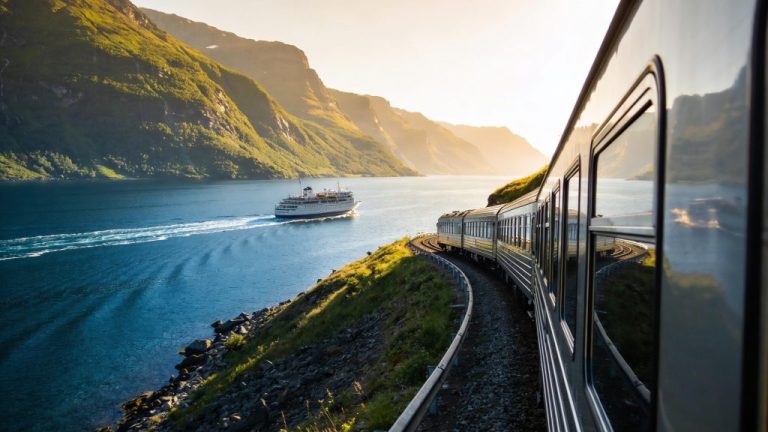
Along the romantic Rhine valley you should not miss the stretch past the Loreley rock, the many castles (such as Marksburg and Rheinfels) and the steep vineyards right beside the river. Be sure to get off in characterful places such as Koblenz (Deutsches Eck), Bacharach, Rüdesheim and Bingen for old streets and sweeping views. A unique experience is to combine the train ride with a short Rhine cruise or a wine tasting in one of the wine villages. Travelling in the morning mist or in autumn gives extra-atmospheric views.
Combine your rail round trip with hotels or guesthouses booked in advance in places such as Koblenz, Bacharach, Rüdesheim and Mainz, so that each day you travel a short stage along the Rhine. Choose one or two fixed bases and take regional “hop-on-hop-off” train rides from there, so you do not have to change hotels every day. Regular luggage transfer, as offered on hiking trips, is less common here, so travel with one easy-to-handle suitcase or rucksack that you can lift onto the train and into the hotel yourself. If you would still prefer to outsource luggage handling, opt for an organised rail holiday or walking trip along the Rhine where hotels and baggage transport are already included.
Yes, it is actually a very good idea to combine the train journey through the romantic Rhine valley with a boat or car for specific stretches. From the boat you can experience the castles and villages even more intensely from the water, while the train offers carefree panoramic views. A car or bicycle is useful for trips further inland and for visiting wine villages or castles away from the stations. Many travellers therefore choose a mix: part of the route by train, a short river-cruise stretch and possibly half a day with a car or bicycle.