NL
NL
A train journey from Budapest to Milan via Austria offers a unique combination of Hungarian thermal baths, Austrian Alpine scenery and Italian art. In eleven days you travel through four countries on a route that alternates city and nature perfectly, including tickets for the main stretches. Discover why this route is becoming increasingly popular with travellers who want to explore Europe consciously.
Why choose this route for your rail holiday
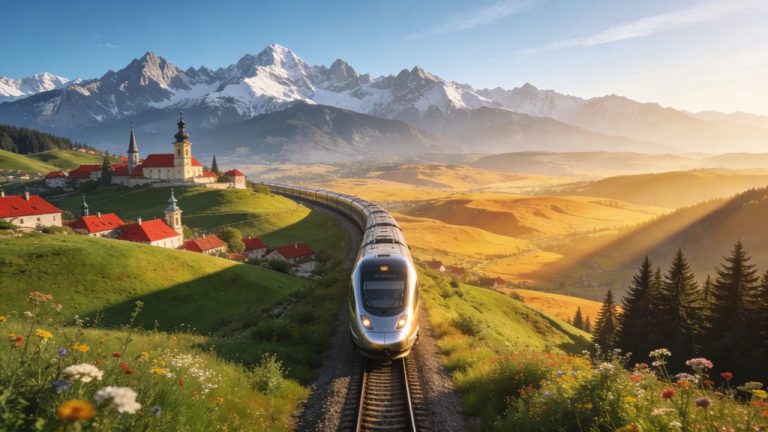
The connection between Budapest and Milan via Austria is a practical east–west route. It is also a corridor that links some of Europe’s most inspiring cities and landscapes. Vienna is the natural hub between the Hungarian east and the Alps, while Innsbruck gives you access to the spectacular Brenner Pass towards northern Italy.
This route offers clear advantages for your rail holiday. You avoid heavy traffic on busy Alpine roads and have plenty of opportunity to break up your journey into comfortable stages. You combine three major cultural capitals with smaller gems such as Salzburg or Bled in Slovenia. This route fits with rail holiday destinations in Europe that are attracting more and more travellers.
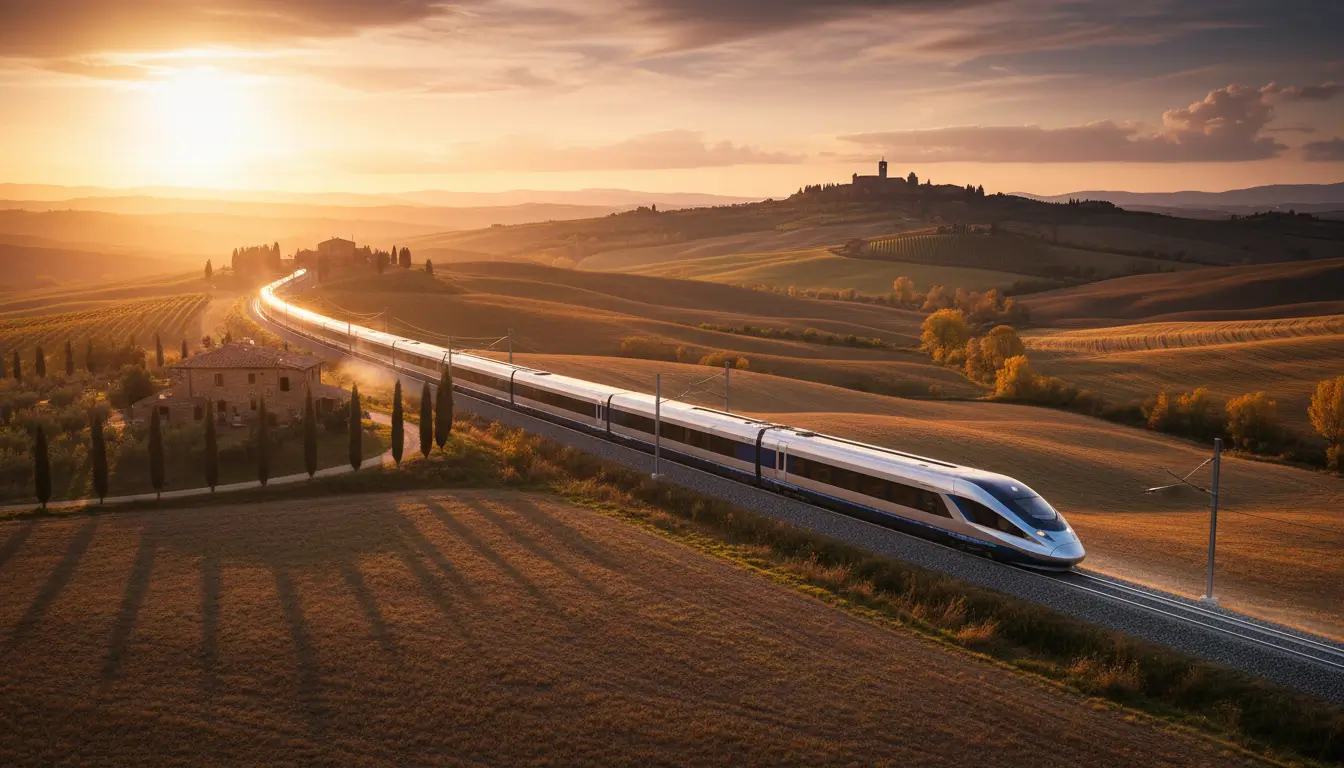
The variety along the way makes the difference. You start in vibrant spa city Budapest, travel through the imperial atmosphere of Vienna, cut through the Austrian mountains and finish in fashionable Milan. Every stop has its own character. Your holiday becomes a carefully composed experience.
‘ The stretch via the Brenner Pass is a visual highlight. ’
Highlights of the Budapest–Milan rail tour
This trip lasts eleven days. The journey has several highlights which together give you a complete picture of central Europe. Each part has been carefully chosen to make the trip both practical and engaging.
Thermal baths in Budapest
You start in Budapest, the city of thermal springs and architecture. The historic bathhouses such as Gellért and Széchenyi give you the chance to relax. The journey really begins afterwards. Plan at least two full days to explore the city properly. The Parliament on the Danube, the castle on the Buda Hill and the lively Pest district all deserve your attention.
Alpine views between Innsbruck and Verona
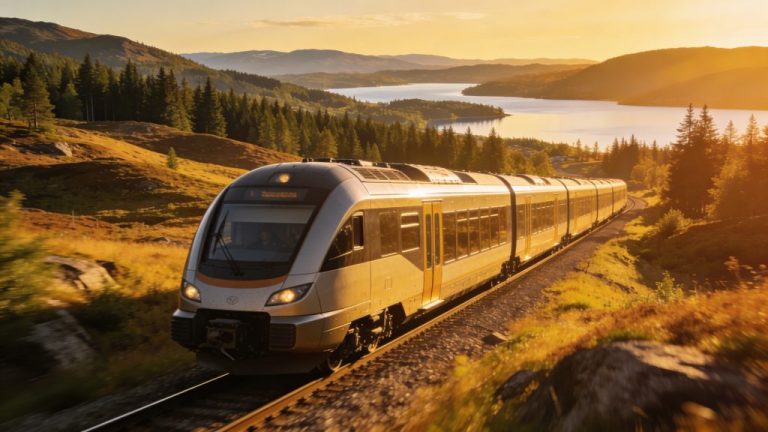
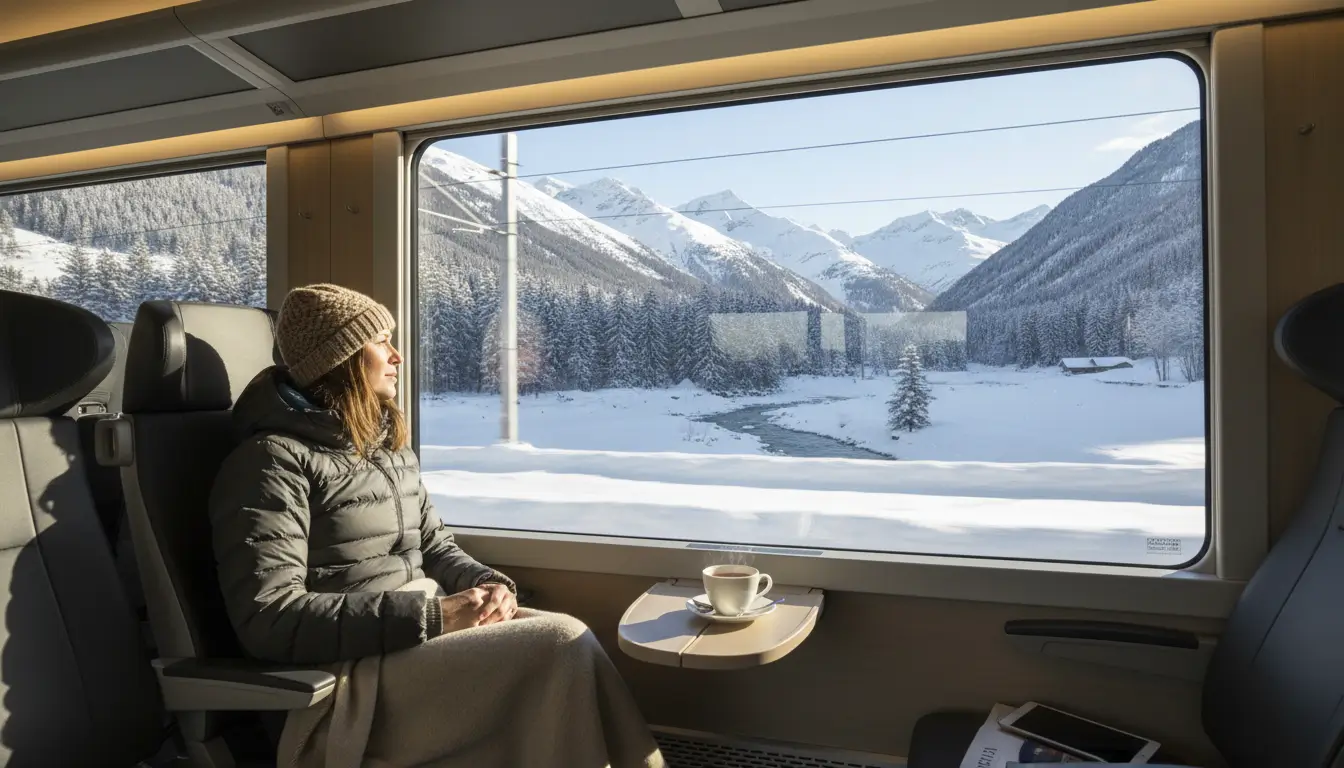
The stretch via the Brenner Pass is a visual highlight. From the train you see the landscape change from Austrian mountain villages to Italian valleys. Innsbruck is an ideal place for a stopover of one or two nights. The city is particularly suitable if you enjoy walking. Cable cars take you up into the mountains quickly.
Venetian lagoon and Slovenia
You can make a detour via Slovenia to visit Lake Bled. This depends on how you plan your route. This turquoise glacial lake lies on a logical connection between Austria and northern Italy. The lake has a church on an island. A stop in Venice is also an option before you continue to Milan. Both destinations are worthwhile. They enrich your round trip.
Milan as cultural finale
Milan rounds off the journey. In Milan you will find fashion, art and architecture. The Duomo, the opera house La Scala and Da Vinci’s painting The Last Supper are well-known attractions. Plan at least two days to get a feel for the city. You can then continue on to other Italian destinations if you wish.
Connection tips for the train journey from Budapest to Italy
A journey through several countries requires planning. You need to plan your connections and journey times carefully. The following practical insights will help, so the route runs smoothly.
Important hubs along the way
Vienna is the central interchange point for virtually all routes between Budapest and western Europe. From Vienna you travel directly towards Innsbruck. A detour via Salzburg is also possible. Both options have good connections to trains to Italy.
Verona is often the first major Italian city after the Brenner Pass, thanks to its location just beyond the pass. From here there are frequent trains to Milan, Venice and other northern Italian cities. Allow for a minimum transfer time of 30 minutes on international connections. Ideally, plan for 45 minutes to an hour. This is especially useful if you are travelling with luggage.
What you need to know about train tickets
For a tour through several countries you will often book tickets in advance. Packages with pre-booked tickets are convenient. They give you certainty about your seats. Prices can rise closer to departure, so you avoid surprises. Reservations are sometimes compulsory; always check this. This applies especially to long-distance routes and night trains.
For individual tickets, different railway companies are involved. Pay attention to this. ÖBB is the Austrian railway company. Trenitalia is the Italian railway company. MÁV is the Hungarian railway company. Each of these companies uses its own fares and booking systems. An Interrail pass can be an alternative if you want flexibility. Do compare the total costs including reservations in advance.
Dealing with language differences and connections
At major stations such as Wien Hauptbahnhof and Verona Porta Nuova you will find information in English. Digital boards give clear platform indications, which are easy to see. Download the apps of the main railway companies. These provide up-to-date travel information and send you notifications about delays.
On international connections, train numbers sometimes change. You may have to walk from one platform to another part of the station. Take this into account if your transfer time is tight. It is better to plan a longer connection time. This gives you more peace of mind.
Budget for a rail holiday through eastern and central Europe
The costs of an eleven-day train journey differ per person. Your accommodation, meals and activities determine the budget. Below you will find a realistic estimate of where your budget will go.
Train tickets and transport
For the main route Budapest–Vienna–Innsbruck–Milan you pay between 150 and 250 euros for train tickets, assuming you book early. With packages that include pre-arranged tickets you are often towards the upper end of this range, but you do get certainty and reservations included. Extra stops such as Salzburg, Bled or Venice increase costs by around 30 to 60 euros per additional stretch.
Overnight stays along the way
Your choice between hostels, budget hotels and mid-range hotels makes a big difference. In Budapest and Milan you can find budget options from about 25 euros per night in a hostel or from 60 euros for a simple hotel room. In Vienna and Innsbruck prices are slightly higher, especially in high season. On average, allow 50 to 80 euros per night for a comfortable budget option.
Food, drink and activities
In Budapest and Slovenia you pay less for meals. In Austria and Italy you pay more. A simple restaurant meal in Budapest costs between 8 and 15 euros. In Milan you are more likely to pay 15 to 25 euros for a comparable meal. Museums and sights cost 10 to 20 euros per attraction. Cook for yourself now and then, visit local markets and eat out occasionally. This way you keep costs manageable.
Overall budget picture
For an eleven-day trip, you should reckon with a basic budget of 800 to 1,200 euros per person. This includes transport, accommodation and daily expenses. Do you opt for a bit more comfort in hotels and restaurants? Then you will end up around 1,400 to 1,800 euros. These are guideline amounts; your own spending habits and travel period determine the final total.
‘ You do end up at one of the most photogenic spots in the Alps. ’
Combine Budapest by train with Lake Bled
Slovenia’s Lake Bled lies strategically between Austria and northern Italy. The lake is a valuable stop on the route and fits logically into your planning. From the main route you can reach Bled in two ways.
Via Villach or Jesenice
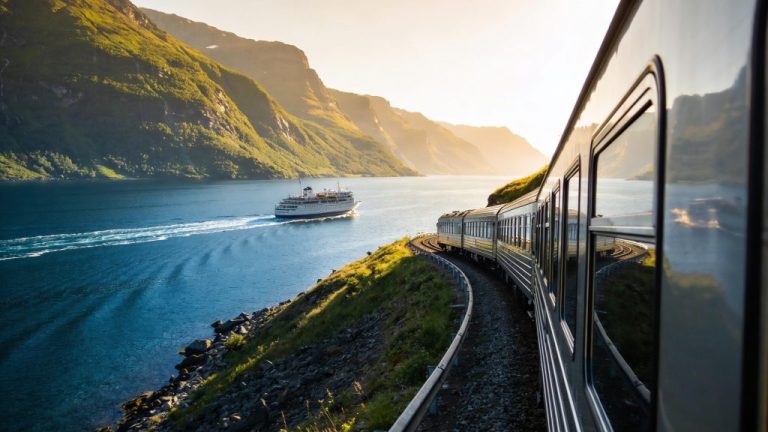
From Austria you travel via Villach in Carinthia towards Slovenia. From there, regional trains run to Jesenice. Jesenice is the closest station to Bled. From Jesenice you take a short bus ride or taxi to the lake. You can also take a taxi directly. This detour adds around half a day of travel time. You do end up at one of the most photogenic places in the Alps.
How long to stay at Lake Bled
Plan at least one full day to explore the lake. Walk around the lake, hire a rowing boat to the island with the church and visit the castle on the rock wall. In summer the area is popular, so book your accommodation in advance. There are plenty of budget options such as guesthouses and apartments in the surrounding area.
Back to the main route towards Italy
From Bled you travel via Jesenice onwards to Italy, or you can return to the Austrian route. Both options combine well with continuing your journey to Verona. Travelling on to Venice is also possible. The flexibility of train travel makes it easy to add this stop spontaneously. Check your transfer times and tickets in advance to avoid stress.
Practical preparation for this rail holiday
A journey through four countries calls for preparation. That preparation will save you time and hassle along the way.
What to take with you
Travel light and take only hand luggage or one suitcase. Choose a suitcase you can lift easily on the train. Think about a power bank for your phone. Take a reusable water bottle and a lightweight rain jacket. The weather in the Alps can change quickly, even in summer.
Documents and money
You need a valid passport. A national identity card is also sufficient. Slovenia is an EU member state, so crossing the border is straightforward. In Hungary you pay with forints. In Slovenia you pay in euros. In Austria and Italy you also pay in euros. Take a credit card for larger expenses and keep some cash on hand for small purchases.
Communication and apps
Download the apps of ÖBB, Trenitalia and, if needed, Deutsche Bahn. ÖBB is the Austrian railway company. Trenitalia is the Italian railway company. Deutsche Bahn is the German railway company. The apps give you real-time information about trains. Google Maps works well for navigation in cities. Make sure you have a SIM card with a data bundle. You can activate roaming within the EU. This makes it easy to look up information on the spot and make last-minute changes.
Discover more on Traveler Tips
This route from Budapest to Milan is just one of many possibilities. Europe is ideal to explore by train. On the Traveler Tips website you will find extensive information, including other rail routes, destinations and tips for slow travel. Discover more about accommodation along the way and read about the best times to travel. You can extend your trip with other European cities. Let yourself be inspired and plan your next journey with reliable, practical advice.
Frequently asked questions
Broadly speaking there are two main options via Austria: via Vienna and then via Salzburg/Innsbruck to northern Italy, or via Vienna with a faster turn-off towards Italy (for example via Villach/Verona) and then on to Milan.
By car, the Alpine route via Innsbruck and the Brenner Pass is a highlight thanks to the mountain scenery and this well-known Alpine crossing.
By train, the cities themselves are the highlights: Budapest, Vienna, Salzburg or Innsbruck as atmospheric stops, plus the varied landscape from the Danube region to the Alps and then northern Italy.
This route is ideal for a slow-travel approach with several overnight stays and plenty of variety between cultural cities and nature.
Good stopovers in Austria with a strong mix of culture, nature and comfort are above all Vienna, Salzburg and Innsbruck.
Vienna offers imperial architecture, top museums and parks, combined with many comfortable (boutique) hotels.
Salzburg lies surrounded by mountains and lakes and has a compact historic centre with a wide range of atmospheric accommodation.
Innsbruck combines direct access to the Alps with a cosy historic centre and modern, comfortable places to stay.
For a road trip through Austria you need a digital vignette (e-vignette) for the motorways, which you buy in advance online or at border/filling stations and check for validity. Allow for extra tolls for certain Alpine tunnels and passes (such as the Brenner Pass) on top of the vignette. Fuel prices are often slightly higher than in some neighbouring countries, so filling up just across the border can be cheaper, and in the mountains you will use more fuel. Plan generous journey times because of possible traffic jams at junctions and passes, seasonal crowds (summer/winter sports) and lower average speeds in mountainous areas.
Plan your trip in stages, for example Budapest → Vienna → Innsbruck or Verona → Milan, so your connections remain clear and you can take breaks along the way. Use international planners such as those from ÖBB and DB to see all connections, reservations and total journey time in a single overview. For each stage, preferably choose trains with a transfer time of at least 30–45 minutes for a stress-free connection, especially on Alpine routes. Book long stretches and any trains that require reservations (for example night trains or Railjet services) well in advance, and leave short regional sections flexible for extra leeway in your day-to-day planning.