 NL
NL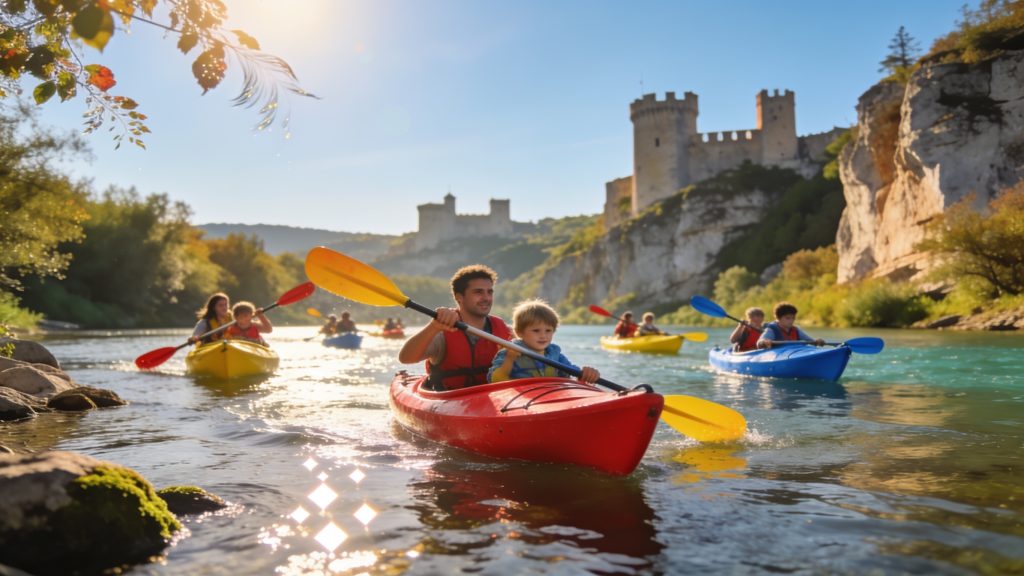
The Dordogne offers one of the most beautiful and accessible kayak routes in France, with calm water, medieval castles and green riverbanks. Routes such as Vitrac to Beynac combine impressive scenery with easy navigation. They are perfect for beginners. They are also suitable if you are planning a canoe and kayak holiday without extensive paddling experience. Want to know where to find the most beautiful trips and how to organise them? Read on.
Why the Dordogne is a strong choice for kayak routes
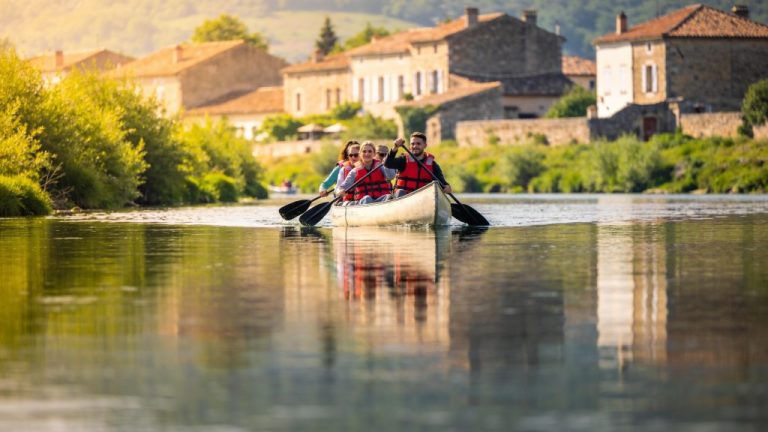
The Dordogne is known for its gentle current and natural variety. The river is suitable for beginners because there are few rapids and water levels in summer are usually predictable. The stretch between Vitrac and Beynac is often mentioned as the most beautiful part, with views of villages such as La Roque-Gageac and castles that sit right on the water’s edge.
The region offers a wide range of rentals and trips. You can choose short routes of 5 to 8 kilometres, suitable for a relaxed part of the day. Longer stretches up to 18 kilometres are available if you want to spend more time on the water. The infrastructure is well organised, with clearly marked put-in and take-out points and bus transport back to your starting point.
The landscape combines limestone cliffs, green hills and historic buildings. This makes the experience appealing both for nature lovers and for travellers who want to see cultural heritage during their kayaking holiday.
‘ It’s not a technically demanding route, but the distance does require good planning. ’
The most beautiful kayak routes along the Dordogne
The routes below are most often recommended by rental companies and experienced travellers. Distances vary, so you can choose according to your group and experience.
Vitrac to Beynac
This is the best-known route in the region, with a length of around 14 to 16 kilometres. The trip takes on average 2.5 to 3 hours, depending on your pace and any stops. You paddle past La Roque-Gageac, one of the most beautiful villages in France, and pass several castles, including Château de Beynac.
The route is suitable for beginners and families. The water is calm and there are few obstacles. Rental companies often provide a complete service, including bus transport back to the starting point.
La Roque-Gageac to Beynac
A shorter 8-kilometre option, ideal for a relaxed morning or afternoon. This route offers the same views of castles and villages but requires less time and physical effort. The trip takes about 1.5 to 2 hours.
This stretch is recommended for young families or travellers who are kayaking for the first time. The endpoint at Beynac is central, so you can end the day with a visit to the village or castle.
Cénac to La Roque-Gageac
A route of around 12 kilometres that is slightly less busy than the most popular stretches. You paddle through quiet natural areas and pass smaller villages. The trip takes 2 to 2.5 hours and is suitable for different ability levels.
This route offers more space if you want to avoid the crowds, especially in the high season. The views are similar to the better-known routes, with a mix of cliffs and open countryside.
Carsac to Beynac
A longer route of around 18 kilometres for those looking for more paddling time. The trip takes 3 to 4 hours and requires a little more stamina. The stretch combines natural peace and quiet with sections along several points of interest.
This route is interesting for experienced recreational paddlers or groups who want to spend a full day on the water. It’s not technically difficult, but the distance does require good planning.
Argentat to Beaulieu
This part of the Dordogne lies further upstream and, at higher water levels in May and June, has some gentle rapids. The route is about 20 kilometres long and offers more action than the classic stretches around Beynac.
This trip is suitable if you already have some kayaking experience and are looking for something a bit more sporty. Check the water level in advance and ask rental companies about the current conditions.
How to hire a kayak on the Dordogne
There are several rental points along the river, especially around Vitrac, Cénac, La Roque-Gageac and Beynac. Most providers work with set packages. These packages include kayak, paddle, life jacket and transport. You can choose between canoes for several people or kayaks for one or two people.
Advance booking is recommended in July and August because popular routes are quickly fully booked. Outside the high season you can often just turn up. The rental companies offer various options:
- Half-day package with a short route and bus transport back
- Full-day trip with a longer route and picnic en route
- Multi-day trips with overnight stays at campsites along the river
- Guided trips with a guide for larger groups
Most rental companies speak English and French. Equipment is provided as standard, but bring your own towels, dry clothes and, if needed, dry bags. Payment is usually in cash or by debit card.
Is kayaking on the Dordogne suitable for children
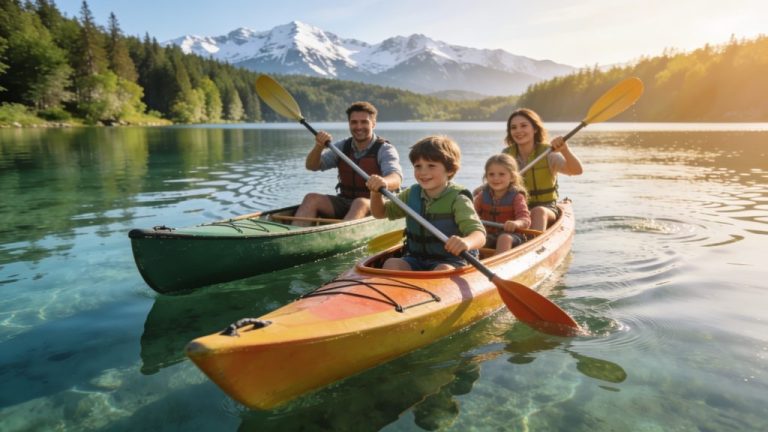
Yes, the Dordogne is a child-friendly kayaking destination. The gentle current and shallow sections make the river safe for families. Most rental companies advise a minimum age of 6 years, depending on the route and water conditions.
Children always receive a life jacket and the seating positions in the canoe or kayak are adjusted to the group composition. For young children, stable canoes are usually chosen, in which two adults and one or two children can sit. The shorter routes of 8 to 12 kilometres are very manageable for families.
Keep the following points in mind when kayaking with children:
- Choose a route of a maximum of 2 hours for young children
- Plan stops along the way for rest and play on the riverbank
- Bring plenty of drinks and snacks
- Use sun protection and hats
- Check whether the rental company has life jackets in children’s sizes
Most routes offer opportunities to moor and swim along the way. This makes the trip more varied and helps prevent children from getting bored.
‘ Water levels that are too low mean you’ll have to get out on shallow stretches and drag the kayak over gravel beds. ’
Best time for kayaking on the Dordogne
The ideal period runs from May through to September. During these months the water level is usually stable and the temperature pleasant. July and August are the busiest, with many families and recreational paddlers on the water.
May, June and September are quieter and often offer better conditions if you want to avoid the crowds. Temperatures are slightly lower, but the experience is similar. In the shoulder seasons, rental prices are often more favourable and you don’t have to book as far in advance.
Pay attention to the water level, especially during dry periods. Water levels that are too low mean you’ll have to get out on shallow sections and drag the kayak over gravel beds. Rental companies provide up-to-date information on conditions and advise on alternative routes.
What to take with you on a kayak route
The rental company provides kayak, paddle and life jacket. Additional items you need to arrange yourself:
- Dry change of clothes and towels in a waterproof bag
- High-factor sunscreen and sunglasses with strap
- Cap or hat for sun protection
- Enough water and light snacks
- Water shoes or sandals that can get wet
- Optional waterproof phone case for photos
Keep valuables and electronics in a dry bag. Many rental companies provide these, but you can also bring your own. Don’t take loose items that could fall overboard.
Campsites and accommodation along the route
The region around the Dordogne has a wide choice of campsites, gîtes and hotels. Many campsites are located directly on the river and work together with kayak rental companies. This makes it easy to plan multi-day trips with overnight stays along the way.
Popular campsites for kayakers are located in Vitrac, Cénac, Castelnaud and Beynac. They often offer facilities such as storage for kayaks, drying space and information about routes. Advance booking is recommended in July and August.
If you are looking for comfort, there are hotels and chambres d’hôtes in the villages along the river. These accommodations make a good base for day trips and are often accessible using the rental companies’ shuttle buses.
‘ Respect nature and other users of the river. ’
Practical tips for your kayak route
Start early in the day to avoid the crowds and to enjoy the morning calm on the water. Most rental companies open around 9 am and the first groups set off between 9.30 and 10.00 am. The later you leave, the more other paddlers you’ll meet along the way.
Always check the weather beforehand. In rain or strong wind conditions can be less pleasant, especially on open stretches of the river. In thunderstorms, rental companies close the routes for safety reasons.
Ask the rental company for up-to-date information on obstacles, water level and any works in the area. The river can change through natural erosion or maintenance works, meaning some sections may be different from what is shown on maps.
Respect nature and other users of the river. Do not touch water birds or nests, only moor at designated places and take your rubbish back with you. The Dordogne is a protected natural area where ecological guidelines apply.
Discover more on Traveler Tips
The Dordogne is just one of many destinations where you can travel actively and consciously. On the Traveler Tips website you’ll find extensive information on routes, preparation, accommodation and sights for your next trip. Whether you’re planning a road trip, travelling by train or organising a nature holiday, discover how to plan your holiday more smartly and in greater depth.
Frequently asked questions
Important logistical considerations include booking kayaks or canoes in advance with one of the many rental companies along popular stretches such as Vitrac–Beynac, especially in high season. Many rental companies offer shuttles: you park at the endpoint and are taken by minibus to the starting point, which greatly simplifies transport. Choose start and end points with good parking and easy put-in and take-out access, such as Vitrac, La Roque-Gageac, Cénac and Beynac. Also take into account paddling time, the group’s ability level and the weather, so the chosen distance remains realistic for a single day.
The most scenic and accessible route is Vitrac → Beynac (approx. 14–16 km, easy), with spectacular views of medieval villages and castles. For a shorter, very gentle trip, La Roque-Gageac → Beynac (approx. 8 km, easy) and Cénac → La Roque-Gageac (approx. 12 km, easy) are ideal for families and beginners. If you want to paddle for longer, choose for example Carsac → Beynac (approx. 18 km, easy to moderate), with a lot of variety in the landscape. For more adventure, at higher water levels you could consider the stretches Argentat → Beaulieu or Vayrac → Saint-Sozy (around 18 km, moderate, with gentle rapids).
The best time to travel for kayaking on the Dordogne is from the end of May through to September, with June and September being quieter and often more pleasant months than the peak season. Prepare with light, quick-drying layered clothing, cap/hat, sunglasses with strap, sunscreen, water shoes or sandals, a set of dry clothes in a waterproof barrel, towel, plenty of water, snacks/lunch and, if needed, a dry bag for phone/camera. Always wear a well-fitting life jacket, check water levels and weather forecast in advance, be aware of other boats and follow instructions from rental companies and local rules. For extra comfort, bring a light wind- or rain jacket and, for longer trips, gloves to prevent blisters.
Plan your kayaking days around stretches such as Vitrac–Beynac or La Roque-Gageac–Beynac and combine them with drives along castles and viewpoints on the same bends of the river. Ideally, stay in or around Sarlat, La Roque-Gageac or Beynac, so you have short drives to departure points and can stroll through medieval streets in the evenings. Turn a kayak day into a themed day by planning a market visit in Sarlat beforehand and visiting a castle such as Castelnaud or Beynac after paddling. Alternate active days on the water with road trip stages to other valleys (for example the Vézère) to explore prehistoric sites and caves, while returning each time to a centrally located campsite or chambre d’hôtes along the Dordogne.