 NL
NL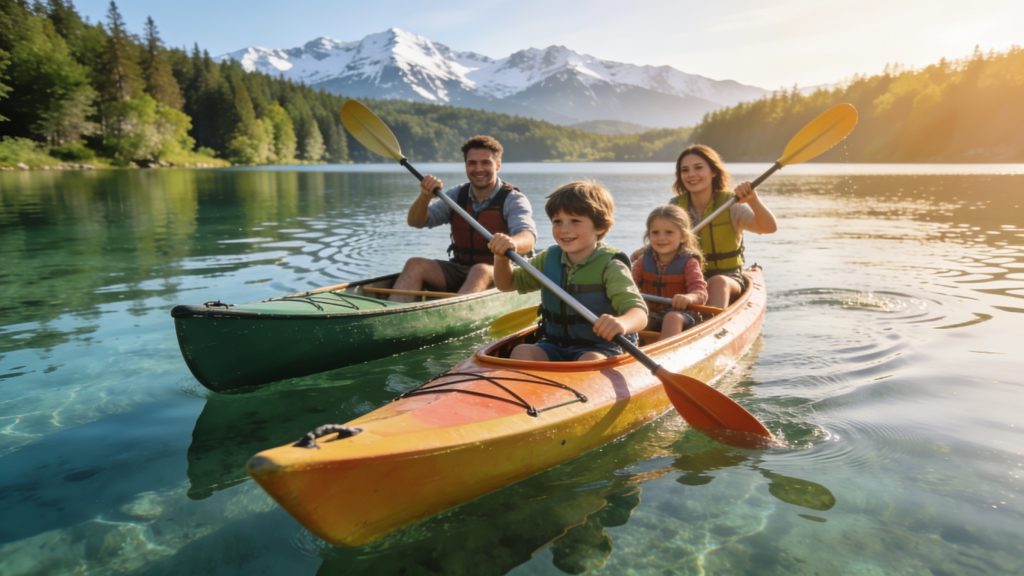
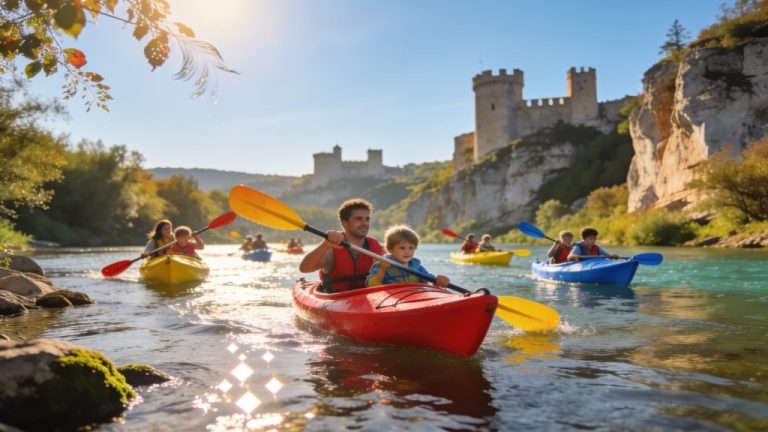
Kayaking with the family combines being out in nature with active movement. Europe offers many different routes that are perfect for families. You’ll find gentle little rivers in the Ardennes and varied trips on the Dordogne. Distances are child-friendly, there are safe picnic spots and some routes are suitable for families with a dog. The success of a canoeing and kayaking holiday with children depends on choosing the right route and preparing well. Discover which European destinations best suit your family.
Why kayaking is a great family activity
Kayaking encourages teamwork and gives children responsibility. From around the age of six, children can already paddle along in a two-person kayak or an open canoe. It’s important that children have their own paddle so they actively take part. If they are just passengers, they quickly lose interest in the activity.
Most family-friendly routes offer regular breaks for swimming or picnics. This lowers the barrier for younger children who are not yet ready to sit still for hours at a time. Water safety is also easy to organise: life jackets in the right sizes are compulsory and are standard available at rental points.
A kayaking holiday combines well with camping or staying in a holiday cottage. You can plan a route for each day or opt for a multi-day trip. In that case you paddle from one place to the next. This flexibility makes it suitable for different age groups and energy levels within one family.
The Dordogne: family-friendly classics with short distances
The Dordogne in France is one of the most accessible destinations for families who want to go kayaking. The river has gently flowing water with the occasional small rapid. In general, there are no technically challenging sections. Routes vary from two to six hours, with stops at beaches and picnic spots.
Popular stretches for families are:
- From Carsac to Beynac: this stretch is about 8 kilometres long. You paddle at a relaxed pace. The route is suitable for children from 6 years old.
- From Vitrac to La Roque-Gageac: this stretch is about 10 kilometres long. There are easily accessible embarkation points and plenty of shady spots.
- From Castelnaud to Beynac: this stretch is about 6 kilometres long. The route is ideal for a first kayaking experience with children.
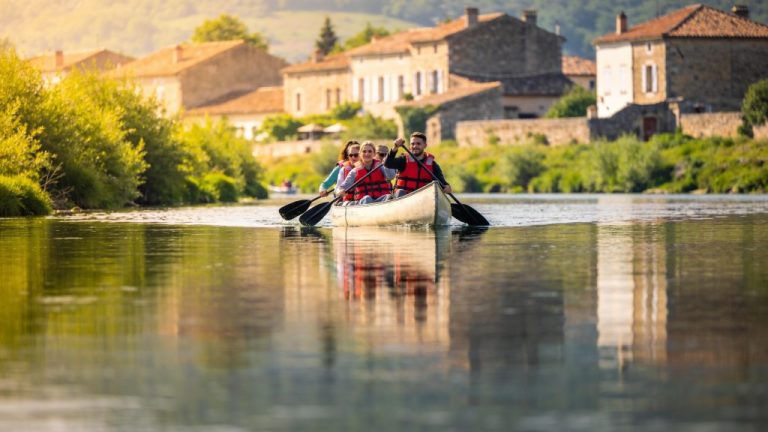
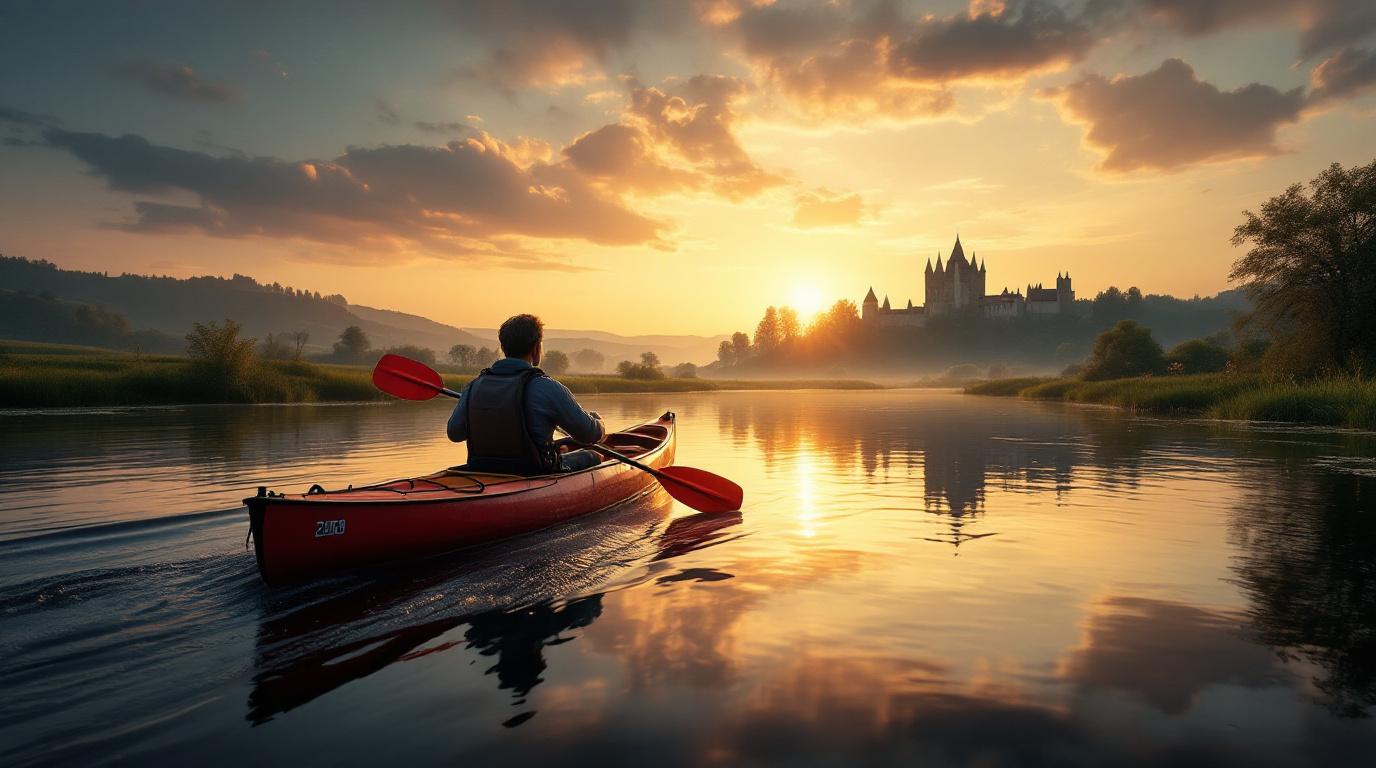
On the banks of the Dordogne you’ll find medieval castles and villages that you can admire from the water. This adds an educational and visual element to the trip. Most rental companies offer a shuttle service so that you are taken back to your starting point at the end of the route. This saves you a lot of logistical hassle with cars and luggage.
The Ardennes: nearby and varied for short breaks
The Belgian Ardennes are close by. They are easy to reach from the Netherlands, Belgium or Germany. Rivers such as the Ourthe, Lesse and Semois offer a range of routes. You’ll find everything from calm water to slightly more rapids. For families with young children, stretches on the Lesse near Dinant or Houyet are the most suitable.
The Ourthe also offers family-friendly options. The section between Durbuy and Barvaux is a good example. This route takes around two to three hours and has calm sections with a few playful rapids. There are plenty of places to moor for a break or to go for a swim.
Many rental points in the Ardennes are geared towards families. They provide waterproof barrels for luggage, special life jackets for children and instructions for beginners. The infrastructure is well organised, with clear signposting and safe embarkation and disembarkation points.
Kayaking with a dog: safe and dog-friendly
Some families want to take their dog on a kayaking holiday. This is possible, but it does require preparation. Not all rental companies allow dogs, so always check in advance. Dogs need to be able to swim and stay calmly in a kayak. A life jacket for dogs is recommended, especially on rivers with a current.
Suitable destinations for kayaking with a dog include:
- The Dordogne: many rental companies accept dogs and there are plenty of banks where you can land
- The Lesse: some stretches have dog-friendly camper pitches and disembarkation points
- The Swedish lakes: there is more space and peace here, which is ideal for dogs that need a lot of exercise
Keep an eye on the temperature. Dogs can overheat in a kayak, so provide shade and plenty of drinking water. Plan regular stops where your dog can cool off and stretch its legs.
Practical preparation for a kayaking holiday with children
Prepare well to avoid disappointment. Do your children have little experience? Then choose a route without technically challenging rapids. Check whether the rental company has life jackets in the right sizes and whether there is waterproof storage available for phone, clothing and food.
Bring the following:
- Sun protection: cap, sun cream and sunglasses with strap
- Dry clothes in a waterproof bag or barrel
- Snacks and enough water, more than you expect to need
- Simple first aid kit with plasters and painkillers
- Plastic bags for wet swimwear and rubbish
Practise with children beforehand. Show them how to paddle. Also discuss what they should do if the kayak capsizes. Most rental points give a short briefing, but preparing them yourself boosts their confidence. Also talk through what to do in unexpected situations, such as sudden changes in the weather or tiredness.
Routes without rapids for young children
Are you paddling with children under the age of eight? Then choose routes without rapids. This reduces the risk of capsizing and makes the trip more relaxing. Calm lakes and gentle rivers offer a safe environment in which to get used to paddling.
A few recommended options:
- Lac de Sainte-Croix in the south of France: a large lake with little current, ideal for beginners
- The Brenta canals in Italy: calm waters with cultural sights along the way
- The Vecht in the Netherlands: a gentle river with short stretches and good facilities
These routes offer calm water where you can enjoy the surroundings at an easy pace. You’re not constantly busy steering or balancing. This also makes them more suitable for parents who are not yet experienced kayakers themselves.
Best times of year for family kayaking holidays
The best period for kayaking with children is from May to September inclusive. In these months the water is warm enough for a swim if you fancy it and the weather is generally more stable. July and August are the busiest, especially on popular routes such as the Dordogne. If possible, opt for June or early September for fewer crowds and more peace and quiet.
Pay attention to water levels. After periods of heavy rain the current may be stronger, making routes more challenging. In dry spells some rivers can become too shallow. Rental companies can give you up-to-date information about water levels and advise you on the most suitable routes.
Take your children’s ages into account when planning. Younger children have shorter attention spans, so choose half-day trips rather than full days on the water. Older children can usually manage a full day, especially if there are stops along the way.
‘ Popular routes get fully booked quickly. ’
Accommodation and logistics around kayaking routes
Many kayak rental companies work together with campsites and holiday parks. This makes it easy to find accommodation close to your starting point. Some providers offer packages that combine overnight stays, rental and transport.
If you want to go kayaking on several consecutive days, choose a central base. That way you can explore different routes without having to move every day. Do you like variety? Then a multi-day kayaking trip with overnight stays along the way is an option. This requires more organisation, but you’ll experience a real adventure.
Make sure you book in advance. This is especially important in high season. Popular routes get fully booked quickly. Check whether the rental company has flexible cancellation terms, in case the weather turns bad or your plans change.
Safety and insurance for family kayaking holidays
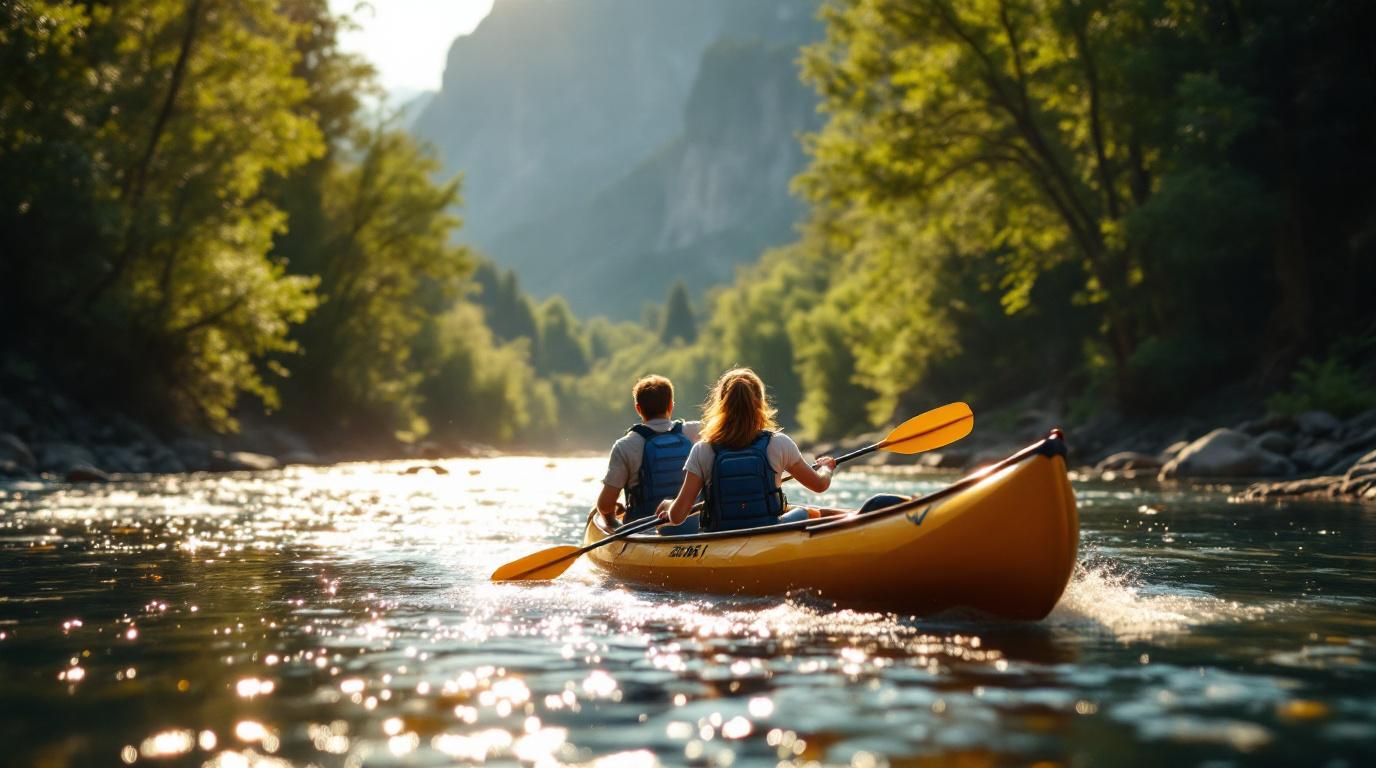
Safety starts with the right equipment. Life jackets are compulsory for everyone on board, including children and adults. Check that the life jackets are approved and fit properly. A poorly fitting life jacket offers less protection.
Make sure you have good travel insurance that covers water sports. Not all policies automatically include kayaking or canoeing. Read the terms and conditions carefully and, if in doubt, take out additional sports cover.
Bring a waterproof case for your phone so you can make a call in an emergency. Some routes pass through remote areas with limited mobile coverage, so take this into account when planning. Agree with your children what they should do if something goes wrong. Discuss situations such as becoming separated from each other or capsizing.
On the Traveler Tips website you’ll find more information about nature holidays, campervan trips and other types of active holidays. Discover handy routes, practical tips for on the road and checklists that help you prepare your next trip properly.
Frequently asked questions
For efficient transport of your own family kayak, a roof rack with good tie-down straps or a special kayak carrier on your car is the most practical option; check the maximum roof load in advance and protect the hull with foam or kayak supports. In many European regions (such as the Belgian Ardennes, the Pyrenees and the Croatian coast) you can easily hire kayaks locally at outdoor centres or campsites along popular rivers and coastal towns. Preferably look for certified providers with life jackets and child-friendly trips, and check recent reviews for reliability. Choose routes with calm water and easily accessible start and end points when you are paddling with children.
The Belgian Ardennes (Ourthe, Semois, Lesse) combine safe, relatively calm kayaking water with many child-friendly campsites, playgrounds and charming villages such as Durbuy. The Croatian Adriatic coast around Dubrovnik, among other places, offers guided sea kayaking tours in sheltered bays, with little beaches, swim stops and impressive historic towns. The Pyrenees (on both the French and Spanish side) have calm lakes and rivers for beginners, mountain villages, cable cars and nature parks for extra family activities. For those looking for more wilderness, the lake districts in Sweden/Finnish Lapland are attractive: calm waters, simple family campsites and the experience of unspoilt nature and Scandinavian culture.
Essential preparations include choosing child-friendly, gently flowing waters, booking reliable rental and accommodation in advance, and checking the weather, water levels and local regulations. Your safety checklist should include, for everyone, a well-fitting (CE-approved) buoyancy/life jacket, sun protection, drinking water, a waterproof first-aid kit, an emergency phone in a dry bag and basic instruction in paddling and capsize techniques. With young children, choose short stages, tandem kayaks, lots of extra breaks and always an adult in the rear seat; with teenagers you can plan longer trips, let them steer themselves and involve them in navigation and equipment checks. Before you leave, agree clear rules (always wear a life jacket, stay with the boat if you capsize, no moving around while standing) and check equipment, weather forecast and route again before every paddling day.
First plan a logical loop taking in family-friendly kayaking regions such as the Belgian Ardennes, the Pyrenees and, for example, the Croatian coast, and limit the daily distance so you drive no more than 3–4 hours of actual driving time. Choose departure and arrival spots on the water where there is rental, sanitary facilities and child-friendly activities nearby, and book campsites, cottages or family hotels in advance. Build in a rest day every 2–3 days at a place with a playground, swimming options or a little town, so the trip stays varied for children. Use route planners (e.g. Google Maps) to schedule practical stops at supermarkets, petrol stations and picnic areas close to motorways and water.