 NL
NL
Canoeing on rivers is a wonderful experience, but only safe if you wear a life jacket, check river conditions in advance, keep to the right where needed and paddle a route that matches your experience. The risk of capsizing is always there, especially with current, cold and obstacles such as fallen trees. With the right preparation and equipment, you can safely enjoy your canoe and kayak holiday on European rivers. Read on for concrete tips about currents, equipment and behaviour on the water.
Why preparation makes all the difference
A safe canoe trip starts at home, not at the water’s edge. Check the weather and water conditions before you set off. Rain and wind can quickly turn into dangerous situations, especially if the current increases or trees and branches are blown into the water.
Choose a route that matches your experience. Beginners are best off starting on calm, flat water or gently flowing rivers without rapids. More advanced paddlers can consider more challenging whitewater routes, but then with a helmet and extra knowledge of currents.
Do not go out on the water alone. Make sure everyone in the group can swim and that you agree on mooring points and breaks together. A group offers safety and practical help if something goes wrong.
‘ “This is not advice but a basic rule for every canoe trip.” ’
Life jackets and buoyancy aids are not optional
Always wear a life jacket or buoyancy aid, even if you are a strong swimmer. This is not advice but a basic rule for every canoe trip. Capsizing can always happen, even on calm water, and cold water increases the risk of exhaustion and hypothermia.
Make sure your life jacket fits well and is properly fastened. Children should always wear a suitable, highly visible life jacket. Preferably choose bright colours so that you are noticeable to other vessels, even on larger or more open waterways.
What to do if you capsize or overturn
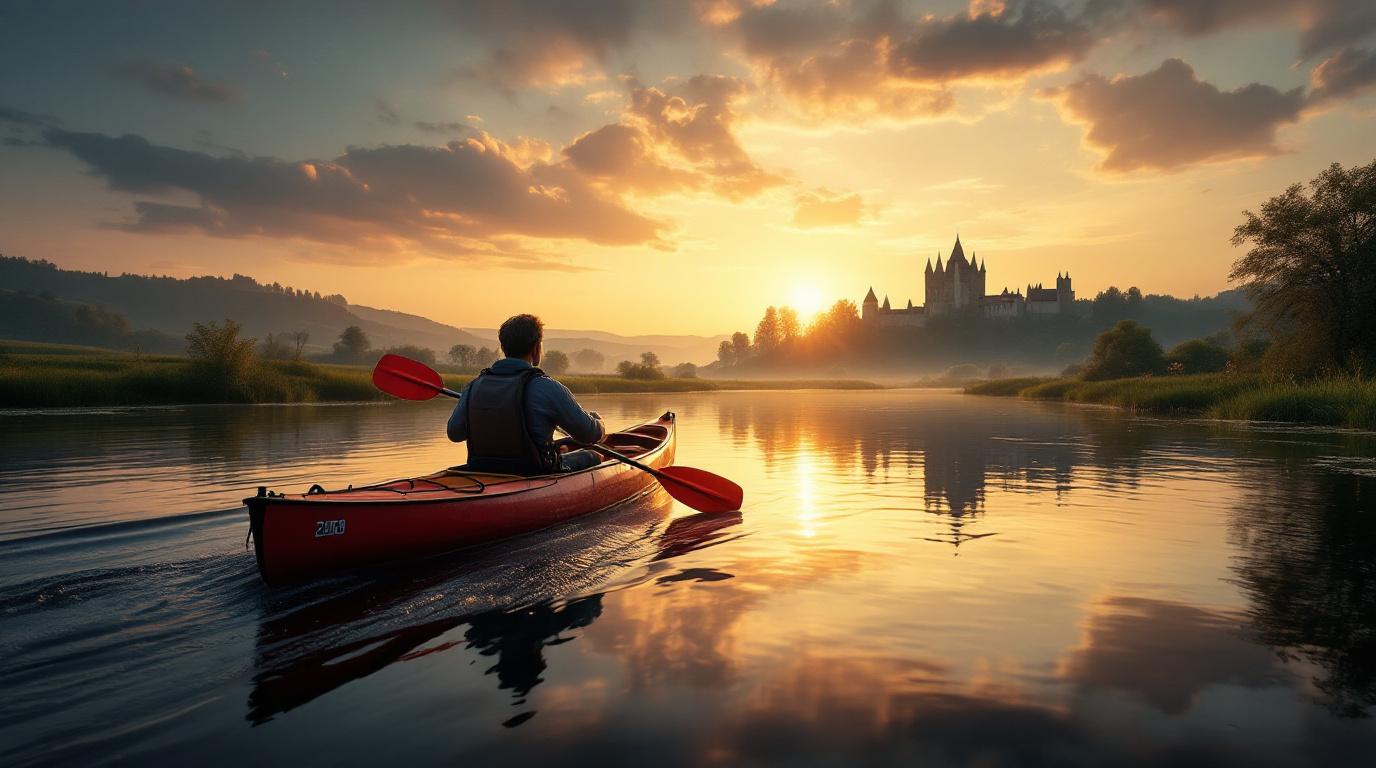
Capsizing can happen, even to experienced paddlers. Stay calm and grab your paddle immediately. Swim to the bank or stay with the canoe if it is still floating. Do not try to climb back in while in the middle of the river, as that takes a lot of effort and increases the risk of a second fall.
In cold water, speed is crucial. Do not waste time trying to save belongings. Swim straight to the bank and look for a place where you can get ashore safely. Help others in the group first before dealing with gear.
Practise beforehand how to get into and out of the canoe steadily at the water’s edge. That routine helps when you need to get back in after a fall.
Currents, trees and obstacles in the river
Current is the biggest challenge on rivers. Water moves faster than you think and pulls your canoe in a direction you cannot always correct straightaway. Start therefore on calm water and build up experience before seeking out stronger currents.
Fallen trees and branches in the water are a serious hazard. They can block your canoe or cause it to tip. Keep your distance and paddle around them where possible. Plan your route so you know where obstacles may occur, especially after storms or heavy rain.
For rapids or whitewater, a helmet and extra knowledge are essential. First learn basic manoeuvres such as steering, braking and turning before you venture onto that kind of water. Avoid rapids if you have not yet mastered the technique.
‘ The suction from a weir can pull your canoe under the water. ’
Locks, weirs and bridges demand extra attention
Locks, weirs and bridges are common obstacles on European rivers. At locks, keep to the right and follow the lock keeper’s instructions. Wait calmly until the lock opens and do not paddle too close to other vessels.
Weirs are dangerous. Never go beyond the marked line of buoys and always look for a safe landing point or portage route. The suction from a weir can pull your canoe under the water.
At bridges, follow the indicated navigation channel and watch out for current that may speed up under the bridge. Keep enough space and avoid bridge piers.
Keeping to the right and right of way on large rivers
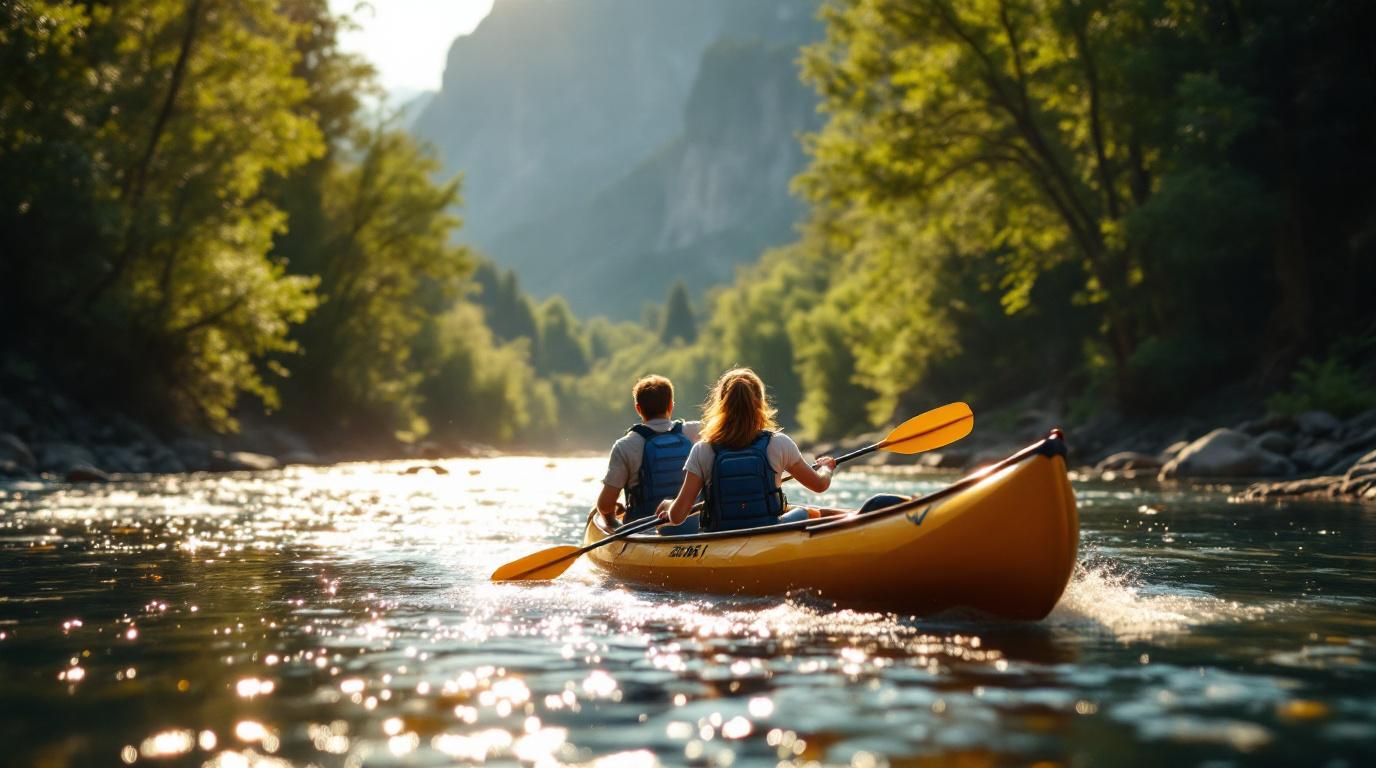
On larger rivers and open water you share the water with commercial shipping and motorboats. They have right of way. Keep to the right, stay close to the bank and choose your moment to cross carefully.
Wear bright colours so that other vessels can see you more easily. Look behind you regularly and listen out for engines. Only cross when you are sure that no fast-moving vessels are approaching.
Plan routes with little busy shipping traffic, especially if you are paddling with children or beginners. Quiet tributaries and canals offer more peace and less risk.
Clothing, equipment and emergency kit
Choose sportswear or swimwear that can get wet. Getting wet is normal when canoeing, even in summer. Wear water shoes or sandals with good grip so you can get in and out safely at the bank.
In colder conditions, take extra protection against cold and wind. Do not underestimate cold water. Even in summer, river water can be cold, especially on longer trips.
Take a dry bag or waterproof bag containing:
- Small first-aid kit with plasters, bandages and painkillers
- Plenty of water and energy-rich snacks
- Sun cream and sunglasses with a strap
- Map or route information, also available offline
- Mobile phone in a waterproof case
- Extra dry clothes in a waterproof bag
‘ Safety and enjoyment both increase when things stay relaxed. ’
Safe canoeing with children and beginners
Plan shorter sections with plenty of breaks if you are paddling with children or beginners. Base the route on the youngest and least experienced member of the group. Choose calm rivers with safe landing spots where children can play and stretch their legs.
Make sure children always wear a well-fitting, high-visibility life jacket. Explain in advance what they should do if they capsize and practise getting in and out together at the water’s edge.
Keep the pace low and watch for signs of tiredness. Stop in time and do not push anyone. Safety and enjoyment both increase when things stay relaxed.
Weather checks and group dynamics on the water
Check the weather just before departure and stay alert to changes during the trip. Wind can make paddling harder and create waves, even on rivers. In case of thunderstorms or strong winds, stop immediately and seek shelter on the bank.
Paddle as a group and agree to wait for each other regularly. Do not let anyone fall too far behind and maintain visual contact. Make clear arrangements in advance about the route, breaks and when and where you will get out.
On group trips, it is useful to have one experienced paddler at the front and one at the back. That gives guidance and oversight.
Discover more on Traveler Tips
On the Traveler Tips website you will find plenty more information about nature holidays, routes and preparation for active trips. Whether you choose a multi-day canoe tour, a European road trip or a walking holiday, here you will discover reliable tips that make your holiday more comfortable and smarter. Have a look around and get inspired for your next journey.
Frequently asked questions
Prepare by checking the river and conditions (water level, current, weather, possible locks/weirs) and choosing a route that matches your experience. Always wear a well-fitting life jacket, suitable clothing (preferably quick-drying) and take a waterproof bag with a first-aid kit, drinks, snacks, map/route information and sun cream. Check your canoe and paddle for damage, make sure luggage is properly secured and that your phone or emergency device is stored waterproof but remains accessible. Ideally, do not go out alone; share your plan and expected return time with someone and practise basic manoeuvres (steering, braking, mooring) before you start out on the unfamiliar river.
Research in advance the flow speed and water level (including recent rainfall and any high-water warnings), as these determine how powerful and dangerous the water is. Look at the river profile and obstacles: bends, narrow sections, rocks, tree trunks, bridge piers, weirs and waterfalls or strong eddies. Check for the presence of locks, weirs and commercial shipping and how the navigation route is arranged there (lines of buoys, no-go zones, portage points). Finally, look at the accessibility of banks and landing places, so that you can get ashore or carry around safely if problems arise.
Always take a well-fitting life jacket or buoyancy aid for everyone and check the fastenings and buoyancy. Make sure you have a basic first-aid kit, emergency signal (whistle), waterproof storage for your phone or route information and enough drinking water. Take appropriate clothing (in cold conditions possibly neoprene/rain jacket) and check that everything is dry and intact. On whitewater or where there are rapids you should also have a well-fitting helmet, which you check in advance for cracks or damage.
Always wear a life jacket, stay with your canoe as much as possible and count all people immediately if something goes wrong. Know the basic emergency procedures: paddle to the bank against the current, keep your distance from weirs, bridge piers and obstacles, and never paddle close to or over a weir. Agree a simple emergency plan in advance (where you gather, who calls the emergency services, which route back is safe) and make sure at least one person in the group has first-aid knowledge. Before departure, check river conditions and weather, and turn back if there is a thunderstorm, a sudden rise in water level or if conditions clearly become more difficult than your level.
Write down your recent experience honestly: how often you paddle per year, in which conditions (still water, light current, obstacles) and which techniques you have mastered (steering, braking, rescues after capsizing). Beginners and paddlers who feel unsure should be on flat or gently flowing water without obstacles or commercial shipping; here you can practise balance, getting in and manoeuvring. If you already have good boat control on gently flowing water, you can carefully choose rivers with somewhat stronger current, but still without serious rapids or weirs. Only move on to wilder water or strong currents once you have learned techniques for moving water under supervision and always paddle with a helmet, life jacket and experienced companions.