 NL
NL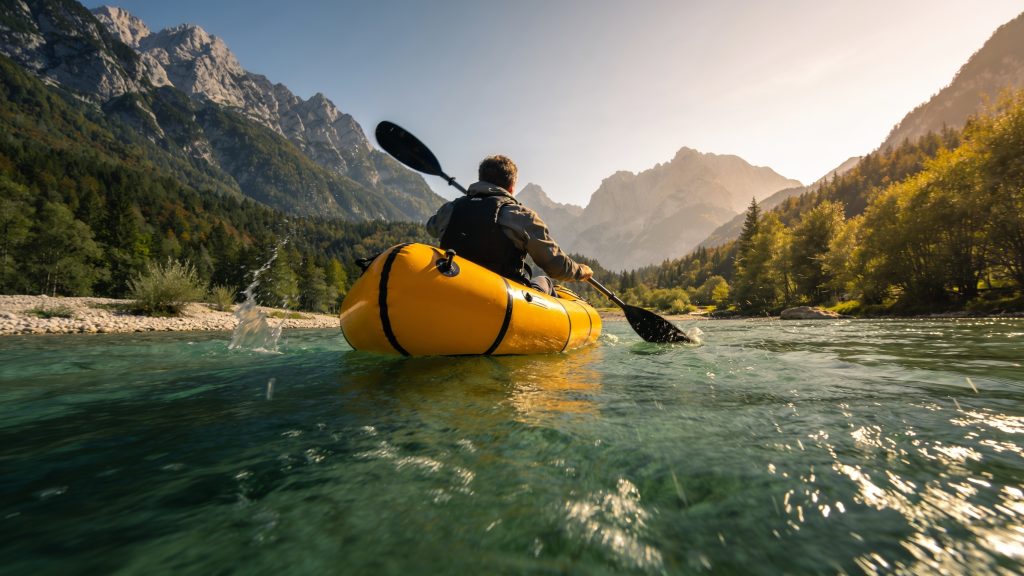
The Packraft Trail Slovenia combines the best of two worlds: tough mountain hikes in Triglav National Park and paddling on the emerald-green Soča river. This multi-day trip requires a good level of fitness, but offers a unique way to discover Slovenia’s most iconic natural areas. For travellers looking for a water holiday by canoe or kayak with a sporty twist, this is a journey that will stay with you for a long time. Read on to discover what makes this route so special.
What is the Packraft Trail in Slovenia?
The Packraft Trail Slovenia is a self-guided multi-day route. You alternate hiking with paddling in a packraft. A packraft is a lightweight inflatable boat that you can carry in your rucksack, ideal for routes that combine water and land. Most versions of this trail last 7 days and take you through Triglav National Park and the Soča Valley.
The route covers around 85 kilometres, roughly 55 kilometres on foot and 30 kilometres on the water. You usually start near Bohinj and finish in the Tolmin area. Because your start and end points are different, you need to plan your transport carefully. You cannot simply drive your car back to the same spot, so arrange a transfer in advance or park smartly.
The trip is set up with support. You receive briefings and an app with route information. Often there is also luggage transport between overnight stops. This means you hike and paddle during the day with light gear, while your heavier luggage is transported for you. The route is self-guided, but you do get a thorough introduction to packrafting before you set off on the actual trail.
‘ This makes the river one of the most photographed natural areas in Slovenia. ’
The Soča river as the highlight of the route
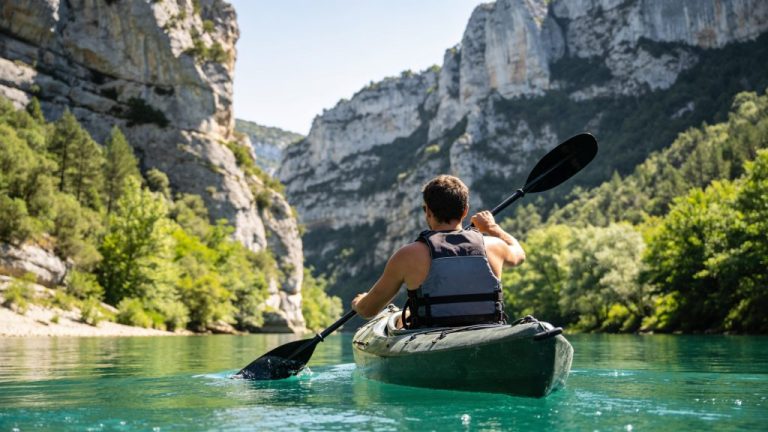
The Soča river is the visual highlight of this trail. The water ranges from clear turquoise to deep emerald green, framed by mountain walls and dense forests. This makes the river one of the most photographed natural areas in Slovenia. For packrafters, the Soča offers a mix of calm stretches and moving water. This depends on the season and the section you are paddling.
The river is popular with kayakers, rafters and hikers, especially in the summer months. On the Packraft Trail you use the river as a means of transport, but also as part of the landscape that you experience very intensely. You paddle between rocks, pass crystal-clear pools and float through narrow gorges. The paddling itself is accessible for beginners, provided you follow the instructions and the weather cooperates.
How do I paddle the Soča river with a packraft?
Before you start the trail, you take a packraft course. This course covers the basic skills such as getting in and out, steering, keeping your balance and paddling safely in moving water. You also learn how to inflate, fold and carry the packraft during the hiking sections. This introduction usually takes half a day and takes place at the start of the trip.
During the paddling stages on the Soča there are different levels of guidance. Some stretches you paddle completely independently. Other sections are guided. Sometimes you are given clear instructions in advance. The route is designed so that you gradually build up your confidence. You start with calmer sections and work up to slightly more challenging parts.
The main points of attention for safe packrafting are:
- Always wear a buoyancy aid, even on calm stretches
- Check the weather forecast and water levels in advance
- Stay alert to rocks, currents and other paddlers
- Follow the instructions from your briefing or guide
- Bring a waterproof bag for your belongings
Daily schedule Packraft Trail Slovenia
The route is spread over several days, each with a mix of hiking and paddling. The daily schedule varies per operator and season. The following structure is common for a 7-day trail:
- Day 1: Arrival, introduction and packraft course. You build confidence in a calm setting and test the equipment.
- Day 2–3: Hiking through the Triglav area with rucksack and packed-away packraft. These days are physically demanding. You walk through mountainous terrain and have a lot of climbing to do.
- Day 4–5: Alternating hiking and paddling. You use the packraft for shorter stretches on the Soča and hike between the paddling sections.
- Day 6: Longer paddling stage on the Soča, often the most iconic part of the trip. You paddle through gorges and enjoy the clear water and the surrounding mountains.
- Day 7: End of the route, look back at the trip and transfer to the finishing point.
Many participants find the hiking days tougher than the packrafting itself. The mountain section requires good fitness and sturdy hiking boots. Allow for an average of 4 to 7 hours of walking per day, depending on your pace and the terrain. The paddling days are less intense for your legs, but they do require concentration and balance.
‘ Always take waterproofs and warm layers with you. ’
Best time to travel for the Packraft Trail
The Packraft Trail Slovenia is best tackled from early June to mid-September. During this period the weather conditions are more stable and the water level of the Soča is suitable for packrafting. Outside this season the river can be too high or too cold, or mountain paths may still be covered in snow.
June and September are often more pleasant than July and August. In the summer months the Soča Valley is busier and temperatures can rise considerably. In June nature is still fresh and green; in September the colours in the mountains are warmer and the peace has returned. Bear in mind that mountain weather can be changeable, even in summer. Always take waterproofs and warm layers with you.
Who is this trip suitable for?
The Packraft Trail is suitable for sporty travellers. They enjoy outdoor activities and appreciate a combination of hiking and paddling. You do not need any experience with packrafting, but good fitness is essential. The hiking days in the Triglav area are demanding and call for stamina and some mountain experience.
This trip is a good fit for travellers who:
- Are looking for an independent yet organised outdoor experience
- Have no problem with several days of physical effort
- Want to camp or stay in mountain huts
- Enjoy varied landscapes and an immersive nature experience
- Are willing to step outside their comfort zone without taking extreme risks
The route is not suitable if you are only interested in the water or have little hiking experience. The mountain section is a substantial part of the trip and should not be underestimated.
Practical tips for your preparation
Start with your fitness. Train in advance by hiking in hilly terrain and practise with a full rucksack. Even if luggage transport is arranged, you will still be carrying water, waterproofs and personal items during the day. Good hiking boots with proper ankle support are essential, as are quick-drying clothing and a waterproof jacket and trousers.
Make sure your transport is well organised. The start and end points of the route are not in the same place. Arrange a transfer or park your car somewhere you can easily reach it at the end of the trip. Some operators organise this for you, but always check this in advance.
Book early, especially if you want to go in July or August. The Soča Valley is a popular destination and places on guided trails or in accommodation fill up quickly. Compare different operators in terms of guiding, equipment hire, luggage transport and insurance.
Also take a waterproof bag or drybag for your phone, wallet and other items that must not get wet. A small first aid kit, sun cream and insect repellent are useful too.
‘ Discover more and get inspired for your next outdoor adventure. ’
Discover more on TravelerTips
The Packraft Trail Slovenia is just one of many options for an outdoor trip with water and nature. On the TravelerTips website you will find extensive information about other canoe and kayak trips, routes through mountain areas, tips for independent travel and practical guides for planning your next journey. Discover more and get inspired for your next outdoor adventure.
Frequently asked questions
First plan your route based on the 7-day Packraft Trail (approx. 55 km hiking and 30 km packrafting) between Bohinj/Laski Rovt and Tolmin, so you know where you start and finish each day. Then sort out your transport: travel by car or public transport to the starting point and arrange a transfer or second car at the end point in the Soča Valley. Book overnight stays along the route (campsites, mountain huts or simple guesthouses) well in advance, especially in high season. Hire a packraft, paddle, helmet and life jacket from an outdoor operator in the Soča Valley, ideally including a short safety briefing or course.
The ideal time to travel for a packraft trail on the Soča is from early June to mid-September, when the route is organised and conditions are usually most favourable. During this period you can generally expect relatively stable summer weather with pleasant temperatures in the valley. The shoulder seasons (June and September) are often a bit quieter than July and August, with water levels that are still suitable for packrafting. At this time of year the water level is usually fed by meltwater and rainfall, making the river nicely navigable but less extreme than in early spring.
For packrafting on the Soča you may only paddle on the officially permitted river sections, and you will usually need a local river permit or must book via a licensed operator/guide; check this in advance with local outdoor companies in the Soča Valley. Wild camping is prohibited almost everywhere in Slovenia (and certainly in and around Triglav National Park), so you are dependent on official campsites or mountain huts along the route. In high season, reserve your campsites/huts and any packraft equipment and guides well in advance. Shortly before departure, check the latest regulations on the websites of Triglav National Park and the Soča Valley municipality, as permits and permitted sections can change from season to season.
Essential items include a reliable packraft with paddle, buoyancy aid and helmet, a waterproof rucksack or drybags, good hiking or mountaineering boots, waterproofs and warm layers, and basic camping and safety gear (such as a first aid kit). Many organised packraft trails in the Soča Valley offer packraft, paddle, helmet and sometimes buoyancy aid for hire or included in the package. Hiking and camping gear (boots, clothing, sleeping bag, mat, personal equipment) generally need to be brought by yourself. Always check with each operator in advance exactly which equipment is included or available to hire locally.
The most commonly used multi-day packraft trail along the Soča follows a 7-day route from the Bohinj/Laski Rovt area via Triglav National Park to the Soča Valley, ending around Tolmin. This trip combines roughly 55 km of mountainous hiking sections (mainly around the Triglav massif and the approach to the Soča) with about 30 km of packrafting on the Soča itself. The river sections are chosen so that, in terms of water level and difficulty, they are manageable for sporty beginners with a short packraft introduction. Along the route you usually stay at campsites and/or mountain huts, allowing you to divide the stages into alternating hiking and paddling days.
In addition to packrafting, hiking in Triglav National Park and along the river itself is particularly worthwhile in the Soča Valley, with viewpoints and waterfalls. You can also go rafting or kayaking on other river sections, or try canyoning and ziplining for an extra adrenaline boost. Culturally, the small villages and towns in the valley are interesting for their local cuisine and history. Together, these activities create a varied outdoor and nature experience around the Soča.