 NL
NL
November to March offers optimal ice conditions and wildlife activity for South Pole expeditions with Zodiac landings and penguin colonies. The Antarctic cruise season is short but intense, with each month revealing a different face of the White Continent – from untouched snowy landscapes to humpback whales surfacing between ice floes. Find out when you should depart for your ideal expedition.
The Antarctic cruise season in a nutshell
Antarctica is only accessible to tourists from late October to early March, during the southern summer. Outside this period, temperatures are too low, the ice is too thick and the days are too short for safe navigation. Only scientific bases remain active all year round. Most expedition cruises depart from Ushuaia in Argentina and sail via the Drake Passage to the Antarctic Peninsula.
During the season, temperatures fluctuate between -2°C and +8°C. Wind can push the wind chill down to around -18°C. In December and January you enjoy 24-hour daylight, which allows for longer excursions. Your choice of month depends on your priorities: wildlife, scenery, photography or budget.
‘ December is often seen as the best all-round month for an expedition cruise thanks to the balance between weather, wildlife and accessibility. ’
Month by month: the Antarctic season
Late October to early November
The first weeks of the season offer pristine white landscapes with thick layers of snow. Penguins start breeding and begin building their nests. This is the quietest period, with fewer ships and lower prices. Temperatures are around freezing and the days are shorter than later in the season.
Be prepared for possible ice blockages that can delay routes. This period is ideal for travellers who want to see Antarctica in its most original, wintry form and who are looking for lower costs.
November to December
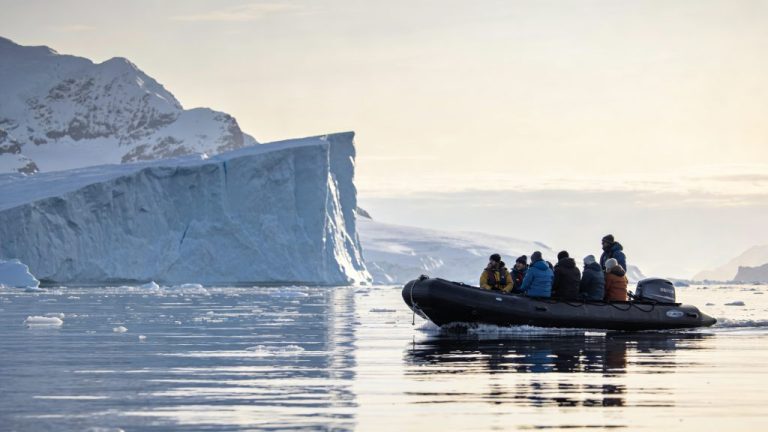
Penguin colonies come to life. Adult birds incubate their eggs and activity in the colonies increases rapidly. The days get longer and temperatures rise. The ice melts further, making more locations accessible for Zodiac landings.
These months offer a good balance between wildlife activity and affordable prices. From late November, prices gradually rise as it gets busier. Families and first-time visitors often choose this period because of the mix of action and relatively predictable weather conditions.
December to January
This is the warmest part of the season, with temperatures up to about +5°C. You experience 24-hour daylight, which gives you maximum time for excursions. Seals and whales are present in large numbers. These months are best for cruises that cross the Antarctic Circle, as the ice has retreated the most.
The bright sun and reflection of snow and ice make a good pair of sunglasses essential. December is often seen as the best all-round month for an expedition cruise thanks to the balance between weather, wildlife and accessibility. Prices, however, are at their highest level of the season.
January to February
Young penguins leave the nests and learn to swim. The whale season reaches its peak, especially for humpbacks in areas such as the Lemaire Channel. The warmest sea temperatures attract krill, which in turn draws more whales. This is the key period for anyone keen to spot whales.
The snow cover becomes thinner and the landscape takes on a browner tone. For photographers this is less attractive than the whiter months, but the wildlife opportunities more than make up for it.
February to March
The end of the season is characterised by dramatic light and golden conditions for photography. Young seals and penguins are active, and whale sightings remain spectacular. Because the ice has warmed and receded, more excursion locations are accessible than earlier in the season.
The days grow shorter and the number of ships decreases. This makes February and March attractive for travellers seeking tranquillity and looking to capture dramatic late-season colours. Prices can drop towards the end of March as the season winds down.
Which month matches your travel wishes?
Your choice depends on what you want to experience. For wildlife diversity and all-round experiences, December is the best option. Whale watchers opt for January or February. Photographers interested in spectacular light and colours usually go in February or March.
Budget travellers with flexibility book early in the season, in October or November, or right at the end in March. Bear in mind that early and late months bring a higher chance of ice-related delays and shorter days. Those who want the maximum excursion time choose the months with 24-hour daylight: December and January.
Practical tips for your Antarctic expedition
What should you pack?
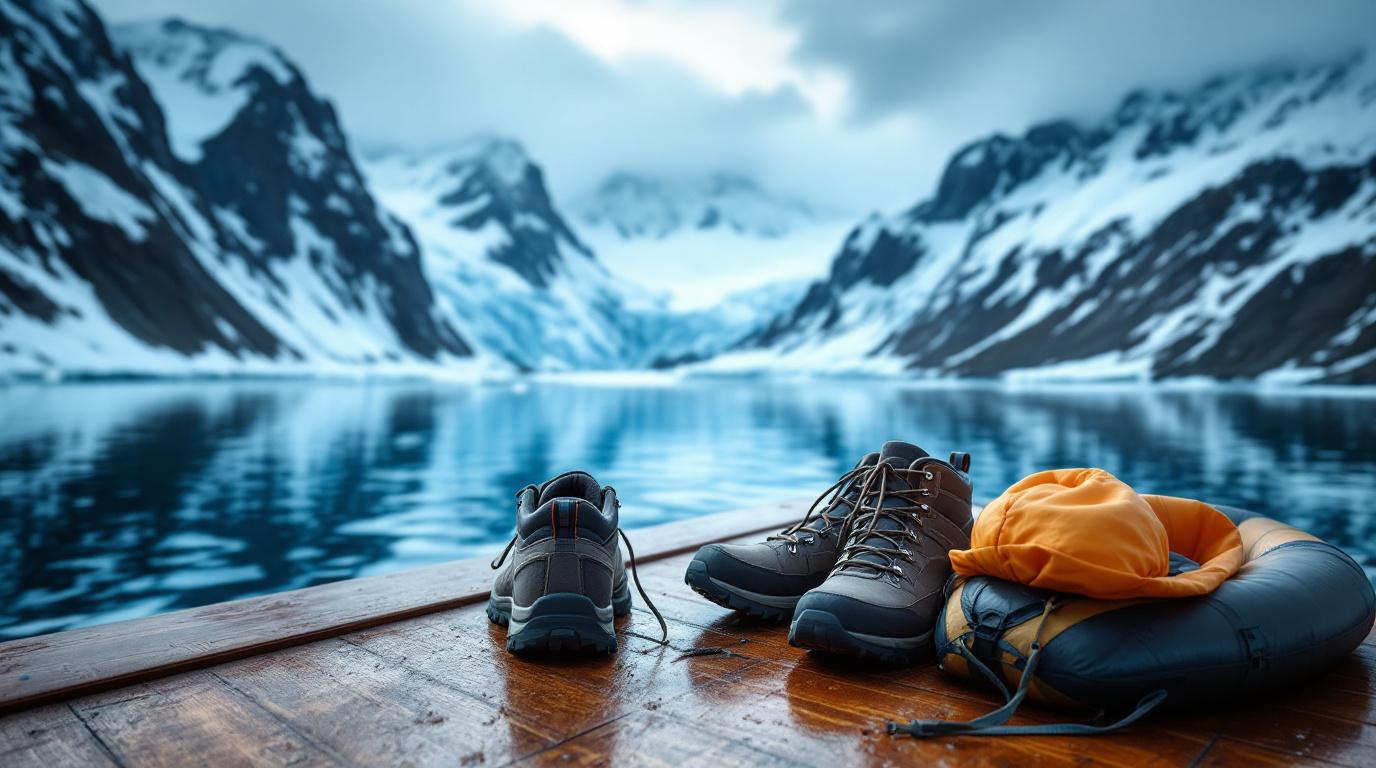
The weather is changeable, even in the summer months. Dress in layers, with merino wool as a base layer. Bring waterproof trousers and a waterproof jacket, as Zodiac rides take you close to the water. Wind chill can significantly lower how cold it feels, so warm gloves and a buff or neck gaiter are essential.
UV radiation is extremely strong because of the reflection from ice and snow. High-factor sun cream and good sunglasses with UV protection are a must. Photographers are best off bringing a tripod, as whales and other animals sometimes surface unexpectedly close by.
Activities and ship selection
Most expedition cruises offer Zodiac rides, walks on the ice and educational lectures. Some ships have a basecamp concept with extra activities such as kayaking, snowshoeing and camping on the ice. Choose a ship with a maximum of 200 passengers for optimal landing opportunities in line with the guidelines of IAATO, the international association for responsible Antarctic tourism.
Duration and route
Cruises typically last 10 to 20 days. Shorter trips of around 10 days focus on the Antarctic Peninsula. Longer expeditions of 18 to 20 days often include South Georgia, an island with enormous king penguin colonies and historic whaling stations.
Most cruises start in Ushuaia, the southernmost city in Argentina. Crossing the Drake Passage takes about two days and can be rough. Some operators offer flights to King George Island to bypass the Drake Passage, which saves time but increases costs.
Booking and budget
Prices range from around €8,000 to €20,000 per person, depending on the ship, cabin type and season. December and January are the most expensive. Ideally, book 1 to 2 years in advance for smaller ships, as these sell out quickly. Last-minute deals do exist, but only suit travellers with complete flexibility.
IAATO certification is important for sustainable expeditions with minimal impact on this fragile ecosystem. Drones are not permitted in Antarctica. Before departure, check that your vaccinations are up to date and consult the latest travel advisories.
‘ Whales arrive later in the season, from December onwards, and stay until March to feed on krill in the warmer waters. ’
Wildlife and the seasonal cycle
Wildlife activity follows a clear pattern. Penguins breed in November and December, with eggs hatching into chicks. In January and February the young grow and learn to swim. Whales arrive later in the season, from December onwards, and stay until March to hunt krill in the warmer waters.
Seals are present throughout the season, but you will mainly see young seals in February and March. Seabirds such as albatrosses and petrels are abundant throughout the whole period, with peak numbers in January and February.
Discover more about expedition cruises
Antarctica is a destination that exceeds expectations. The combination of wildlife, icy landscapes and a sense of untouched nature makes every expedition special. On the Traveler Tips website you will find much more information about expedition cruises, routes, destinations and practical preparation for your next trip. Discover what is possible and plan your next journey smartly and consciously.
Frequently asked questions
In the early summer season (late October–November) you mainly observe pristine snowy landscapes and the first breeding penguins, with peaceful walks and Zodiac cruises. In November–December, penguin colonies are at their most active with nest building and incubation, ideal for landings, photography and kayaking trips. Around December–January you see the highest numbers of seals and the whale season begins, with 24-hour daylight for intensive excursions, Antarctic Circle voyages and longer hikes. In January–March, young penguins and especially whales (such as humpbacks) take centre stage, with many Zodiac safari outings and excellent conditions for wildlife photography.
In the early season (late October–November), colder temperatures, more sea ice and shorter days limit access to some landing sites, but they also provide pristine snow and a more intimate, rugged experience. In December–January, milder temperatures, 24-hour daylight and fewer ice formations make most landing sites easily accessible and increase comfort both on board and during landings. In February–March, the ice is often at its most retreated, which improves access to more remote locations, but daylight hours decrease and the climate feels a little harsher, although it remains relatively mild. Overall, longer daylight, less sea ice and more stable weather increase the flexibility of the landing schedule and the overall level of comfort each month.
In the early season (late October–November), prices are lower and it is quieter ashore, but there are fewer ships and ice can restrict the route. In the peak months of December–January you pay the highest prices and it is busier at landings, but you also have the largest choice of ships and the best combination of weather and wildlife. In February–March, prices often drop slightly again, it is quieter and you have top chances for whale sightings, although the days are shorter and the end of the season is approaching. A ‘smart’ trip therefore means choosing between cheaper and quieter with a risk of ice delays (early/late season) or more expensive and busier but with optimal conditions and availability (high season).
For pure white, still untouched snowy landscapes, late October to early November is ideal. For the best chance of lots of whale sightings, January through to March is ideal, with a peak in February. If you mainly want to see penguin chicks, choose January or February.