NL
NL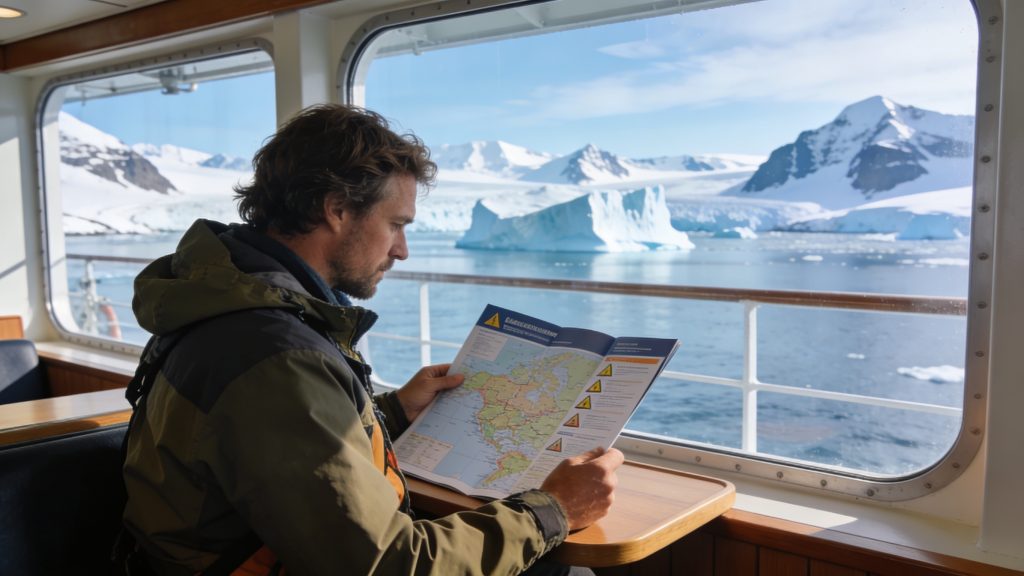
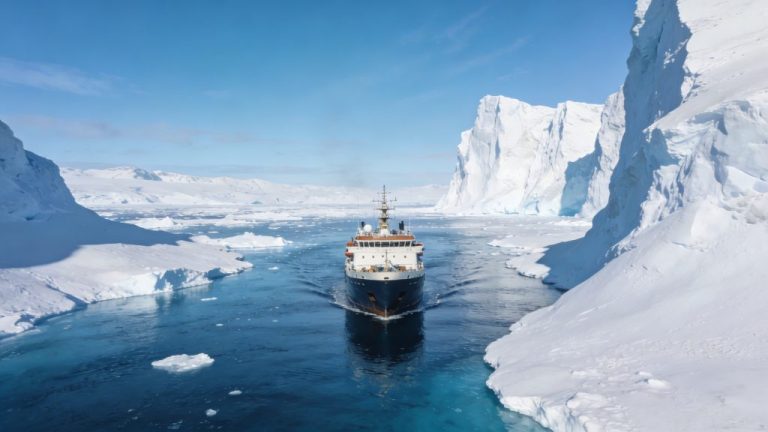
Expedition cruises to remote polar regions are among the safest ways to travel, thanks to strict international safety rules and protocols. The IAATO protocols (an industry association for Antarctic tour operators) limit landings to a maximum of 100 people, require biosecurity measures and prioritise a safe distance from wildlife. For you as a traveller, this means you need to prepare properly and follow specific rules. Discover which safety regulations apply and how to prepare in the best possible way.
Why are safety protocols on expedition cruises different?
Expedition cruises sail to extreme, remote areas such as Antarctica, the Arctic region and Norway. These destinations have special requirements in terms of safety and environmental protection. International conventions such as SOLAS (Safety of Life at Sea, an international convention on the safety of people at sea) and the guidelines of the International Maritime Organization (IMO, the UN maritime organisation that sets international shipping regulations) form the basis, but specific organisations such as IAATO impose additional rules.
These protocols protect not only you as a passenger, but also the fragile ecosystems. Strict biosecurity rules help prevent the introduction of invasive species, diseases or bacteria. In addition, landing rules limit the impact on wildlife and ensure that animals are not disturbed. The combination of harsh conditions and nature conservation makes preparation essential.
Mandatory safety drills on board
Every expedition cruise starts with a mandatory lifeboat drill, also known as an emergency drill. This must take place within 24 hours of embarkation, often even before departure. This is required by law under SOLAS regulations and applies to all passenger ships.
During the drill you will learn the following:
- How to put on a life jacket correctly
- The location of your muster station (assembly point in an emergency)
- The route to your assigned lifeboat
- The alarm signal: 7 short blasts followed by 1 long blast
Captains can organise additional drills during the voyage, such as fire drills or evacuation simulations. These are always announced in advance. Take these drills seriously, even if you are experienced. Each ship has a unique layout and each cabin has a specific assembly point. Children are given special life jackets adapted to their weight.
Clothing rules for Zodiac trips and landings
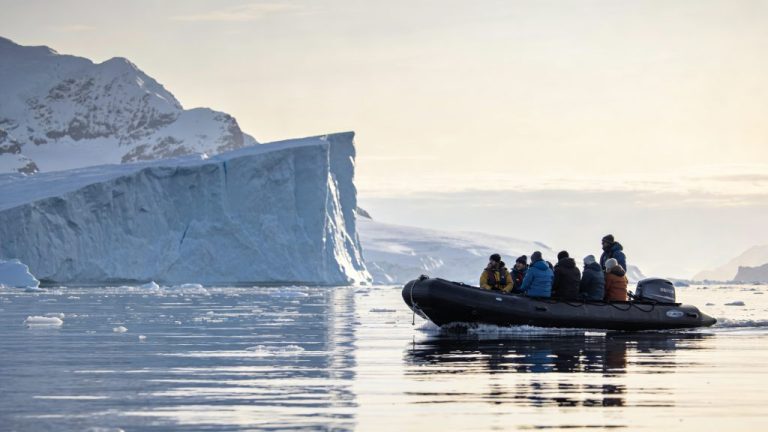
Zodiac trips and landings are the highlight of expedition cruises, but they have strict requirements for your gear. These rules are there to prevent hypothermia and illness, and to avoid contaminating ecosystems.
What are you required to wear?
Waterproof clothing is mandatory for Zodiac trips. This means a fully waterproof jacket and trousers, not just water-repellent. In Norway this is even required by law. Wet clothing significantly increases the risk of hypothermia, even at temperatures above freezing.
In addition, you will need:
- Rubber boots (often rented out by the cruise line)
- Thermal base layer and warm mid layer
- Waterproof gloves
- Hat or head covering
- Sunglasses with category 4 lenses (UV radiation on ice is intense)
- Red parka (often provided by the cruise line)
Check your cruise line’s packing list in advance and rent or buy any missing items beforehand. Luggage is often weighed and cabin space is limited. Expedition leaders will check your outfit before departure and will not let you join if it does not meet the requirements. This is not a formality, but a medical necessity.
IAATO protocols for Antarctica
Antarctica falls under the Antarctic Treaty System and is managed according to strict environmental and safety rules. IAATO translates these rules into concrete protocols for tour operators and passengers.
Maximum 100 people per landing
For landings in Antarctica, a maximum of 100 people may go ashore at the same time. Ships with more passengers work with rotations. This limits the pressure on fragile areas and helps prevent disturbance to breeding colonies and animal resting places.
Keeping your distance from wildlife
Minimum distances apply to all animals. For penguins and seals you must keep at least 5 metres away. For whales and other marine mammals, a larger distance often applies. If an animal comes towards you, you must slowly move back. Feeding, touching or luring animals is strictly prohibited.
Biosecurity measures
Before every landing, your boots and clothing must be cleaned and disinfected. This prevents seeds, bacteria or invasive species from being carried in. Check your pockets for food scraps, seeds or soil. Bringing non-native materials can lead to exclusion from landings.
Rules for polar bear encounters in the Arctic region
In the Arctic region, particularly around Svalbard and Greenland, polar bears pose a real safety risk. Expedition leaders are therefore always armed and trained in wildlife management.
The following rules apply to you as a passenger:
- Never leave the group and do not walk off on your own
- Follow instructions from expedition leaders immediately
- Keep at least 30 metres away from polar bears, unless instructed otherwise
- Do not make sudden movements and do not run
- Stay calm if a polar bear approaches the group; leaders will direct you to a safe position
In Norway you are not allowed to enter certain areas without armed accompaniment. Cruise lines work with certified guides who can assess polar bear behaviour and act preventively. Despite the firearms, polar bears are never shot except in the most extreme emergency. Warning shots and signals are always used first.
Health and screening protocols
Modern expedition ships are equipped with full medical facilities and trained staff. Many cruise lines carry out health checks to minimise the risk of infection.
What you can expect:
- Temperature checks on arrival and sometimes daily during the voyage
- COVID tests or other screenings before embarkation and during the voyage
- Isolation in case of suspicious symptoms of illness
- Cooperation with local authorities in medical emergencies
Report medical conditions when booking. Travel insurance with repatriation cover is essential. Evacuations from remote polar regions are complex and expensive. Take sufficient medication with you, including spares, and keep prescriptions in your hand luggage.
Navigation and emergency procedures at sea
Expedition ships are equipped with advanced navigation systems and redundant safety systems. This goes beyond the minimum SOLAS requirements. Think of back-up systems for navigation, fire-fighting and evacuation.
Illuminated floor strips in the corridors guide you to emergency exits, even in a power cut. Life jackets are stored in your cabin or near the lifeboats. Procedures are covered during drills. In Norway you are not allowed to leave the ship without the proper clothing. Captains can cancel excursions in the event of bad weather or dangerous ice conditions.
Since the Titanic disaster, ships have been designed with sufficient lifeboats for at least 100 per cent of passenger capacity, often more. Expedition ships also have fast Zodiacs for evacuation in ice-covered areas where larger vessels cannot go.
‘ Biosecurity rules are not optional; violations can lead to exclusion from landings or fines. ’
Practical tips for a safe expedition cruise
Good preparation makes the difference between a comfortable journey and a challenging experience. Start by studying your cabin plan and the routes to your muster station. This saves time and stress in an emergency.
Always follow the instructions of expedition leaders. They know the conditions, the weather and animal behaviour. Biosecurity rules are not optional; violations can lead to exclusion from landings or fines.
Download satellite weather apps for polar regions. Excursions depend on ice conditions and weather, which can change quickly. Practise wearing multiple layers of clothing at home. This prevents you having to experiment while you are away. Take seasickness tablets; Zodiacs can rock considerably in the waves.
Choose cruise lines with IAATO certification. This guarantees safe, environmentally friendly landings and compliance with international protocols. Also check whether the ship meets the latest IMO requirements for Polar Code certification (specific safety and environmental requirements for ships in polar regions).
On the Traveller Tips website you will find extensive information about cruises, preparation for special destinations, packing lists and travel planning. Discover more articles and tools to prepare for your trip in the best possible way.
Frequently asked questions
Check whether the cruise line and the ship comply with international maritime safety standards such as SOLAS and IMO regulations, and whether the ship has been inspected by a recognised classification society (e.g. DNV, Lloyd’s Register, Bureau Veritas). For polar regions, membership of organisations such as IAATO (Antarctica) or AECO (Arctic region) is important, as they enforce strict safety and environmental rules. Also look at certifications relating to crew training, emergency and evacuation procedures, and medical facilities on board. Finally, it is a plus if the cruise line can demonstrate that it applies safety standards that go beyond the legal minimum (for example, extra rescue equipment and dual navigation and communication systems).
Before departure, make sure you have a good basic level of fitness, for example by walking regularly or taking the stairs, so you can comfortably take part in landings and Zodiac trips. Prepare your clothing and equipment carefully: a fully waterproof jacket and trousers, warm layers, rubber boots, hat, gloves and good sunglasses to protect against cold and hypothermia. If necessary, take seasickness medication and personal medicines with you and report existing medical conditions to the cruise line in advance. Take out travel insurance with medical cover and repatriation, as (polar) rescue operations can be extremely expensive.
On expedition cruises to remote areas, additional and stricter safety protocols apply than on regular cruises, especially for landings and Zodiac excursions. Passengers must comply with mandatory clothing and equipment requirements (such as fully waterproof clothing, boots and thermal layers) and are actively checked on this. Landings take place only via strictly organised excursions led by trained guides, with limited group sizes and clear biosecurity and distancing rules. In addition, the captain and expedition leader may cancel landings at the last minute due to unfavourable weather or ice conditions, which is less common on regular cruises.
The right policy is a specialised expedition or polar travel insurance. This usually covers medical emergencies, repatriation, rescue and evacuation costs and unforeseen delays specifically in remote areas.
Expedition cruises operate under strict safety protocols, including mandatory emergency and lifeboat drills and the captain’s right to cancel landings or Zodiac trips immediately if the weather deteriorates unexpectedly. Ships are equipped with back-up systems for navigation and evacuation, and there are clothing and equipment requirements (such as fully waterproof clothing) so that passengers are protected against cold, wind and waves. During excursions ashore or in Zodiacs, passengers must always follow the instructions of certified guides and keep a minimum distance from wildlife, with guides intervening if animals appear stressed. In addition, there is a medical centre on board and there are clear routes and muster stations so that, in the event of sudden emergencies, action can be taken quickly and in an orderly way.