 NL
NL
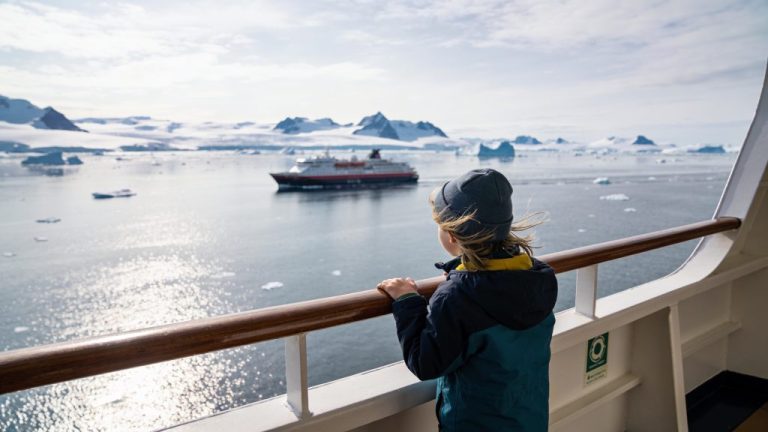
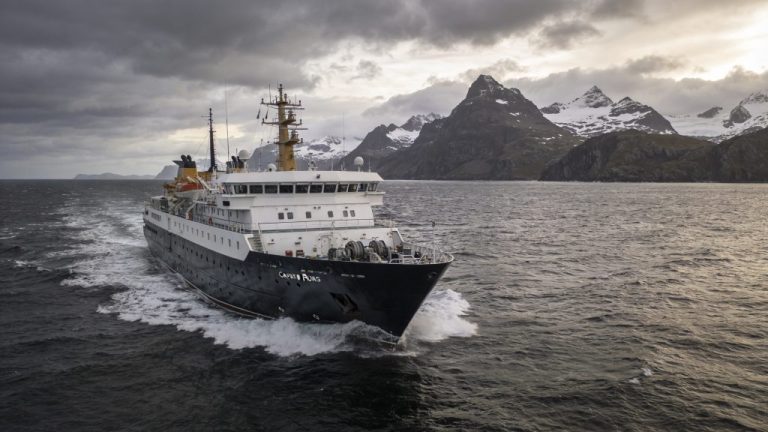
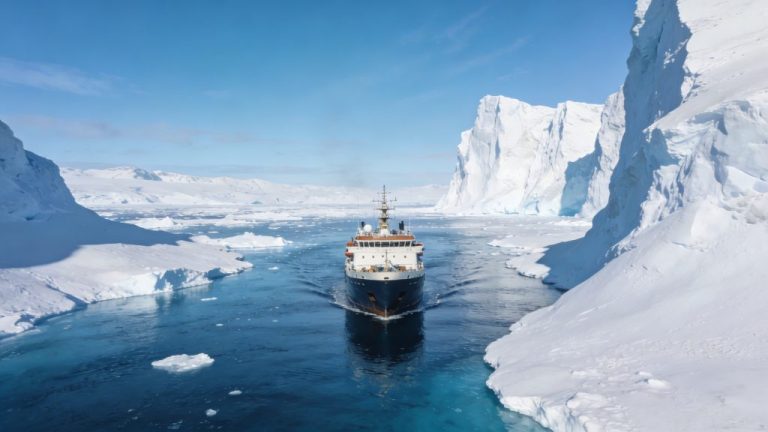
Your first expedition cruise is fundamentally different from a traditional cruise. Build up your fitness in good time. Pack flexibly for changing conditions. Prepare for schedule changes caused by unpredictable weather and ice conditions. Expedition cruises take you to remote polar regions or tropical locations with small ships, zodiac excursions and a focus on nature and wildlife. This journey requires a different kind of preparation than you may be used to. Discover what you really need to make the most of this unique experience.
Physical preparation is essential
Start a training schedule at least six weeks before departure. The physical demands of an expedition cruise are high. You will regularly take walks of several kilometres over rough terrain, rocks and steeply sloping landscapes. Focus on cardio and leg muscles. Go for weekly walks with increasing distances and carry the backpack you’ll also be taking on your trip. Where possible, also train on uneven surfaces.
Many travellers underestimate the impact of early starts and active days. This is a common mistake. Morning excursions often depart around 7:00 am. You may be out and about until late in the evening. A good fitness base ensures that you have energy left over not only physically, but also mentally, to enjoy your surroundings. Take your seasickness medication with you for rough seas, especially when crossing to Antarctica via the Drake Passage.
Packing for changeable conditions
Pack light and functional. Wardrobe and luggage space are limited on expedition cruises. Large suitcases are therefore impractical. Choose a foldable travel bag or duffle bag. Use the layering principle: wear several thin layers of clothing instead of a few heavy, warm items. This offers more flexibility for changing temperatures and activity levels.
Waterproof gear is a must
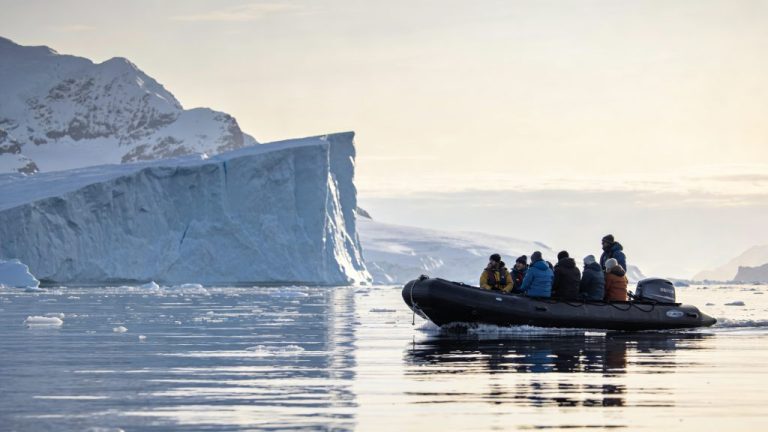
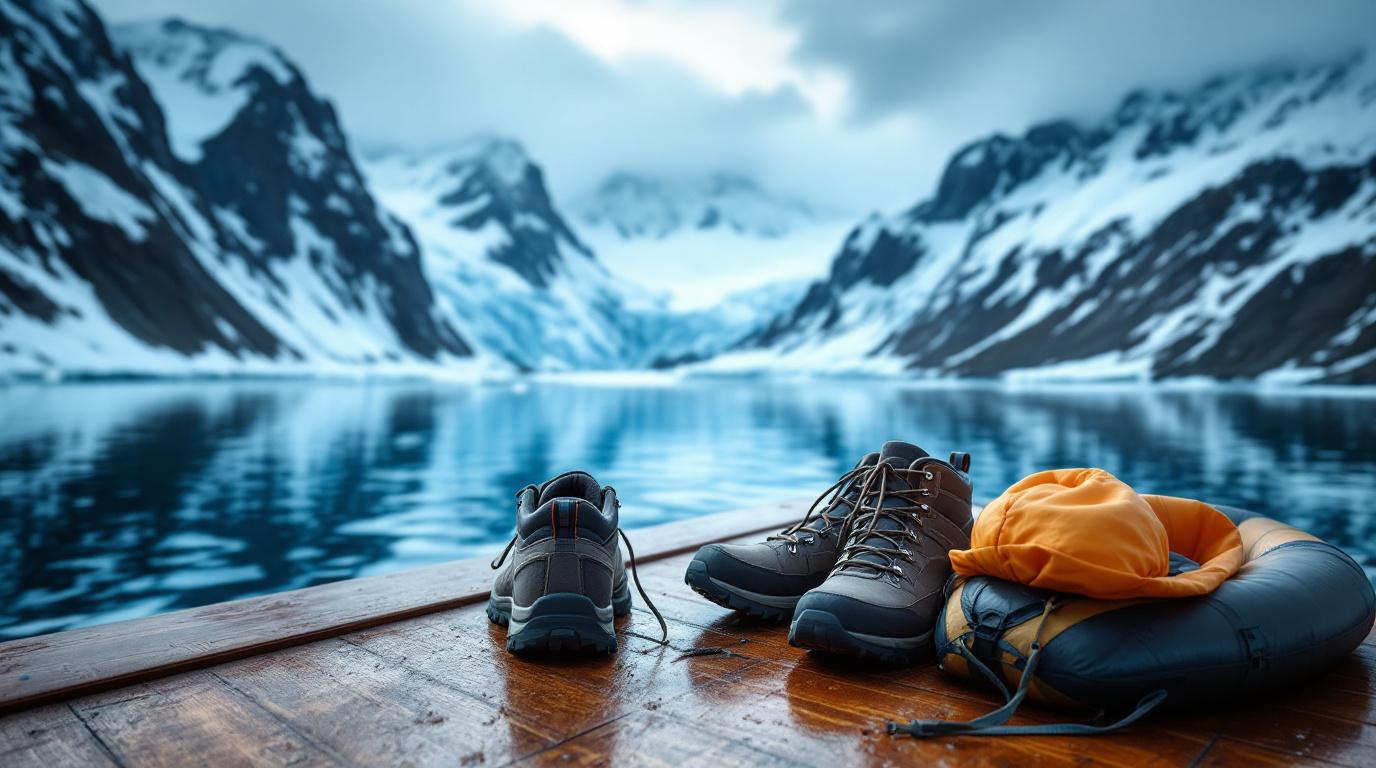
A 100 per cent waterproof jacket and trousers are indispensable. You will regularly be getting in and out of zodiacs. Zodiacs are small rubber boats used for excursions. While boarding and disembarking you come into contact with seawater and spray. Many cruise lines even make waterproof clothing mandatory for zodiac excursions. Some ships provide complimentary parkas. Some cruise lines lend rubber boots. Check this in advance when you book. Bring your own waterproof walking shoes with good grip.
Essential protection against extreme elements
- UV-polarised sunglasses. These protect against reflection. Sun on ice and water produces double reflection.
- High-factor sunscreen. This is needed even in polar regions. The ozone hole and reflection intensify the sun’s strength.
- Lip balm with UV protection
- Gloves and a buff or neck warmer for wind and cold
- Cap or hat for sun protection
Taking technical equipment smartly
Binoculars are practically standard on expedition cruises. Wildlife sightings often happen from the ship. Sometimes you observe animals from a greater distance. Take your camera with extra batteries and SD cards. Cold temperatures drain batteries faster. Longer excursions offer no access to power sockets. A power bank is then useful. Store everything in waterproof bags or dry bags.
Why flexibility is your best travel companion
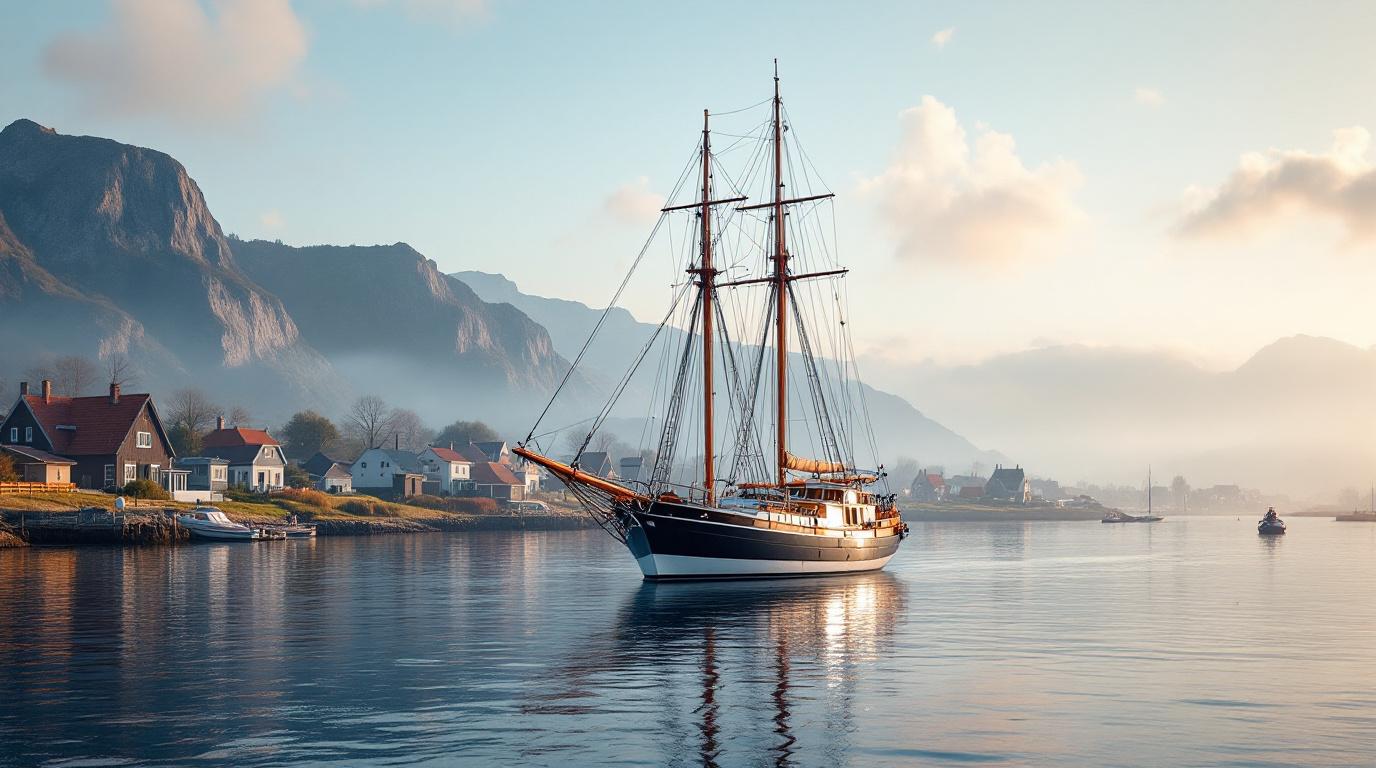
Do not expect a fixed route or tight schedule. Expedition cruises have a different character. The captain and expedition leader make daily decisions based on current conditions. Ice concentration, wind force and visibility determine where you land. Wildlife opportunities determine which activities are on the programme. This makes every cruise unique and unpredictable.
Routes adapt to the opportunities of the moment. A planned landing may be cancelled. High waves or dense fog are then the cause. At the same time, an unexpected pod of whales may lead to an extra stop. Travellers with rigid expectations experience this as disappointing. See changes as part of the expedition nature of the trip. Embrace the flexibility. After all, you are coming for spontaneous encounters with nature and wildlife.
What to expect on board
The daily rhythm differs from traditional cruises. Breakfast is often served around 7:00 am. Early landings offer beautiful morning light. Walruses are active during the morning hours. Lie-ins are rare. You can always skip an excursion. This is especially useful if you are jet-lagged in the first few days.
Choose your cabin strategically
Ideally book your cabin close to the lounge, the deck or the zodiac embarkation point. The zodiac embarkation point is where you board the small rubber boats. This is often located between deck 3 and 5. When you depart you wear full waterproof gear and a life jacket. You do not want to walk long distances then. The call for departure often comes suddenly. Short-notice calls are normal. Zodiac excursions depart when the weather is favourable. Conditions have to allow it.
Attend lectures and briefings
Expedition teams give daily lectures about the region’s fauna, geology, history and climate. These sessions deepen your experience. They help you better understand what you are seeing. Travellers say that this knowledge enriches their trip. They have stories to share for years. Briefings for excursions are compulsory. These briefings contain safety instructions and rules of conduct around wildlife.
‘ Wildlife moments happen unexpectedly. ’
Safety first during excursions
Always follow the instructions of your expedition leader. These professionals know the local conditions. They also know the animals and the risks. Keep the prescribed distance during wildlife sightings. In Antarctica the IAATO rules apply. IAATO is the international association for Antarctic tourism. These rules define minimum distances to penguins, seals and other animals. Animals that come towards you are allowed to approach you. Do not move closer yourself.
Dress smartly for zodiac trips
Put your waterproof jacket and trousers on over your regular clothes. You sit low to the water in a zodiac. Spray and waves will therefore get you wet. Always take your camera and binoculars with you in waterproof protection. Wildlife moments happen unexpectedly. These moments are often brief. Store your personal belongings in dry bags during the crossing.
Common beginner’s mistakes you can avoid
Too much luggage is the most common mistake. Wardrobe and luggage space are limited. Large trolleys often do not fit into the limited wardrobe space. They also often do not fit under the bed. Travellers recommend a flexible bag that you can stow away. Pack less clothing than you think you will need. You will wear the same functional items several times. Laundry facilities are often available.
Essential items are sometimes not immediately to hand. This causes stress. You need sunglasses, camera and medication straight away at every call. Keep these items in a fixed place. The zodiac sometimes departs within ten minutes. You do not want to be searching for your belongings then. A small daypack or dry bag makes this easier.
Aligning expectations with reality
No cruise line guarantees specific animal species or exact locations. Whales, polar bears or rare birds are wild animals. They have their own behaviour. Routes change because of ice, storms or other factors. This unpredictable nature is exactly what makes it special. It is what makes expedition cruises unique. Do not set yourself up for disappointment by having rigid demands about what you want to see or do.
Sorting out insurance and health matters
Take out travel insurance with high cover for medical expenses and evacuation. Expedition regions lie far from medical facilities. Evacuation by helicopter or special vessel costs tens of thousands of euros. You must check whether extreme activities are covered. Check whether your policy covers kayaking among ice floes or polar plunges. A polar plunge is a brief swim in extremely cold water. Many standard policies exclude this.
Take enough medication for the entire trip. Also take extra medication in case of delays. There are no pharmacies or shops in Antarctica. Nor in remote Arctic regions. Discuss with your GP whether you need vaccinations for certain destinations. Also check whether you need malaria prophylaxis for tropical expedition cruises. Malaria prophylaxis are medicines to prevent malaria.
‘ Listen to your body. ’
Using sea days effectively
Sea days without landings are valuable. Rest after active excursions. Enjoy watching from the deck for birds, whales or dolphins. Attend lectures or watch documentaries about the region. Sort your photos. Recover from the exertion. Build up energy for the next activities. Do not force yourself to do everything. Listen to your body.
Respect nature and local regulations
Expedition regions are fragile ecosystems with strict protection rules. Leave nothing behind, touch nothing and do not disturb nature. In Antarctica it is forbidden to take anything with you, not even stones or feathers. Disinfect your boots before and after every landing. This prevents the spread of seeds and bacteria between locations. These procedures are compulsory. They protect the unique biodiversity.
An expedition cruise requires thorough preparation and the right mindset. Those who travel flexibly and are well prepared turn this journey into an unforgettable experience.
Frequently asked questions
For an expedition cruise you have to prepare much more specifically for the conditions (weather, ice, seasickness, special clothing and equipment) than for a car or train trip, where you can more easily adjust last minute to the weather and route. An expedition cruise requires you to arrange insurance, medical cover and any mandatory safety or clothing requirements from the cruise line well in advance. In a car or on a train you decide your own stops, pace and detours, whereas an expedition cruise is tightly organised with fixed landing times and zodiac trips led by an expedition team. At the same time, the route of an expedition cruise is actually less predictable because weather and wildlife can change the programme, something that usually plays a smaller role in car and train journeys.
First look at the destination, the season and the type of expedition ship (small = more landings and a more intimate experience, large = slightly more comfort and stability). Pay attention to the composition and experience of the expedition team, the passenger-to-guide ratio and the range of activities (e.g. kayaking, hiking, lectures). Check which equipment is included (boots, parka) and whether your cabin’s location and comfort suit your wishes, for example close to the zodiac embarkation point or in a quieter area. Finally, make sure you have good insurance and seasickness medication, and accept that weather conditions and wildlife can change the route: flexibility greatly enhances your experience.
An essential packing list for an expedition cruise consists of layered clothing (thermal underwear, fleece), a 100% waterproof jacket and trousers, possibly rubber boots, plus protection such as sunglasses, high-factor sunscreen and lip balm. Add practical items such as binoculars, camera with extra batteries, power bank, water bottle and a small daypack. Stay comfortable in a wide range of conditions by always dressing in layers, using quick-dry fabrics instead of jeans and wearing waterproof outer layers over everything. Check in advance which items (parka, boots) your cruise line already provides to avoid unnecessary luggage.
Make sure you are physically and mentally flexible: routes and times often change because of weather and wildlife, so allow room in your expectations. Pack in layers with a waterproof outer layer, gloves, hat or buff, and always take binoculars, a camera with extra batteries and a small daypack with you in the zodiac. On board, attend the lectures by the expedition guides on animals, nature and safety rules, so that your behaviour in the field respects nature and you can recognise wildlife better. Take seasickness medication, good sun protection (sunglasses, SPF, lip balm) and a reusable water bottle with you so that you feel comfortable and can stay focused during long wildlife sessions.