 NL
NL
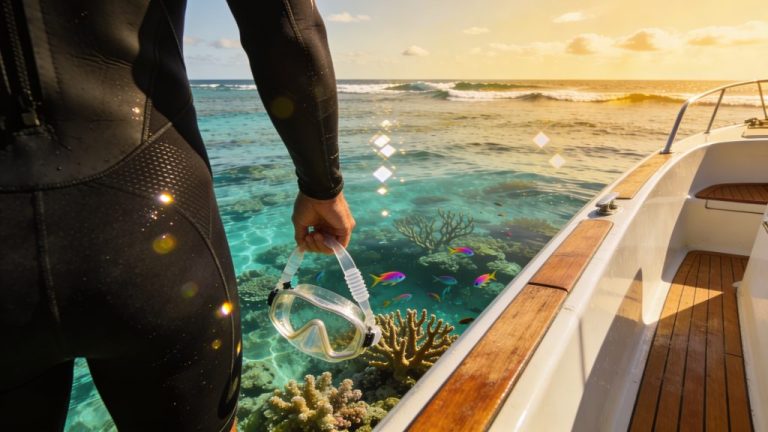
Tropical destinations such as Egypt, Thailand, Indonesia and the Maldives offer warm water, plenty of sun and strong diving conditions in January and February. For travellers who want to escape the winter cold and explore underwater, this is the perfect time. In this article you can read which destinations are the best choices and what to expect in each region.
Winter in Europe is an ideal time to travel to tropical waters. While it is cold and grey here, elsewhere you will find water temperatures between 24 and 30 degrees, clear visibility and rich marine life. For anyone considering diving holidays, these are the months in which many destinations offer optimal conditions.
The choice of destination depends on what you find important: easy access from the beach, high biodiversity, quiet dive sites or, on the contrary, resorts with full guidance. In the following sections you will gain insight into the strongest options and their practical advantages.
Why tropical destinations work well in winter
Many tropical regions have a dry season during the winter months. That means little rain, plenty of sun and often calmer seas. This leads to better underwater visibility and more comfort above water. Water temperatures are usually between 24 and 30 degrees, so diving remains pleasant without the need for thick exposure protection.
In addition, the winter months in Europe coincide with peak periods for marine life in various regions. Reef fish, rays, turtles and even larger species such as manta rays and whale sharks are particularly active in some areas during these months. For divers looking for varied underwater experiences, this is a major advantage.
The dry season also means less wind and current, which makes diving safer and more accessible for both beginners and experienced divers. This makes winter-sun diving holidays attractive for those who plan consciously and want to get the most out of their trip.
‘ The combination of good infrastructure, varied dive sites and affordable options makes the Red Sea a popular choice for a winter-sun diving holiday. ’
Egypt and the Red Sea: close by and varied
The Red Sea is known for its colourful coral and a great diversity of fish species. From Europe, Egypt is relatively quick to reach and offers pleasant winter weather with water temperatures of around 23 to 25 degrees. Well-known diving locations such as Hurghada, Sharm el-Sheikh and Marsa Alam are suitable for both beginners and advanced divers.
Many resorts in Egypt have their own dive centres and house reefs, which makes it easy to dive several times a day without logistical hurdles. The combination of good infrastructure, varied dive sites and affordable options makes the Red Sea a popular choice for a winter-sun diving holiday.
Practical for short trips
Egypt is ideal if you do not want to travel too far. Flight times are limited and many locations are geared towards divers, which means you can get started quickly. This makes it a convenient option if you have a week or ten days and do not want to spend too much time travelling.
Maldives: clear water and reef diving
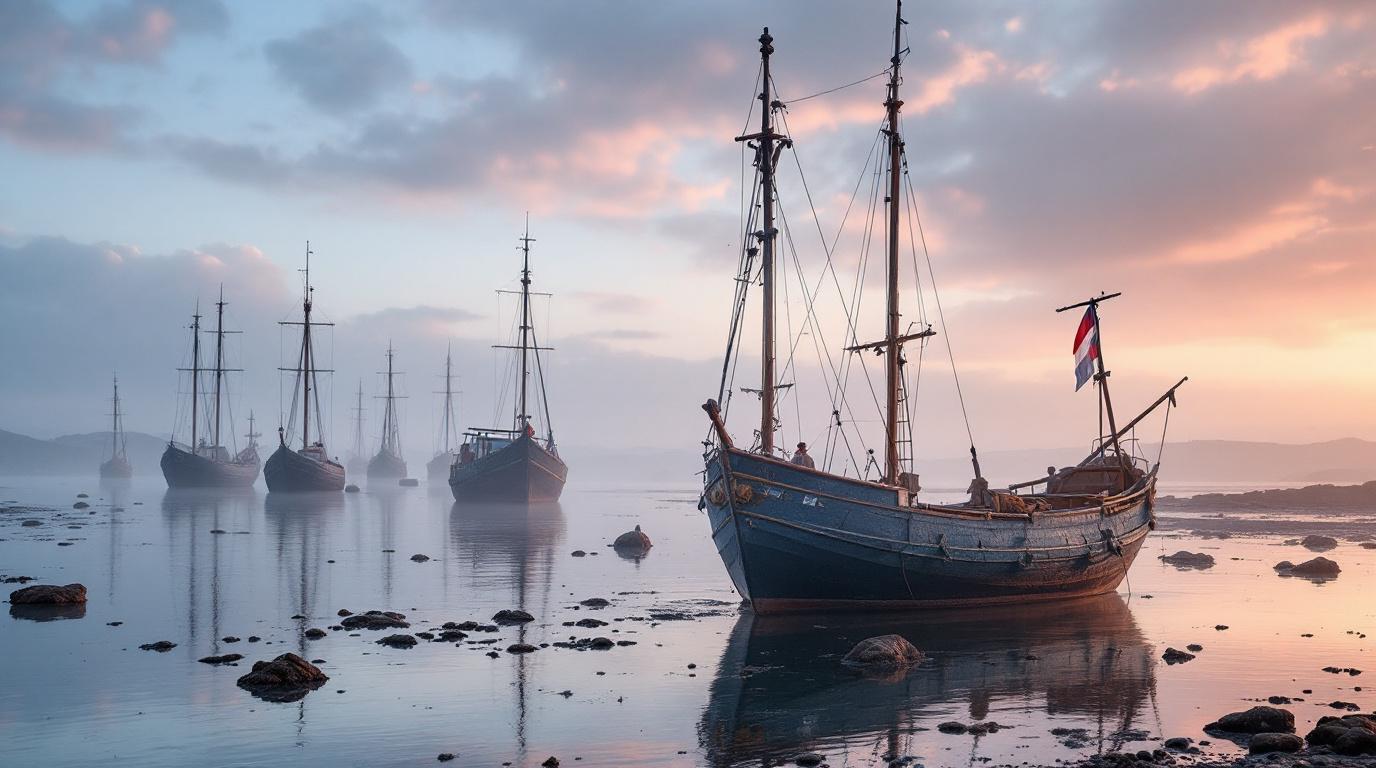
The Maldives are known for clear water, good visibility and a rich underwater world. The winter months here are dry and sunny, with water temperatures of around 27 to 29 degrees. You can choose between resort diving, where you dive from a fixed base, or a liveaboard, where you travel by boat to different dive sites.
The Maldives are ideal if you are looking for comfortable conditions and beautiful reefs without strong currents. The marine life is diverse, with reef sharks, rays, turtles and many tropical fish. For divers who want to combine luxury and diving, many resorts offer complete guided packages.
Bonaire: independent shore diving
Bonaire is a special destination for divers who like to operate independently. The island is known for more than one hundred dive sites that you can reach from the shore. This means you do not need a boat and can decide for yourself when and where you dive. The water temperature is around 27 degrees all year round.
The combination of accessibility, freedom and varied dive sites makes Bonaire attractive for experienced divers who want to set their own pace. The island lies in the Caribbean and is easy to reach from Europe, although the journey does take more time than travelling to Egypt.
Suited to those with experience
Because many dive sites on Bonaire are accessible from the shore, a certain level of self-reliance is required. You often arrange your own equipment and planning. This makes it suitable for divers who know what they are doing and like to stay flexible.
‘ “This makes it an attractive option for travellers who want to discover both culture and nature alongside their diving.” ’
Thailand and the Andaman Sea: biodiversity and island hopping
Thailand offers good diving conditions in winter, especially on the west coast along the Andaman Sea. The months of January and February fall in the dry season, with little rain and calm seas. Water temperatures are around 28 degrees. Well-known diving areas include the Similan Islands and Koh Lanta.
Thailand is also ideal for those who want to combine diving with island hopping and other activities. The infrastructure is good, there are many dive schools and the costs remain manageable. This makes it an attractive option for travellers who want to discover culture and nature as well as enjoy diving.
Indonesia and Raja Ampat: for those seeking biodiversity
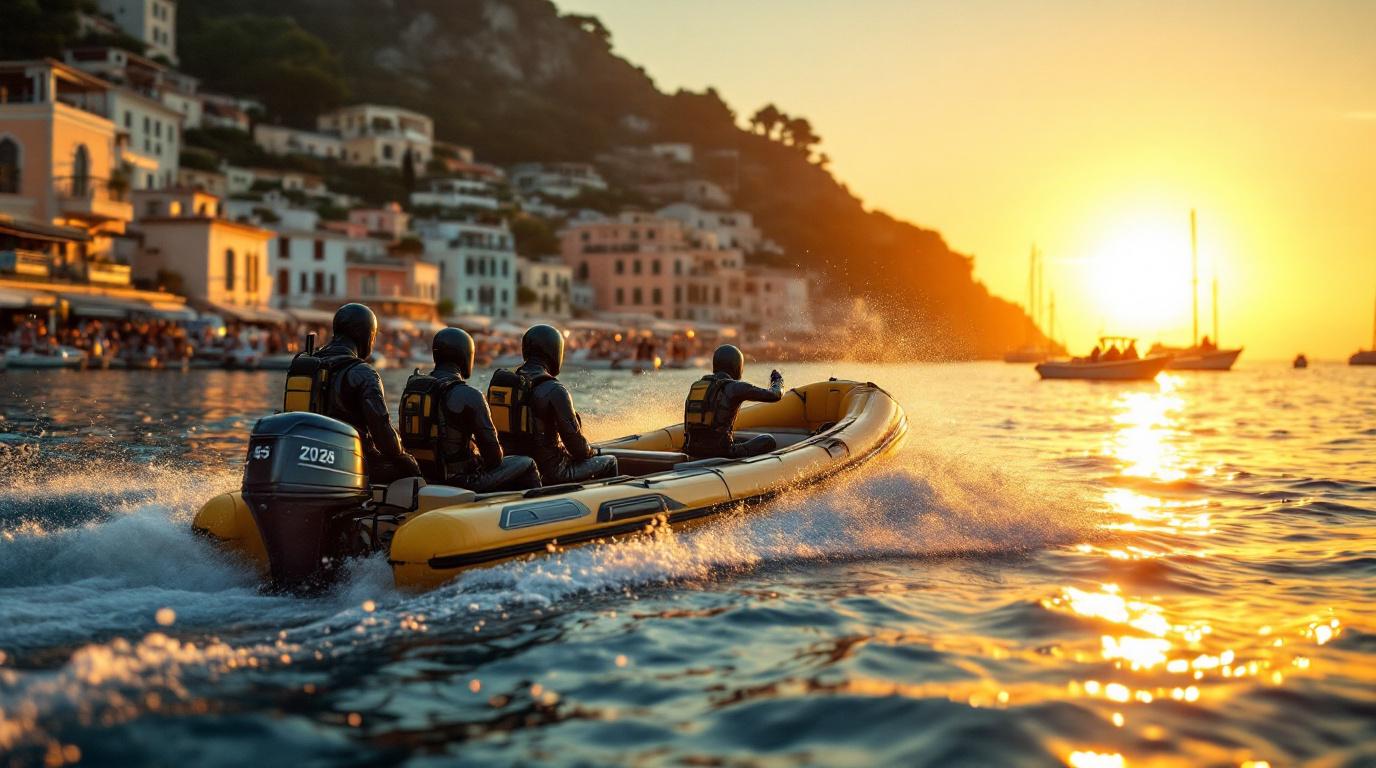
Indonesia is known for having one of the richest marine ecosystems in the world. Raja Ampat, in the east of the country, is often named as a top destination for divers who are fascinated by biodiversity. The winter months offer good conditions here, with water temperatures of around 28 to 30 degrees.
The region is less accessible than Egypt or Thailand, but attracts divers who are looking for pristine reefs and unique species. Besides Raja Ampat, areas such as the Gili Islands and Komodo are also popular. Indonesia requires more planning and travel time, but in return offers exceptional underwater experiences.
Suited to those who take their time
Indonesia involves a longer journey and often domestic flights or boat trips. This makes it suitable for those who have several weeks and consciously choose a dive trip with nature at its heart.
Philippines: varied and accessible
The Philippines offer a wide variety of dive sites, from reef dives to wreck dives. Well-known areas include Tubbataha, Malapascua and Palawan. The winter months here are dry and sunny, with water temperatures between 26 and 29 degrees. The Philippines suit different levels and offer a combination of biodiversity and affordability.
The infrastructure in many places is good, with dive schools and resorts that focus on international travellers. The Philippines do require some travel time and internal journeys, but in return offer varied diving experiences and beautiful locations.
‘ The infrastructure is geared towards tourism, which makes it easy to plan a comfortable diving holiday without many logistical challenges. ’
Cayman Islands and the Caribbean region
The Cayman Islands are known for wall dives and clear water. The winter months offer stable conditions here, with little rain and water temperatures of around 26 to 27 degrees. The Caribbean region has several strong diving destinations, including Curaçao and Aruba, which offer similar advantages.
These islands are easy to reach and offer a combination of diving, beaches and relaxation. The infrastructure is geared towards tourism, which makes it easy to plan a comfortable diving holiday without many logistical challenges.
What to consider when choosing a destination
Several factors play a role when planning a winter-sun diving holiday. Think about travel time, budget, the type of diving you want to do and your level of experience. Some destinations are suited to beginners, while others require more experience or self-reliance.
Also pay attention to the local season. Not all tropical destinations have their best diving months in winter. Check whether your dates coincide with the dry season and whether there are specific natural phenomena you want to experience, such as migration patterns of larger species.
It is also useful to look at the type of diving: do you want to dive from shore, from a resort or on a liveaboard? This determines the logistics and the cost of your trip. Resorts with a house reef are easy and straightforward, while liveaboards offer more variety and reach.
What makes a winter-sun diving holiday successful
Good preparation makes all the difference. Make sure your diving certification is valid and check whether your insurance covers diving. Some destinations require specific vaccinations or visas, so look into this well in advance. Plan your trip so that you have enough time to acclimatise and make multiple dives without rushing.
Choose a destination that matches what you value most: convenience, biodiversity, independence or comfort. Each of the destinations mentioned has its strengths, but not every destination suits every traveller. By choosing consciously, you will get more out of your trip and avoid disappointment.
On the Traveler Tips website you will find more information about diving holidays, travel preparation and specific destinations. Whether you are looking for tips for your first diving holiday or inspiration for a new destination, there is plenty to discover. Take a look and start planning your next trip.
Frequently asked questions
For a winter road trip with a focus on diving within Europe, the Egyptian Red Sea is ideal: you drive (or travel by a train/ferry combination) along coastal towns such as Hurghada, Marsa Alam and Sharm el-Sheikh, with plenty of dive schools as well as desert and cultural stops. In the Caribbean, Bonaire in particular lends itself to the ultimate “drive & dive” experience, because with a hire car you can visit dozens of shore dives along the coast at your own pace. Thailand is well suited to a long train and island-hopping trip: travel overland to the south and dive into the Andaman Sea from coastal towns such as Khao Lak or Phuket. Indonesia offers the most exotic combination above and below water, for example with a route across Java and Bali and side trips to diving regions such as Nusa Penida or Komodo for manta rays and colourful reefs.
Start by choosing a destination where winter sun and good diving come together (for example Egypt or Bonaire) and set a realistic budget that includes flights, accommodation, a dive package and equipment hire. Look for small-scale accommodation or dive resorts with a house reef rather than large all-inclusive hotels: they are often cheaper and more personal. Use local dive schools and talk to instructors, taxi drivers and restaurant owners on the spot for genuine insider tips on places to eat, quiet beaches and lesser-known dive sites. Plan rest days between diving so you can also explore markets, villages and nature in the area, turning your trip into more than just a standard dive package.
For independent travellers with their own transport, Bonaire stands out in particular: over 100 easily accessible shore dives, good roads, car rental and clear signposting. The Egyptian Red Sea (especially Hurghada and Marsa Alam) offers many dive centres, affordable accommodation and solid infrastructure for those who want to drive themselves between dive spots and accommodation. Several Caribbean islands and the Cayman Islands also combine winter sun with good roads, car hire and accessible dive sites. Thailand (Andaman coast) offers a mix of dive schools, scooter or car rental and well-connected coastal towns, although some top sites are only accessible by boat.
Choose a winter-sun destination where getting around is easy, such as Egypt (Red Sea) or Thailand, so you can combine diving with a road trip focusing on culture and nature. In Egypt you can dive at Hurghada or Marsa Alam and then discover temples and desert landscapes via Luxor and the Nile Valley. In Thailand you can combine diving in the Andaman Sea (for example around Phuket or Khao Lak) with a road trip to cultural cities such as Ayutthaya and the lush north. Build in enough non-diving days between long drives and cultural excursions so your body can recover and you stay flexible if the weather or visibility changes.
Make sure your car is winter-ready and properly insured for long distances, including checking tyres, brakes, lights and taking spare parts, a first-aid kit and enough drinking water and snacks. Plan your route well in advance with overnight stops, parking options at the dive site and build in leeway for bad weather or traffic jams. Check in advance which diving certifications are required, your medical fitness, the type of dive gear you need (for example the thickness of your suit or hire on site) and any local rules or permits. Draw up a realistic diving schedule with attention to rest periods, hydration, possible currents or waves and agree clear safety arrangements with your buddy and the local dive centre.