NL
NL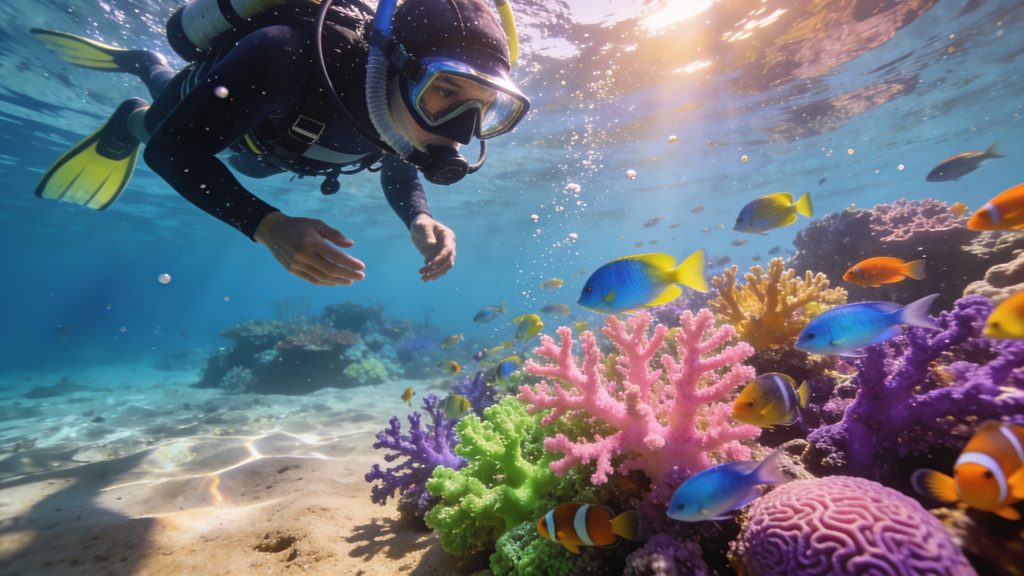
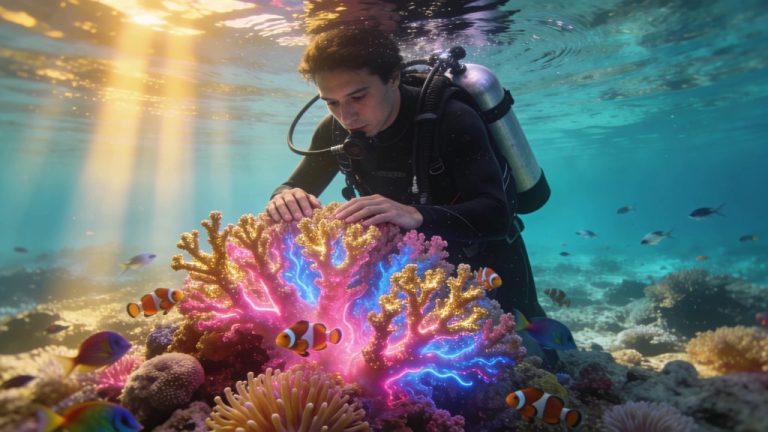
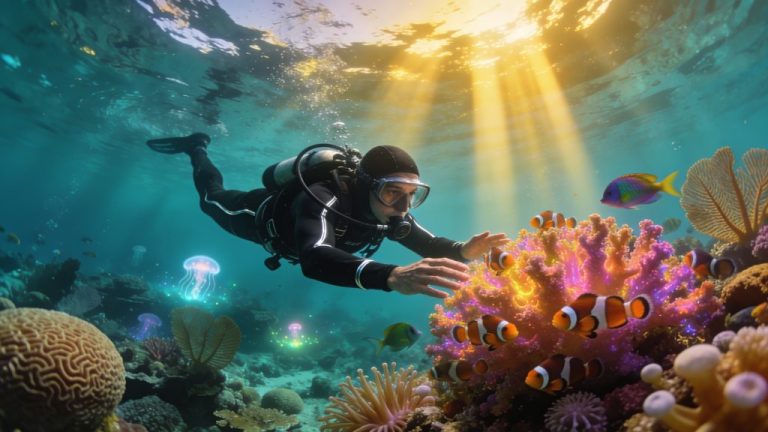
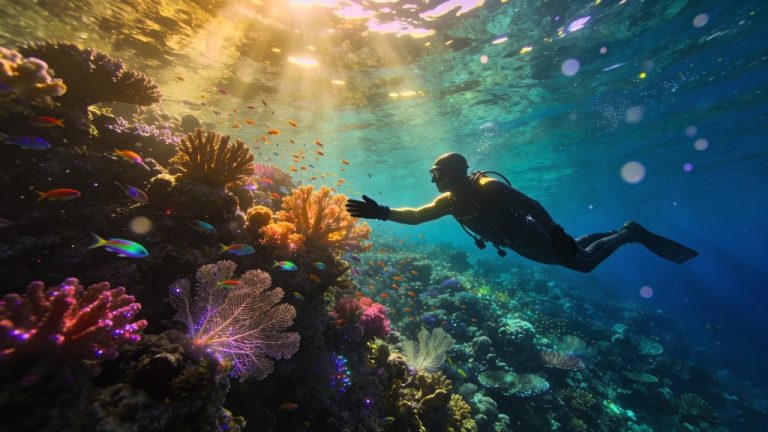
Each diving area has its own unique underwater world. In warm waters you will see tropical fish and turtles. In colder seas you may encounter whales and sea lions. The variety of species differs greatly per location, depth and season. Are you looking into diving holidays? Then it is smart to know in advance which animals you can see where and when. That way you choose the destination that suits you. You will then know what you are going to experience under water.
Which animals do you see while diving
Most diving destinations offer both small and large marine life. Tropical reefs are rich in colourful reef fish, seahorses and nudibranchs. In the open ocean and around islands with deep waters you will encounter larger species. There you can see sharks, manta rays and whale sharks. In addition, there are specific locations for truly special encounters. Think of sperm whales, orcas and marine iguanas. What you see depends on the destination, the season and the dive site.
Large, iconic marine life attracts many divers, but the smaller reef life is often just as impressive. A dive with manta rays in the Maldives is spectacular. A night session with cuttlefish and shrimps in the Red Sea is at least as special. Large animals and small reef life together make a diving destination versatile.
‘ Ningaloo Reef in Australia is considered one of the best areas in the world. ’
Best places to see manta rays and whale sharks
Manta rays are found in tropical and subtropical waters. The Maldives are at the top of the list, followed by Raja Ampat and Komodo in Indonesia. Fiji, the Galápagos and Yap are also among the top locations. Kona in Hawaii offers a special experience, where you dive or snorkel with manta rays at night. The animals then come to the surface. They feed in the light of underwater lamps.
You can see whale sharks in several places worldwide. South Ari Atoll in the Maldives is one of the best-known locations, as is Cenderawasih Bay in Indonesia. Ningaloo Reef in Australia is considered one of the best areas in the world. There you mainly see the whale sharks between March and August. The water temperature is around 24 to 29 degrees. A 3 millimetre wetsuit is sufficient. Donsol in the Philippines and Mozambique are also frequently mentioned destinations for whale sharks.
Where can you see sharks when diving
Sharks can be found in many diving areas. Some locations offer a higher chance of different species. Fuvahmulah Atoll in the Maldives is known for its diversity of sharks. Fiji offers spectacular shark dives where you sometimes encounter up to nine sharks during a single dive. The Galápagos and the Red Sea also have a rich shark population.
In recent years smooth-hound sharks and spurdog sharks have also been spotted in the Netherlands. Diving closer to home is surprisingly interesting. This is especially true if you want to observe small shark species. The experience is very different from tropical diving, but precisely because of that it offers new insights into local marine life.
Specific diving destinations by shark species
Shark species such as reef sharks, tiger sharks and hammerheads can be seen in various locations. You encounter reef sharks in the Red Sea, the Maldives and Fiji. You can see tiger sharks at Fuvahmulah Atoll in the Maldives. Hammerheads can be spotted in the Galápagos. Smooth-hound sharks and spurdogs swim in Dutch waters.
- Reef sharks: Red Sea, Maldives, Fiji
- Tiger sharks: Fuvahmulah Atoll (Maldives)
- Hammerheads: Galápagos
- Smooth-hound sharks and spurdogs: Dutch waters
Locations for orcas and sperm whales
Orcas can be spotted in colder seas. Tromsø in Norway is a well-known location, as is Los Cabos in Mexico. Diving or snorkelling with orcas is not an easy undertaking. You need to prepare well and be in good physical condition. Access is often by zodiac (inflatable boat) and the conditions are physically demanding. The experience is therefore less accessible than tropical diving. It does, however, offer an unforgettable encounter.
Sperm whales can be seen around Dominica all year round. The best chances are between November and March. This island in the Caribbean has a resident population of sperm whales, which makes the chance of an encounter high. The dives take place in deeper water. You need experience with open-ocean diving for that.
‘ The wealth of small species is at least as fascinating. ’
Tropical fish and smaller species
Many divers focus on large animals. The wealth of small species is at least as fascinating. Coral reefs are full of clownfish, parrotfish, moray eels and seahorses. Nudibranchs and cuttlefish are popular with macro photographers. These animals are small and often well camouflaged. You have to look carefully and move slowly.
The Red Sea, Fiji and Raja Ampat offer a great diversity of reef dwellers. Dutch waters also harbour surprising species such as cuttlefish and small crabs. For this type of diving it is important to move calmly and pay attention to details. A good dive guide often helps you find animals you would otherwise miss.
How season and timing affect your diving experience
Many large marine animals appear in certain periods of the year. Whale sharks at Ningaloo Reef are mainly present between March and August. Manta rays in the Maldives are there all year round, but the best chances are linked to plankton blooms. Orcas in Norway follow schools of herring. That makes their presence predictable in certain months.
Water temperature and visibility also vary by season. In some areas the rainy season actually offers better visibility under water. Other locations then have murkier conditions. Local dive schools know which period is best for the animals you want to see. Ask in advance about recent sightings and seasonal influences.
Planning based on season
- Decide which animal you most want to see.
- Find out in which months that animal is present at your preferred location.
- Check the water temperature and required equipment for that period.
- Ask local dive centres about current sightings and conditions.
Differences in species diversity per diving destination
Each diving destination has its own composition of animals and plants. The Maldives excel in large pelagic species such as manta rays and whale sharks. Fiji offers a combination of sharks, coral reefs and many fish species. Raja Ampat in Indonesia is known for its rich diversity of species with more than a thousand fish species and hundreds of coral species.
The Galápagos are unique because of animal species that occur nowhere else, such as marine iguanas and certain shark species. Ningaloo Reef combines whale sharks with a rich coral reef. Dominica specialises in sperm whales, while Tromsø focuses on orcas. The difference lies in species. The difference is also in the quantity and concentration of marine life.
Colder waters such as around the Netherlands offer fewer species. The quality of sightings can be high. The richness of species is different, with more emphasis on crustaceans, small fish and seasonal visitors such as sharks. For divers looking for diversity it is wise to combine several regions.
‘ Marine iguanas are unique to the Galápagos. ’
Where to find the rarest sea creatures
Rare species often need particular conditions and the right season. Sperm whales in Dominica are rare in other areas, but present there all year round. Marine iguanas are unique to the Galápagos. Certain shark species such as hammerheads are concentrated in specific places. These spots have strong currents and deep waters.
For macro life, locations such as Lembeh Strait in Indonesia and Anilao in the Philippines are well known. There you will find mimic octopus, wunderpus and other rare small species. These dives require patience and a keen eye. The discoveries are unique. Night sessions also offer chances of rare sightings. Many animals are more active then.
Practical tips for choosing a diving destination
Choose your destination based on the animal you want to see. Don’t just look at the country. Many divers book specifically for whale sharks, manta rays or sharks. Pay attention to the best period and check whether your diving experience is sufficient for the conditions. Deep dives, strong currents and cold water require more experience than relaxed reef dives.
Ask advice from people who know the area well. These can be dive schools or guides. They know which species are most likely at that moment. They also know which locations have recently produced good sightings. Don’t only expect large animals: small species often make a dive just as rewarding. Night dives offer different experiences than day dives. This is especially true if you are interested in cuttlefish, lobsters and other nocturnal animals.
Discover more on Traveler Tips
Diving offers endless opportunities to experience marine life up close. Whether you choose tropical reefs, large pelagic species or rare macrofauna, each destination has its own story. On the Traveler Tips website you will find much more information. You can read about diving destinations, practical preparation and seasonal planning. You can also find information about other nature holidays. Discover which regions best match your wishes. Plan your diving holiday with confidence.
Frequently asked questions
Top destinations for seeing whale sharks include South Ari Atoll (Maldives), Ningaloo Reef (Australia), Cenderawasih Bay (Indonesia) and Donsol (Philippines); at Ningaloo the season is mainly from March to August. For mantas, the Maldives, Raja Ampat and Komodo (Indonesia), the Galápagos, Yap and Kona (Hawaii, for night dives) are well-known hotspots. In the Maldives you can spot both mantas and whale sharks; the exact best months differ per atoll, but broadly the seasons coincide with the drier, calmer sea periods. Local dive schools provide the most up-to-date information per region on peak seasons, which can shift slightly from year to year.
Yes, there are several road trip-friendly routes to diving locations with special marine microfauna and a chance of seahorses. Around the Mediterranean you can, for example, travel by car to diving destinations in the Red Sea (via Egypt by ferry/overland) or to macro-friendly reefs closer to home, where you will find plenty of small life. In the Netherlands and neighbouring countries there are also easily drivable dive sites with macro life such as cuttlefish and smaller reef animals. For tropical destinations such as Fiji or the Philippines you will first need to fly, and you can then combine a road trip on the spot with dive trips to reefs with seahorses and other microfauna.
For beginner divers who do not want to travel far, the reefs in the Red Sea (for example Sharm el-Sheikh or Hurghada in Egypt) are ideal: clear, warm water, calm conditions and plenty of colourful coral and tropical reef fish. Closer to home, you can see surprisingly rich marine life in Dutch coastal waters, but for truly colourful coral reefs the Red Sea remains the most accessible choice.
Top spots for large schools of fish and pelagic species include the Maldives (South Ari & Fuvahmulah), the Galápagos, Fiji, Raja Ampat/Komodo and Ningaloo Reef in Australia. First choose your “main goal” (e.g. manta rays or whale sharks) and plan your trip in the peak season for that species. Combine nearby hotspots in a single itinerary, for example a Maldives liveaboard visiting manta and whale shark sites or an Indonesia route including Raja Ampat + Komodo. Build in rest days, check local information on currents and seasons and arrange dives with reliable dive centres that have experience with large pelagic species.
Plan your diving holiday in well-known turtle hotspots such as the Maldives, the Galápagos or Fiji, and choose the local high season when the water is warm and the visibility is good, because that is when most food sources and therefore sea turtles are present. When booking, check whether the dive school works with small groups, minimal disturbance (no touching/chasing) and clear guidelines on keeping your distance and not feeding. Worldwide, PADI- and SSI-certified schools in these regions are known for their focus on nature conservation; preferably choose centres with additional eco or marine conservation labels (for example Reef or Green Fins partners). Ask explicitly in advance about their policy on turtle tours and reef protection, and avoid operators who “guarantee” interaction with animals or encourage people to touch them.