NL
NL
Good preparation prevents chaos and increases both safety and enjoyment during your first diving holiday. From your certification and insurance to the right timing between your last dive and your return journey: everything calls for conscious planning. After all, you want to enjoy the underwater world, not worry about forgotten documents or unexpected health risks. Read on for a clear checklist that helps you travel in an organised way and without surprises.
Which documents do you need for international diving?
Before you leave, check whether your diving certificate and logbook are up to date and valid. Most dive schools and operators will ask for these when you arrive. Without a certification you cannot dive independently, and without a logbook an instructor has no idea how experienced you are.
In addition, you need a valid passport and, depending on your destination, a visa. Check this well in advance. Some countries require that your passport is still valid for at least six months after your return. For anyone just starting with diving holidays, it is wise to keep all documents neatly organised together: certification card, logbook, passport, visa and insurance documents.
Also take out travel insurance that covers diving accidents and, if necessary, hyperbaric chamber costs. Standard travel insurance often does not include this. Check this explicitly with your insurer and take a copy of your policy conditions with you on your trip.
‘ A good operator takes the time for a buddy check, discusses depth and ascent procedures and is transparent about local regulations. ’
How do you choose a reliable dive operator?
Not every dive school or operator works to the same standards. Choose a dive centre accredited by a recognised organisation such as PADI, SSI or CMAS. This inspires confidence in the quality of the guidance and the condition of the equipment.
Read reviews from other divers and look for signs such as well-maintained kit, calm groups and instructors who give you a clear briefing in advance. A good operator takes the time for a buddy check, goes over depth and ascent procedures and is transparent about local regulations.
Some countries or regions, for example, require you to use a dive computer, a surface marker buoy or a compulsory dive guide. Ask the operator about this beforehand so that you are not faced with any surprises.
Which health requirements should you check?
Diving is not without risk. Before you go, check whether you are medically fit. If you have asthma, heart problems or recurring ear infections, consult a doctor who is familiar with diving medicine first.
You need to feel fit on the day of your dive. Never go into the water if you have a cold, are tired or are not feeling mentally well. These factors increase the chance of problems under water and affect your reaction time.
Drink enough water before, during and after your dives. It is best to avoid alcohol before diving, as it dehydrates your body and reduces your alertness. Take snacks and water with you after a dive. The first few days of diving often cost more energy than you expect.
What do you take with you on a diving holiday?
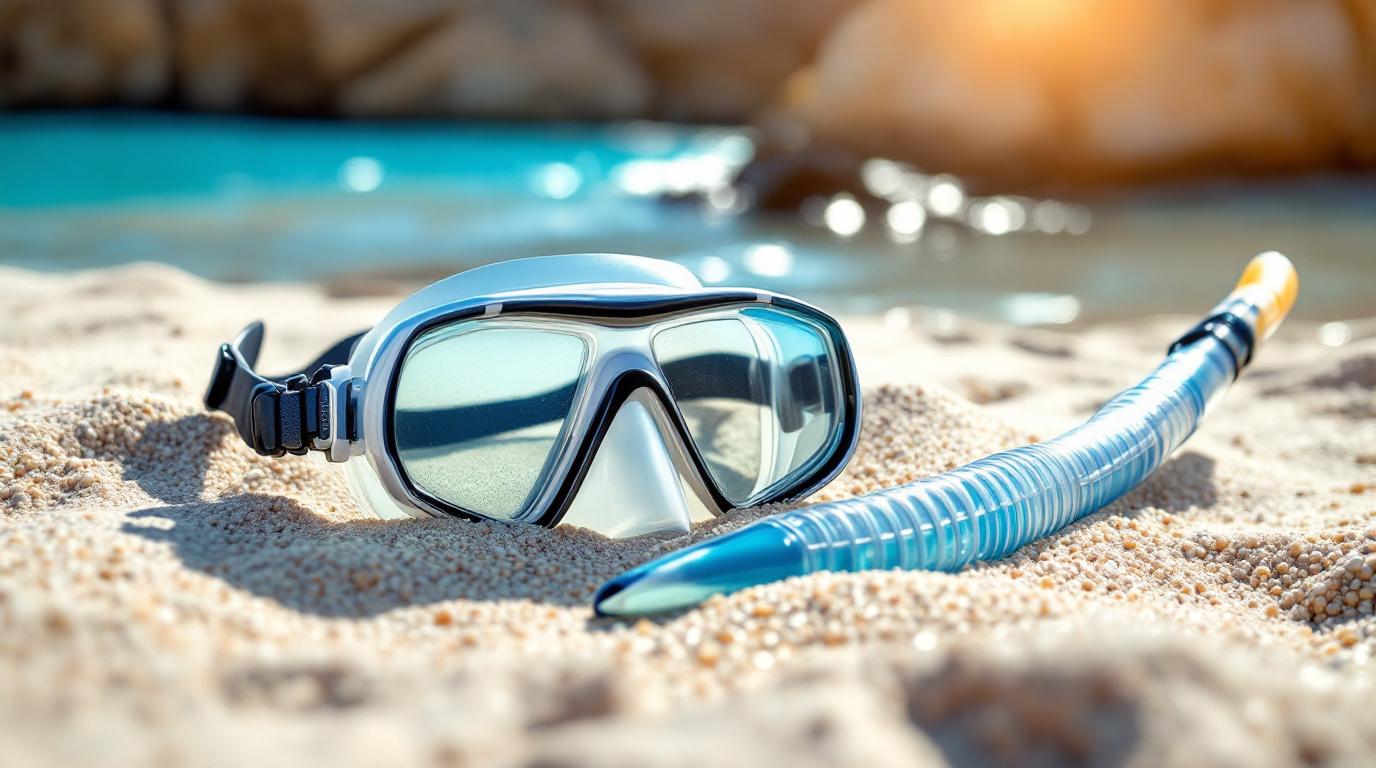
You do not need to buy a complete set of equipment straight away, but your own dive mask is often the first sensible purchase. A well-fitting mask prevents leaks and offers more comfort than a rental one that has been used by dozens of others.
In addition, a snorkel, fins and a dive computer are useful additions. Some dive locations or operators require you to have your own dive computer. If you hire one, check its condition beforehand and ask how to operate it.
When choosing clothing, look at the water temperature. In tropical waters, a 3-millimetre wetsuit is sufficient. For colder destinations you need a thicker 7-millimetre suit or a drysuit. Check with the operator whether they have suitable sizes and types available, or take your own suit if you have one.
Practical items for your dive bag
- Dive mask and possibly a spare strap
- Snorkel and fins with booties
- Dive computer and spare batteries
- Wetsuit or drysuit suitable for the destination
- Dive torch and signalling devices such as a surface marker buoy or whistle
- Logbook and certification card
- Sun cream and towel
- Water bottle and snacks for between dives
- Lycra shirt or dry clothing for on the boat
- Travel sickness medication if needed
‘ Your body needs to get used to the physical effort and to the pressure under water. ’
How do you prepare yourself physically and mentally?
If you have never snorkelled or swum with a mask and fins before, do this a few times in shallow water before you leave. This helps you get used to breathing through a snorkel and moving with fins.
Keep a relaxed schedule for your first few days. Do not plan the most demanding dives or a packed evening programme straight away. Your body needs to get used to the physical effort and to the pressure under water. Start with shallow, short dives and build up gradually.
Agree clear arrangements with your buddy or instructor about hand signals, buddy checks and emergency procedures. This prevents misunderstandings and increases safety under water.
What do you need to know about flying after diving?
A common mistake on a first diving holiday is getting on a plane too soon after the last dive. After diving, there is still nitrogen in your body. If you ascend too soon in an aeroplane, the air pressure decreases, which can lead to decompression sickness.
The general rule is: wait at least 18 to 24 hours between your last dive and your flight. Some sources even use 24 hours as a safe margin. So plan your return journey so that you have enough time to recover and fly without risk.
This means that on a weekend trip you need to allow for an extra day without diving, or plan your last dive on the penultimate day.
Useful checklist before departure
Make a packing list and a to-do list before you leave. This prevents you from forgetting important things. Below you will find an overview of everything you need to arrange and take with you.
Documents and insurance
- Check the validity of your passport and arrange a visa if necessary
- Take your diving certification and logbook with you
- Take out travel insurance that covers diving accidents
- Print or download your travel documents and insurance policy
Health and physical fitness
- Check medical fitness if you are unsure
- Take personal medication and, if needed, anti-sickness remedies
- Make sure you are fit and well rested before departure
- Drink enough water and avoid alcohol before diving
Equipment and practical items
- Take your own mask, snorkel and fins
- Check whether you need a dive computer or can hire one
- Choose a wetsuit suitable for the water temperature
- Do not forget: dive torch, towel, sun cream, water bottle and snacks
Safety and planning
- Choose an accredited dive school or operator
- Discuss buddy arrangements and the briefing in advance
- Plan your deepest dive first and work your way down afterwards
- Allow 18 to 24 hours rest between your last dive and your flight
‘ Discover more and make your next trip smarter and more mindful. ’
Discover more on TravelerTips
On the TravelerTips website you will find extensive information about different types of holidays, destinations and practical preparations. Whether you are looking for tips about your route, insurance, documents or other preparations, you will find reliable and concrete tools to help you plan your trip well. Discover more and make your next trip smarter and more mindful.
Frequently asked questions
Use a sturdy, well-closing suitcase or dive bag with wheels and distribute heavy items (such as regulator set and weights, if needed) across several bags to limit lifting and dragging. Give fragile items such as your regulator and dive computer extra protection with soft clothing or neoprene sleeves, and keep essential and valuable items preferably in your hand luggage or daypack. In the car, place heavy bags as low as possible and braced against the seat back or secured in the boot so they do not shift when you brake hard. On the train, choose a seat close to the luggage rack or door, stand your bag upright with the handle facing outwards and, if necessary, secure it to the rack with a cable lock.
To start with, always bring your own mask (and snorkel if you like), dive computer, logbook/certification card and any personal medication; these are personal, fit better and increase your safety. In warm water, your own thin wetsuit or shorty is comfortable, especially if you get cold quickly or hygiene is important to you. Heavier and bulkier items such as BCD, tank, weights and often also regulator are best hired on site to limit luggage and carrying. Depending on space and personal preference you can either bring your own fins or hire them.
First, look for dive schools or centres that explicitly offer “introductory dives”, “Open Water courses” or “beginner-friendly dives”, and filter by maximum depth (e.g. up to 18 metres) and calm currents. Combine this with destinations along popular routes (for example along a coastal road or near larger cities) so you can alternate dive days with driving or travel days. Then check how easy they are to reach: choose dive locations that are well connected by train or bus, or that fit logically into your planned driving route. Finally, read recent reviews that specifically mention that the dive school handles beginners well and that logistics (rental equipment, transport from station or car park) are well organised.
For a first diving experience you usually do not yet need your own certification, but you take an introductory programme (such as PADI Discover Scuba Diving) with a recognised dive school; they then provide guidance and safety instructions. You must complete a medical questionnaire, and for certain conditions (such as asthma, heart or ear problems) you must first undergo a diving medical examination by a doctor. Make sure you have travel or accident insurance that explicitly covers diving, including any hyperbaric chamber costs. Only dive if you are completely fit (no cold, no fever, no alcohol) and follow your instructor’s safety briefing carefully.
Plan dive days in blocks (for example 2–3 consecutive days) and then deliberately schedule 1 rest day for sightseeing and recovery. Allow at least 18–24 hours between your last dive and a flight or long journey and use that as an extra “sightseeing day”. Limit the number of dives per day (for example 2 instead of 3) so that you still have parts of the day free after the boat trip. Draw up a rough itinerary in advance in which you cluster the intensive dive days in one place and plan the travel days and sightseeing in the following periods.