NL
NL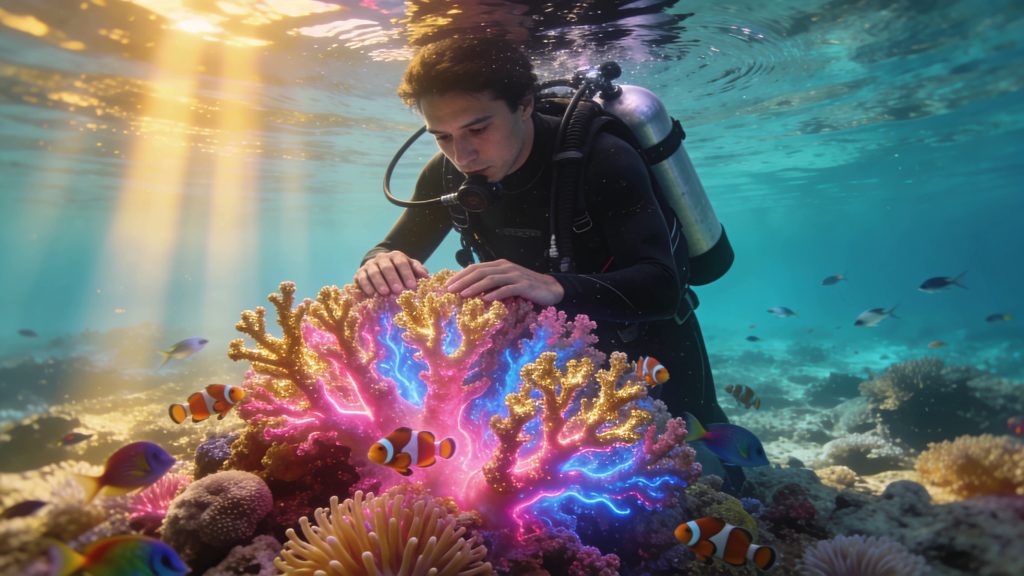
Sustainable dive trips are possible without compromising on quality or experience. By making conscious choices about your destination, accommodation and behaviour underwater, you help protect fragile ecosystems and support local communities. Coral reefs and marine life remain intact if you know what to look out for. PADI Eco Centers (dive schools that meet strict sustainability criteria) and regenerative dive resorts (accommodation that goes beyond sustainability and actively contributes to nature restoration) show that responsible diving does not have to mean making sacrifices. In this article you will read how you can make a difference yourself.
What makes a dive trip sustainable?
A dive trip is sustainable if you limit the impact on marine life, coral reefs and local communities. The biggest gains come from conscious choices before you leave. Think about the destination you choose, the transport you use, the place you stay and the dive school you go to.
Small-scale and local operators usually leave a larger share of the income in the destination itself. Avoid mass excursions that chase animals or put pressure on fragile nature. The way you travel also matters. Limit your transport impact by staying longer in one place and choosing direct flights instead of multiple stopovers. Once you are underwater, you protect marine life by not touching coral, leaving animals alone and only diving at responsible dive sites.
Looking for inspiration for your next trip? Find out more about diving holidays and learn which destinations are suitable for responsible diving experiences.
‘ Small changes in your behaviour have a big impact on preserving the ecosystem. ’
How can you personally contribute to sustainability as a diver?
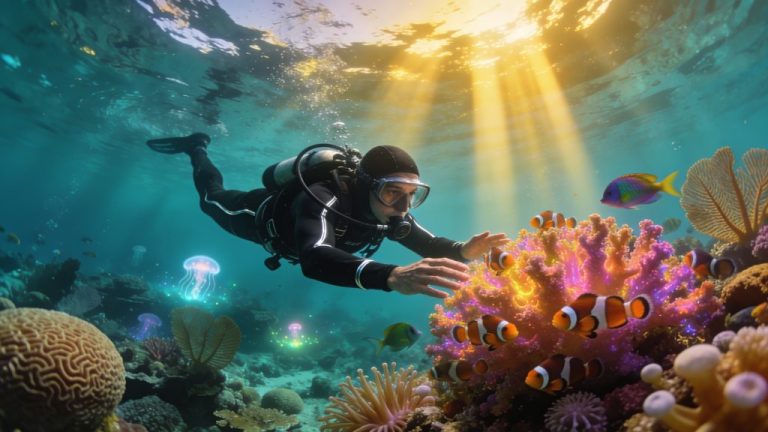
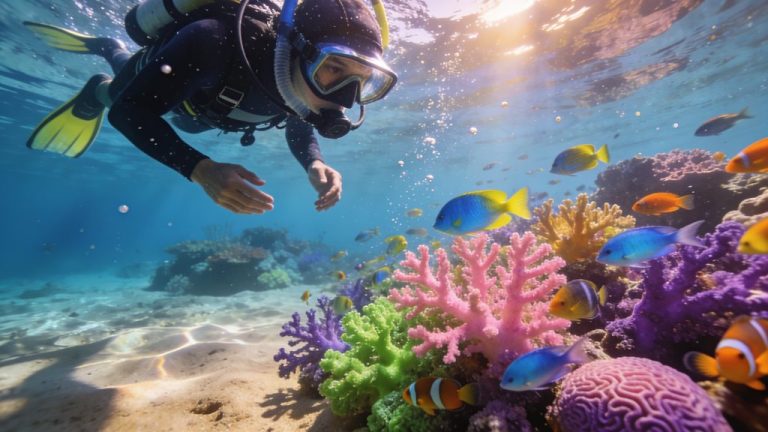
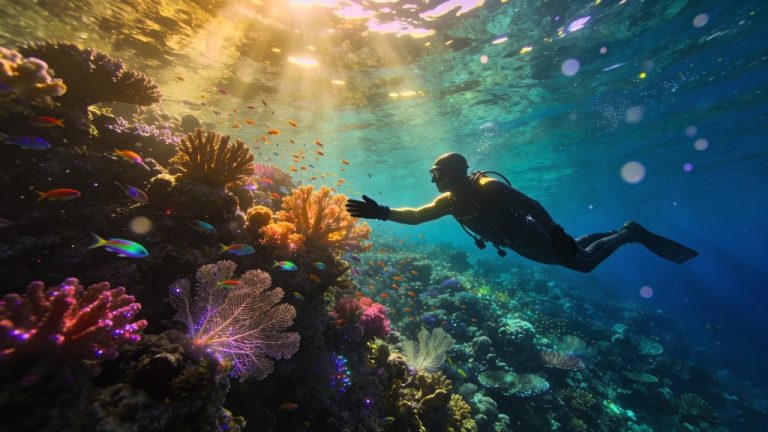
Your own behaviour underwater largely determines how sustainable your dive trip is. Make sure your trim and buoyancy are good so you do not accidentally bump into coral. Keep your hands to yourself and do not touch coral, shells or marine animals. Gloves are no excuse to grab hold of things. The aim is not to touch anything at all.
Leave fish and other animals alone. Do not feed them and do not chase them for a photo. Take all your rubbish back to the boat or to shore. Plastic remains, fishing nets and other litter do not belong in the sea. Small changes in your behaviour have a big impact on preserving the ecosystem.
What are PADI Eco Centers and how do they work?
PADI Eco Centers are dive schools and resorts that meet strict sustainability criteria. They focus on protecting marine life, educating divers and supporting local communities. Some centres are actively involved in coral gardening, a method in which damaged reefs are restored using cultivated coral fragments.
Volcano Island Divers in Vanuatu is an example of a PADI Eco Center that puts regenerative tourism models into practice. They involve local communities in diving activities and offer educational programmes on reef restoration and marine biodiversity (the variety of plant and animal species in the sea). Six Senses Fiji follows a similar approach with coral gardening projects and collaboration with local villages. By choosing this type of centre, you contribute to restoration rather than merely limiting damage.
Which resorts and accommodation suit sustainable diving?
In addition to dive schools with eco-certification, there are also accommodation options that put sustainability at the heart of what they do. The Manta Resort in Zanzibar offers unique underwater rooms and combines this with a focus on local waste management, energy efficiency and support for the local community. The resort works together with local guides and buys food from nearby farmers and fishers.
Opt for eco-lodges or small-scale accommodation that are transparent about their energy, water and waste management. When booking, explicitly ask about their sustainability approach. Reliable providers explain how they deal with waste, what type of energy they use and how they support the local economy. Avoid resorts that do not give clear answers to these questions.
Practical tips for sustainable dive trips
Before you leave, you can already reduce your impact significantly. Take a refillable water bottle and avoid single-use plastic, including on boat trips and during transfers. Use reef-safe sunscreen without harmful substances such as oxybenzone and octinoxate. These substances damage coral and disrupt marine life.
Choose longer trips to a single destination instead of multiple short long-haul trips. This spreads the impact of your journey more evenly and helps you avoid unnecessary CO₂ emissions from extra flights or stopovers. Wherever possible, book direct flights and use local transport once you arrive. Eat locally and support small restaurants, guides and shops rather than international chains.
Below is an overview of the most important practical points:
- Book with a dive school or tour operator that has a clear sustainability approach
- Choose a longer trip to one destination
- Take a refillable water bottle and avoid single-use plastic
- Use reef-safe sunscreen without oxybenzone and octinoxate
- Do not touch anything underwater: no coral, shells or marine animals
- Opt for local food and local services
- Stay in eco-lodges or small-scale accommodation

What should you look out for when booking a sustainable dive trip?
A reliable operator clearly explains what sustainability means to them. Check whether they provide concrete information about waste management, energy use and support for the local economy. Vague claims without substantiation are a red flag.
See whether the dive school works together with local guides, community projects or protected areas. Ask about their policy on animals, coral and waste. Reliable operators will proactively point out codes of conduct and emphasise the importance of respecting nature. They often also offer educational programmes on marine conservation and reef restoration.
Also pay attention to transparency about transport. Sustainable travel choices start with opting for direct flights and minimising stopovers. Some tour operators offer advice on train or bus connections to the airport to reduce total CO₂ emissions.
How can you contribute to coral reef restoration?
More and more dive schools offer programmes where you can actively contribute to the restoration of coral reefs. In coral gardening, you grow coral fragments in dedicated areas. Once the fragments are big enough, you plant them on damaged sections of reef. This increases biodiversity and helps the reef recover more quickly.
Taking part in such programmes usually does not require special certification, but it does require some diving experience and good buoyancy control. Ask your dive school whether they offer coral gardening projects and what the conditions are. Some resorts also organise educational dives where you learn how to recognise damaged reefs and which measures are needed for restoration.
‘ This disrupts their natural behaviour and can be harmful to their health. ’
Ethical diving: what is and is not acceptable?
Ethical diving starts with respect for marine life. Do not feed animals and do not chase them for photos. Some excursions lure animals with food or touch them to force interaction. This disrupts their natural behaviour and can be harmful to their health. Avoid such activities.
Only choose dive sites that do not put pressure on animals. Protected areas and marine parks often have strict rules to safeguard nature. Follow these rules carefully. Do not take souvenirs from the sea, such as shells, coral or sand. This is forbidden in many countries and harms the ecosystem.
Checklist for your sustainable dive trip
To keep your planning clear, you will find a practical checklist below. Use this list to review your choices before you book and before you leave.
- Choose a direct flight or minimise the number of stopovers
- Stay longer at one diving destination instead of making many short trips
- Book eco-accommodation or a small-scale place to stay
- Take a refillable bottle and avoid plastic
- Use reef-safe sunscreen without harmful substances
- Do not touch anything underwater
- Eat locally and book with local providers
- Ask about coral gardening projects or restoration initiatives
Discover more on Traveler Tips
On the Traveler Tips website you will find plenty more information about nature holidays, sustainable destinations and practical tips for responsible travel. From routes and preparation to regulations and equipment: everything you need to plan your trip more consciously and smartly is ready for you. Discover which destinations are suitable for sustainable holidays and learn how you can personally make a difference.
Frequently asked questions
Some relatively sustainable European diving destinations include the Eastern Scheldt and Grevelingen in the Netherlands, the Belgian North Sea coast and the north French and Normandy coasts, which are easy to reach by car or train and where locally run, small-scale dive schools are active. The Breton coast (France) and parts of northern Spain (the Basque Country, Cantabrian coast) also offer a combination of train or car travel with small-scale eco-accommodation and protected marine areas. In southern Europe, the Ligurian coast and Cinque Terre (Italy) and certain areas in Croatia can be reached by (night) train plus a short transfer or by car, with operators that focus on marine conservation. Once there, choose dive centres that work in or with protected sea areas, apply waste reduction and provide clear guidelines for nature-friendly diving.
Look for concrete sustainability measures on the website and on site, such as waste separation, refill stations for water and efficient use of energy and water. Choose schools and tour operators that are small-scale and local, work with nature or community projects and give transparent explanations of what they do to protect the sea. Ask how they deal with coral and marine life: do they actively emphasise “no touching/feeding”, good buoyancy training and small groups? Avoid operators that use touching, feeding or chasing animals as a selling point, or that make vague ‘eco’ claims without concrete examples.
Choose a small-scale eco-accommodation and dive school with a clear sustainability approach, stay longer in one destination and thus limit extra flights and transfers. Use a refillable water bottle, avoid single-use plastic on the boat and apply reef-safe sunscreen without harmful substances such as oxybenzone. Underwater, maintain good buoyancy, do not touch coral or animals and do not feed them. Support the local community by eating locally, booking services on the spot and avoiding excursions that put heavy pressure on animals.
Choose local, small-scale dive schools, guides and accommodation so that your money directly benefits the community. Eat in local restaurants and shop at small businesses rather than international chains. Underwater, you contribute to conserving marine life by not touching coral or animals, not feeding animals and keeping your buoyancy under good control. Use reef-safe sunscreen and bring reusable items to reduce plastic waste.
Ideally, choose the train or, if travelling by car, car share and make sure the car is well maintained and driven efficiently. Pack light but comfortably: your own dive gear where possible, layered clothing, a good seat or neck pillow and snacks/water for the journey. Take a refillable water bottle, reusable containers/cutlery and reef-safe sunscreen to reduce waste and limit damage to coral. Book small-scale, local accommodation and dive schools with a clear sustainability approach so that your trip is both comfortable and environmentally friendly.